
Have you ever noticed an angelfish with colors so unique, they almost seem magical? If you’re curious about spotting those rare angelfish colors and understanding what makes them special, you’re in the right place.
Knowing how to identify these stunning variations can deepen your appreciation and help you choose the perfect addition to your aquarium. Keep reading, and you’ll discover tips and tricks that make recognizing rare angelfish colors simple and exciting—turning you into a true angelfish color expert.
Popular Angelfish Colors
Angelfish come in many colors that make them unique. These colors help identify rare and popular types.
Some colors are classic, while others are unusual and sought after by collectors. Let’s explore these colors.
Classic Silver And Black
Classic silver and black angelfish have a shiny silver body with black stripes or patterns. They are common in home aquariums.
Their strong contrast makes them easy to spot. These colors give angelfish a timeless and elegant look.
- Silver base color
- Vertical black stripes
- Clear fins with black edges
Golden Variants
Golden angelfish have a warm, yellow-gold body. This color is rarer and often prized by hobbyists.
The gold color can be solid or mixed with black markings. This mix gives them a bright and rich appearance.
- Solid golden body
- Golden with black spots or stripes
- Sometimes metallic shine on scales
Blue And Steel Hues
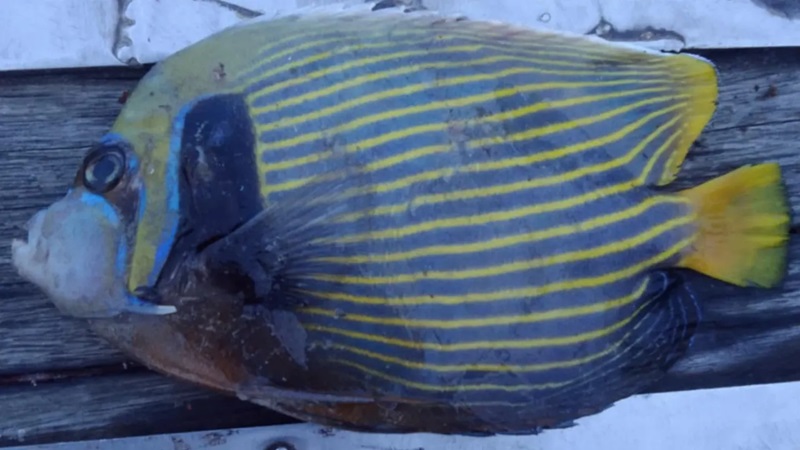
Blue and steel angelfish display cool tones. Their colors range from light blue to dark steel gray.
These hues give the fish a soft, calm look. The colors often mix with silver or black patterns.
- Light blue shades on body
- Steel gray with subtle markings
- Combination with silver stripes
Credit: www.deshkalnews.com
Rare Angelfish Color Patterns
Angelfish have many color patterns. Some patterns are rare and special. They make these fish unique and beautiful.
These rare colors catch the eye of many fish lovers. Learning to identify them helps you appreciate their beauty more.
Marble And Koi Patterns
Marble angelfish have mixed colors in a random way. Their patterns look like marble stones. Each fish looks different.
Koi angelfish have bright patches of orange, white, and black. Their colors look like koi fish from Japan. These patterns are very eye-catching.
- Marble: swirled and blended colors
- Koi: bold patches of orange, white, and black
- Both types have unique, one-of-a-kind patterns
Blushing And Albino Types
Blushing angelfish have red or pink shades on their heads or gills. The color looks like a gentle blush on their skin.
Albino angelfish have pale colors with red eyes. They lack dark pigments. Their light colors make them stand out in any tank.
- Blushing: soft red or pink highlights
- Albino: pale body with red eyes
- Both types are delicate in appearance
Veiltail And Lace Varieties
Veiltail angelfish have long, flowing fins. Their fins look like soft veils that move with the water.
Lace angelfish have thin, lacy edges on their fins. The delicate patterns make their fins look like lace fabric.
- Veiltail: long, graceful fins
- Lace: fins with thin, lace-like edges
- Both add elegance to the fish’s look
Identifying Unique Color Traits
Angelfish come in many rare colors that make them special. Knowing how to identify these colors helps hobbyists and breeders.
Each fish shows unique color traits. Learning to spot these traits takes practice and attention to detail.
Spotting Subtle Color Differences
Rare angelfish colors often have small shade changes. These subtle differences can be in the fins or body.
Look closely at how colors blend or where spots appear. Some colors may seem similar but have different hues.
- Check for slight changes in fin edges
- Notice color patterns on the body
- Observe if colors shine differently in light
- Compare with common color types
Recognizing Genetic Markers
Genetic markers show which rare colors a fish may carry. These markers come from the fish’s parents.
Breeders use these markers to predict color traits in young fish. Knowing markers helps keep rare colors alive.
- Look for color traits passed from parents
- Note if the fish has unusual patterns
- Identify genes linked to rare colors
- Use genetics to track color inheritance
Distinguishing Natural Vs. Enhanced Colors
Natural colors appear without human changes. Enhanced colors may come from special lighting or dyes.
It is important to tell natural colors from enhanced ones to know the fish’s true appearance and value.
- Natural colors are even and consistent
- Enhanced colors may look too bright or shiny
- Check for unusual spots or color smudges
- Observe fish over time for fading or changes
Factors Influencing Color Variations
Angelfish come in many rare colors. These colors can change for several reasons. Understanding these factors helps identify and care for rare angelfish colors.
Color variations make each angelfish unique. They depend on genetics, environment, diet, age, and health. Each factor plays a role in how bright or dull the colors appear.
Genetics And Breeding
Genetics mainly control angelfish color. Parents pass down genes that affect color patterns and intensity. Breeders select fish with rare colors to create unique offspring.
Breeding different color types can produce new rare colors. Some gene combinations make colors fade or become stronger. Careful breeding keeps rare colors stable.
- Gene combinations create new color patterns
- Selective breeding enhances rare colors
- Some genes cause color fading or brightening
Environment And Diet
The fish’s environment changes how colors show. Light, water quality, and tank decorations affect color brightness. Good water keeps colors vibrant and healthy.
Diet also affects color. Foods rich in carotenoids and vitamins boost red, orange, and yellow colors. Poor diet can cause dull and faded colors.
- Bright light enhances color visibility
- Clean water supports healthy color
- High-quality diet improves color intensity
- Natural foods increase rare color traits
Age And Health Effects
Young angelfish may not show full color. Colors develop as they grow. Older fish sometimes lose color or change tone.
Health problems can dull colors. Stress, disease, or poor care make colors fade. Healthy fish show their best rare colors.
- Colors deepen as fish mature
- Old age can reduce color brightness
- Stress and illness cause color loss
- Good health keeps colors vivid
Care Tips For Maintaining Vibrant Colors
Angelfish with rare colors need special care to keep their beauty. Bright colors show healthy fish and good tank care.
Proper tank conditions, good food, and low stress help keep colors bright. Follow easy steps to care for your angelfish.
Optimal Tank Conditions
Clean water and the right temperature keep angelfish healthy. Stable conditions help maintain their rare colors.
Keep the tank at 78-84°F (25-29°C). Test water weekly and change 20% every two weeks.
- Use a good filter to keep water clear
- Keep pH between 6.5 and 7.5
- Provide gentle water flow to avoid stress
- Add plants for hiding spots and comfort
Nutrition For Color Enhancement
Healthy food improves angelfish color and growth. Use high-quality fish food with natural pigments.
Feed a mix of flakes, pellets, and live or frozen food. Foods rich in carotenoids boost red and orange shades.
- Feed small amounts 2-3 times daily
- Include foods like brine shrimp and bloodworms
- Use color-enhancing flakes or pellets
- Avoid overfeeding to keep water clean
Stress Reduction Techniques
Stress dulls angelfish colors and causes health issues. Keep the tank quiet and stable to reduce stress.
Limit loud noises and sudden movements near the tank. Provide hiding places and keep tank mates peaceful.
- Do not overcrowd the tank
- Use soft lighting to avoid harsh glare
- Keep a regular feeding and cleaning schedule
- Observe fish daily for signs of stress or illness
Where To Find Rare Angelfish Varieties
Rare angelfish varieties are highly sought after by aquarium enthusiasts. To find these unique fish, you need to know where to look.
Specialty Breeders
Specialty breeders focus on producing rare and unusual angelfish varieties. They often have a wide range of colors and fin types available.
- Aquatic Arts: Known for their high-quality, rare angelfish varieties
- Angelfish Haven: Specializes in breeding and selling rare angelfish colors
- Fin-tastic Aquatics: Offers a wide range of rare and unusual angelfish varieties
Aquarium Shows And Auctions
Aquarium shows and auctions are a great place to find rare angelfish varieties. These events bring together breeders, collectors, and enthusiasts to showcase and sell unique fish.
Aquarium shows and auctions often feature rare and unusual angelfish varieties. You can see the fish up close and talk to the breeders about their experiences.
Online Communities And Marketplaces
Online communities and marketplaces are a great way to connect with other aquarium enthusiasts and find rare angelfish varieties. You can join online forums, social media groups, and marketplaces to find and purchase unique fish.
- AquaBid: Online auction site for aquarium enthusiasts
- Angelfish Forum: Online community for angelfish enthusiasts
- Aquarium Market: Online marketplace for aquarium-related items, including rare fish
Common Mistakes In Color Identification
Angelfish enthusiasts often face challenges in identifying rare color variations. One common issue is misinterpreting lighting effects, leading to incorrect identification.
Misinterpreting Lighting Effects
Lights can significantly impact how colors appear on angelfish. Direct sunlight, artificial lighting, and even camera flash can alter color perception.
For example, a blue angelfish may appear more vibrant under bright sunlight but duller in a poorly lit aquarium. This variation in color appearance can lead to incorrect identification.
Confusing Similar Species
Angelfish come in various species, each with its unique characteristics. However, some species may share similar color patterns, making identification challenging.
- The Lemon Dorsal Angelfish and the Platinum Angelfish have similar yellowish-brown colors.
- The Silver Tip Angelfish and the Gold Tip Angelfish have similar silver and gold markings.
Overlooking Hybrid Characteristics
Hybrid angelfish often exhibit unique color combinations not found in pure species. Ignoring these characteristics can lead to misidentification.
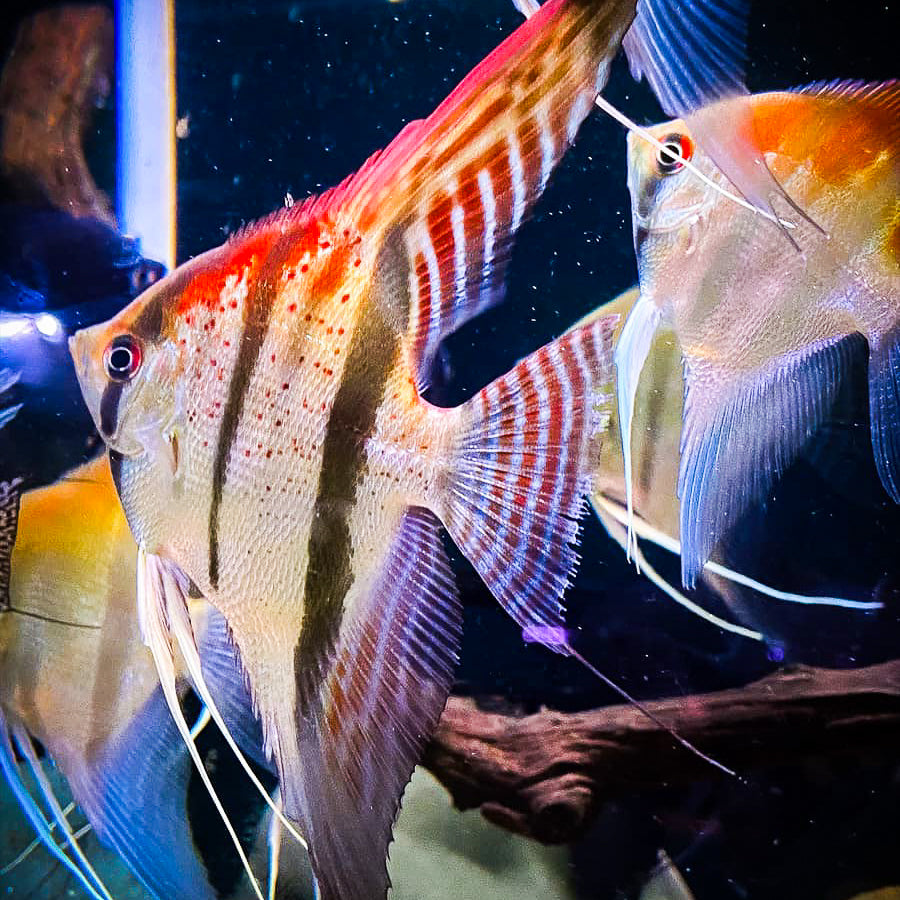
For instance, a hybrid between the Zebra Angelfish and the Veiltail Angelfish may display a zebra-like pattern with a veiltail’s distinctive tail.

Credit: tropicflow.com
Credit: tropicflow.com
Frequently Asked Questions
What Are The Rare Color Variations Of Angelfish?
Rare angelfish colors include platinum, albino, and koi patterns. These unique hues stand out due to selective breeding. They add vibrant diversity to home aquariums and are highly sought after by enthusiasts.
How Can I Identify A Rare Angelfish Color?
Look for uncommon shades like metallic silver, golden, or marble patterns. Check the intensity and consistency of colors. Unique markings and brightness usually indicate rare angelfish varieties.
Why Are Rare Angelfish Colors Valuable?
Rare colors are valuable due to their scarcity and beauty. They require special breeding techniques and care. Collectors and hobbyists often pay premium prices for these unique fish.
Can Rare Angelfish Colors Change Over Time?
Yes, some rare angelfish colors may fade or intensify with age. Diet, lighting, and water conditions also affect their coloration. Proper care helps maintain their vibrant appearance longer.
Conclusion
Rare angelfish colors add unique beauty to any aquarium. Knowing how to identify these colors helps you appreciate them more. Each shade tells a story of careful breeding and nature’s art. Keep observing your fish to spot subtle color changes.
This knowledge makes fish keeping more fun and rewarding. Enjoy the vibrant world of angelfish colors every day.