
Have you ever wondered how your guppies bring new life into your aquarium? Understanding guppy spawning behavior can unlock the secrets to successfully breeding these colorful fish right at home.
Whether you’re a beginner or looking to improve your tank’s population, knowing what to expect and how to support your guppies during spawning will make all the difference. Keep reading to discover simple tips and surprising facts that will help you create the perfect environment for your guppies to thrive and multiply.
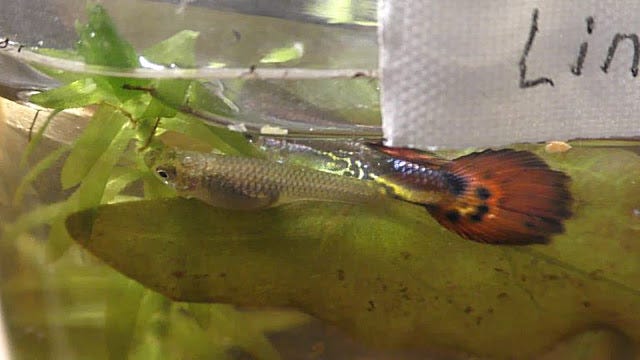
Credit: michael-langerman.medium.com
Guppy Mating Habits
Guppies are small freshwater fish known for their colorful bodies and lively behavior. Their mating habits are interesting and involve several steps.
Understanding how guppies mate helps fish keepers breed them successfully. This article explains key parts of their spawning behavior.
Courtship Displays
Male guppies perform special dances to attract females. They flare their fins and show bright colors during these displays.
The male swims in front of the female, shaking his body to catch her attention. This helps the female decide if she wants to mate.
- Males show vibrant colors and patterns
- They swim in a zigzag motion near females
- Flaring fins make males look bigger and stronger
Male And Female Roles
Males take the lead in courtship by showing off their colors and moves. Females watch and choose the best male.
After mating, females carry the eggs inside their bodies. They give birth to live young instead of laying eggs.
- Males display and try to mate with several females
- Females select males based on courtship displays
- Females are pregnant for about 21 to 30 days
- Females give birth to free-swimming fry
Optimal Breeding Age
Guppies can breed when they are about 2 to 3 months old. This is when they reach sexual maturity.
Breeding at the right age helps ensure healthy babies. Younger or older fish may not breed as well.
- Guppies mature at 2 to 3 months old
- Ideal breeding age is between 3 and 12 months
- Older guppies have fewer and weaker offspring
Setting Up A Breeding Tank
Guppies are colorful and lively fish that breed easily in the right tank. Setting up a good breeding tank helps keep the fry safe and healthy.
This guide covers tank size, water conditions, and plants to create a perfect breeding environment.
Tank Size And Environment
A breeding tank needs enough space for guppies to swim and hide. A small group can live comfortably in a 10-gallon tank or larger. The tank should have a tight-fitting lid to prevent jumping.
- Minimum tank size: 10 gallons
- Use a sponge filter to keep water clean
- Keep the tank in a quiet, stable place
- Provide gentle water flow to avoid stress
Water Conditions
Guppies need clean water with stable conditions to breed well. Keep the water temperature warm and the pH balanced for best results.
| Parameter | Ideal Range |
| Temperature | 74°F – 78°F (23°C – 26°C) |
| pH Level | 7.0 – 8.0 |
| Hardness | 8 – 12 dGH |
| Ammonia/Nitrite | 0 ppm |
Plants And Hiding Spots
Plants and hiding spots give baby guppies shelter and reduce stress for adults. They also improve water quality by absorbing waste.
- Use live plants like java moss and hornwort
- Add small caves or breeding traps
- Dense plants help fry hide from adults
- Keep some open swimming space
Feeding For Breeding Success
Feeding guppies well is key to their breeding success. Healthy parents produce more fry.
Good nutrition helps guppies stay strong and ready to spawn regularly.
Nutritional Needs
Guppies need protein, vitamins, and minerals for breeding. Protein supports growth and baby development.
Vitamins like A and C boost immune health. Minerals help with strong bones and scales.
Best Foods For Guppies
Feed guppies a variety of foods for balanced nutrition. Use both live and prepared foods.
- Live foods: brine shrimp, daphnia, and mosquito larvae
- Frozen foods: bloodworms and brine shrimp
- High-quality flakes or pellets with protein and vitamins
- Vegetable matter like blanched spinach or peas
Feeding Schedule
Feed guppies small amounts two to three times daily. Avoid overfeeding to keep water clean.
Offer live or frozen foods once per day to support breeding. Use flakes or pellets for other meals.
- Morning: flakes or pellets
- Afternoon: live or frozen foods
- Evening: small portion of flakes or pellets

Credit: jungleaquatics.com
Signs Of Pregnancy
Guppies are livebearers, meaning they give birth to live babies. Female guppies show clear signs when they are pregnant. Recognizing these signs helps you care for them better.
Knowing how to spot pregnancy helps prevent stress. It also prepares you for the arrival of fry, or baby guppies.
Physical Changes
Pregnant female guppies change in appearance. Their bellies grow bigger and rounder as the fry develop inside. This is one of the easiest signs to spot.
The gravid spot near the rear fin darkens. This spot becomes more visible and larger. It looks like a dark patch on the belly.
- Swollen, rounded belly
- Dark, visible gravid spot
- Overall body size may increase
Behavioral Shifts
Pregnant guppies often act differently. They may hide more than usual. This helps protect them from stress and predators.
They tend to eat less or more slowly. This change in appetite can be a sign of pregnancy. You might also see them moving less around the tank.
- Increased hiding or staying in plants
- Reduced or slower eating habits
- Less active swimming behavior
Birthing Process
Guppies are livebearers, which means they give birth to live fry instead of laying eggs. The birthing process is fascinating and involves several stages.
Understanding the birthing process helps in taking care of guppy fry and ensuring their survival. Observing the stages can also be an exciting experience for fish enthusiasts.
Duration And Stages
The birthing process in guppies can last from a few hours to a full day. It involves several stages that can be observed closely.
First, the female guppy becomes less active. Then, contractions start, and fry are released one by one. The process continues until all fry are born.
- Stage 1: Female becomes less active
- Stage 2: Contractions begin
- Stage 3: Fry are released
- Stage 4: Completion of birthing
Protecting Fry During Birth
Protecting guppy fry during birth is crucial for their survival. The fry are vulnerable at this stage and need care.
Separate the pregnant female into a breeding box to protect the fry. This box prevents other fish from eating the newborns.
| Protection Method | Benefit |
|---|---|
| Breeding box | Keeps fry safe from other fish |
| Plant cover | Provides hiding places for fry |
Caring For Fry
Guppy fry need special care to grow healthy. They are small and weak at birth. Proper care helps them survive and thrive.
Providing the right food, safety, and environment is important. This guide explains how to care for guppy fry.
Feeding The Fry
Feed guppy fry small and frequent meals. Their tiny mouths need tiny food pieces. Use special fry food or crushed flakes.
Live foods like baby brine shrimp and microworms are good. They help fry grow fast and stay healthy.
- Feed 3-4 times a day
- Use finely crushed flakes or powder food
- Offer live foods if possible
- Remove uneaten food to keep water clean
Avoiding Predation
Guppy fry are prey for adult fish and other tank mates. Keep fry in a separate tank or use a breeding box. This protects them from being eaten.
Provide hiding spots like plants or decorations. These help fry hide and feel safe.
- Use a separate tank or breeding net
- Add live or artificial plants for cover
- Keep aggressive fish away
- Monitor tank regularly for safety
Growth Milestones
Fry grow quickly in the first weeks. They start swimming actively and eating solid food in about a week. Watch for their size and color changes.
By four weeks, fry look like small adult guppies. At this stage, you can slowly introduce them to the main tank.
- Week 1: Fry swim and eat small food
- Week 2-3: Notice faster growth and stronger swimming
- Week 4: Fry resemble adult guppies
- After Week 4: Gradually introduce to main tank
Common Breeding Challenges
Guppies are popular fish for breeders. They are colorful and lively. Breeding guppies can be fun, but there are challenges.
Understanding these challenges can help you succeed. Let’s explore common issues breeders face.
Stress Factors
Stress affects guppy health and breeding. Many things can cause stress in guppies.
Loud noises, sudden water changes, and overcrowding are stress factors. Reducing stress helps improve breeding success.
- Keep tank environment stable
- Avoid sudden temperature changes
- Provide hiding spaces for guppies
Disease Prevention
Diseases can hinder guppy breeding. Healthy fish breed more successfully.
Regular tank maintenance helps prevent diseases. Quarantine new fish before adding them to the main tank.
- Maintain clean water conditions
- Inspect fish regularly for signs of illness
- Use proper filtration systems
Troubleshooting
Sometimes breeding does not go as planned. Troubleshooting can help identify issues.
Check water quality and tank conditions first. Evaluate the diet and health of your guppies.
- Adjust feeding habits
- Monitor guppy behavior closely
- Consult experts if needed

Credit: jungleaquatics.com
Frequently Asked Questions
How Often Do Guppies Spawn In Captivity?
Guppies can spawn every 30 days in captivity. Females give birth to live young after about 21-30 days of gestation. Regular feeding and proper tank conditions promote frequent spawning.
What Triggers Guppy Spawning Behavior?
Spawning is triggered by warm water temperatures, usually 75-82°F. Abundant food and a stress-free environment also encourage breeding. Males display vibrant colors to attract females during courtship.
How Can I Identify Pregnant Guppy Females?
Pregnant females develop a dark gravid spot near their anal fin. Their belly becomes noticeably swollen and rounded. Observing these signs helps prepare for the birth of fry.
How Many Fry Do Guppies Produce Per Spawn?
A guppy female typically gives birth to 20-50 fry per spawn. The number varies with age, health, and nutrition. Providing hiding spaces improves fry survival rates after birth.
Conclusion
Guppy spawning is a fascinating natural process. Males display bright colors to attract females. Females carry eggs for about a month. Fry are born fully formed and independent. They grow quickly with proper care and food. Watching guppies breed can be very rewarding.
Knowing their behavior helps keep them healthy. Every guppy owner can enjoy this lively experience. It shows the beauty of life in small tanks. Understanding guppy spawning adds joy to fish keeping.