
If you want to breed healthy mollies successfully, understanding the right water parameters is key. Getting these details right can make the difference between thriving fry and disappointing results.
You’ll discover exactly what water conditions your mollies need to feel comfortable, breed naturally, and produce strong babies. Keep reading to learn the simple steps that will turn your aquarium into the perfect breeding environment. Your mollies—and future fry—will thank you!

Credit: www.aquariumsource.com
Ideal Water Temperature
Water temperature plays a key role in breeding mollies. Keeping the water in the right range helps eggs develop well. It also keeps adult fish healthy and active.
Too cold or too hot water can harm the fish or stop breeding. Understanding the ideal temperature helps create the best environment for mollies.
Optimal Range For Breeding
The best water temperature for molly fish to breed is between 75°F and 80°F (24°C to 27°C). This range supports egg fertilization and fry development. It also encourages healthy mating behavior.
- Maintain temperature at 75°F to 80°F (24°C to 27°C)
- Use a reliable aquarium heater to keep steady warmth
- Check temperature daily with a good thermometer
- Avoid sudden temperature changes during breeding
- Keep water clean to support healthy fish
Temperature Fluctuations To Avoid
Sudden or wide temperature changes can stress mollies. Stress lowers their chance to breed and may cause illness. Avoid letting the temperature drop below 70°F or rise above 82°F.
| Temperature Condition | Effect on Mollies |
| Below 70°F (21°C) | Slows metabolism and stops breeding |
| Above 82°F (28°C) | Increases stress and risk of disease |
| Rapid changes (more than 2°F in 24 hours) | Causes shock and weakens immune system |
Ph Levels That Promote Breeding
Molly fish need specific water conditions to breed well. One key factor is the pH level of the water.
Keeping the pH right helps molly fish stay healthy and encourages them to reproduce.
Preferred Ph Range
Molly fish prefer slightly alkaline water for breeding. The ideal pH range is between 7.5 and 8.5.
Water that is too acidic or too alkaline can stress molly fish and reduce breeding success.
- Minimum pH: 7.5
- Maximum pH: 8.5
- Optimal range: 7.8 to 8.2 for best results
Adjusting Ph Safely
Change the pH slowly to avoid shocking the molly fish. Sudden changes can harm them.
Use natural methods to adjust pH safely and keep the water stable.
- Add crushed coral or limestone to raise pH gradually
- Use peat moss or driftwood to lower pH if needed
- Test water daily to monitor pH levels
- Perform small water changes to keep pH stable
Water Hardness Requirements
Water hardness plays a key role in breeding mollies. It affects their health and breeding success. Maintaining proper hardness levels creates a stable environment for the fish.
Understanding the types of hardness helps you adjust water conditions. Mollies prefer specific ranges of general and carbonate hardness for breeding.
General Hardness (gh) Guidelines
General hardness measures the amount of calcium and magnesium in water. These minerals are essential for mollies’ bodily functions and eggshell formation.
- Ideal GH range for breeding mollies is 10–20 dGH.
- Too low GH may cause poor growth and weak eggs.
- Too high GH can stress fish and reduce breeding activity.
- Test GH regularly to keep it stable.
- Use additives if GH is outside ideal range.
Carbonate Hardness (kh) Impact
Carbonate hardness affects water pH stability. It is the amount of carbonate and bicarbonate ions in water. Proper KH prevents sudden pH changes that harm mollies.
| KH Level (dKH) | Effect on Mollies |
|---|---|
| 3–8 | Stable pH and good breeding conditions |
| Below 3 | Unstable pH, stress, and poor egg survival |
| Above 8 | High pH risk, reduced breeding activity |
Maintaining Clean Water Quality
Clean water is vital for breeding mollies. It keeps fish healthy and stress-free. Good water quality helps eggs and fry survive better.
Regular care of the tank and water ensures a safe breeding environment. This guide shares simple tips to keep water clean.
Filtration Tips
Use a good filter to remove waste and toxins. Choose one that suits your tank size. Check the filter every week to keep it working well.
- Use mechanical filters to trap debris
- Use biological filters to break down harmful chemicals
- Clean filter media gently in tank water to save beneficial bacteria
- Replace filter parts as recommended by the manufacturer
Frequency Of Water Changes
Changing water regularly keeps levels of ammonia and nitrate low. It also adds fresh oxygen for the fish.
| Water Change Frequency | Amount to Change |
| Weekly | 20-25% |
| Biweekly | 15-20% |
| Monthly | 10-15% |
Optimal Lighting And Oxygenation
Proper lighting and oxygen are key for breeding mollies. These factors keep fish healthy and active.
Good light and air help mollies spawn and grow strong fry. Let’s look at how to set them right.
Light Duration And Intensity
Mollies need about 10 to 12 hours of light daily. Too much light stresses them out.
Use gentle lighting that is not too bright. Soft light mimics their natural habitat well.
- Keep light on a timer for regular cycles
- Avoid direct sunlight to prevent algae growth
- Use LED or fluorescent bulbs with low intensity
Aeration Techniques
Oxygen is vital for mollies, especially when breeding. Good aeration helps keep oxygen levels high.
Use air stones or gentle filters to move water without stressing fish. Strong currents can harm fry.
- Air stones create small bubbles that add oxygen
- Hang-on-back filters provide gentle water flow
- Check oxygen levels with a test kit regularly
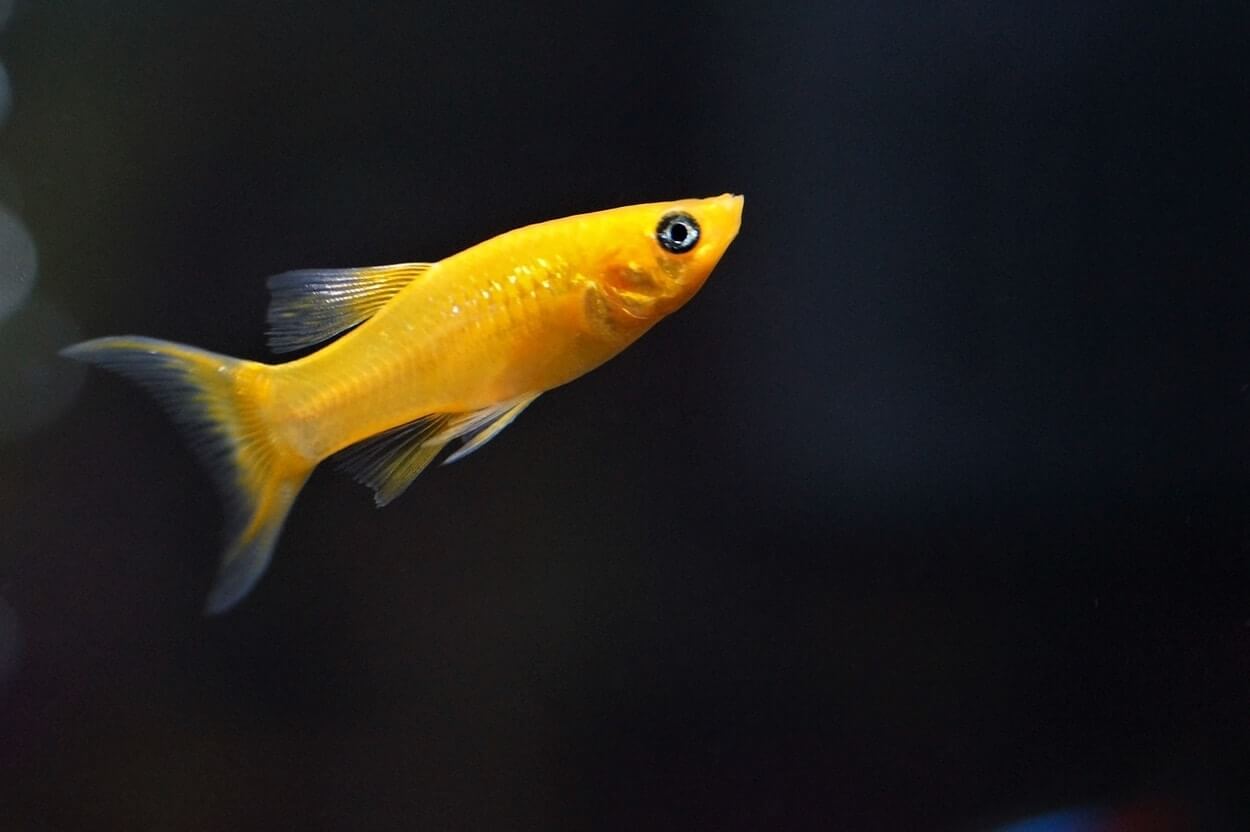
Credit: www.aquariumsource.com
Using Plants And Decorations
Creating the right environment for molly fish breeding is important. Using plants and decorations can help achieve this. They provide a natural habitat and safety for your fish.
Plants and decorations improve water quality and offer hiding spots. They are essential for the health and safety of molly fry.
Benefits Of Live Plants
Live plants are beneficial for molly fish tanks. They help maintain water quality and balance.
Plants absorb harmful substances and produce oxygen. This makes the tank healthier for breeding mollies.
- Plants reduce nitrate levels
- They produce oxygen for fish
- Plants offer natural beauty
Safe Hiding Spots For Fry
Molly fry need safe places to hide. Decorations and plants provide these spots.
Hiding spots protect fry from adult fish. This increases their chances of survival.
- Decorations offer shelter
- Plants create natural barriers
- Safe spots reduce stress for fry
Signs Of Ready-to-breed Mollies
Mollies are popular aquarium fish known for their vibrant colors and easy care. When they are ready to breed, they show specific signs. Understanding these signs helps in successful breeding.
Observing changes in their behavior and physical appearance can indicate readiness for breeding. It is important to monitor these signs closely.
Behavioral Indicators
Behavioral changes in mollies can signal breeding readiness. Watching their actions helps identify when they are ready.
- Increased activity and swimming patterns.
- Males chasing females more frequently.
- Nesting behavior or exploring hiding places.
- Displaying fins prominently.
Physical Changes In Mollies
Physical changes are also important indicators. These changes help in identifying mollies ready for breeding.
| Physical Sign | Description |
| Fuller body | Females appear more rounded. |
| Color enhancement | Colors become brighter. |
| Gravid spot | Dark spot near the rear of females. |
Common Challenges And Solutions
Molly fish need the right water to breed well. Water changes can cause stress and stop breeding.
Breeding molly fish also risks disease. Keeping water clean helps keep fish healthy.
Dealing With Water Parameter Fluctuations
Water changes can make temperature and pH jump. Sudden changes harm molly fish and eggs.
Test water often. Keep temperature steady between 75°F and 80°F. Keep pH near 7.5 to 8.5.
- Use a heater to keep temperature stable.
- Change only 20% of water weekly to avoid big shifts.
- Use a water conditioner to remove harmful chemicals.
- Keep water hardness between 10 and 25 dGH for best results.
Preventing Disease During Breeding
Breeding molly fish can spread disease fast. Clean water stops germs from growing.
Remove uneaten food and waste daily. Use a good filter and change water often.
- Quarantine new fish before adding to breeding tank.
- Keep tank temperature steady to reduce stress.
- Use plants to improve water quality and give hiding spots.
- Watch for signs of disease and treat quickly if needed.

Credit: www.youtube.com
Frequently Asked Questions
What Is The Ideal Ph For Molly Breeding Water?
The ideal pH for molly breeding water is between 7. 5 and 8. 5. Mollies prefer slightly alkaline water to thrive and reproduce successfully. Maintaining this pH range ensures optimal health and breeding conditions for molly fish.
What Temperature Is Best For Molly Fish Breeding?
Mollies breed best at water temperatures between 75°F and 82°F (24°C to 28°C). Stable warmth stimulates their breeding behavior and promotes healthy fry development. Avoid sudden temperature changes to prevent stress and breeding issues.
How Hard Should Water Be For Molly Breeding?
Mollies prefer moderately hard to hard water, with 15-30 dGH. Hard water mimics their natural habitat and supports proper egg fertilization. Soft water can inhibit breeding and cause stress in molly fish.
How Often Should Molly Water Be Changed During Breeding?
Change 20-30% of molly breeding water weekly to maintain cleanliness. Frequent water changes reduce toxins and keep water parameters stable. Stable water quality encourages healthy breeding and fry survival.
Conclusion
Maintaining the right water parameters helps mollies breed successfully. Keep temperature, pH, and hardness stable and within proper ranges. Clean water supports healthy fish and strong fry. Regular testing prevents problems and stress for your mollies. Patience and careful care bring good results.
Breeding mollies can be rewarding with simple steps. Small changes make a big difference in their health. Stay consistent and watch your fish thrive. Enjoy the process and learn as you go.