
If you’re raising betta fry, you know how tricky it can be to keep them safe and healthy. Separating the tiny fish at the right time is key to their survival and growth.
But how do you do it without stressing them out or risking their lives? You’ll discover simple, effective betta fry separation techniques that anyone can use. These tips will help you protect your fry, reduce losses, and watch your little bettas thrive.
Keep reading to learn exactly what you need to do to succeed.
Credit: www.youtube.com
Importance Of Separating Betta Fry
Separating betta fry is essential for their survival and healthy growth. Keeping them together without separation can cause serious problems.
Proper separation helps protect the young fish and supports their development in a safe environment.
Preventing Cannibalism
Betta fry are known to eat each other if kept in the same tank. Separation stops this behavior and saves many lives.
- Separate fry by size to avoid stronger ones eating weaker ones.
- Use small containers or breeding boxes for each group.
- Keep the environment clean to reduce aggression.
Ensuring Proper Growth
Separated fry get enough space and food, which supports better growth. Overcrowding causes slow growth and weak fish.
| Benefit | Effect on Fry |
|---|---|
| More space | Better swimming and muscle development |
| Easy feeding | Proper nutrition and less competition |
| Clean water | Less disease and faster growth |
Reducing Stress
Stress can weaken betta fry and cause health issues. Separation lowers stress by providing a calm and safe space.
Tips to reduce stress in betta fry:
- Keep water temperature stable.
- Minimize loud noises near the tank.
- Provide hiding places for safety.
- Handle fry gently during transfers.
Credit: medium.com
Identifying The Right Time To Separate
Separating betta fry at the right time is important for their health. It helps prevent fighting and ensures they grow well.
Knowing when to separate fry can be tricky. Watch their growth and behavior closely to decide the best time.
Stages Of Fry Development
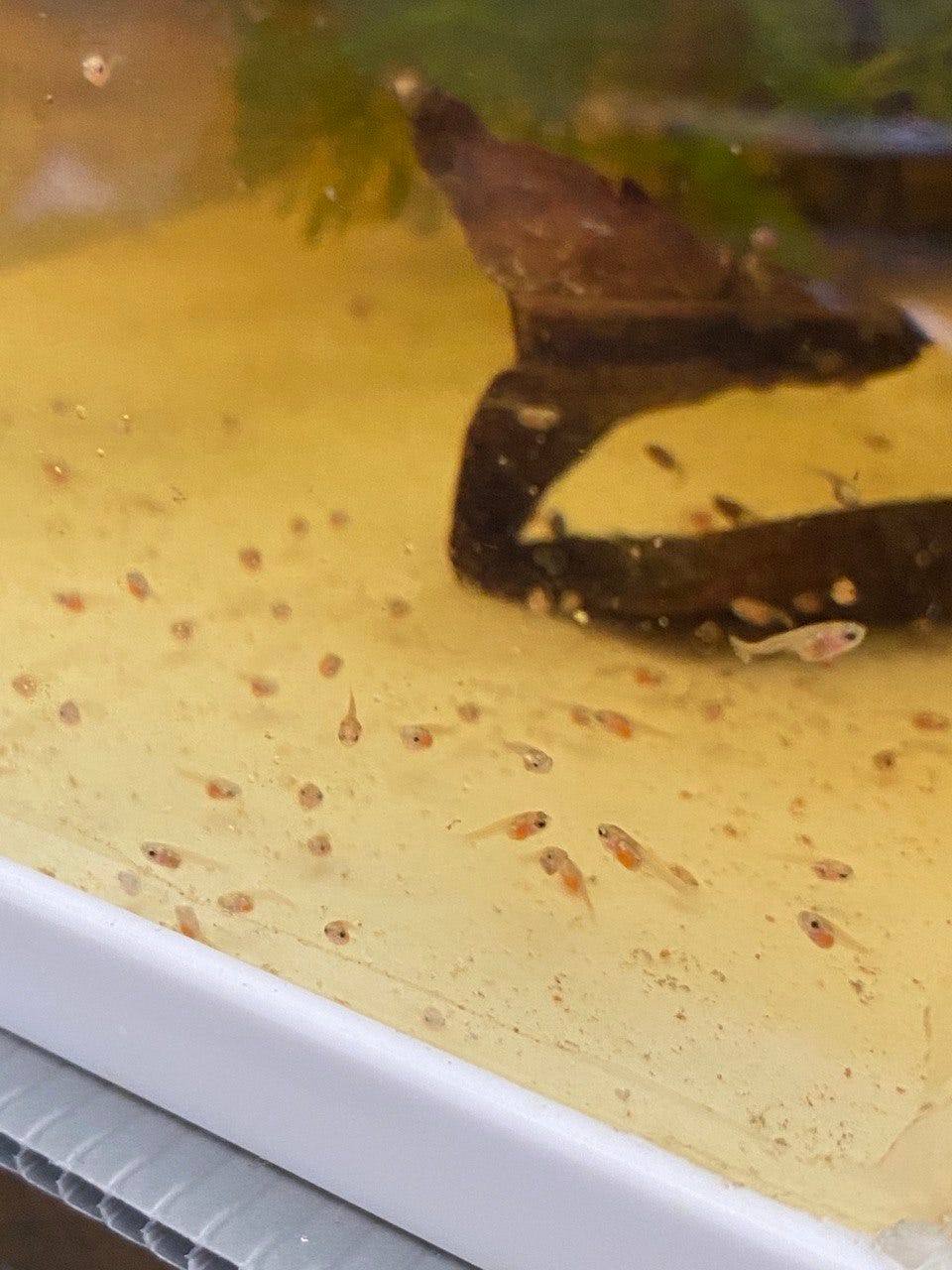
Betta fry pass through clear growth stages. Each stage shows changes in size and activity.
Separating fry is best during or after the free-swimming stage. This is when they can eat on their own.
- Egg stage: Fry are still in eggs and not visible.
- Hatching stage: Fry hatch but stay near the nest.
- Free-swimming stage: Fry swim actively and start eating.
- Growth stage: Fry grow bigger and more active.
Behavioral Signs
Fry show behaviors that tell you when to separate them. Watch for signs of stress or fighting.
As fry grow, they may chase or nip each other. This can harm smaller fry and slow growth.
- Increased chasing or biting
- Hiding or avoiding other fry
- Signs of injury like torn fins
- Fry competing aggressively for food
Size Differences
Size differences among fry become clear as they grow. Larger fry may bully smaller ones.
Separate fry by size to stop bullying and give each fish space to grow well.
- Measure fry size regularly
- Group fry by similar size
- Use separate tanks or dividers
- Provide enough food to reduce competition
Common Separation Methods
Separating betta fry is important to keep them safe and healthy. Different methods help protect fry from being eaten by adult fish. This guide covers common ways to separate betta fry effectively.
Each method has its advantages and suits different tank setups. Choose the one that fits your space and equipment.
Using Breeder Boxes
Breeder boxes are small containers placed inside the main tank. They keep fry safe and easy to watch. These boxes have small holes for water flow but stop fry from escaping.
- Place the breeder box in a quiet tank area
- Check water temperature regularly
- Feed fry inside the box with fine food
- Clean the box carefully without stressing fry
Creating Dividers In Tanks
Tank dividers split a large tank into sections. This keeps fry away from adult fish. Dividers can be made of plastic or mesh and allow water to flow freely.
| Divider Type | Material | Water Flow | Fry Safety |
| Plastic Divider | Opaque plastic | Limited flow | Good |
| Mesh Divider | Fine plastic mesh | High flow | Excellent |
| Glass Divider | Clear glass | Moderate flow | Good |
Separate Rearing Tanks
Using separate tanks is a safe way to raise betta fry. It stops adults from eating the fry and gives full control over water conditions.
- Use small tanks for easier cleaning
- Keep water temperature stable
- Feed fry with special fry food
- Monitor water quality daily
Setting Up A Separation Tank
Separating betta fry from adult fish is important for their safety and growth. A separate tank helps protect them from being eaten. It also creates a controlled space for better care.
Setting up the right tank with proper conditions is key. This guide covers tank size, water parameters, and filtration needs for a healthy fry environment.
Ideal Tank Size And Conditions
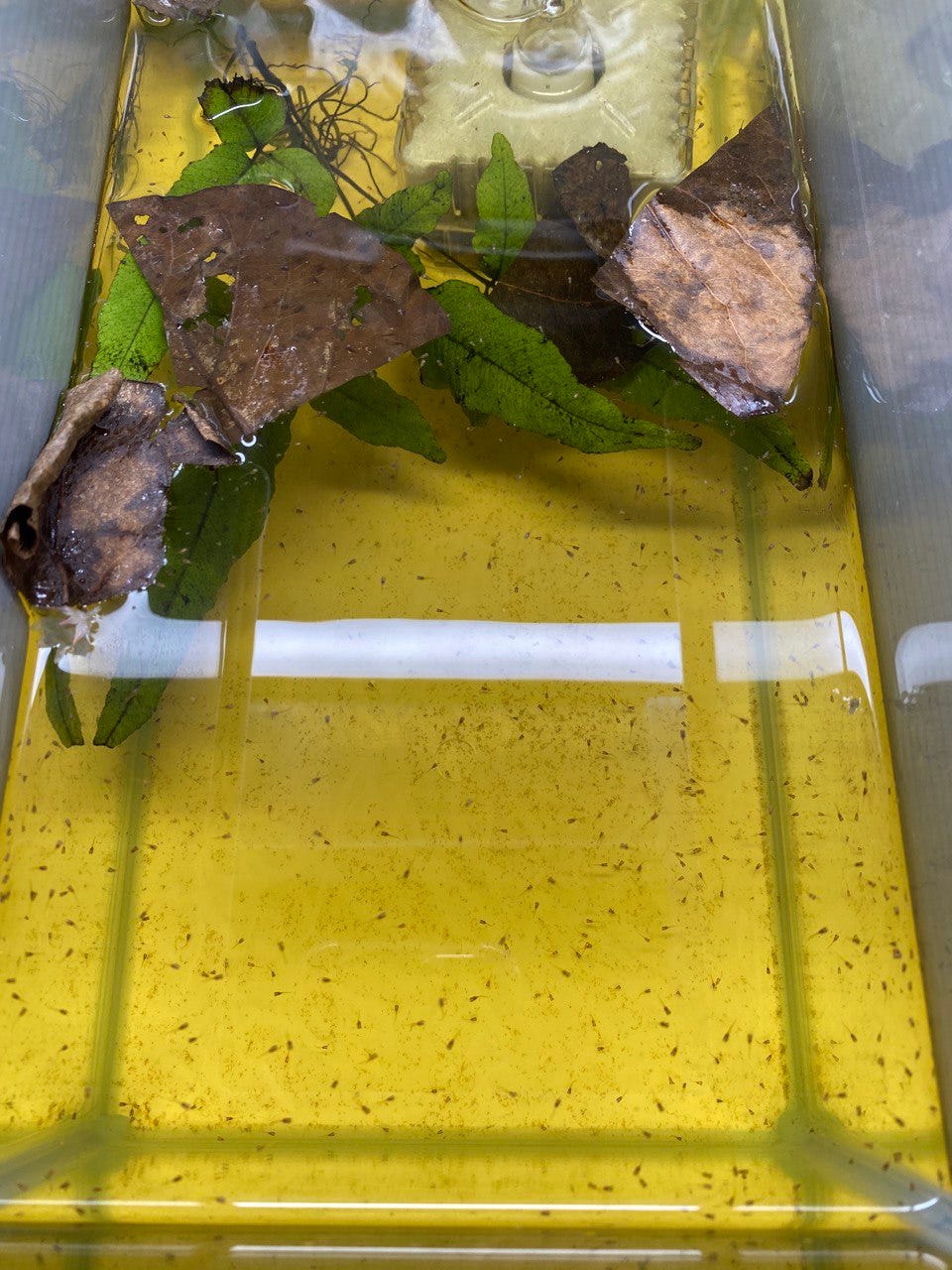
Choose a small tank for easy maintenance and monitoring. A tank between 5 to 10 gallons works well for betta fry. Avoid overcrowding by keeping fry numbers low.
- Tank size: 5 to 10 gallons
- Use a tank with a secure lid
- Place live plants for hiding spots
- Keep the tank in a quiet, stable area
Water Parameters
Stable water quality is vital for fry health. Keep temperature, pH, and hardness in safe ranges. Avoid sudden changes that stress young fish.
| Parameter | Ideal Range |
| Temperature | 78°F to 80°F (25.5°C to 26.5°C) |
| pH Level | 6.5 to 7.5 |
| Hardness | Soft to moderate (3-10 dGH) |
| Ammonia/Nitrite | 0 ppm (toxic if present) |
Filtration And Aeration
Use gentle filtration to keep water clean without harming fry. Strong currents can stress or injure them. Aeration keeps oxygen levels stable.
Follow these tips for filtration and aeration:
- Choose a sponge filter or gentle hang-on-back filter
- Adjust flow to low or use a spray bar
- Ensure steady air supply with an air pump
- Clean filters regularly but avoid full water changes
Feeding Strategies For Separated Fry
Feeding separated betta fry properly helps them grow healthy and strong. Different stages need different foods and care.
Proper feeding also means giving the right amount at the right times. This prevents problems and supports good development.
Suitable Foods At Different Stages
Young fry need tiny food they can easily eat. As they grow, their diet should change to meet new needs.
- First few days: Infusoria or liquid fry food
- After one week: Newly hatched brine shrimp and finely crushed flakes
- Two weeks and older: Larger live foods like baby daphnia or bloodworms
- Adult fry: Small pellets and frozen foods
Feeding Frequency
Young fry need frequent feeding because they grow fast and burn energy quickly.
| Age of Fry | Feeding Times per Day |
| 0-7 days | 4 to 6 times |
| 8-14 days | 3 to 4 times |
| 15 days and older | 2 to 3 times |
Avoiding Overfeeding
Overfeeding causes water pollution and health issues. Feed small amounts that fry can eat in a few minutes.
Tips to avoid overfeeding:
- Feed only what fry finish quickly
- Remove uneaten food after feeding
- Keep water clean with regular changes
- Use a small spoon or pipette for precise feeding
Monitoring Health And Growth
Betta fry need close monitoring to ensure they grow healthy. Watching for signs of disease and tracking growth is important.
Adjusting their environment helps prevent health issues. Let’s explore key aspects of monitoring their health and growth.
Signs Of Disease
Detecting disease early can save your betta fry. Look for physical changes or unusual behavior.
- Color changes or fading
- Clamped fins
- Loss of appetite
- Erratic swimming
Growth Rate Tracking
Tracking growth rates helps you ensure they are developing well. Measure their size regularly to monitor progress.
| Week | Average Size (cm) |
| 1 | 0.5 |
| 2 | 1.0 |
| 3 | 1.5 |
| 4 | 2.0 |
Adjusting Environment As Needed
The environment plays a crucial role in health and growth. It may need changes based on their condition.
pH Levels:Maintain a pH of 6.5 to 7.5 for optimal health.
Common Challenges And Solutions
Raising Betta fry can be tricky. They need special care to grow healthy. Knowing how to separate them is important.
This guide covers common challenges. It offers simple solutions for each problem.
Dealing With Aggression
Betta fry can be aggressive. They may fight each other. It’s important to separate them early.
Use clear dividers in the tank. This keeps them apart. Watch for signs of aggression daily.
- Use glass or plastic dividers
- Check for nipped fins
- Remove aggressive fry immediately
Managing Water Quality
Water quality affects Betta fry health. Poor water can make them sick. Keep the tank clean for best results.
Change part of the water weekly. Use a filter and heater. Monitor water temperature and pH regularly.
- Change 20% of water weekly
- Keep water at 78-80°F
- Maintain pH level around 7
Handling Fragile Fry
Betta fry are fragile. They need gentle handling. Use the right tools to move them safely.
Use a soft net or cup. Avoid sudden movements. Be gentle when transferring them.
- Use a soft, fine mesh net
- Transfer fry with a small cup
- Handle with care to avoid stress
Credit: medium.com
Frequently Asked Questions
How Do You Separate Betta Fry From Adult Fish?
Separate betta fry by transferring them to a smaller, divided tank or breeding box. This prevents adult fish from eating fry and reduces stress for the young bettas.
When Should Betta Fry Be Separated From The Mother?
Separate betta fry once they become free-swimming, usually after 5-7 days. This helps prevent aggression and ensures fry have enough space to grow safely.
What Equipment Is Best For Betta Fry Separation?
Use breeding boxes, small tanks, or mesh dividers for separation. These tools provide a safe environment, allowing water flow while keeping fry isolated from adults.
How Often Should Betta Fry Tanks Be Cleaned?
Clean betta fry tanks every 2-3 days with partial water changes. Maintain water quality without disturbing fry to promote healthy growth and reduce disease risks.
Conclusion
Separating betta fry helps keep them safe and healthy. Small tanks or containers work well for this task. Watch them closely to prevent fighting and stress. Clean water and gentle care speed up their growth. Use soft nets and avoid sudden moves during separation.
Patience is key for raising strong, happy betta fish. This simple step supports their survival and development. Try these techniques to give your fry the best start.