
Have you ever watched a guppy swim and wondered what it’s really thinking or feeling? Understanding guppy natural behavior can open up a whole new world right inside your aquarium.
When you learn to observe their movements, interactions, and habits, you’ll connect with your fish on a deeper level. This isn’t just about keeping a pet—it’s about discovering the secrets of their tiny lives. Stick with me, and you’ll see your guppies in a way you never have before.
Guppy Habitat And Environment
Guppies live in warm, fresh water in the wild. They come from rivers, streams, and small pools.
Understanding their natural habitat helps us keep them healthy in tanks.
Natural Water Conditions
Guppies prefer clean water with a temperature between 22 and 28°C (72-82°F). The water should be soft to moderately hard.
The pH level of their water is usually neutral to slightly alkaline, around 6.8 to 7.8.
- Temperature: 22-28°C (72-82°F)
- Water hardness: Soft to moderately hard
- pH range: 6.8 to 7.8
- Water flow: Slow-moving or still
Preferred Shelter Spots
Guppies like places with plants and hiding spots. These shelters protect them from predators.
They often hide among aquatic plants, rocks, or submerged roots in their natural habitat.
- Dense aquatic plants
- Rocks and crevices
- Submerged roots and branches
- Shallow water areas with cover
Social Grouping Patterns
Guppies live in groups called shoals. They feel safer and more active in groups.
In the wild, shoals usually have more females than males. Males show bright colors to attract mates.
- Shoals of 5 or more fish
- More females than males
- Males display colors to attract females
- Group living reduces stress and danger
Feeding Habits
Guppies are small freshwater fish known for their lively behavior. Their feeding habits help them survive in many environments.
Understanding how guppies eat can help us learn about their natural behavior and needs.
Diet In The Wild
In the wild, guppies eat a variety of foods. They mainly feed on small insects and plant matter.
Their diet includes algae, larvae, and tiny crustaceans found in their habitat.
- Algae and plant material
- Insect larvae like mosquito larvae
- Small crustaceans and zooplankton
- Detritus and organic debris
Foraging Techniques
Guppies use sight to find food near the water surface or plants. They swim actively to catch small prey.
They nibble on algae or pick small insects from leaves and debris. Guppies often feed in groups.
- Swimming near the surface to catch insects
- Nibbling algae from plants and rocks
- Picking tiny animals from water plants
- Feeding together in small groups for safety
Feeding Times And Frequency
Guppies eat several times a day. They feed mostly during daylight hours when food is easier to find.
They take small meals often to stay active and healthy in their environment.
- Multiple feeding sessions daily
- Active feeders during daylight
- Rest or hide at night
- Small, frequent meals help energy levels
Mating Rituals And Reproduction
Guppies have interesting behaviors during mating and reproduction. Observing these behaviors helps understand their life cycle.
Their mating rituals involve unique displays and actions to attract partners. Reproduction includes specific spawning habits and care for offspring.
Courtship Displays
Male guppies perform bright color displays to attract females. They swim in circles and show off their fins.
These displays signal health and strength. Females choose mates based on these visual cues.
- Males flare colorful fins
- Circle swimming around females
- Quick movements to gain attention
- Use of bright colors to impress
Spawning Behavior
Guppies are livebearers, meaning they give birth to live young. Females store sperm to fertilize eggs inside their bodies.
The female releases fully formed fry after about a month. She can have multiple broods from one mating.
- Internal fertilization
- Gestation lasts around 21-30 days
- Fry born alive and free-swimming
- Multiple broods possible without new mating
Parental Care
Guppies do not provide direct care after birth. Fry are independent and must find food and shelter quickly.
Adult guppies may eat their young, so fry hide in plants. Survival depends on hiding and quick movements.
- No feeding or protection by parents
- Fry hide among plants for safety
- High fry mortality due to predators
- Survival depends on quick escape

Credit: jungleaquatics.com
Communication And Interaction
Guppies use many ways to talk and interact with each other. They show different signs with body movements and colors.
Understanding their communication helps us learn how they behave in groups and in their homes.
Visual Signals
Guppies use colors and movements to send messages. Bright colors often mean health and strength.
Male guppies show off their colors to attract females. They also wave their fins to get attention.
Behavioral Cues
Guppies use body actions to tell others how they feel. Quick swimming shows excitement or nervousness.
When a guppy moves slowly or hides, it may feel scared or tired. These signs help keep the group safe.
- Fast swimming means alert or excited
- Hiding shows fear or stress
- Fin flicking can mean interest or warning
Territoriality And Aggression
Male guppies often protect small areas in the tank or pond. They defend these spots from others.
When two males meet, they may show aggression by chasing or flaring fins. This keeps their space safe.
- Chasing warns others to stay away
- Flaring fins makes them look bigger
- Quick darts show dominance
Adaptation And Survival Strategies
Guppies use many ways to survive in the wild. Their behavior helps them adapt to dangers and changes.
Studying guppy behavior shows how they avoid threats and live in different environments.
Predator Evasion
Guppies move quickly to escape predators. They swim in groups to confuse enemies.
They also watch for danger and hide when needed. Their quick reactions help them stay safe.
- Fast swimming
- Schooling behavior
- Hiding in plants or rocks
- Alertness to sudden movements
Environmental Changes
Guppies survive in many water conditions. They adjust to changes in temperature and water flow.
They can live in clear or murky water. Guppies change their activity to match the environment.
- Adapting to different water temperatures
- Handling changes in oxygen levels
- Swimming against or with currents
- Changing feeding times
Camouflage And Coloration
Guppy colors help them hide from predators. Their patterns blend with plants and water.
Males show bright colors to attract mates but stay cautious. Females have duller colors for better camouflage.
- Color patterns match surroundings
- Bright males balance attracting mates and hiding
- Duller females avoid predators easily
- Colors can change with environment
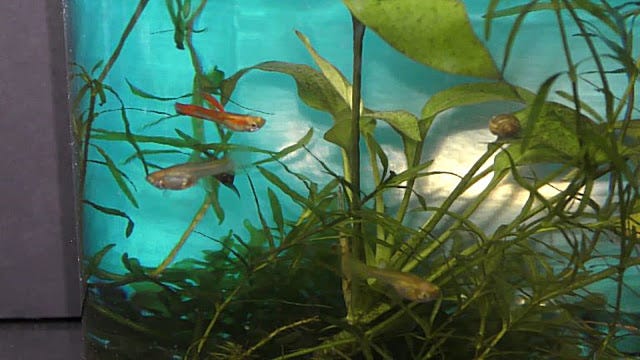
Credit: michael-langerman.medium.com
Daily Activity Patterns
Guppies are small, colorful fish that show interesting behaviors. They have patterns that vary based on their environment.
These patterns include periods of rest and movement. Light and temperature also influence their daily activities.
Resting And Movement Cycles
Guppies alternate between rest and activity. They rest at night and are active during the day.
- During rest, guppies find sheltered spots.
- They reduce their movement to conserve energy.
- In daylight, they explore and search for food.
Response To Light And Temperature
Light and temperature changes affect guppy behavior. They thrive in warm, well-lit environments.
| Condition | Behavior |
| Bright light | Increased activity |
| Low light | Reduced movement |
| Warm water | Active swimming |
| Cold water | Sluggish behavior |
Observing Guppy Behavior At Home
Guppies are fascinating fish to watch. Observing their behavior can teach us a lot. This guide will help you set up a tank and notice their actions.
Learn how to identify key behaviors and analyze what you see. It’s easy and fun to understand your guppies better.
Setting Up A Natural Tank
A natural tank helps guppies feel at home. Choose the right plants and decorations.
Make sure the water is clean and the temperature is just right. Proper lighting is also important for a healthy tank.
- Add live plants for oxygen and hiding spots
- Use a gentle filter to keep the water clean
- Maintain a temperature between 72-82°F
Identifying Key Behaviors
Guppies show many interesting behaviors. Look for how they swim and interact with each other.
Notice their feeding habits and how they react to changes in the tank. This will help you understand their needs better.
- Watch for schooling or solitary swimming
- Observe their feeding times and patterns
- Check for any signs of stress or illness
Recording And Analyzing Observations
Keep a journal of your guppies’ behavior. Write down what you see each day.
Analyze your notes to spot patterns or changes. This can help you improve their environment and care.
| Observation Date | Behavior Noted | Comments |
| 01/01/2024 | Swimming in groups | Healthy and active |
| 01/02/2024 | Less active | Changed water temperature |

Credit: michael-langerman.medium.com
Frequently Asked Questions
What Are Common Guppy Natural Behaviors To Observe?
Guppies display active swimming, schooling, and foraging behaviors. Males often show vibrant colors and chase females during mating. They also exhibit resting periods and explore tank areas. Observing these behaviors helps understand their health and social interactions in natural or aquarium settings.
How Do Guppies Interact With Each Other Naturally?
Guppies communicate through body language and color changes. Males compete for female attention by displaying fins and vibrant colors. They form loose social groups but can show territorial behavior. Understanding these interactions aids in managing tank dynamics and promoting healthy guppy communities.
Why Do Guppies Display Chasing Behavior?
Chasing is primarily a mating behavior where males pursue females to court. It can also indicate dominance or competition among males. This behavior is natural and helps ensure reproduction. Excessive chasing, however, might stress females, signaling the need to adjust tank conditions.
How Do Guppies Behave When Stressed Naturally?
Stressed guppies often hide, reduce activity, or lose color vibrancy. They may swim erratically or isolate themselves. Stress can result from poor water quality, overcrowding, or aggressive tank mates. Recognizing these signs is crucial for timely intervention and maintaining guppy well-being.
Conclusion
Observing guppy natural behavior helps us understand their needs better. Guppies show interesting actions like swimming patterns and social interactions. Watching them can be calming and fun. It also helps in creating a healthy environment for them. Simple observations lead to better care and happier fish.
Keep exploring their behavior to enjoy these small, lively creatures more. Every guppy has a unique way of living and playing. This knowledge benefits both the fish and the owner.