
If you want your betta fish to grow healthy and vibrant, the right diet is the key. What you feed your betta directly affects its color, energy, and lifespan.
Imagine watching your betta thrive with bright fins and strong movements every day. You’ll discover exactly what foods help your betta grow bigger and stronger. Keep reading to unlock simple, effective feeding tips that will transform your fish’s health and happiness.
Your betta deserves the best—let’s make sure it gets it.
Essential Nutrients For Betta
Bettas need a balanced diet to grow strong and stay healthy. Proper nutrition helps their colors shine and boosts their energy.
Feeding your betta with the right nutrients supports its immune system and helps with healing from injuries.
Proteins And Their Role
Proteins build muscle and repair body tissues. Bettas need high protein foods to grow and stay active.
- Insects and larvae are good natural protein sources.
- Pellets made for bettas usually contain fish meal for protein.
- Frozen or live foods like brine shrimp help with protein intake.
Fats And Oils Importance
Fats give bettas energy and help absorb vitamins. Healthy oils support brain and fin health.
| Fat Source | Benefit |
| Fish oil | Improves skin and fin condition |
| Flaxseed oil | Supports heart health |
| Krill oil | Boosts energy levels |
Vitamins And Minerals
Vitamins and minerals help bettas fight disease and keep their bodies working well.
- Vitamin C supports the immune system.
- Vitamin A helps with eyesight and skin.
- Calcium and phosphorus strengthen bones.
- Iron is important for blood health.
Credit: bettabotanicals.com
Top Foods For Growth
Betta fish need the right food to grow strong and healthy. Their diet should include a mix of live, frozen, and prepared foods. Each type offers different benefits for growth and vitality.
Choosing the best foods helps your betta develop bright colors and good energy. It also supports their immune system and overall well-being.
Live Foods Benefits
Live foods are natural and fresh, making them highly nutritious for bettas. They stimulate natural hunting behavior and provide essential proteins.
- Bloodworms: rich in protein and easy to digest
- Brine shrimp: promote growth and muscle development
- Daphnia: help with digestion and add variety
- Microworms: good for young bettas and fry
Frozen And Freeze-dried Options
Frozen and freeze-dried foods keep most nutrients intact. They are safer than live food and convenient to store and use. These options also reduce the risk of parasites.
| Type | Benefits | Examples |
| Frozen | High nutrition, fresh taste | Frozen bloodworms, frozen brine shrimp |
| Freeze-Dried | Long shelf life, easy feeding | Freeze-dried tubifex, freeze-dried daphnia |
High-quality Pellets And Flakes
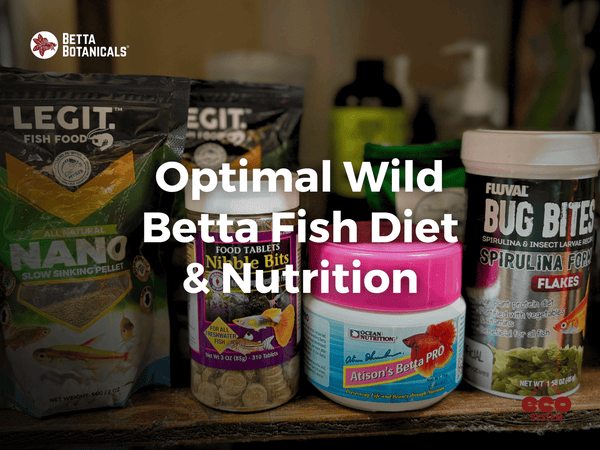
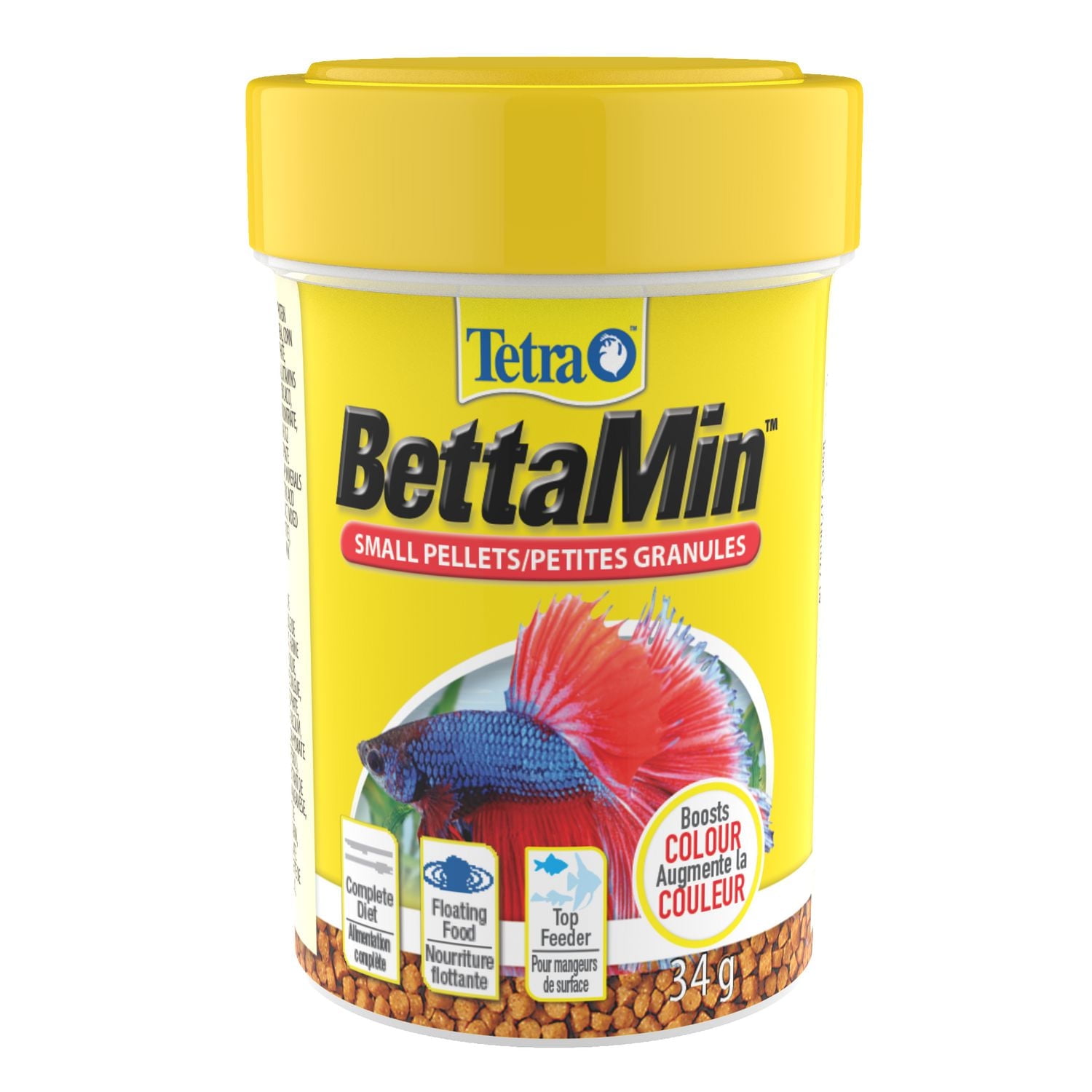
Pellets and flakes are balanced diets made for bettas. They contain vitamins and minerals needed for daily health. Feeding high-quality pellets supports steady growth.
- Choose pellets with high protein content
- Look for brands with added vitamins
- Use flakes to add variety occasionally
- Avoid fillers like corn or wheat
Feeding Frequency And Portions
Feeding your betta fish the right amount at the right time helps them grow healthy. Overfeeding or underfeeding can cause health problems.
Understanding how often and how much to feed supports your betta’s growth and energy levels.
Daily Feeding Schedule
Feed your betta two times each day, once in the morning and once in the evening. This keeps their metabolism steady.
- Feed small portions that your betta can finish in two minutes.
- Use high-quality betta pellets or flakes as the main diet.
- Offer live or frozen foods like brine shrimp once or twice a week.
Avoiding Overfeeding
Overfeeding causes water pollution and health issues like bloating. It is important to control portions carefully.
| Problem | Cause | Effect |
| Uneaten Food | Too much food given | Water pollution |
| Bloating | Excess feeding | Digestive problems |
| Fat Deposits | Overfeeding | Reduced swimming ability |
Signs Of Proper Nutrition
A well-fed betta shows bright colors, active swimming, and regular appetite. These signs mean your feeding routine is correct.
- Vibrant and rich body colors
- Quick response to food
- Healthy and smooth fins
- Consistent energy levels throughout the day
Boosting Color Through Diet
Betta fish show their best colors with the right diet. Certain foods help their colors shine bright. Feeding your betta properly keeps them healthy and colorful.
Color enhancement comes from natural ingredients in their food. These ingredients add pigments that make their fins and scales vivid. Let’s explore how diet affects betta color.
Carotenoids And Color Enhancement
Carotenoids are natural pigments found in many foods. They give red, orange, and yellow colors to bettas. These pigments cannot be made by the fish, so diet is key.
Foods rich in carotenoids help strengthen and brighten the fish’s colors. Without enough carotenoids, bettas may look dull or faded. Feeding carotenoid-rich foods regularly improves color.
Natural Color-boosting Ingredients
- Spirulina: A blue-green algae high in natural pigments.
- Krill: Small shrimp that contain astaxanthin, a strong carotenoid.
- Red peppers: Contain capsanthin, which supports red and orange shades.
- Carrots: Rich in beta-carotene for bright orange color.
- Bloodworms: Provide protein and help with color vibrancy.
Including these ingredients in your betta’s diet helps bring out their natural colors. Many commercial betta foods add some of these to improve appearance.
Supplements To Consider
| Supplement | Benefit | Usage |
| Astaxanthin | Enhances red and pink tones | Add to food or buy in pellets |
| Lutein | Supports yellow coloration | Mix with daily feedings |
| Vitamin A | Improves pigment absorption | Use in small doses regularly |
| Spirulina powder | Boosts overall color health | Sprinkle on food before feeding |
Common Feeding Mistakes
<pfeeding and="" betta="" can="" fish="" fish./wp:paragraph wp:paragraphUnderstanding common feeding errors can keep your betta happy. Avoid these mistakes to support your betta’s growth.
/wp:paragraph wp:heading {“level”:3}Overfeeding Risks
/wp:heading wp:paragraphGiving your betta too much food can cause problems. Overfeeding leads to water pollution and health issues for your fish.
/wp:paragraph wp:paragraphUneaten food decays and harms water quality. It can cause swim bladder problems and make your betta sick.
/wp:paragraph wp:list- Feed small portions once or twice daily
- Only give what your betta can eat in 2 minutes
- Remove leftover food quickly
Poor Food Quality Issues
/wp:heading wp:paragraphLow-quality food lacks nutrients your betta needs. Poor food can stunt growth and weaken the immune system.
/wp:paragraph wp:paragraphAlways choose food made for bettas with good ingredients. Avoid cheap flakes that break apart quickly.
/wp:paragraph wp:list- Look for high protein content
- Choose pellets designed for bettas
- Avoid fillers like corn or wheat
Ignoring Variety In Diet
/wp:heading wp:paragraphFeeding only one type of food limits your betta’s nutrition. Variety helps with balanced growth and vibrant colors.
/wp:paragraph wp:paragraphAdd different food types like frozen or live treats. These provide extra vitamins and keep your betta interested in eating.
/wp:paragraph wp:list- Use betta pellets as the main food
- Offer frozen bloodworms or brine shrimp sometimes
- Try freeze-dried treats for variety
Credit: www.walmart.ca
Special Diets For Betta Health
Bettas thrive on well-balanced diets. Their health improves with specific food choices. This guide helps in creating the best diet plan.
Learn about dietary needs for different betta life stages. Adjust feeding practices according to their health and environment.
Diet For Juvenile Bettas
Juvenile bettas need special care. Their growth relies on nutrient-rich foods. Provide them with a variety of options for balanced nutrition.
- Feed high-protein pellets
- Include live foods like brine shrimp
- Offer small portions several times a day
Feeding Sick Or Stressed Bettas
When bettas are sick or stressed, their appetite decreases. Adjust their diet to support recovery and reduce stress.
| Condition | Recommended Food |
| Sick | Frozen daphnia |
| Stressed | Bloodworms |
Seasonal Diet Adjustments
Bettas’ dietary needs change with seasons. During warmer months, their metabolism speeds up. Adjust their diet accordingly to maintain health.

Credit: www.amazon.com
Frequently Asked Questions
What Is The Best Diet For Betta Fish Growth?
The best diet for betta fish growth includes high-protein pellets, live or frozen foods like brine shrimp, and occasional bloodworms. A balanced diet supports their vibrant colors and active behavior. Avoid overfeeding to prevent health issues and maintain water quality.
How Often Should I Feed My Betta For Optimal Growth?
Feed your betta fish 2 to 3 times daily with small portions. Consistent feeding helps steady growth and prevents obesity. Remove uneaten food to keep the tank clean and ensure your betta gets fresh nutrition every time.
Can Bettas Eat Frozen Or Live Foods For Growth?
Yes, frozen and live foods like brine shrimp and bloodworms boost betta growth. These foods offer essential nutrients and protein that enhance health. Include them as part of a varied diet to keep your betta active and thriving.
Are Pellets Or Flakes Better For Betta Growth?
Pellets are better for betta growth because they contain balanced nutrients and are less messy. High-quality pellets provide essential proteins and vitamins. Flakes can be used occasionally but may pollute the water faster than pellets.
Conclusion
A healthy diet helps your betta fish grow strong and live longer. Feed them varied foods like pellets, frozen, and live treats. Avoid overfeeding to keep your betta active and happy. Clean water and a good tank environment support their growth too.
Watch your fish often to see how they respond to food. A balanced diet makes your betta colorful and energetic. Simple steps bring big benefits for your fish’s health. Care and proper feeding go hand in hand. Your betta deserves the best to thrive.