
Are you thinking about adding guppies to your aquarium but unsure how big your guppy school should be? Choosing the right number of guppies can make a huge difference in their happiness and health.
Too few, and your fish might feel lonely; too many, and your tank could become overcrowded. In this guide, you’ll discover exactly how to size your guppy school for a vibrant, lively tank that keeps your fish thriving. Keep reading to unlock the secrets to creating the perfect guppy community!

Credit: jungleaquatics.com
Ideal Guppy School Size
Guppies are social fish that thrive in groups. Choosing the right school size helps them stay happy and healthy.
A proper group size supports natural behavior and reduces stress for guppies in your aquarium.
Minimum Number For Social Behavior
Guppies need a group to feel safe and interact. A small group of fewer than three is not enough.
At least five guppies create a good social environment. This number helps them show natural behaviors.
- Five or more guppies make a healthy school
- Small groups cause stress and hiding
- Large groups reduce aggression
Balancing Male And Female Guppies
Male guppies are colorful and active. Females are larger and less colorful.
Keeping more females than males lowers male aggression. It creates a peaceful tank.
- One male for every two or three females
- Too many males cause stress and fighting
- Balanced groups help guppies stay calm
Benefits Of Proper School Size
Choosing the right school size for your guppy fish is very important. It helps keep them healthy and happy.
A proper school size supports natural behaviors and reduces problems like stress and fighting.
Reducing Stress And Aggression
Guppies feel safer in a group with the right number of fish. This lowers their stress levels.
When there are too few or too many guppies, they may become aggressive. Proper school size helps prevent this.
- Less fighting among guppies
- Reduced hiding and fear behaviors
- More peaceful tank environment
Enhancing Natural Activity
Guppies are active fish that like to swim and explore. Proper group size encourages this natural activity.
A good school size allows guppies to interact and move freely, which keeps them healthy and happy.
- More swimming and play behavior
- Better social interaction among guppies
- Improved overall well-being
Tank Size And Population Density
Guppies are small fish that need enough space to swim and grow. The size of the tank affects how many guppies it can hold.
Population density means how many guppies live in one tank. Too many fish can cause stress and poor water quality.
Space Requirements Per Guppy
Each guppy needs space to swim freely. A small tank can hold only a few guppies safely.
The general rule is one gallon of water per guppy. Larger tanks help keep fish healthy.
- 1 guppy needs at least 1 gallon of water
- A 10-gallon tank holds about 10 guppies
- Bigger tanks reduce stress and improve health
Avoiding Overcrowding
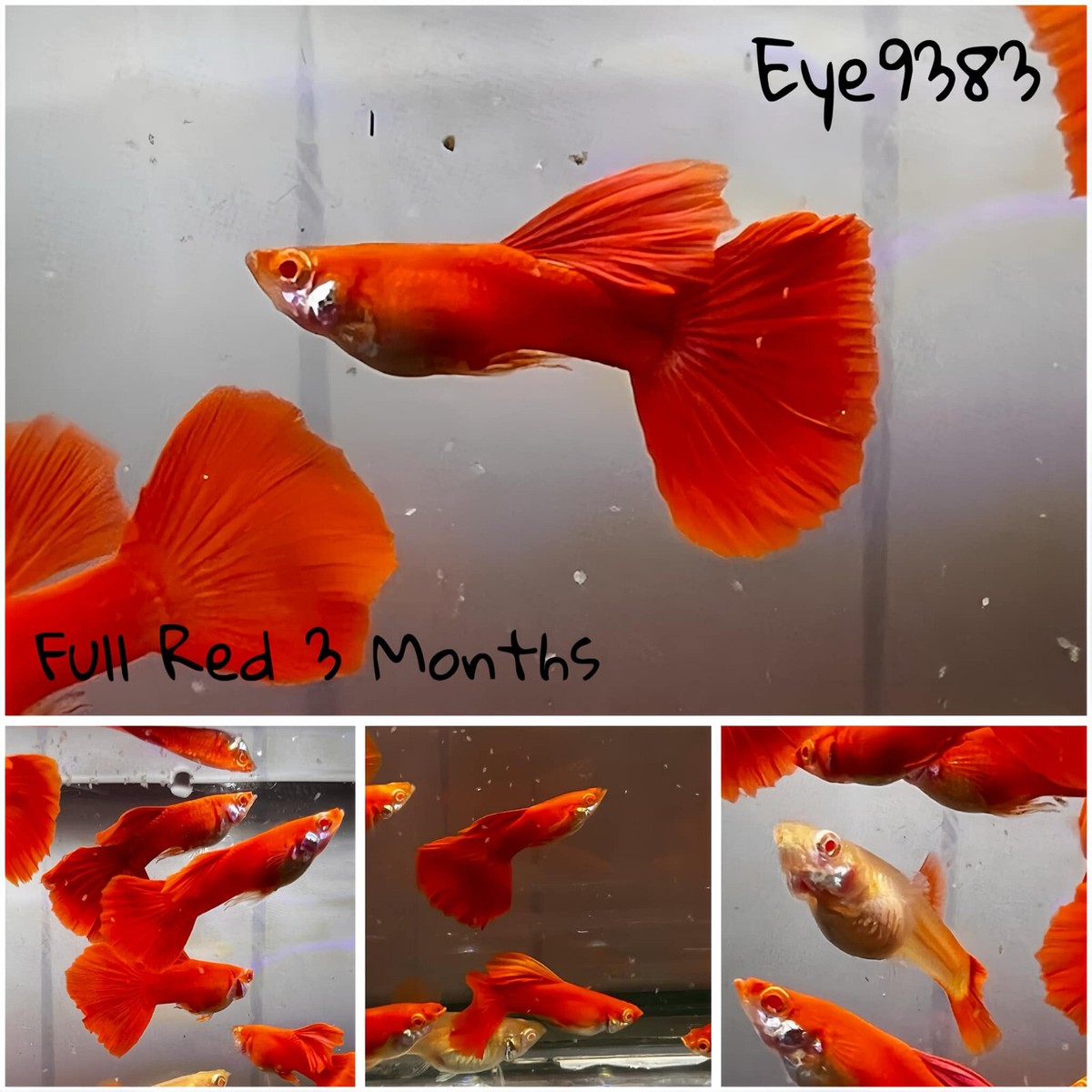
Overcrowding happens when too many guppies live in a small tank. This causes poor water quality and fights.
Watch for signs like gasping fish or cloudy water. Keep the population balanced to avoid problems.
- Limit fish to one per gallon of water
- Change water regularly to keep it clean
- Use filters to improve water quality
- Remove sick or dead fish quickly
Credit: www.ebay.com
Feeding Strategies For Groups
Feeding guppies in groups needs careful planning. Proper feeding keeps all fish healthy and happy.
Group feeding helps avoid fights and ensures every guppy gets enough food.
Ensuring Equal Food Distribution
Guppies can be shy or aggressive during feeding. This can cause some fish to eat more than others.
Use small, spread-out portions to help all fish reach the food. This reduces competition.
- Feed small amounts in different spots
- Use sinking pellets to reach bottom fish
- Watch for dominant fish blocking others
- Remove leftover food to prevent water issues
Feeding Frequency And Quantity
Feed guppies two to three times a day. Too much food can pollute the tank.
Give only what they can eat in two minutes. This keeps the tank clean and fish healthy.
- Offer small portions each feeding
- Adjust amount based on fish activity
- Skip feeding once a week to clear their system
- Use varied food for balanced nutrition
Monitoring Health And Behavior
Watching your guppy school closely helps keep the fish healthy. It also shows if they are happy in their environment.
Good monitoring can prevent problems before they get worse. It also helps you know if the school size is right.
Signs Of Stress In Guppy Schools
Guppies show signs when they feel stressed. Spotting these signs early can protect their health.
Stress can come from too many fish or poor water conditions. Watch for changes in behavior and appearance.
- Guppies hiding more than usual
- Loss of color or dull appearance
- Rapid breathing or gasping at the surface
- Less active swimming or staying at the bottom
- Aggressive chasing or nipping between fish
- Reduced appetite or not eating
Adjusting School Size When Needed
Changing the number of guppies can improve their health. If you see stress signs, think about adjusting the school size.
Too many fish can cause stress. Removing some guppies or giving them a bigger tank helps them feel better.
- Count fish regularly to avoid overcrowding
- Move some guppies to another tank if needed
- Ensure enough space for swimming and hiding
- Keep water clean and check quality often
- Observe fish behavior after adjusting the school size
Compatibility With Other Fish
Guppies are social fish. They enjoy living with other species. Choosing the right tank mates is important for their happiness.
Some fish get along well with guppies. Others may cause stress. It’s essential to know which fish are compatible.
Choosing Tank Mates
When selecting tank mates, consider the behavior and size of the fish. Peaceful and similar-sized fish are usually good choices.
- Neon Tetras: Small and peaceful, they mix well with guppies.
- Corydoras Catfish: Gentle bottom dwellers that keep to themselves.
- Platies: Friendly and active, they share similar water needs.
Impact On Guppy School Dynamics
The presence of other fish affects guppy behavior. Compatible tank mates help maintain peace and balance in the tank.
Choose wisely to keep your guppy school happy and thriving.
Tips For Breeding In Schools
Breeding guppies in schools can be fun and rewarding. It helps to maintain a balanced and healthy aquarium environment.
Understanding the dynamics of guppy behavior is key. Here are some tips to ensure successful breeding in schools.
Managing Male Competition
Male guppies often compete for females, which can be stressful. Reducing stress improves breeding success.
- Keep a higher ratio of females to males.
- Provide hiding spots for females.
- Observe and separate aggressive males if needed.
Protecting Fry In A Community Tank
Fry are vulnerable in community tanks. Ensuring their safety is crucial for their survival and growth.
| Protection Method | Benefit |
| Use breeder boxes | Prevents fry from being eaten |
| Add plants | Provides hiding spots |
| Feed adults well | Reduces predation risk |

Credit: jungleaquatics.com
Frequently Asked Questions
What Is The Ideal Size For A Guppy School?
The ideal guppy school size is 6 to 10 fish. This size reduces stress and encourages natural behavior. Smaller groups may feel insecure, while larger schools need more space and maintenance.
Why Keep Guppies In Groups, Not Alone?
Guppies are social fish and thrive in groups. Keeping them alone causes stress and dull colors. A group helps them feel safe and active, promoting health and happiness.
How Much Space Does A Guppy School Need?
A guppy school of 6 requires at least 10 gallons of water. More fish need larger tanks to prevent overcrowding and maintain water quality. Proper space supports growth and activity.
Can Too Many Guppies Harm The Tank Environment?
Yes, overcrowding leads to poor water quality and stress. Too many guppies increase waste and reduce oxygen. Maintaining the right number ensures a healthy, balanced tank ecosystem.
Conclusion
Choosing the right guppy school size keeps fish happy and healthy. Small groups may feel lonely or stressed. Larger groups help guppies swim and play naturally. Watch your tank size to avoid overcrowding. Keep water clean and feed them well.
Observe how guppies interact to adjust group size. A balanced school creates a peaceful aquarium. Enjoy the lively, colorful display of your guppy friends. Simple care and the right number make all the difference.