
Are you struggling to find the perfect tankmates for your cichlids? Picking compatible fish can make or break your aquarium’s harmony.
You want to avoid constant fighting, stress, and even loss of your favorite fish. In this guide, you’ll discover which species get along well with cichlids and which ones to avoid. By the end, you’ll feel confident creating a peaceful, vibrant tank that your cichlids—and you—will love.
Keep reading to unlock the secrets of a thriving cichlid community!
Choosing Tankmates For Cichlids
Cichlids are popular fish known for their bright colors and strong personalities. Choosing the right tankmates helps keep peace in your aquarium.
Not all fish get along with cichlids. Careful choice improves the health and happiness of all fish in the tank.
Factors Affecting Compatibility
Compatibility depends on many factors. These include water conditions, fish size, and temperament.
- Water temperature and pH must suit all fish.
- Size differences can cause bullying or eating smaller fish.
- Some cichlids are very territorial.
- Dietary needs should match to avoid food fights.
Behavioral Traits To Consider
Cichlids show many behaviors that affect tank harmony. Understanding these traits helps pick good tankmates.
| Behavior | Description | Effect on Tankmates |
| Aggression | Some cichlids defend territory fiercely. | May attack peaceful or smaller fish. |
| Social | Some enjoy company and school in groups. | Better with other social fish of similar size. |
| Breeding | Parents guard eggs and fry aggressively. | Other fish may be chased away. |
| Activity Level | Some cichlids are very active swimmers. | Active fish need room and similar tankmates. |
Tank Size And Environment
Adequate tank size reduces stress and fighting. Environment setup matters too.
Tips for tank environment:
- Use rocks and caves for hiding spots.
- Keep water clean and stable.
- Provide enough space for each fish to claim territory.
- Choose plants that can handle cichlid activity.
Peaceful Cichlid Species
Choosing peaceful cichlids helps keep your aquarium calm. These fish get along well with others.
Peaceful cichlids come in many types and colors. They add beauty without causing stress.
South American Cichlids
South American cichlids often stay peaceful. They live in slow rivers and lakes in the wild.
Examples include angelfish and keyhole cichlids. They do well with other calm fish.
- Angelfish have tall bodies and long fins.
- Keyhole cichlids have a unique spot on their side.
- These fish prefer warm, soft water.
Dwarf Cichlids
Dwarf cichlids are small and shy. They stay peaceful if given enough space.
They like hiding spots and plants. Examples include Apistogramma and Rams.
- Apistogramma are colorful and active.
- Dwarf cichlids need clean water.
- Keep them in groups to reduce stress.
Ram Cichlids
Ram cichlids are peaceful and small. They have bright colors and gentle behavior.
They like warm water and soft plants. They do well with other peaceful fish.
- German Blue Rams are popular and colorful.
- Bolivian Rams are less bright but very calm.
- They need hiding places for comfort.
Non-cichlid Compatible Species
Choosing the right tankmates for cichlids is essential. Some species live peacefully with them.
Let’s explore non-cichlid species that make good companions. This ensures a harmonious aquarium environment.
Tetras And Their Varieties
Tetras are popular due to their vibrant colors and peaceful nature. They are great tankmates for cichlids.
- Neon Tetras
- Cardinal Tetras
- Rummy Nose Tetras
Catfish Options
Catfish can thrive alongside cichlids. They help keep the tank clean by eating leftover food.
| Catfish Type | Size |
| Corydoras | 2-3 inches |
| Plecostomus | Up to 24 inches |
| Otocinclus | 1-2 inches |
Livebearers For Community Tanks
Livebearers are lively and adaptable. They coexist well with cichlids in a community tank.
- Guppies
- Mollies
- Platies

Credit: www.youtube.com
Creating A Balanced Aquarium
Choosing the right tankmates for cichlids is key to a peaceful aquarium. A balanced tank keeps fish healthy and happy.
This guide helps you pick compatible species and manage their environment well.
Aquascaping Tips
Aquascaping creates spaces that reduce fights between cichlids and other fish. Rocks and plants help break lines of sight.
Use caves, tall plants, and hiding spots to give fish places to rest and escape.
- Place rocks to form separate territories
- Add sturdy plants for cover and shelter
- Include caves or tunnels for hiding
- Avoid open spaces that cause stress
Managing Territories
Cichlids can be territorial and aggressive. Set clear boundaries using decorations and tank layout.
Keep enough space between fish to lower fights. Watch for signs of stress or bullying.
- Use rocks and plants to mark territories
- Do not overcrowd the tank
- Separate aggressive fish if needed
- Observe fish behavior daily
Feeding Strategies
Feed fish small amounts several times a day. This reduces competition and aggression during feeding.
Offer varied food types to meet all cichlids’ dietary needs. Use sinking and floating foods to reach all fish.
- Feed 2-3 times daily in small portions
- Use pellets, flakes, and frozen foods
- Place food in different tank areas
- Remove uneaten food to keep water clean
Common Compatibility Issues
Cichlids are popular fish, but they can be aggressive. Not all tankmates get along with cichlids. Some fish may fight or stress out.
Knowing common problems helps keep your tank peaceful. You can avoid fights and stress by choosing the right tankmates.
Signs Of Aggression
Cichlids show aggression in many ways. They may chase or bite other fish. Look for torn fins or hiding tankmates.
Other signs include color changes and constant chasing. Aggression can harm or kill fish if ignored.
- Chasing and nipping fins
- Fish hiding or swimming away
- Damaged fins or scales
- Color darkening or flashing
Preventing Stress
Stress weakens fish and causes disease. To prevent stress, give cichlids enough space. Overcrowding makes fights worse.
Use decorations to create hiding spots. Keep water clean and stable. Feed fish a healthy diet to keep them calm.
- Provide plenty of room to swim
- Add rocks and plants for hiding
- Maintain clean, stable water
- Feed balanced food regularly
Handling Conflicts
If fish fight, separate the aggressive ones. Use a divider or move fish to another tank. Watch tankmates closely after changes.
Sometimes rearranging decorations helps. Removing the dominant fish might be needed. Keep calm and act fast to save all fish.
- Separate aggressive fish quickly
- Use tank dividers if possible
- Rearrange tank decorations
- Remove dominant fish if needed

Credit: m.youtube.com
Maintenance For Peaceful Coexistence
Keeping cichlids and their tankmates happy needs careful care. Proper maintenance helps fish live together calmly.
This guide covers key steps to maintain a peaceful tank environment for your cichlids.
Water Quality Management
Clean water is vital for all fish. Regular testing keeps water safe and healthy.
- Test pH, ammonia, nitrite, and nitrate levels weekly.
- Change 20% to 30% of water every week.
- Use a good filter to remove waste and toxins.
- Avoid overfeeding to reduce water pollution.
Regular Health Checks
Watch your fish daily to spot illness early. Healthy fish stay calm and active.
| Symptom | Possible Cause | Action |
| Faded colors | Stress or poor water | Check water and reduce stress |
| Clamped fins | Infection or parasites | Isolate and treat affected fish |
| Erratic swimming | Illness or poor water | Test water and observe closely |
| Loss of appetite | Stress or disease | Improve diet and tank conditions |
Adjusting Stocking Levels
Too many fish cause fights and stress. Keep stocking balanced for peace.
Follow these tips to adjust stocking:
- Know the adult size of each fish species.
- Allow at least 10 gallons of water per adult fish.
- Separate aggressive fish or species that do not get along.
- Add hiding places to reduce stress and fights.
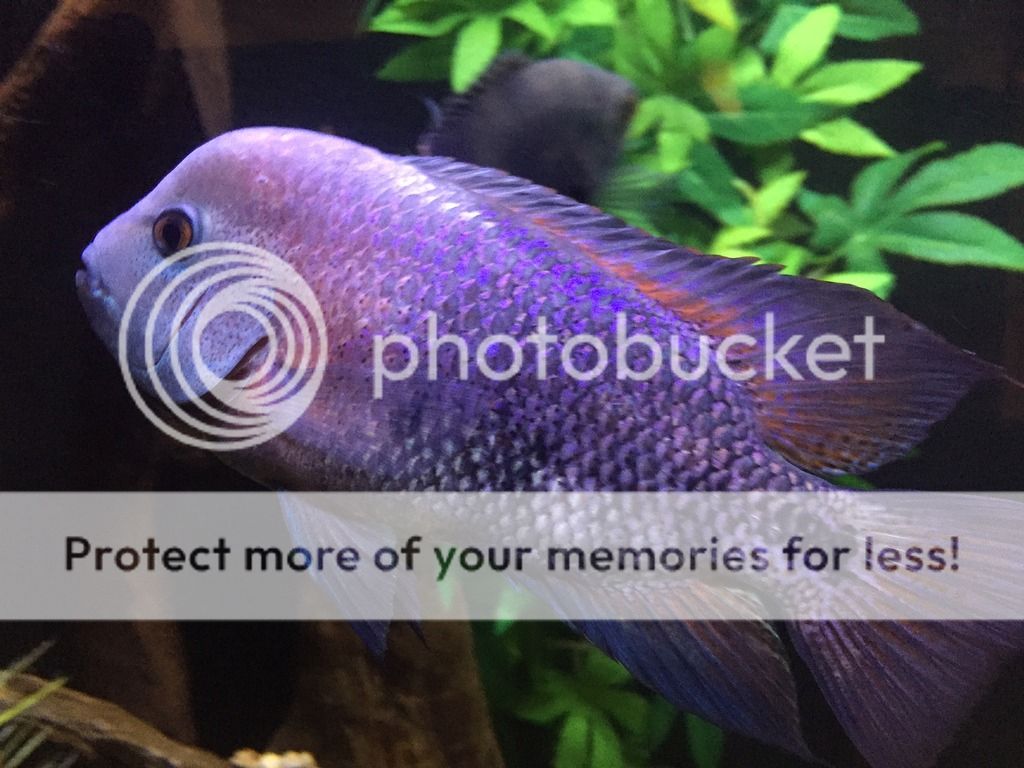
Credit: www.monsterfishkeepers.com
Frequently Asked Questions
What Fish Species Are Best Tankmates For Cichlids?
Peaceful and similarly sized fish like catfish, rainbowfish, and some tetras are ideal cichlid tankmates. Avoid small, slow-moving fish as cichlids can be aggressive. Compatibility depends on water parameters and temperament of each species.
Can Cichlids Live With Other Aggressive Fish?
Mixing cichlids with other aggressive fish is risky. Aggression levels can escalate, causing stress or injury. It’s best to keep similarly aggressive or territorial species together and provide ample hiding spaces to reduce conflicts.
How Many Cichlids Can Fit In One Tank?
Tank size and cichlid species determine capacity. Generally, allow 10 gallons per inch of fish. Overcrowding causes stress and aggression, so provide enough space and hiding spots for each cichlid.
Do Cichlid Tankmates Need Similar Water Conditions?
Yes, compatible tankmates must thrive in similar temperature, pH, and hardness. Cichlids prefer warm, slightly alkaline water. Mismatched water conditions cause stress and health problems, reducing compatibility.
Conclusion
Choosing the right tankmates helps keep your cichlids calm and healthy. Peaceful fish with similar needs work best together. Avoid aggressive or very small fish that may cause stress. Proper space and hiding spots reduce fights and harm. Watching your fish daily helps spot problems early.
A happy tank means happy fish. Enjoy creating a balanced, lively aquarium for your cichlids.