
Are you curious about adding vibrant, lively fish to your aquarium? Cichlids might be exactly what you’re looking for.
These colorful fish are known for their unique behaviors and striking patterns that can turn any tank into a captivating underwater world. Whether you’re a beginner or an experienced fish keeper, understanding cichlids can help you create a stunning and thriving aquatic environment.
Keep reading to discover what makes cichlids so special and how you can care for them with confidence.
Cichlid Species Varieties
Cichlids are a diverse group of freshwater fish. They come in many shapes, sizes, and colors. People enjoy keeping them in home aquariums because of their unique traits.
This guide covers popular types of cichlids, their color patterns, and their size and behavior. Learning these details helps you understand and care for these fish better.
Popular Types
There are many kinds of cichlids. Some are from Africa, while others come from South America. Each type has special features that make it stand out.
- African Cichlids: Known for bright colors and active swimming.
- South American Cichlids: Often larger and have varied shapes.
- Central American Cichlids: Known for strong parental care.
- Dwarf Cichlids: Small size, good for smaller tanks.
Color Patterns
Cichlids display many color patterns. These patterns help them hide or attract mates. Some change color as they grow or during breeding.
| Color Pattern | Description |
| Striped | Vertical or horizontal lines on the body |
| Spotted | Small spots scattered across fins and body |
| Solid | One main color without marks |
| Marbled | Mixed colors with irregular shapes |
| Bright | Vivid colors like red, blue, and yellow |
Size And Behavior
Cichlids vary in size from small to quite large. Their behavior can be peaceful or aggressive. Knowing this helps you create a good tank environment.
- Small cichlids grow up to 3 inches. They are usually peaceful.
- Medium cichlids reach 6 to 8 inches and can be territorial.
- Large cichlids grow over 10 inches and often need more space.
- Many cichlids show strong care for their eggs and young.
- Some species defend their territory fiercely.

Credit: fantaseaaquariums.com
Setting Up A Cichlid Aquarium
Cichlids are colorful and active fish. They need a special tank to live well. Setting up their aquarium right helps them stay healthy and happy.
This guide covers tank size, water conditions, and decorations. Follow these tips to create a good home for your cichlids.
Tank Size Recommendations
Cichlids need enough space to swim and show natural behavior. The tank size depends on the species and number of fish.
- Small cichlids: at least 30 gallons
- Medium cichlids: 50 to 75 gallons
- Large cichlids: 75 gallons or more
- Keep fewer fish in smaller tanks to reduce stress
Water Conditions
Cichlids need clean water with stable conditions. Check temperature, pH, and hardness regularly to keep fish healthy.
| Parameter | Ideal Range |
| Temperature | 74°F to 82°F (23°C to 28°C) |
| pH Level | 6.5 to 8.0 |
| Water Hardness | Moderate to hard |
| Ammonia & Nitrite | 0 ppm |
Substrate And Decorations
Cichlids like tanks that look natural. Use the right substrate and decorations to help them feel safe and reduce fighting.
- Use sand or fine gravel as substrate
- Add rocks and caves for hiding spots
- Include sturdy plants or artificial plants
- Arrange decorations to create territories
- Avoid sharp objects to prevent injuries
Feeding Cichlids
Cichlids are colorful and active fish that need good food to stay healthy. Feeding them the right way helps them grow strong and show their best colors.
Knowing what to feed and how often is key to keeping your cichlids happy. This guide covers their diet, feeding times, and how to avoid overfeeding.
Diet Essentials
Cichlids need a balanced diet with protein, veggies, and vitamins. Some types eat more meat, others like plants. You can feed them pellets, flakes, or live food.
- High-quality cichlid pellets or flakes
- Frozen or live brine shrimp and bloodworms
- Vegetables like spinach, peas, or zucchini
- Occasional treats like chopped earthworms
Feeding Frequency
Feed adult cichlids once or twice a day. Young cichlids need food three times daily for growth. Watch how much they eat to keep them healthy.
| Age | Feeding Times per Day | Portion Size |
| Juvenile | 3 | Small amounts |
| Adult | 1-2 | Moderate amounts |
| Breeding | 2-3 | Increased amounts |
Avoiding Overfeeding
Too much food can cause water problems and sick fish. Feed only what your cichlids eat in 3 to 5 minutes. Remove leftovers after feeding time.
- Feed small portions each time
- Use a feeding schedule and stick to it
- Observe your fish to adjust the amount
- Clean the tank regularly to remove waste
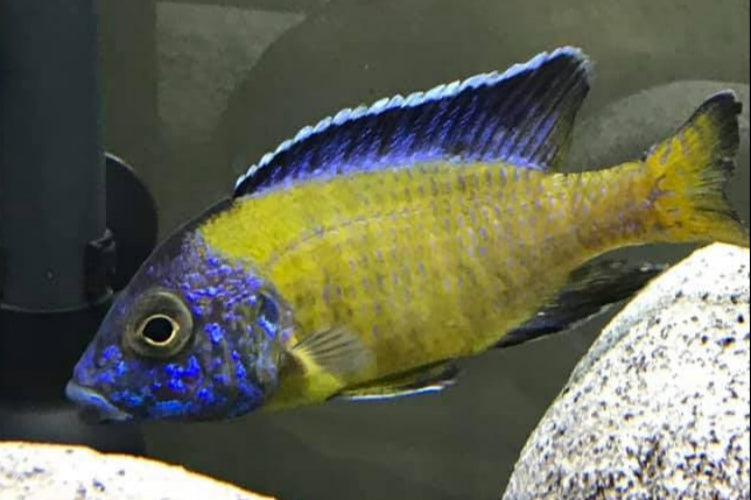
Credit: ronscichlids.com
Maintaining Water Quality
Maintaining water quality is essential for the health of cichlids. Proper care ensures a thriving aquatic environment.
Clean water prevents disease and supports the natural behavior of these vibrant fish.
Filtration Systems
A good filtration system keeps water clear and removes waste. It mimics natural water flow in their habitat.
- Mechanical filters trap debris.
- Chemical filters remove toxins.
- Biological filters maintain beneficial bacteria.
Regular Water Changes
Regular water changes are crucial for diluting pollutants. They help in keeping the water parameters stable.
Replace 20% of the tank water weekly. Use dechlorinated water to ensure safety for the fish.
Monitoring Parameters
Monitoring water parameters helps in detecting problems early. It keeps the environment safe for cichlids.
| Parameter | Ideal Range |
| pH Level | 6.5 – 8.0 |
| Temperature | 75°F – 82°F |
| Ammonia | 0 ppm |
Cichlid Behavior And Social Structure
Cichlids are known for their interesting behaviors and strong social ties. They show clear patterns in how they act and interact.
Understanding their behavior helps keep them healthy and happy in an aquarium or natural habitat.
Territorial Traits
Cichlids often defend a space they call their own. They use this area to find food and protect themselves.
- They mark their territory with body movements and colors.
- Some species dig pits or clear spaces in the tank or riverbed.
- They chase away other fish that enter their space.
- Territorial fights can happen but usually avoid serious harm.
Breeding Habits
Cichlids have unique ways to breed that vary by species. Many show strong care for their eggs and young.
- They choose safe spots like caves or flat rocks for laying eggs.
- Both parents often guard and clean the eggs.
- Parents protect young fish from predators until they can swim well.
- Some species carry eggs or fry in their mouths for safety.
Compatibility With Other Fish
Cichlids may or may not get along with other fish. It depends on their species and tank setup.
| Fish Type | Compatibility Level | Notes |
|---|---|---|
| Other Cichlids | Medium to High | Can be territorial but often coexist in groups |
| Peaceful Fish | Low | Cichlids may bully or chase smaller, calm fish |
| Fast Swimmers | Medium | Can avoid conflicts by quick movement |
| Bottom Dwellers | High | Usually ignored by cichlids |
Common Health Issues
Cichlids are colorful and popular fish in home aquariums. Like all fish, they can face health problems. Knowing common issues helps keep them healthy.
Watch your cichlids carefully for signs of illness. Early detection can prevent serious problems.
Signs Of Illness
Sick cichlids show changes in behavior and appearance. Look for these signs to spot illness early.
- Loss of appetite or refusal to eat
- Unusual swimming patterns or lethargy
- Faded or blotchy colors
- Clamped fins or frayed fin edges
- White spots or patches on skin
- Gasping at the water surface
- Rapid gill movement or labored breathing
- Swollen or bloated body
Preventive Measures
Prevention is key to avoiding health problems in cichlids. Keeping their environment clean helps a lot.
| Preventive Action | Reason |
| Regular water changes | Remove waste and toxins |
| Maintain proper water temperature | Reduce stress and disease risk |
| Use water conditioner | Neutralize harmful chemicals |
| Feed balanced diet | Support strong immune system |
| Quarantine new fish | Prevent spreading diseases |
| Clean tank regularly | Prevent algae and bacteria growth |
Treatment Options
Treating sick cichlids quickly improves their chances of recovery. Use correct medicines and care.
- Identify the illness by observing symptoms
- Isolate the sick fish in a quarantine tank
- Use medicated food or water treatments
- Follow dosage instructions carefully
- Keep water clean and stable during treatment
- Monitor fish daily for improvement
- Repeat treatment if necessary
Breeding Cichlids
Cichlids are popular fish for breeding because of their bright colors and interesting behaviors. Breeding them can be fun and rewarding with the right setup.
Understanding their needs and how to care for the young fish helps ensure success. This guide covers spawning conditions, caring for fry, and raising juveniles.
Spawning Conditions
Cichlids need clean water and a stable environment to spawn. The tank should have hiding places like rocks or plants for the pair.
Keep the water temperature between 75 and 80 degrees Fahrenheit. The pH level should be slightly alkaline, around 7.5 to 8.5.
- Use a tank of at least 20 gallons
- Maintain good water quality with regular changes
- Provide flat surfaces or caves for egg laying
- Keep the lighting moderate and consistent
Caring For Fry
Fry are baby cichlids that hatch from eggs. They need clean water and gentle feeding to grow healthy.
Feed fry small foods like crushed flakes or baby brine shrimp several times a day. Keep the tank calm to avoid stress.
- Change 10-20% of water daily
- Feed tiny, frequent meals
- Remove any uneaten food quickly
- Watch for signs of illness or stress
Raising Juveniles
Juvenile cichlids grow fast and need space to swim. Use a larger tank to avoid overcrowding and aggression.
Feed them a varied diet with pellets, flakes, and live food. Monitor their growth and separate any aggressive fish.
- Provide at least 30 gallons as they grow
- Feed quality food twice a day
- Keep water clean with regular changes
- Watch for bullying and separate if needed
Enhancing Cichlid Colors
Cichlids are vibrant fish that bring life to any aquarium. Enhancing their colors can make them even more stunning.
Explore ways to boost their natural beauty through lighting, diet, and reducing stress.
Lighting Tips
Proper lighting is key to showcasing cichlid colors. It mimics their natural habitat.
- Use full-spectrum LED lights
- Maintain a regular light cycle
- Avoid direct sunlight to prevent algae
Dietary Boosters
A balanced diet enhances cichlid colors. Feed them a variety of foods.
| Food Type | Benefits |
| Spirulina | Enhances blue and green hues |
| Carotenoids | Boosts red and orange tones |
| Protein-rich pellets | Supports overall health |
Stress Reduction
Stress can dull cichlid colors. Keeping stress low helps maintain their vibrancy.
- Provide plenty of hiding spots
- Keep tank mates compatible
- Minimize loud noises and disturbances

Credit: fantaseaaquariums.com
Frequently Asked Questions
What Are Cichlids And Why Are They Popular?
Cichlids are a diverse family of freshwater fish known for vibrant colors. They are popular in aquariums due to their unique behaviors and striking appearance.
How Do I Care For Cichlids In An Aquarium?
Maintain clean water with regular changes. Provide a spacious tank and a balanced diet. Monitor water temperature and pH for optimal health.
What Is The Ideal Tank Size For Cichlids?
A minimum of 30 gallons is recommended for small cichlids. Larger species require 55 gallons or more to thrive comfortably.
Can Cichlids Live With Other Fish Species?
Some cichlids are aggressive and may not coexist well. Choose compatible tank mates and provide hiding spaces to reduce conflicts.
Conclusion
Cichlids offer vibrant colors and lively behavior for fish lovers. They adapt well to home aquariums with proper care. Choosing the right tank size and water conditions matters a lot. Feeding them varied food keeps cichlids healthy and active. Watching their unique personalities grow brings joy every day.
Start small, learn about their needs, and enjoy the experience. Cichlids can brighten any room and spark curiosity. A rewarding hobby awaits those who care for these fish.