
Are you struggling to give your discus fry the best start in life? Feeding young discus fish can be tricky, but using live food might be the key to helping your fry grow strong and healthy.
Imagine watching your tiny discus fry eagerly chase their food, thriving every day. You’ll discover simple, effective tips to make live feeding easy and rewarding. Keep reading to learn how you can boost your discus fry’s growth with the power of live food.

Credit: www.youtube.com
Benefits Of Live Food
Feeding discus fry with live food offers many benefits. Live food provides essential nutrients that support healthy growth.
This type of feeding helps young fish develop natural hunting skills. It also keeps them active and interested in eating.
Nutritional Advantages
Live food contains proteins, fats, and vitamins that discus fry need. These nutrients are easy to digest and help build strong bodies.
| Type of Live Food | Main Nutrients | Benefit |
| Baby Brine Shrimp | Protein, Omega-3 | Supports muscle growth |
| Microworms | Protein, Fat | Boosts energy |
| Infusoria | Vitamins, Minerals | Improves immune system |
Enhanced Appetite Stimulation
Live food moves, attracting fry to eat more. This movement triggers their natural hunting instincts.
- Increases feeding activity
- Reduces food wastage
- Encourages faster growth
Natural Behavior Encouragement
Feeding live food helps discus fry practice natural behaviors. They learn to chase and catch prey, which builds their survival skills.
Tip:Use live food to keep fry active and healthy. This supports their development naturally.

Credit: www.youtube.com
Popular Live Foods For Discus
Discus fish thrive on a varied diet that includes live foods. These foods help keep them healthy and show their best colors.
Live foods provide essential nutrients and encourage natural hunting behavior. Here are some popular live foods for discus fish.
Bloodworms
Bloodworms are small, red larvae that discus fish love. They are rich in protein and easy to digest. Feeding bloodworms helps discus grow strong and stay active.
Brine Shrimp
Brine shrimp are tiny crustaceans full of nutrients. They are ideal for young discus and adults. Brine shrimp also improve the fish’s immune system.
Daphnia
Daphnia are small water fleas that help clean the fish’s digestive tract. They are low in fat and high in fiber. Daphnia also reduce constipation in discus fish.
- Supports digestion
- Prevents bloating
- Easy to culture at home
- Good for all discus sizes
Tubifex Worms
Tubifex worms live in mud and are very nutritious. They are rich in protein but can carry bacteria if not cleaned well. Use tubifex worms carefully and only from safe sources.
| Live Food | Benefits | Notes |
| Bloodworms | High protein, easy to digest | Feed fresh or frozen |
| Brine Shrimp | Rich in nutrients, boosts immunity | Best for young discus |
| Daphnia | Aids digestion, low fat | Good for all sizes |
| Tubifex Worms | Very nutritious | Use with caution, clean well |
Selecting Quality Live Food
Feeding discus fry with live food helps them grow healthy and strong. Choosing the right live food is important for their health.
Quality live food must be fresh and safe to avoid diseases. Let’s look at how to pick the best live food for your discus fry.
Source And Freshness
Choose live food from trusted sources to ensure freshness. Fresh food has more nutrients and tastes better to fry.
- Buy from local suppliers with good reviews
- Check that live food moves actively
- Avoid food that looks dull or slow
- Use live food within a few hours of purchase
Avoiding Contaminants
Contaminants can harm your discus fry. Avoid live food from polluted water or unknown sources.
| Contaminant | Potential Harm | How to Avoid |
|---|---|---|
| Bacteria | Causes infections in fry | Buy from clean sources, avoid stagnant water |
| Parasites | Weakens immune system | Quarantine live food before feeding |
| Chemicals | Can be toxic or lethal | Do not collect wild food near farms or factories |
Storage Tips
Proper storage keeps live food healthy and active. Store them in clean water with good oxygen levels.
- Use a separate container with aeration
- Keep water temperature stable
- Change water daily to prevent waste build-up
- Do not store live food for more than 24 hours
Feeding Techniques
Feeding discus fry with live food helps them grow strong. It gives them nutrients they need early on.
Using the right feeding techniques improves their health. It also reduces waste in the tank.
Frequency And Portion Control
Feed discus fry small amounts often during the day. This matches their small stomach size.
Give food in portions they can eat in a few minutes. Remove leftover food quickly to keep water clean.
- Feed 3 to 5 times daily
- Offer only what fry finish in 3–5 minutes
- Remove uneaten food after feeding
Introducing Live Food Gradually
Start with easy-to-catch live foods like baby brine shrimp. Offer small amounts to avoid stress.
Mix live food with regular fry food at first. Slowly increase live food as fry get used to it.
- Begin with tiny live foods
- Mix live and dry food in early days
- Watch for acceptance before increasing live food
Monitoring Fish Response
Watch how discus fry react to live food. Check if they eat well and stay active.
Look for signs of stress or leftover food. Adjust feeding if fry seem weak or water gets dirty.
- Observe eating habits closely
- Note any leftover food after feeding
- Adjust portions and frequency as needed
Health Benefits For Discus
Feeding discus fish live food offers many health benefits. It supports their natural diet and improves overall well-being.
Live food is rich in nutrients that help discus grow strong and stay healthy. It also keeps them active and vibrant.
Improved Growth Rates
Live food contains high protein and essential nutrients. These help discus fish develop faster and grow bigger.
- Provides easy to digest nutrients
- Boosts muscle development
- Supports healthy bone growth
- Encourages regular feeding habits
Enhanced Color Vibrancy
Natural pigments in live food improve discus color. Bright colors show healthy and happy fish.
| Food Type | Effect on Color |
| Brine Shrimp | Enhances red and orange shades |
| Daphnia | Improves blue and green tones |
| Bloodworms | Deepens pink and purple hues |
Stronger Immunity
Live food helps build a strong immune system in discus fish. It reduces disease risks and improves survival.
Key immune benefits include:
- Natural probiotics support gut health
- Rich vitamins and minerals boost defenses
- Active movement of live food stimulates feeding response
- Reduces stress by mimicking natural hunting
Risks And Precautions
Feeding discus fry with live food has benefits. It also carries risks. Understanding these risks helps protect your fish.
Be aware of potential dangers. Take steps to minimize harm to your discus fry.
Potential Parasites
Live food can carry parasites. These parasites can harm your discus fry. They can cause diseases and infections.
Inspect live food carefully. Use trusted sources. Consider treating live food to kill parasites before feeding.
- Rinse live food thoroughly
- Use anti-parasitic treatments
- Buy from reputable suppliers
Water Quality Concerns
Live food can affect water quality. Decaying food releases toxins. This can harm your discus fry.
Monitor water conditions regularly. Maintain a clean tank. Remove uneaten food promptly.
- Test water parameters often
- Change water frequently
- Clean filters regularly
Safe Quarantine Practices
Quarantine new live food sources. This prevents introducing diseases to your tank. It keeps your discus fry safe.
Set up a separate quarantine tank. Observe new live food for signs of parasites or diseases.
- Quarantine live food for 7-14 days
- Look for unusual behavior or signs of illness
- Only introduce healthy food to the main tank
Combining Live Food With Other Diets
Feeding discus fry with live food can boost their growth. It’s important to mix live food with other diets for balanced nutrition.
This guide explores balanced feeding plans, pellet supplementation, and seasonal diet adjustments.
Balanced Feeding Plans
A balanced diet ensures your discus fry get all the nutrients they need. Live food is rich in protein, which is vital for growth.
- Include a mix of live food like brine shrimp and daphnia.
- Add flake food to provide vitamins and minerals.
- Ensure variety to prevent nutritional gaps.
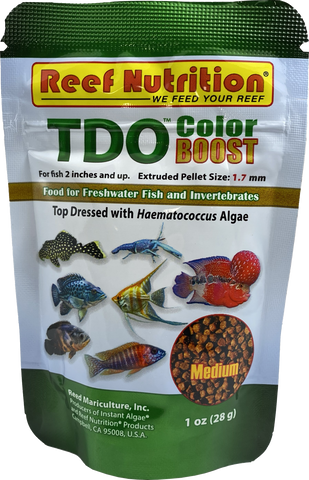
Supplementing With Pellets
Pellets can be an excellent supplement to live food. They are designed to offer complete nutrition.
| Food Type | Benefits |
| Live Food | High in protein |
| Pellets | Balanced nutrients |
| Flakes | Easy to digest |
Seasonal Diet Adjustments
Adjusting diets with the seasons helps discus fry thrive. Warmer months may require more live food due to increased metabolism.
Credit: reefnutrition.com
Frequently Asked Questions
What Live Foods Are Best For Discus Fry Feeding?
Bloodworms, baby brine shrimp, and daphnia are ideal live foods for discus fry. They provide essential nutrients and stimulate natural hunting instincts, promoting healthy growth and development in young discus fish.
How Often Should Discus Fry Be Fed Live Food?
Discus fry should be fed live food 3 to 4 times daily. Frequent small feedings ensure proper nutrition and prevent overfeeding, supporting their rapid growth and overall health during early development.
Can Live Food Improve Discus Fry Survival Rates?
Yes, live food enhances discus fry survival by offering high nutrition and encouraging active feeding. It boosts immunity and growth, resulting in stronger, healthier fry that adapt well to their environment.
How To Introduce Live Food To Discus Fry?
Start with tiny, easy-to-catch live foods like baby brine shrimp. Gradually increase quantity as fry grow. Ensure water quality remains high to prevent infections and stress during feeding.
Conclusion
Feeding discus fry with live food helps them grow strong and healthy. Live food offers essential nutrients that dry food often lacks. It encourages natural hunting behavior, making fry more active. Keep the feeding schedule regular and avoid overfeeding to maintain water quality.
Watch your fry closely to see how they respond to different foods. A balanced diet with live food supports their development well. This simple step can improve their survival rate greatly. Give your discus fry the best start with live food meals.