
If you have a goldfish or are thinking about getting one, understanding the different tail types can make a big difference. Your goldfish’s tail isn’t just for swimming—it tells a story about its breed, health, and even personality.
Knowing the tail types helps you care for your fish better and pick the perfect one for your tank. Keep reading, and you’ll discover everything you need to know to spot the unique tails that make goldfish so fascinating.
Common Tail Types
Goldfish come in many shapes and sizes. Their tails show unique styles.
Knowing tail types helps you understand goldfish better. Each tail affects swimming and looks.
Single Tail
The single tail is the most common type. It looks like a simple, straight fin.
Single tails help goldfish swim fast. They are often seen in wild or common goldfish.
Veil Tail
The veil tail is long and flowing. It hangs down like a curtain behind the fish.
- Long and thin shape
- Flows slowly in the water
- Needs calm water to swim well
Fantail
Fantail goldfish have a tail split into two parts. It looks like a fan when open.
| Feature | Description |
| Tail Shape | Double lobed, round edges |
| Swimming | Smooth but slower than single tail |
| Common Use | Popular in beginner tanks |
Ryukin Tail
Ryukin goldfish have a short, rounded tail. It appears stiff and strong.
Ryukin tails help with quick turns. They match the fish’s high, curved back.
They are easy to spot because of their shape and tail style.
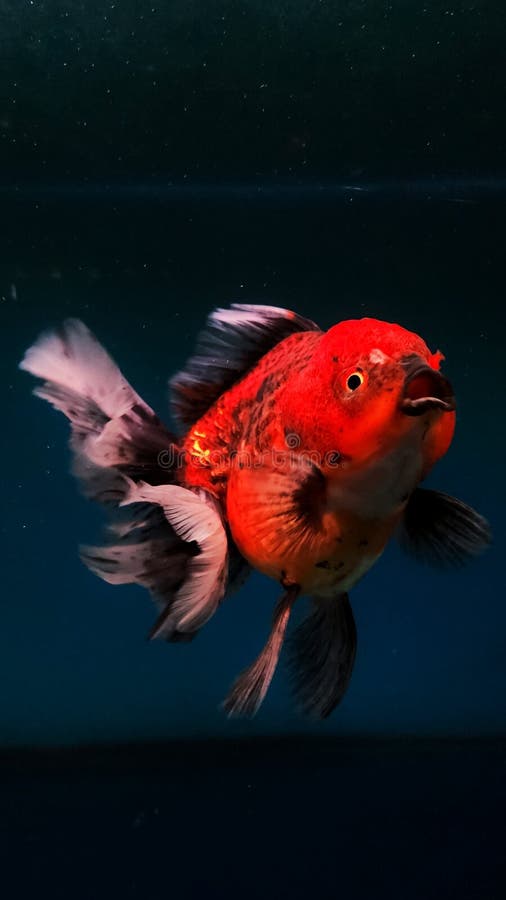
Credit: www.dreamstime.com
Fancy Tail Varieties
Goldfish come in many fancy tail shapes. Each tail style gives a unique look.
Learning about these tails helps you choose the right goldfish for your tank.
Butterfly Tail
The butterfly tail is wide and spreads out like butterfly wings. It looks very graceful.
This tail often has two lobes that are symmetrical and flow smoothly in water.
- Wide and flat shape
- Two symmetrical lobes
- Looks like butterfly wings
Telescope Tail
Telescope goldfish have large, protruding eyes and a long, flowing tail. Their tails look soft and delicate.
The tail helps balance their unique body and eye shape while swimming.
- Long and flowing tail
- Delicate appearance
- Balances large eyes
Celestial Tail
Celestial goldfish have upward-facing eyes and a double tail. The tail is rounded and flows smoothly.
This tail gives the fish a balanced and elegant look from behind.
- Double tail lobes
- Rounded shape
- Complements upward eyes
Oranda Tail
The Oranda goldfish has a large, flowing tail. It is often fan-shaped and very full.
The tail moves gently in water, adding grace to the Oranda’s round body.
- Fan-shaped tail
- Full and flowing
- Moves gracefully
Rare And Exotic Tails
Goldfish come in many tail shapes. Some tails are rare and look very special.
These exotic tails make goldfish unique and beautiful. Let’s explore three rare types.
Phoenix Tail
The Phoenix tail is long and flowing. It looks like a flame moving in water.
This tail is rare because of its bright colors and smooth shape. It is smooth and shiny.
Crown Tail
The Crown tail has sharp, pointed edges on the fins. These edges look like a crown.
This tail type is unique because of its spiky look. It is popular among goldfish lovers.
- Spiky fin rays
- Open and spread out fins
- Looks like a royal crown
Shubunkin Tail
The Shubunkin tail is broad and fan-shaped. It helps the fish swim well.
This tail is rare because it comes with unique colors and patterns. It often shows spots and patches.
- Wide and flat shape
- Colorful patterns
- Good for steady swimming
Tail Shapes And Swimming
Goldfish tails come in many shapes. Each shape affects how the fish swims in water.
Understanding tail shapes helps us see how goldfish move and balance themselves.
Tail Impact On Movement
The shape of a goldfish’s tail changes how fast it can swim. Some tails make quick turns easier.
Long, flowing tails slow the fish down but look graceful. Shorter tails help with speed.
- Single tail: fast swimmers, good for quick moves
- Double tail: slower, moves with more style
- Veil tail: long and flowing, less speed, more beauty
- Fan tail: wide and strong, steady swimming
- Butterfly tail: wide spread, smooth turns
Tail Symmetry And Balance
Symmetry in the tail helps goldfish swim straight and balance well. Uneven tails can cause wobbling.
A balanced tail allows smooth swimming and less effort. It also helps the fish change direction easily.
- Symmetrical tails provide better control in water
- Asymmetrical tails may cause drifting or tilting
- Balanced tails reduce energy use during swimming
- Good tail balance supports healthy movement
Tail Care And Maintenance
Goldfish tails come in many shapes and sizes. Proper care is important to keep tails healthy and beautiful.
Good tail care helps prevent injuries and infections. It also helps your goldfish swim well and look its best.
Preventing Tail Damage
Avoid sharp decorations or rough tank surfaces. These can tear or damage the delicate goldfish tail.
Handle your goldfish gently during tank cleaning or moving. Rough handling may cause tail injury or stress.
- Use smooth decorations without sharp edges
- Keep tank clean to avoid infections
- Do not overcrowd the tank
- Handle fish carefully and only when needed
Tail Health Signs
Healthy tails look smooth and have bright colors. Watch for frayed edges or fading colors as warning signs.
Check for redness, swelling, or white spots. These may mean infection or injury and need quick care.
- Tail should be free of tears or holes
- Colors should be vibrant, not dull
- No signs of redness or swelling
- Fish should swim without tail dragging
Tank Setup For Tail Care
Choose a tank with smooth surfaces to protect tails. Avoid sharp rocks or plastic plants that may cause damage.
Keep water clean and well-filtered. Good water quality helps prevent tail diseases and keeps fish healthy.
- Use smooth gravel or sand substrate
- Add live plants with soft leaves
- Keep water temperature stable
- Use a gentle filter to avoid strong currents

Credit: www.aquariumsource.com
Choosing The Right Tail Type
Goldfish come in many different tail types. Picking the right one is important for their health and happiness.
Consider the tank conditions, your experience level, and your aesthetic preferences.
Matching Tail To Tank Conditions
Tank conditions affect goldfish tail health. Ensure the water is clean and the tank is spacious.
- Fancy tails need more space to swim
- Single tails can be kept in smaller tanks
- Ensure proper filtration for all tail types
Tail Types For Beginners
Beginners should pick easy-to-care-for tail types. These tails are sturdy and require less maintenance.
| Tail Type | Difficulty Level |
| Comet | Easy |
| Common | Easy |
| Fantail | Moderate |
Aesthetic Preferences
Different tail types offer unique looks. Choose based on the style you find most appealing.

Credit: www.aquariumsource.com
Frequently Asked Questions
What Are The Most Common Goldfish Tail Types?
Common goldfish tail types include single, fan, veil, butterfly, and fantail. Each type varies in shape and size. These tails affect the fish’s swimming style and appearance. Understanding tail types helps in selecting and caring for goldfish.
How Do Tail Types Affect Goldfish Swimming?
Tail types impact swimming speed and maneuverability. Short, fan-shaped tails provide quick bursts of speed. Long, flowing tails create drag, slowing the fish. Tail shape also influences goldfish’s grace and agility in water.
Can Tail Type Indicate Goldfish Breed?
Yes, tail type often indicates the breed. Veil tails are common in fancy goldfish varieties. Single tails appear in common or comet goldfish. Recognizing tail types helps identify goldfish breeds accurately.
Do Goldfish Tail Types Influence Tank Requirements?
Yes, goldfish with long, delicate tails need spacious tanks. They require gentle water flow to prevent tail damage. Tail type guides proper tank setup, ensuring fish health and comfort.
Conclusion
Goldfish tails come in many shapes and sizes. Each tail type adds beauty and charm to your fish. Knowing tail types helps you care for goldfish better. It also makes choosing the right fish easier. Remember, a healthy tail shows a happy goldfish.
Keep their water clean and feed them well. Enjoy watching your goldfish swim with their unique tails. Tail types make goldfish a joy to own. Simple care brings out their best colors and shapes. Choose wisely and enjoy your colorful pet.