
If you want your angelfish to stand out with vibrant colors and strong health, choosing the right bloodline is key. High-quality bloodline selection can make all the difference in creating beautiful, resilient fish that thrive in your aquarium.
You’ll discover how to spot the best angelfish bloodlines and why it matters for your collection. Keep reading to unlock secrets that will help you raise angelfish like a pro.

Credit: www.completekoi.com
Angelfish Bloodlines
Angelfish bloodlines refer to the distinct genetic lines developed through selective breeding. These bloodlines produce angelfish with specific traits, such as color, shape, and fin style.
Keeping track of bloodlines helps breeders maintain quality and improve the angelfish varieties they produce.
Key Traits Of Top Bloodlines
Top angelfish bloodlines show consistent traits that make them stand out in aquariums and shows. These traits include body shape, color patterns, fin size, and health.
- Strong, upright body shape
- Bright, clear colors with good contrast
- Long, flowing fins without damage
- Good disease resistance and vitality
- Stable traits passed to offspring
Popular Angelfish Strains
Several angelfish strains are well known for their beauty and unique features. These strains come from different bloodlines and offer a variety of looks.
| Strain Name | Main Features | Origin |
| Veil Tail | Long fins with soft edges | USA |
| Koi | Spotted pattern resembling koi fish | Thailand |
| Marble | Marbled color pattern | Europe |
| Silver | Shiny silver body with clear fins | South America |
| Gold | Golden yellow color | Brazil |
Genetic Foundations
Genetic foundations are the base bloodlines used to create new angelfish strains. They determine the traits passed to future generations.
Important genetic factors include:
- Dominant and recessive genes controlling color and shape
- Inbreeding to fix traits
- Hybridization to combine features
- Careful selection for health and vitality
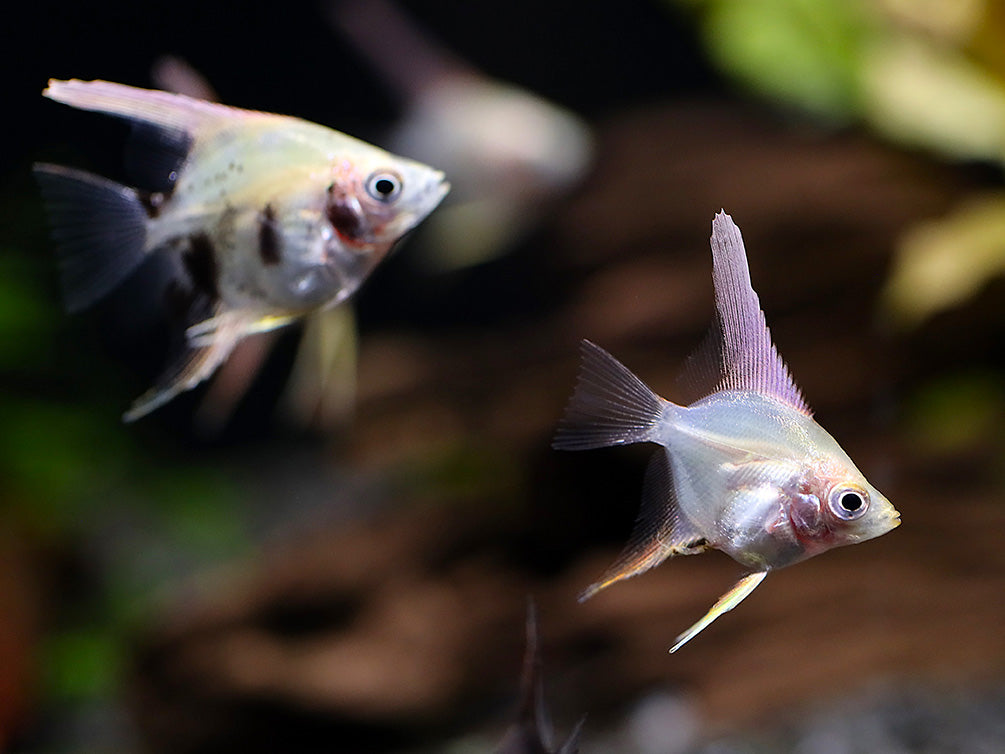
Credit: aquaticarts.com
Selection Criteria
Selecting high-quality angelfish bloodlines needs clear standards. These standards help keep the fish healthy and beautiful.
Breeders focus on traits that show strong genetics. These traits include appearance, behavior, and health.
Physical Characteristics
Good angelfish have a balanced body shape. Their fins should be even and well-formed.
Color patterns must be clear and bright. Avoid fish with faded or patchy colors.
- Symmetrical body shape
- Long, flowing fins
- Clear, vibrant colors
- Well-defined stripes or spots
Behavioral Traits
Choose angelfish that swim actively and confidently. Calm fish are less stressed and easier to breed.
Aggressive or shy fish may have health or breeding problems. Social behavior shows good adaptation.
- Active swimming patterns
- Calm and confident movements
- Good interaction with other fish
- Stable temperament
Health Indicators
Healthy angelfish have clear eyes and smooth scales. Look for bright gills and no signs of parasites.
Check for steady breathing and normal eating habits. Avoid fish with wounds or unusual spots.
- Clear, bright eyes
- Smooth, shiny scales
- Bright red gills
- Regular breathing
- Good appetite
Breeding Techniques
Breeding angelfish from a high-quality bloodline needs care and attention. Good techniques help keep strong and healthy fish.
Understanding breeding steps improves success and the quality of offspring. This guide covers key parts of the process.
Pairing Strategies
Choose pairs with good traits and no close relation to avoid inbreeding. Select fish with strong colors and good shape.
Observe fish behavior before pairing. Healthy pairs show interest and build a bond quickly.
- Pick fish from different but quality bloodlines
- Look for healthy, active angelfish
- Avoid siblings or close relatives
- Watch for mutual acceptance and calm behavior
Incubation And Care
Angelfish eggs need clean water and stable temperatures to grow well. Keep the tank quiet and free from stress.
Parents often guard eggs. Monitor them but do not disturb the nest. Remove any fungus or dead eggs carefully.
- Keep water temperature around 78°F to 82°F
- Use gentle filtration to avoid egg damage
- Remove fungus with safe treatments if needed
- Check eggs daily for development and health
Raising Fry
Feed fry small, frequent meals with high-quality food. Start with infusoria or liquid fry food, then move to baby brine shrimp.
Keep fry in clean water and control tank conditions. Change water often but avoid sudden changes.
- Feed tiny live or prepared foods multiple times daily
- Keep water warm and stable
- Change 20% of water daily to keep it clean
- Separate fry from adult fish to prevent harm
Maintaining Quality
Maintaining quality in angelfish bloodline selection requires careful attention. It ensures healthy and strong fish for future generations.
Good practices help keep the bloodline pure and improve overall fish traits. Focus on record keeping, avoiding inbreeding, and controlling environmental factors.
Record Keeping
Accurate records track each fish’s lineage and traits. This information helps breeders make smart decisions to keep the bloodline healthy.
- Note birth dates and parentage
- Track physical features and colors
- Record health history and breeding results
- Update data after every breeding cycle
Avoiding Inbreeding
Inbreeding can cause weak fish and defects. Breeders must plan pairings to keep genetic diversity high.
| Risk Factor | Effect |
| Close relatives breeding | Increased deformities |
| Repeated inbreeding | Lower fertility rates |
| Low genetic diversity | Weaker immune system |
Environmental Factors
Stable water conditions and proper tank care support fish health. Breeders must control temperature, pH, and cleanliness.
Key environmental controls include:
- Maintain water temperature between 78-82°F (25-28°C)
- Keep pH levels near 6.8 to 7.2
- Perform regular water changes
- Provide adequate filtration and aeration
- Ensure proper diet and tank space
Common Challenges
Breeding angelfish with a high-quality bloodline faces several challenges. These problems affect the health and appearance of the fish. Understanding these common issues helps breeders improve their stock.
This section covers genetic defects, disease management, and stress reduction. Each area has specific hurdles that need careful attention for success.
Genetic Defects
Genetic defects can cause deformities and weaken the fish. These defects often come from inbreeding or poor selection. Breeders must watch for signs like curved spines or fin abnormalities.
- Deformed fins or tails
- Abnormal body shape
- Reduced growth rate
- Weak immune system
- Low fertility
Disease Management
Diseases can spread quickly in angelfish tanks. Common illnesses include ich, fungal infections, and bacterial diseases. Proper care and early treatment are key to control outbreaks.
| Disease | Symptoms | Prevention |
| Ich | White spots on body | Maintain clean water, quarantine new fish |
| Fungal infection | White cotton-like growths | Use antifungal treatments, keep water quality high |
| Bacterial infection | Red sores, lethargy | Avoid overcrowding, use antibiotics if needed |
Stress Reduction
Stress lowers angelfish immunity and makes them prone to disease. Causes include sudden changes, poor water conditions, and aggressive tank mates. Reducing stress helps keep fish healthy.
- Keep water temperature stable between 78-82°F
- Use gentle lighting and avoid loud noises
- Provide hiding spots with plants or decorations
- Feed a balanced diet twice a day
- Limit handling and sudden movements near the tank
Enhancing Bloodline Value
Angelfish bloodlines are a crucial aspect of aquarium breeding. Selecting the right bloodline can significantly impact the health, appearance, and temperament of your fish.
Show Standards
Angelfish show standards emphasize the importance of physical characteristics, such as finnage, body shape, and color. Breeders strive to create fish that meet or exceed these standards.
- Fin length and shape
- Body shape and proportion
- Color intensity and pattern
Market Demand
Market demand for specific bloodlines can drive the breeding process. Breeders respond to consumer preferences for certain traits or colors.
- Popular color combinations
- Demand for specific fin shapes
- Preference for certain body types
Continuous Improvement
Breeders continually strive to improve bloodlines through selective breeding. This process involves identifying and promoting desirable traits while eliminating undesirable ones.
Continuous improvement requires a deep understanding of genetics and the ability to anticipate future market trends.

Credit: monsteraquariumon9.com
Frequently Asked Questions
What Defines High-quality Angelfish Bloodlines?
High-quality angelfish bloodlines come from selective breeding focusing on health, color, and fin shape. They ensure strong genetics and vibrant appearance. These bloodlines reduce diseases and promote longevity in angelfish.
How To Identify Pure Angelfish Bloodlines?
Pure angelfish bloodlines show consistent traits like body shape, color patterns, and fin structure. Look for breeders with transparent lineage records. Genetic purity ensures better breeding results and fish quality.
Why Is Bloodline Selection Important For Angelfish?
Bloodline selection improves angelfish traits like color intensity and size. It helps avoid genetic defects and increases fish vitality. This process ensures healthier and more visually appealing angelfish.
Can High-quality Bloodlines Affect Angelfish Behavior?
Yes, quality bloodlines often result in angelfish with stable and less aggressive behavior. Good genetics promote better adaptation to aquarium environments and social interactions with other fish.
Conclusion
Choosing high-quality angelfish bloodlines ensures healthier, more vibrant fish. Strong bloodlines bring better colors, shapes, and behavior to your aquarium. Careful selection helps avoid common health problems and improves breeding success. It creates a more enjoyable experience for hobbyists and collectors alike.
Focus on reliable sources and observe fish traits closely before buying. Healthy angelfish make your tank lively and beautiful. Quality bloodline selection matters for long-term fish well-being and tank harmony. Keep learning and observing to maintain top angelfish standards. Your patience and care will show in your fish’s appearance.