
If you’ve ever admired the vibrant colors swimming in your aquarium, chances are you’ve spotted a Harlequin Rasbora. But how can you be sure you’re looking at the real deal?
Knowing how to identify your Harlequin Rasbora not only helps you appreciate its beauty but also ensures you provide the right care. You’ll discover simple tips and key features that make spotting a true Harlequin Rasbora easy and fun. Keep reading to become confident in recognizing this stunning fish every time.
Physical Features
The Harlequin Rasbora is a small freshwater fish with unique features. Its body has shapes and colors that help identify it easily.
Understanding these physical traits helps hobbyists and fish lovers recognize this species quickly in tanks or nature.
Body Shape And Size
The Harlequin Rasbora has a slender, torpedo-shaped body. It is small and grows up to about 2 inches (5 cm) long.
This streamlined shape allows it to swim quickly and smoothly in water. The body is slightly compressed from the sides.
Color Patterns
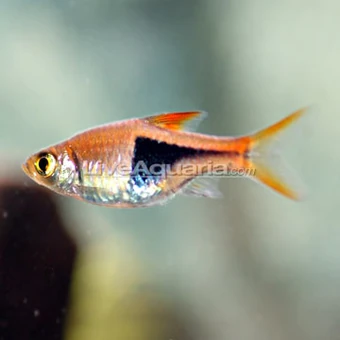
The Harlequin Rasbora shows a bright orange to reddish color on its body. The color becomes deeper near the tail area.
Its belly is lighter, often pale or white, creating a nice contrast with the darker upper body.
- Bright orange or red body
- Lighter belly area
- Shiny scales give a glowing effect
Distinctive Black Patch
A key feature is the large black patch on the rear half of the body. It is shaped like a wedge or triangle.
This black patch runs from the middle of the body to the base of the tail, making the fish easy to spot.
- Triangular black patch on the back half
- Sharp edges of the patch stand out
- Helps distinguish it from similar fish
Fin Characteristics
The Harlequin Rasbora has clear or slightly orange fins. The dorsal fin is small and upright.
The tail fin is forked and shows some orange tint. Pectoral and pelvic fins are mostly transparent.
- Small, upright dorsal fin
- Forked tail fin with orange tint
- Transparent pectoral and pelvic fins

Credit: www.youtube.com
Behavioral Traits
The Harlequin Rasbora shows unique behaviors that make it interesting to watch. Its actions reveal much about how it lives and interacts.
Understanding these traits helps in caring for them properly and keeping them healthy in aquariums.
Swimming Patterns
Harlequin Rasboras swim in smooth, flowing movements. They tend to move in groups, making their swimming look like a dance.
They usually stay in the middle or upper parts of the tank. Their swimming helps them avoid predators and find food.
- Swim in small, tight schools
- Prefer calm, steady movement
- Avoid sudden or fast swimming
- Use gentle turns to change direction
Social Behavior
Harlequin Rasboras are peaceful fish that enjoy company. They feel safer and more confident in groups of six or more.
They rarely show aggression and get along well with other calm fish. Their social nature makes them good community tank members.
- Live comfortably in groups
- Show little to no aggression
- Interact peacefully with other species
- Use group swimming for protection
Feeding Habits
Harlequin Rasboras are omnivores that eat small insects and plant matter. They accept a wide range of food types in aquariums.
They feed actively during the day and prefer food that sinks slowly. Small pellets, flakes, and live food are good choices.
- Eat tiny insects and larvae
- Accept dry and live foods
- Feed near the middle and top of the tank
- Prefer slow-sinking foods
Common Variations
The Harlequin Rasbora is a popular fish with many variations. These differences come from color, region, and breeding. Understanding these helps in identifying them.
Common variations include color changes, regional traits, and hybrids. Each type has unique features to look for.
Color Morphs
Color morphs are different color patterns within the same species. They happen naturally or through selective breeding.
Some Harlequin Rasboras have deeper reds or more orange shades. Others show variations in the black triangular patch on their body.
- Standard morph: Bright orange-red body with black patch
- Albino morph: Pale body with pinkish tones and faint black patch
- Golden morph: Yellowish body with a reduced black patch
- High-contrast morph: Darker black patch with vivid body color
Regional Differences
Harlequin Rasboras from different regions show slight differences. These come from the water conditions and local environment.
Fish from Malaysia tend to have brighter colors. Those from Singapore may have a larger black patch. Thailand varieties often show a more slender body shape.
- Malaysia: Bright orange-red color, sharp black patch
- Singapore: Larger black patch, slightly duller body color
- Thailand: Slimmer body, moderate color intensity
Hybrid Species
Hybrid species happen when Harlequin Rasboras breed with other similar fish. This creates new traits and patterns.
Hybrids may show mixed colors or altered shapes. They are often found in the aquarium trade but less in the wild.
- Harlequin Rasbora × Lambchop Rasbora: Mixed black markings and brighter body
- Harlequin Rasbora × Glowlight Tetra: Glowing body with a faint black patch
- Harlequin Rasbora × Other Rasbora species: Varied body shapes and colors
Credit: freshwaterfish.fandom.com
Habitat Preferences
Harlequin Rasboras live in calm, slow-moving waters. They prefer areas with plenty of plants and hiding spots.
Understanding their natural habitat helps create a suitable tank environment for them to thrive.
Water Conditions
Harlequin Rasboras do best in soft, slightly acidic water. The temperature should stay warm but stable.
| Parameter | Ideal Range |
| Temperature | 72°F – 81°F (22°C – 27°C) |
| pH | 5.5 – 7.0 |
| Hardness | 2 – 15 dGH |
Tank Setup Tips
Set up the tank to mimic their natural habitat by adding plants and soft substrate. Provide places to hide and swim freely.
- Use fine gravel or sand as substrate
- Include live plants like Java fern and Anubias
- Add driftwood or smooth rocks for shelter
- Keep water flow gentle and steady
- Leave open swimming space in the middle
Compatible Tank Mates
Harlequin Rasboras are peaceful fish. They do well with other small, calm species that share similar water needs.
- Neon tetras
- Corydoras catfish
- Small rasboras
- Otocinclus catfish
- Peaceful dwarf gouramis
Health Indicators
Harlequin Rasboras show their health in many clear ways. Watching their behavior and looks helps keep them safe.
Knowing what is normal makes it easy to spot problems early. This keeps your fish happy and strong.
Signs Of Stress
Stress shows in how the fish act and look. A stressed Harlequin Rasbora may hide more than usual or swim erratically.
Fading colors and clamped fins also point to stress. These signs mean the fish is uncomfortable or sick.
- Hiding often or avoiding other fish
- Fins held close to the body
- Loss of bright color patterns
- Unusual swimming or darting
Common Diseases
Harlequin Rasboras can get diseases like fin rot and ich. These cause damage to fins and spots on the body.
Watch for white spots, torn fins, or slow movement. Early treatment helps the fish recover fast.
- Ich: white spots on skin and fins
- Fin rot: frayed or disintegrating fins
- Swim bladder issues: difficulty swimming
- Fungal infections: cotton-like growths
Preventive Care
Good care keeps Harlequin Rasboras healthy and strong. Clean water and a stable tank environment reduce illness risks.
Feed quality food and avoid crowding. Regular checks help catch problems before they grow.
- Keep tank water clean and filtered
- Maintain stable water temperature and pH
- Feed balanced, high-quality food
- Do not overcrowd the tank
- Watch fish daily for unusual signs

Credit: splashyfishstore.com
Frequently Asked Questions
What Are The Key Features Of Harlequin Rasbora?
Harlequin Rasboras have a distinctive black triangular patch on their bodies. Their bodies are copper-orange with a sleek, streamlined shape. These features make them easy to identify in freshwater aquariums.
How Can I Differentiate Male And Female Harlequin Rasboras?
Males are slimmer with a more pronounced black patch. Females are rounder and slightly larger with a less distinct patch. Observing these traits helps in distinguishing genders.
What Size Do Harlequin Rasboras Typically Grow To?
They usually reach about 1. 5 to 2 inches (4 to 5 cm) in length. Their small size makes them ideal for community tanks.
What Is The Natural Habitat Of Harlequin Rasboras?
They originate from Southeast Asia, mainly in slow-moving streams and rivers. Their natural habitat has soft, acidic water with plenty of plants.
Conclusion
Harlequin Rasboras are small, colorful, and easy to spot fish. Their unique black patch helps you identify them quickly. Knowing their features makes choosing the right fish easier. They add life and color to any aquarium. Remember to watch for their bright orange fins and peaceful behavior.
These fish are great for beginners and experts alike. Keep their water clean and temperature steady for best health. Enjoy watching their lively swimming and social nature. Harlequin Rasboras truly brighten up your tank with simple beauty.