
Are you fascinated by the vibrant colors and unique shapes of betta fish? Imagine being able to create your very own stunning betta varieties right at home.
Betta selective breeding techniques hold the key to unlocking this creative potential. By understanding and applying these methods, you can guide your fish’s traits generation after generation, producing eye-catching patterns and brilliant hues. You’ll discover simple, effective steps to start breeding bettas like a pro.
Ready to transform your aquarium into a showcase of extraordinary betta fish? Keep reading to learn how!
Choosing Breeding Stock
Choosing the right breeding stock is key to raising healthy Betta fish. The process needs care and attention to detail.
Good stock leads to strong offspring with the best traits. Poor choices can cause health problems and weak fish.
Selecting Healthy Betta Fish
Start by picking Betta fish that are active and alert. Avoid fish that show signs of illness or lethargy.
- Clear eyes without cloudiness
- Bright, vivid colors
- Fins fully spread and undamaged
- Regular swimming patterns
- No visible signs of parasites or fungus
Identifying Desired Traits
Choose Betta fish that have traits you want to pass on. These can include color, fin shape, and size.
| Trait | Description |
| Color | Richness and uniformity of the fish’s color |
| Fin Shape | Long, flowing fins or specific fin types like veil tail or crown tail |
| Body Size | Healthy and proportional body length and width |
| Behavior | Active and non-aggressive, good for breeding pairs |
Avoiding Common Genetic Issues
Prevent genetic problems by not breeding fish with defects. This keeps the bloodline healthy.
- Do not breed fish with bent spines or deformed fins
- Avoid fish with weak immune systems
- Keep away from fish with color fading or blotches
- Use unrelated fish to reduce inbreeding risks
- Watch for signs of hereditary diseases in parents

Credit: justbetta.com
Preparing The Breeding Environment
Setting up the right environment is key for Betta fish breeding. It helps the fish feel safe and ready to mate.
Good preparation increases the chances of healthy fry and successful breeding.
Tank Setup Essentials
Use a small tank between 5 to 10 gallons for breeding. Keep it clean and quiet to avoid stress.
Include a heater to keep water temperature steady. Bettas like warm water around 78 to 80°F.
- Choose a tank with a lid to prevent jumping
- Use a sponge filter for gentle water flow
- Keep lighting soft and natural
Water Conditions And Parameters
Water quality is very important for breeding Bettas. Test water regularly to keep it safe.
Keep pH between 6.5 and 7.5. Avoid sudden changes in temperature or chemicals.
- Maintain temperature at 78-80°F (25-27°C)
- Keep ammonia and nitrites at 0 ppm
- Keep nitrates below 20 ppm
- Perform partial water changes weekly
Creating Safe Spaces
Provide hiding spots for both male and female Bettas. Safe spaces reduce stress and encourage breeding.
Use plants, floating leaves, or breeding cups to create shelter. Avoid sharp decorations.
- Use live or silk plants like Java moss
- Add gentle floating cover for bubble nest support
- Place small caves or PVC pipes for hiding
- Keep open areas for the male to build nests
Breeding Process Steps
Selective breeding of Betta fish requires care and patience. The process involves preparing the pair, watching their behavior, and caring for the eggs and fry.
Each step is important to ensure healthy offspring and strong traits in the new generation.
Introducing The Pair
Start by choosing a healthy male and female Betta. Place them in separate tanks close to each other. This helps them get used to one another’s presence.
- Check both fish for signs of illness or stress.
- Feed them high-quality food to boost health.
- Use a clear divider so they can see but not touch.
- Observe their reactions to each other for several days.
Observing Mating Behaviors
Watch for signs that the pair is ready to mate. The male will build a bubble nest. The female shows vertical stripes and may swim near the nest.
| Behavior | Male Betta | Female Betta |
| Bubble Nest | Builds and guards nest | Does not build |
| Color Changes | Brightens colors | Shows vertical stripes |
| Swimming | Chases female gently | Swims close to male |
Handling Eggs And Fry
After mating, the male collects eggs in the bubble nest. He guards and cares for the eggs until they hatch. It is important to keep the water clean and warm.
- Remove the female to avoid stress or harm.
- Keep the tank temperature around 78-80°F (25-27°C).
- Watch the male protect the eggs and fry.
- Feed the fry with special food like infusoria or baby brine shrimp.

Credit: tropicflow.com
Enhancing Color And Fin Quality
Selective breeding helps improve the color and fin shape of betta fish. Breeders pick fish with the best traits to mate. This process can create brighter colors and stronger fins over time.
Good care and feeding also support healthy growth. Stress control plays a key role in keeping bettas vibrant and active. This guide covers ways to enhance your betta’s looks and health.
Selective Trait Pairing
Choose male and female bettas that show strong colors and good fins. Pairing fish with these traits raises the chance of offspring having similar qualities. Keep track of each fish’s lineage for better results.
- Pick fish with deep, rich colors
- Look for wide, well-formed fins
- Avoid pairing fish with fin damage or dull colors
- Mate fish that have strong health and behavior
- Record each breeding to monitor improvements
Nutrition For Vibrant Fish
Proper food helps bettas build strong colors and fins. High-quality proteins, vitamins, and minerals are important. Feed a mix of pellets, frozen foods, and live treats for best results.
| Food Type | Benefit |
| Pellets | Balanced daily nutrition |
| Frozen bloodworms | Rich in protein and color enhancers |
| Live brine shrimp | Improves fin growth and activity |
| Vegetable flakes | Provides vitamins and fiber |
Minimizing Stress Factors
Stress can dull color and damage fins. Keep water clean and at the right temperature. Avoid overcrowding and sudden changes in the tank environment.
Tips to reduce stress in bettas:
- Keep water temperature between 76°F and 82°F (24°C–28°C)
- Change 25% of the water weekly
- Use a gentle filter to avoid strong currents
- Provide hiding spots with plants or decorations
- Feed small amounts two times a day
Raising Healthy Fry
Raising healthy betta fry requires careful attention. Good care helps them grow strong and vibrant.
Proper feeding, tank upkeep, and disease control are important. These steps keep fry safe and healthy.
Feeding Techniques
Feed fry small amounts many times a day. Use tiny live or frozen foods to meet their needs.
- Offer infusoria or liquid fry food first
- Introduce baby brine shrimp after a few days
- Feed crushed flakes or finely ground pellets later
- Remove uneaten food quickly to keep water clean
Tank Maintenance For Growth
Clean water and stable conditions help fry grow well. Change water carefully to avoid stress.
| Maintenance Task | Frequency | Details |
| Water Change | 20-30% every 2-3 days | Use dechlorinated water at same temperature |
| Filter Cleaning | Weekly | Rinse filter media gently in tank water |
| Check Water Parameters | Daily | Keep pH 6.5-7.5, temperature 78-80°F (25-27°C) |
Identifying And Treating Diseases
Watch fry closely for signs of illness. Early treatment can save many fish.
- Look for white spots, clamped fins, or slow movement
- Isolate sick fry in a hospital tank
- Use mild medications safe for young fish
- Keep water clean to prevent infections
Record Keeping And Tracking
Selective breeding in bettas requires careful record keeping. This ensures desired traits are passed on.
Tracking these traits helps breeders create the perfect fish. Let’s explore how to document and track effectively.
Documenting Lineage
Recording the lineage of bettas is vital. It helps maintain genetic diversity and track family traits.
- Identify each fish with a unique ID.
- Record parentage details after each breeding.
- Note key traits and characteristics.
Tracking Trait Inheritance
Understanding trait inheritance is key in selective breeding. This allows prediction of future generations.
Breeders often use charts to track traits like:
- Color patterns
- Fin shapes
- Behavioral tendencies
Planning Future Breeding
Successful breeding involves planning for future generations. This ensures the continuation of desired traits.
| Goal | Action |
| Enhance color | Select vibrant parents |
| Improve fin shape | Choose symmetrical fins |
| Maintain health | Check genetic history |
Common Challenges And Solutions
Selective breeding of Betta fish can be tricky. Breeders face many challenges. Each challenge has solutions to help improve results.
Understanding these challenges is vital. It helps breeders make informed decisions. Here are common issues and their solutions.
Dealing With Aggression
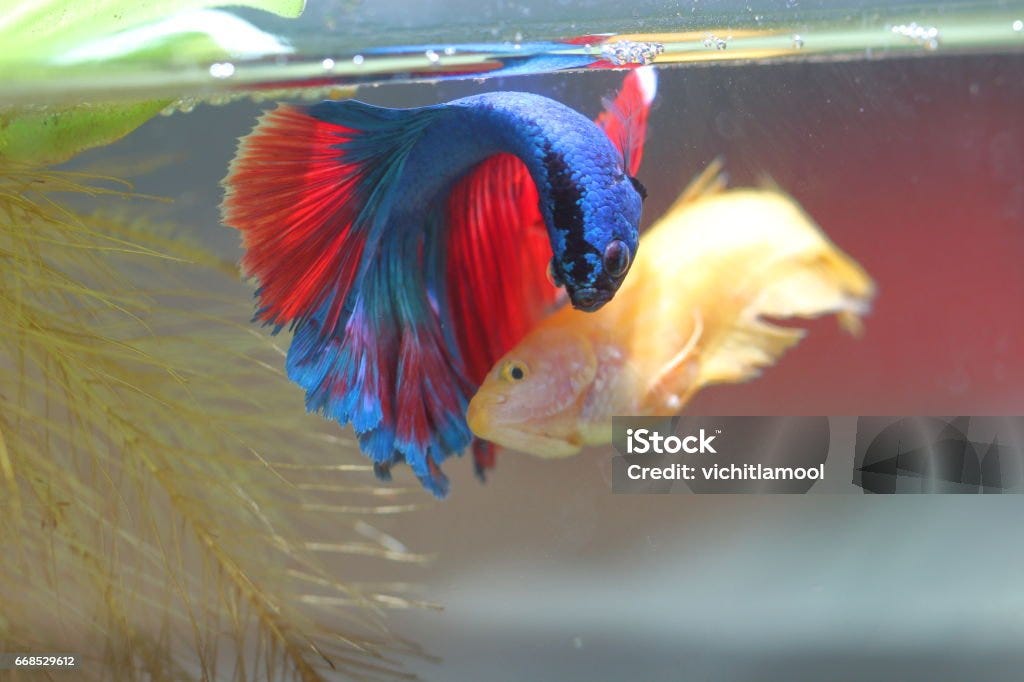
Betta fish are known for being aggressive. This can cause problems in breeding tanks. Aggression can lead to injuries or even death.
To reduce aggression, provide hiding spots. Use plants and decorations. Keep male Betta fish separated except during breeding.
- Introduce females carefully
- Monitor interactions closely
- Remove aggressive fish immediately
Handling Poor Breeding Results
Sometimes breeding efforts fail. Breeders may see low egg counts or none at all. This can be frustrating but is common.
Improving water quality can help. Ensure optimal temperature and pH levels. Good nutrition is also important for breeding success.
- Check water parameters regularly
- Provide a balanced diet
- Adjust breeding conditions as needed
Avoiding Inbreeding Problems
Inbreeding can lead to genetic issues. It might cause deformities or health problems. Breeders need to manage this carefully.
Keep detailed breeding records. This helps track genetic lines. Introduce new bloodlines regularly to maintain diversity.
- Use a diverse breeding pool
- Record each breeding session
- Swap fish with other breeders
Credit: medium.com
Frequently Asked Questions
What Is Selective Breeding In Betta Fish?
Selective breeding in Betta fish involves choosing specific traits for reproduction. This enhances colors, fin shapes, and health. Breeders carefully pair fish to improve desired features over generations. It helps create unique and vibrant Betta varieties.
How Do Breeders Select Betta Fish Traits?
Breeders observe Betta fish for color, fin type, and behavior. They choose fish displaying strong, healthy traits to mate. This ensures offspring inherit the best qualities. Consistent selection improves the breed’s overall appearance and vitality.
Why Is Genetic Diversity Important In Betta Breeding?
Genetic diversity prevents inbreeding and health problems in Betta fish. It maintains strong immune systems and reduces deformities. Breeders introduce new bloodlines to keep the population healthy. Diverse genetics support long-term sustainability of Betta breeds.
What Are Common Challenges In Betta Selective Breeding?
Challenges include maintaining trait consistency and avoiding genetic defects. Breeders must monitor for diseases and weak offspring. It requires patience and knowledge to achieve desired results. Proper care and environment are crucial for successful breeding.
Conclusion
Selective breeding shapes Betta fish with desired traits. Careful choices improve color, fin shape, and health. Patience helps achieve strong, beautiful Betta generations. Watching changes over time keeps the process clear. Small steps lead to big improvements in Betta quality.
Every breeder’s effort brings unique fish to life. This technique blends science and art in fish care. Enjoy the journey of creating stunning Betta varieties.