
If you own goldfish, you know how important it is to keep them healthy and happy. But sometimes, diseases can sneak up on your fish before you even notice.
How can you spot the signs early enough to save your goldfish from serious harm? You’ll learn the simple but crucial ways to identify goldfish disease at the first sign. By paying close attention to your fish’s behavior and appearance, you can act fast and protect your underwater friends.
Keep reading to discover the key symptoms you must never ignore. Your goldfish’s health depends on it.
Common Goldfish Diseases
Goldfish are popular pets but can get sick easily. Knowing common diseases helps catch problems early.
Early detection can save your goldfish. Watch for changes in behavior and appearance.
Fungal Infections
Fungal infections appear as white or gray cotton-like patches on goldfish. They usually grow on damaged skin or fins.
These infections happen in dirty water or after injury. They can spread if not treated quickly.
- White fuzzy growth on skin or fins
- Goldfish may scratch against objects
- Slow movement or loss of appetite
- Water quality is often poor
Bacterial Diseases
Bacterial infections cause redness, ulcers, or swollen areas on goldfish. These signs show skin damage and illness.
Fish with bacterial disease may hide or swim less. Bad water and stress increase risk.
- Red streaks or sores on body
- Fins may look ragged or torn
- Cloudy eyes or swollen belly
- Goldfish may breathe fast
Parasitic Infestations
Parasites attach to goldfish skin or gills. They cause irritation, leading to rubbing and flashing.
Parasites spread quickly in crowded tanks. Early signs help stop damage and spread.
- Small white spots on body or fins
- Scratching against tank surfaces
- Rapid gill movement or breathing trouble
- Loss of appetite and weight
Swim Bladder Issues
Swim bladder problems affect goldfish balance and swimming. Fish may float or sink oddly.
Overfeeding and poor diet often cause swim bladder issues. Fish may struggle to stay upright.
- Fish floats on side or upside down
- Difficulty swimming or sinking to bottom
- Swollen belly or bloated appearance
- Reduced movement and appetite

Credit: www.youtube.com
Early Warning Signs
Goldfish can get sick just like other pets. Spotting illness early helps them get better fast. Watch your goldfish daily for any signs of trouble.
Knowing the early warning signs can save your goldfish’s life. Look closely at how they act and look.
Changes In Behavior
Healthy goldfish are active and curious. If your fish hides more or stays still, it may feel sick. Sudden aggression or unusual hiding shows problems.
Watch for these behavior changes:
- Less swimming around
- Not responding to feeding
- Staying at the tank bottom
- Hiding in corners or decorations
Physical Appearance Changes
Look for spots, sores, or discoloration on your goldfish. These signs often show infection or parasites. Also check for swollen or red areas on the body.
Common appearance changes include:
- White spots on fins or body
- Red or inflamed skin
- Clamped fins (fins held close to body)
- Cloudy eyes or missing scales
Altered Swimming Patterns
Healthy goldfish swim smoothly and steadily. If your fish swims erratically or floats upside down, it may be ill. Difficulty staying upright is a serious sign.
Look for these unusual swimming behaviors:
- Spinning or circling repeatedly
- Floating at the surface or sinking fast
- Swimming tilted or sideways
- Sudden bursts of speed then stopping
Loss Of Appetite
Healthy goldfish eat their food quickly. If your fish ignores food or eats less, it may be sick. Loss of appetite is often the first sign of illness.
Watch for these feeding changes:
- Refusing food during feeding time
- Spitting out food after biting
- Eating less than usual
- Ignoring favorite treats
Regular Tank Maintenance
Keeping your goldfish healthy starts with regular tank care. Early disease signs often link to tank conditions.
Check your tank daily. Good maintenance helps spot problems fast and keeps fish safe.
Water Quality Checks
Clean water is vital for goldfish health. Test water weekly for ammonia, nitrites, and pH levels.
- Use a water test kit to measure chemicals.
- Keep ammonia and nitrites at zero.
- Maintain pH between 6.5 and 8.0.
- Change 10-20% of water weekly to reduce toxins.
Cleaning And Filtration
Regular cleaning removes waste and keeps water clear. Filter systems trap dirt and harmful substances.
| Task | Frequency | Purpose |
| Gravel vacuuming | Weekly | Remove uneaten food and debris |
| Filter cleaning | Monthly | Maintain water flow and remove buildup |
| Glass cleaning | Biweekly | Prevent algae growth |
Temperature Control
Goldfish need stable water temperature to stay healthy. Sudden changes cause stress and illness.
- Keep tank temperature between 65°F and 75°F (18°C to 24°C).
- Use a reliable aquarium heater and thermometer.
- Check temperature daily, especially in winter or summer.
Proper Tank Setup
A good tank setup supports goldfish health. Space and decorations matter for comfort and disease prevention.
| Setup Element | Recommendation |
|---|---|
| Tank size | At least 20 gallons for one goldfish |
| Substrate | Use smooth gravel or sand to avoid injury |
| Plants | Choose hardy plants that goldfish won’t eat |
| Decorations | Avoid sharp edges to prevent wounds |
| Lighting | Provide 8-12 hours daily to mimic natural cycles |
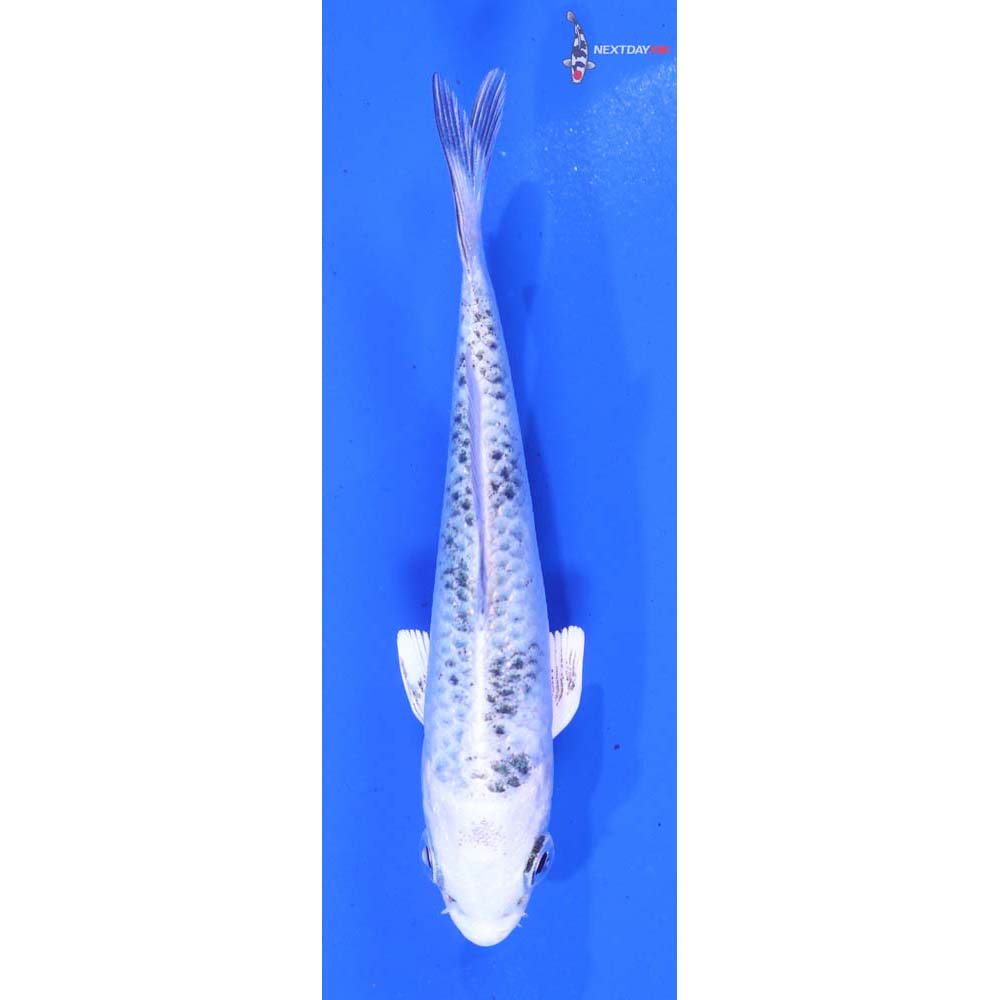
Credit: nextdaykoi.com
Observation Techniques
Watching your goldfish closely helps catch diseases early. Good observation keeps fish healthy.
Small changes in behavior or appearance may signal problems. Careful watching is key.
Daily Fish Monitoring
Check your goldfish every day for signs of sickness. Notice how they swim and eat.
Look for unusual spots, frayed fins, or slow movement. Early signs help you act fast.
- Watch if fish hides more than usual
- See if the fish breathes rapidly
- Note any white spots or patches
- Observe changes in appetite
Using A Health Journal
Write daily notes about your goldfish’s health and behavior. This helps track changes over time.
Record water conditions, feeding times, and any unusual signs. A journal shows patterns you might miss.
- Note water temperature and cleanliness
- Mark feeding habits and amounts
- Write down any visible changes
- Record dates of health concerns
Spotting Subtle Symptoms
Small signs can mean your goldfish is unwell. Look closely at fins and scales for tiny changes.
Watch for slight color fading, small lumps, or mild fin clamping. These signs often appear first.
- Check for dull or faded colors
- Look for small white spots or flakes
- Notice if fins stay closed or clamped
- See if fish rubs against tank objects
Preventive Measures
Goldfish are popular pets that need care to stay healthy. Early detection of disease can help prevent serious issues. Here are steps to keep your goldfish healthy.
By following these preventive measures, you can reduce the risk of disease and keep your goldfish happy.
Quarantine New Fish
New fish can carry diseases that infect your tank. Quarantining new arrivals is essential. Keep them in a separate tank for a few weeks to monitor for any signs of illness.
Balanced Diet
A balanced diet helps your goldfish stay healthy. Provide a mix of high-quality pellets, vegetables, and occasional live food.
| Food Type | Frequency |
| Pellets | Daily |
| Vegetables | 2-3 times a week |
| Live Food | Once a week |
Avoiding Overcrowding
Overcrowding leads to stress and disease. Ensure enough space by following the rule of 20 gallons per goldfish. This prevents water quality issues and keeps fish stress-free.
Stress Reduction
Stress weakens the immune system, making fish more prone to illness. Maintain a stable environment by controlling water temperature and quality.
- Keep water temperature between 68-74°F
- Regularly change 10-15% of the water
- Use a good filtration system
- Provide hiding places like plants or decorations
When To Seek Professional Help
Goldfish can get sick, and it is important to know when to get help. Early treatment can save your fish’s life.
This guide will help you see serious signs, find a vet, and use medicine safely.
Identifying Serious Symptoms
Watch your goldfish every day for any changes in behavior or looks. Some symptoms mean you need help fast.
Look for these signs to know if the illness is serious:
- Fish stops eating for more than two days
- Floating upside down or sinking without moving
- White spots or fuzzy patches on the body
- Red or swollen fins and body parts
- Rapid breathing or gasping at the water surface
- Clamped fins or unusual swimming patterns
Finding A Veterinarian
Not all vets treat fish. Look for one with experience in fish care or aquatic animals.
Ask at pet stores or online fish forums to find a good vet near you. Quick professional advice helps your goldfish recover.
- Search for aquatic or exotic animal vets
- Call and ask about fish treatment services
- Check reviews from other fish owners
- Keep the vet’s contact ready for emergencies
Using Medications Safely
Use medicine carefully and follow instructions exactly. Wrong use can harm your fish or the tank environment.
Always measure doses, avoid mixing medicines, and watch your fish after treatment starts. Stop if problems get worse and call a vet.
- Read labels and use recommended doses only
- Do not treat the tank if other fish are healthy
- Change water as advised during treatment
- Keep temperature and water quality stable

Credit: www.reddit.com
Frequently Asked Questions
What Are Common Early Signs Of Goldfish Disease?
Early signs include lethargy, loss of appetite, and abnormal swimming. Look for faded colors, spots, or clamped fins. These symptoms help detect illness before it worsens, allowing timely treatment.
How Can Water Quality Affect Goldfish Health?
Poor water quality stresses goldfish and weakens their immune system. Ammonia, nitrite, and nitrate spikes cause disease. Regular water tests and changes keep conditions ideal for healthy fish.
Can Goldfish Behavior Indicate Sickness Early?
Yes, unusual behavior like hiding, rubbing against objects, or gasping at the surface signals illness. Monitoring behavior daily helps spot problems early and improves survival chances with prompt care.
How Often Should I Inspect My Goldfish For Diseases?
Inspect your goldfish daily for any physical or behavioral changes. Frequent checks enable early detection and quick response to prevent disease spread and ensure fish well-being.
Conclusion
Spotting goldfish disease early saves your fish’s life. Watch for changes in behavior or appearance. Act fast if you see spots, clamped fins, or slow swimming. Keep water clean and check it often. Healthy fish live longer and stay happier.
Stay patient and observe your fish daily. Small signs can mean big problems. Early care helps avoid costly treatments later. Protect your goldfish by staying alert and ready to help.