
Are you looking to transform your discus tank into a stunning underwater paradise? The right decorations can make a huge difference in how your discus fish feel and thrive.
But with so many options out there, it’s easy to get overwhelmed. What should you choose? How do you create a natural, stress-free environment for your fish? You’ll discover simple, effective tips to decorate your discus tank beautifully and keep your fish happy.
Keep reading to unlock the secrets that will make your tank the envy of every aquarium lover.

Credit: www.reddit.com
Choosing The Right Substrate
The substrate in a discus tank is the material that covers the bottom. It affects the tank’s look and the fish’s health. Picking the right substrate helps keep the water clean and the fish comfortable.
You should think about the type, color, and texture of the substrate. The wrong choice can stress your discus or harm the tank environment.
Types Of Substrate For Discus Tanks
There are many types of substrate to choose from. Each type has its own benefits and suits different tank setups.
- Sand: Fine texture, easy to clean, soft for fish.
- Gravel: Comes in many sizes and colors, good for plants.
- Aquarium soil: Rich in nutrients, helps plant growth.
- Crushed coral: Raises water hardness and pH, less common for discus.
- Marble chips: Smooth and decorative, but can affect water chemistry.
Benefits Of Natural Vs. Synthetic Substrates
Natural substrates come from real rocks, sand, or soil. Synthetic ones are man-made materials like colored gravel or plastic beads.
Natural substrates often look better and support beneficial bacteria. Synthetic substrates can be brighter but may not support tank health as well.
- Natural substrates support biological filtration.
- They create a natural look for the tank.
- Synthetic substrates are easy to clean.
- Synthetic options offer more color choices.
- Natural options usually cost more than synthetic.
Maintaining Substrate Cleanliness
Keeping the substrate clean is important for discus health. Waste and leftover food collect in the substrate and can pollute the water.
Regular cleaning helps avoid harmful bacteria and keeps the tank water clear and safe.
- Use a gravel vacuum to remove debris.
- Do partial water changes while cleaning.
- Stir the substrate gently to release trapped waste.
- Remove uneaten food quickly.
- Check the substrate for signs of mold or decay.
Selecting Live Plants
Choosing live plants for your discus tank adds beauty and comfort. Plants also help keep the water clean and healthy for your fish.
It is important to pick plants that grow well in aquarium conditions. They should be safe and easy to care for with discus fish.
Best Plants For Discus Aquariums
Discuses like plants that create hiding spots and open swimming areas. Choose plants that grow slowly and do not need high light.
- Anubias: Strong leaves and low light needs.
- Amazon Sword: Large leaves give good cover.
- Java Fern: Easy to grow and attach to wood.
- Cryptocoryne: Tolerates low light and varies in size.
- Vallisneria: Tall grass-like plants for background.
Plant Placement Strategies
Place tall plants in the back and sides of the tank. This keeps the center open for discus swimming.
Attach plants like Java Fern or Anubias to wood or rocks. Avoid planting them in the substrate. Use soft substrate for root feeders.
| Plant Type | Placement | Care Tips |
| Anubias | Attached to wood or rock | Do not bury rhizome |
| Amazon Sword | Planted in substrate center or background | Needs root fertilization |
| Java Fern | Attached to hard surfaces | Low light, avoid substrate |
| Cryptocoryne | Planted in substrate midground | Slow growth, low light |
| Vallisneria | Background | Fast growth, trim often |
Lighting Requirements For Healthy Growth
Discuses prefer soft lighting. Bright light can stress fish and cause algae.
Most live plants need 8 to 10 hours of light daily. Use LED or fluorescent lights made for aquariums.
- Keep light level low to medium for discus comfort.
- Use a timer to keep light on a regular schedule.
- Adjust light if plants look weak or algae grows fast.
- Combine with good filtration and water care.
Incorporating Driftwood And Rocks
Using driftwood and rocks can make your discus tank look more natural. These elements create a calming environment for your fish.
They also offer places for your discus to hide and explore. Adding them carefully helps keep your tank safe and beautiful.
Safe Wood And Rock Options
Choose wood and rocks that do not harm your discus or water quality. Some woods and stones release harmful chemicals or change water pH.
Good options include driftwood from safe trees and smooth river rocks. Avoid sharp or crumbly materials that can injure your fish.
- Safe woods: Malaysian driftwood, Mopani wood, Manzanita
- Safe rocks: Slate, quartz, lava rock, smooth river stones
- Avoid: Pine, cedar wood; limestone and marble rocks
Creating Natural Hiding Spots
Discus fish like to hide and feel safe. Use driftwood and rocks to build caves and shelters.
Stack rocks carefully to make small caves. Attach driftwood pieces to create tunnels or overhangs.
- Place driftwood in corners for cover
- Use flat rocks to build layered hiding places
- Leave open spaces for swimming near hiding spots
Arranging For Aesthetic Appeal
Arrange driftwood and rocks to look natural and balanced. Avoid overcrowding the tank to keep it open and clean.
Group wood and rocks in odd numbers for a pleasing look. Mix different sizes and shapes for variety.
- Create a focal point with a large piece of driftwood
- Place smaller rocks around to add texture
- Keep swimming space clear in the center
Using Backgrounds To Enhance Color
Backgrounds play a big role in how your discus fish look. The right background can make their colors pop. It helps create a lively and attractive tank.
Choosing and placing backgrounds well brings out the best in your discus fish. It adds depth and interest to your tank display.
Choosing Colorful Vs. Natural Backgrounds
Colorful backgrounds make your discus stand out with bright contrasts. They show off bold colors like red, blue, and yellow well.
Natural backgrounds give a calm, realistic look. Greens, browns, and blacks help discus colors look soft and natural.
- Colorful backgrounds highlight bright fish colors
- Natural backgrounds create a peaceful, realistic feel
- Choose based on the mood you want in your tank
- Mix both for balance if you like variety
Diy Background Ideas
Making your own background saves money and lets you customize your tank. Use materials that are safe for fish.
Try painting a waterproof board with dark or bright colors. You can also glue natural stones or plants for texture and depth.
- Paint foam boards with aquarium-safe paint
- Attach clean rocks or driftwood
- Use fake plants for a green look
- Print pictures of underwater scenes and seal them
- Make sure materials do not affect water quality
Placement Tips For Visual Depth
Place backgrounds where they create layers in your tank. This helps your discus fish look like they are in a natural space.
Keep the background away from direct light to avoid glare. Use plants or rocks in front to add more depth and cover.
- Set backgrounds at the very back of the tank
- Add plants and decorations between fish and background
- Use darker colors behind to make fish colors shine
- Adjust lighting to reduce reflections on the background
- Change background position to find the best look
Adding Colorful Decorations
Adding colorful decorations makes your discus tank lively and fun. Bright colors can highlight your fish and improve the tank’s look.
Choosing the right decorations helps keep your fish safe and happy. Use decorations that fit well with your tank’s size and theme.
Non-toxic Ornament Choices
Always pick non-toxic decorations for your discus tank. Fish are sensitive to chemicals that can harm them. Use natural or aquarium-safe materials like ceramic, glass, or resin.
- Avoid painted decorations with unknown paints
- Choose smooth surfaces to prevent fish injury
- Rinse new decorations before placing them in the tank
- Look for decorations labeled as “fish safe”
Balancing Decoration Colors
Balance bright and soft colors for a natural look. Too many bright colors can stress your discus. Use colors that match your fish and plants.
| Color | Effect | Example |
| Bright Red | Attracts attention | Red ceramic pots |
| Green | Calming, natural | Live plants, moss |
| Blue | Cool, soothing | Blue gravel |
| Orange | Warm, energetic | Orange stones |
Avoiding Overcrowding
Do not crowd the tank with too many decorations. Overcrowding reduces swimming space and causes stress. Keep open areas for your discus to swim freely.
- Limit decorations to about 20% of tank space
- Use taller decorations to save floor space
- Place decorations in groups, not all over the tank
- Keep swimming paths clear
Lighting Techniques For Vibrancy
Creating a vibrant tank for discus fish is important. Good lighting enhances their colors and health.
Explore different lighting techniques to make your discus fish more vibrant. Adjust lights to suit their needs.
Types Of Aquarium Lights
Aquarium lights come in various types. Each type has unique benefits for your tank.
- LED lights are energy-efficient and long-lasting.
- Fluorescent lights are affordable and easy to find.
- Halogen lights provide bright, warm light.
Adjusting Light Intensity And Duration
Proper light intensity helps discus fish thrive. Adjust lights to mimic natural daylight.
Too much light can stress fish. Keep lights on for 8-10 hours daily for best results.
Effects On Discus Coloration
Lighting affects discus fish colors. Good lighting can make their colors brighter.
Use light to highlight natural beauty. Adjust settings to see your discus fish glow.
Maintaining A Healthy Environment
Decorating a discus tank requires careful planning. The goal is to create a healthy home for your fish. Keeping the environment clean and balanced is key.
Discus fish are sensitive to changes. They need stable conditions to thrive. Follow some basic tips to ensure their well-being.
Regular Cleaning Practices
A clean tank is vital for discus health. Dirt and waste can harm your fish. Clean the tank regularly to prevent this.
Remove uneaten food and debris. Clean the glass to keep it clear. Regular cleaning keeps your tank looking great.
- Change 20% of the water weekly
- Vacuum the substrate to remove waste
- Clean filters monthly
Water Quality Management
Discus fish need high-quality water. The water should be free of harmful chemicals. Good water quality supports healthy fish.
Use a reliable water testing kit. Check for ammonia, nitrite, and nitrate levels. Keep the pH stable between 6.0 and 7.5.
- Use a dechlorinator for tap water
- Maintain water temperature at 82-86°F (28-30°C)
- Regularly test water parameters
Monitoring Fish Behavior
Observing discus behavior helps spot problems early. Healthy discus are active and responsive. Changes in behavior can signal issues.
Look for signs of stress or illness. Monitor their appetite and swimming patterns. Quick action can prevent serious problems.
- Watch for changes in color
- Check if they swim at the surface
- Notice any signs of sluggishness
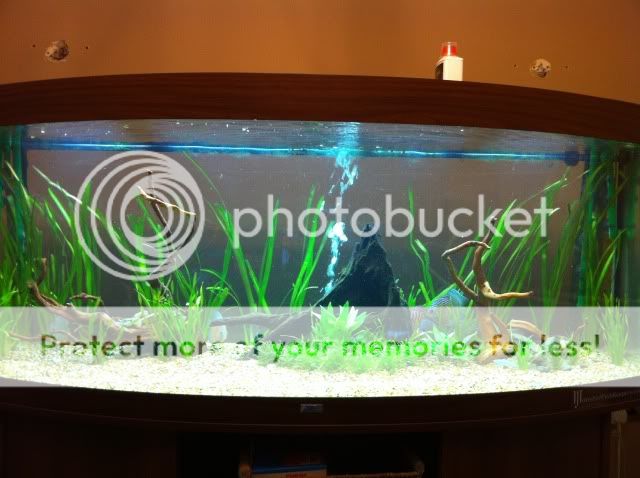
Credit: www.monsterfishkeepers.com

Credit: www.youtube.com
Frequently Asked Questions
What Are The Best Plants For Discus Tank Decoration?
The best plants for discus tanks are Amazon swords, Java fern, and Anubias. They provide shelter and improve water quality. These plants thrive in warm, soft water, matching discus tank conditions perfectly.
How To Arrange Decorations In A Discus Aquarium?
Arrange decorations to create open swimming space and hiding spots. Use smooth rocks, driftwood, and live plants. Avoid overcrowding to reduce stress and promote natural discus behavior.
Can I Use Artificial Decorations In Discus Tanks?
Yes, artificial decorations can be used if they are non-toxic and smooth. Avoid sharp edges to prevent injuries. Artificial items are easy to clean and maintain for discus tanks.
How Often Should Discus Tank Decorations Be Cleaned?
Clean decorations every 2-4 weeks to prevent algae buildup. Use gentle scrubbing with aquarium-safe tools. Avoid harsh chemicals to keep the tank environment safe for discus fish.
Conclusion
Decorating a discus tank brings beauty and comfort to your fish. Choose natural plants and smooth decorations for safety. Keep space open for swimming and easy cleaning. Use colors that make your discus stand out. Regularly check water quality to keep fish healthy.
Small changes can make a big difference. Enjoy creating a peaceful home for your discus fish. Your tank will look great and your fish will be happy. Simple, thoughtful decoration helps your discus thrive every day.