
If you want to keep your goldfish healthy and vibrant for years, understanding their bloodline is key. Your goldfish’s bloodline affects everything from their color to their lifespan.
But how do you maintain a strong, healthy bloodline without stress or confusion? You’ll discover simple, practical tips that anyone can follow. By the end, you’ll feel confident in giving your goldfish the best care possible. Keep reading to unlock the secrets to thriving goldfish bloodlines!
Choosing Quality Goldfish Bloodlines
Choosing quality goldfish bloodlines is important for healthy fish. Good bloodlines help ensure strong, vibrant goldfish.
Knowing how to pick the right bloodlines can improve your goldfish keeping experience. It helps avoid common problems.
Traits Of Healthy Bloodlines
Healthy goldfish bloodlines show consistent good traits. Look for strong body shapes and clear colors.
Good bloodlines have fish that grow well and resist diseases. They should have smooth scales and bright eyes.
- Strong, symmetrical body shape
- Vivid, even color patterns
- Clear, bright eyes
- Smooth, intact scales
- Active and alert behavior
Sources For Purebred Goldfish
Find purebred goldfish from trusted breeders or specialty stores. These sources focus on maintaining bloodline quality.
Check breeders who provide health guarantees and clear fish lineage. Avoid buying from unknown or mass sellers.
- Reputable goldfish breeders
- Specialty aquarium stores
- Goldfish clubs or societies
- Online forums with verified sellers
Avoiding Common Genetic Issues
Genetic problems can cause deformities and health issues in goldfish. Avoid inbreeding to reduce risks.
Choose fish from diverse bloodlines. Watch for signs like bent spines or poor swimming to spot genetic issues.
- Do not breed closely related fish
- Inspect fish for physical deformities
- Observe swimming and eating habits
- Replace fish with signs of genetic problems
Optimal Tank Setup
Setting up the right tank is key to keeping Goldfish bloodlines healthy. A good tank creates a safe and stable home for your fish.
Proper care starts with the tank size, water quality, and good filtration. These factors keep your Goldfish active and strong.
Tank Size And Environment
Goldfish need plenty of space to swim and grow. A small tank can stress them and harm their health.
- Use at least 20 gallons for one goldfish.
- Add 10 gallons for each extra fish.
- Choose a tank with a wide base for better swimming space.
- Keep the tank away from direct sunlight and drafts.
- Use smooth gravel or sand to protect their fins.
Water Quality Essentials
Clean water helps Goldfish live longer. Test water often to keep levels safe and balanced.
| Parameter | Ideal Range |
|---|---|
| Temperature | 65°F to 75°F (18°C to 24°C) |
| pH Level | 6.5 to 7.5 |
| Ammonia | 0 ppm |
| Nitrite | 0 ppm |
| Nitrate | Below 40 ppm |
Filtration And Aeration Tips
Good filtration removes waste and keeps water clear. Aeration adds oxygen, which fish need to breathe.
Choose filters that:
- Handle at least double the tank volume per hour.
- Use mechanical, biological, and chemical filtration.
- Are easy to clean without disturbing fish.
Use air stones or bubble wands to improve oxygen levels. Place them where water moves well.
Feeding For Vibrant Colors
Goldfish from the bloodline need good food to show their bright colors. What you feed them affects how shiny and rich their colors appear.
Feeding the right diet helps your goldfish look healthy and beautiful. Let’s explore how to feed them for the best colors.
Nutrient-rich Diet Options
Choose foods with nutrients that boost color. Carotenoids are important for red, orange, and yellow shades. Protein helps keep the fish strong and healthy.
- High-quality pellets with natural color enhancers
- Live or frozen brine shrimp and daphnia
- Vegetables like peas and spinach for vitamins
- Spirulina algae for bright green and blue hues
Feeding Frequency And Portion Control
Feed your goldfish small amounts several times daily. Overfeeding causes water problems and dull colors. Underfeeding lowers energy and color intensity.
| Feeding Times | Portion Size | Notes |
| Morning | Small | Avoid leftovers |
| Afternoon | Small | Watch fish eat all food |
| Evening | Small | Stop feeding 2 hours before lights off |
Supplements To Enhance Color
Adding supplements can improve goldfish color. Natural supplements work best without harming fish health.
- Astaxanthin powder for deep red and orange tones
- Garlic extract to boost appetite and immunity
- Vitamin C to support skin and fin health

Credit: www.youtube.com
Maintaining Goldfish Health
Goldfish need good care to stay healthy and live long. Watching their behavior and tank conditions helps keep them safe.
Good health means clean water, proper food, and quick action when fish get sick. This guide helps you protect your goldfish.
Recognizing Early Signs Of Illness
Watch your goldfish daily for changes in behavior or look. Early signs help you treat problems fast.
- Loss of appetite or refusing food
- Slow swimming or hiding more than usual
- White spots, redness, or swelling on the body
- Clamped fins or frayed tail edges
- Gasping for air at the water surface
Preventative Measures And Quarantine
Prevent illness by keeping the tank clean and stable. Quarantine new fish to stop disease spread.
| Preventative Measure | Description |
|---|---|
| Regular Water Changes | Change 20-30% water weekly to remove waste. |
| Proper Filtration | Use a filter that suits your tank size. |
| Stable Temperature | Keep water temperature between 65°F and 75°F. |
| Quarantine New Fish | Keep new fish in a separate tank for 2 weeks. |
| Balanced Feeding | Feed small amounts 2-3 times daily to avoid overfeeding. |
Common Diseases And Treatments
Goldfish can get common diseases like ich, fin rot, and swim bladder problems. Each needs special care.
- Ich (White Spot Disease):Treat with aquarium salt and medicine. Raise water temperature slightly.
- Fin Rot:Use antibacterial medicine and keep water clean.
- Swim Bladder Disorder:Feed peas and avoid overfeeding.
- Fungal Infection:Apply antifungal treatments and maintain good water quality.
Breeding Best Practices
Breeding goldfish from the same bloodline needs care and attention. Following good practices helps keep the fish healthy and strong.
This guide covers how to pick pairs, prepare for spawning, and raise the baby fish with the best care.
Selecting Breeding Pairs
Choose goldfish that show strong traits and good health. Avoid breeding fish with deformities or weak fins.
- Pick fish with clear colors and good body shape
- Choose pairs that are active and free from disease
- Match fish of similar size to reduce injury risks
- Keep bloodline information to avoid inbreeding
Spawning Conditions
Set up the tank to mimic springtime, when goldfish breed naturally. Clean water and the right temperature are key.
| Condition | Recommended |
| Water Temperature | 68°F to 74°F (20°C to 23°C) |
| Water pH | 7.0 to 7.4 |
| Light Cycle | 12 to 14 hours daily |
| Tank Size | At least 20 gallons per pair |
Raising Healthy Fry
Baby goldfish need a safe space and proper food to grow well. Keep the tank clean and watch their health closely.
- Feed fry with fine, high-quality food several times daily
- Change water regularly to keep it clean
- Separate fry from adults to prevent eating
- Monitor growth and remove sick fish promptly

Credit: www.turtlecozynest.com
Enhancing Goldfish Appearance
Goldfish are beautiful creatures that can brighten up any space. By focusing on their appearance, you can enjoy their vibrant colors and patterns.
To enhance the look of your goldfish, consider their lighting, tank decor, and maintenance. Each aspect plays a crucial role in their overall health and beauty.
Lighting Techniques
Proper lighting can highlight the natural colors of your goldfish. It also supports their health and well-being.
- Use LED lights for energy efficiency
- Ensure lights mimic natural daylight
- Avoid direct sunlight to prevent algae growth
Tank Decor To Reduce Stress
A well-decorated tank can reduce stress for your goldfish. It also provides a stimulating environment.
Add plants and ornaments that offer hiding spots. Natural decor helps fish feel secure.
Regular Maintenance Routines
Maintaining your tank regularly is key to enhancing your goldfish’s appearance. Clean water and a tidy tank improve their health.
| Task | Frequency |
| Water Change | Weekly |
| Filter Cleaning | Bi-weekly |
| Ornament Cleaning | Monthly |
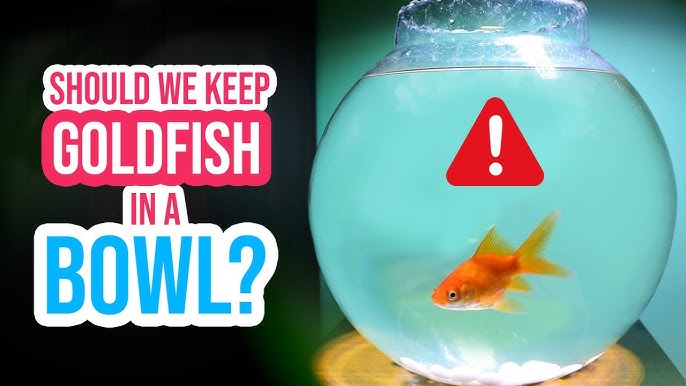
Credit: www.youtube.com
Frequently Asked Questions
What Is The Best Water Temperature For Goldfish Bloodline?
Goldfish bloodline thrives in water temperatures between 65°F and 75°F. Stable temperatures prevent stress and disease. Avoid sudden changes to keep your goldfish healthy and active.
How Often Should I Clean The Goldfish Bloodline Tank?
Clean your goldfish bloodline tank weekly by changing 20-30% of the water. Regular cleaning removes toxins and maintains water quality. Use a gravel vacuum to clean substrate without disturbing fish.
What Is The Ideal Diet For Goldfish Bloodline?
Feed goldfish bloodline a balanced diet of pellets, flakes, and occasional live foods. Include vegetables like peas for fiber. Avoid overfeeding to prevent water pollution and health issues.
How Can I Prevent Diseases In Goldfish Bloodline?
Maintain clean water, stable temperature, and a balanced diet to prevent diseases. Quarantine new fish before adding them to the tank. Regularly monitor for signs of illness and act quickly.
Conclusion
Caring for goldfish bloodlines takes patience and care. Keep their water clean and temperature steady. Feed them healthy food in small amounts daily. Watch for signs of illness and act fast. Regular tank checks help fish stay strong and happy.
Good care means beautiful, healthy goldfish for years. Small efforts make a big difference in their life. Enjoy the calm and joy goldfish bring to your home.