
If you’ve ever admired the graceful movements of molly fish, you might have noticed their beautiful tails come in different shapes and sizes. But do you know what each type means or which one is best for your aquarium?
Understanding molly fish tail types can help you choose the perfect fish that matches your style and care routine. You’ll discover the key differences between molly fish tails and learn how these variations affect their behavior and appearance. Keep reading to unlock the secrets behind these stunning tails and make the best choice for your underwater friends.
Molly Fish Basics
Molly fish are popular freshwater fish loved by many aquarium owners. They have bright colors and easy care needs. These fish live in groups and enjoy swimming in lively tanks.
Understanding molly fish helps you keep them healthy and happy. This guide covers their main traits, homes, and how to care for them.
General Characteristics
Molly fish have smooth, shiny bodies with a variety of colors. They can grow up to 4 inches long. Males usually have a pointed anal fin, called a gonopodium, while females have a fan-shaped fin.
- Livebearers, meaning they give birth to live young
- Peaceful and social fish
- Enjoy swimming in the upper and middle water layers
- Omnivores that eat plant and animal food
Common Habitats
Molly fish come from warm freshwater and brackish waters. They live in slow-moving rivers, lakes, and coastal streams. These fish adapt well to different water conditions.
| Habitat Type | Water Type | Temperature Range |
|---|---|---|
| Rivers | Freshwater | 72°F – 78°F (22°C – 26°C) |
| Lakes | Freshwater | 72°F – 78°F (22°C – 26°C) |
| Coastal Streams | Brackish | 74°F – 80°F (23°C – 27°C) |
Care Requirements
Keeping molly fish healthy requires clean water and a balanced diet. They do best in tanks with plants and hiding spots. Regular water changes help maintain good water quality.
- Tank size of at least 20 gallons
- Water temperature between 72°F and 78°F (22°C – 26°C)
- pH level from 7.5 to 8.5
- Feed a mix of flakes, pellets, and vegetables
- Provide gentle water flow and moderate lighting

Credit: www.aquariumsource.com
Tail Types Overview
Molly fish have different tail shapes that affect their swimming and looks. Each tail type gives the fish a unique style.
Knowing the tail types helps you understand how mollies move and behave. It also helps in choosing the right fish for your tank.
Importance Of Tail Shape
The tail shape controls how fast and well a molly fish swims. Some tails are good for quick moves, others for steady swimming.
Tail shapes also affect the fish’s balance and ability to turn. This helps them escape predators or catch food.
Tail Types Classification
Molly fish tails come in many shapes. The main types are fan tail, sailfin tail, and lyre tail.
- Fan Tail:Rounded and wide, good for smooth swimming.
- Sailfin Tail:Large and tall, looks like a sail, used for display.
- Lyre Tail:Shaped like a lyre or fork, helps quick turns.
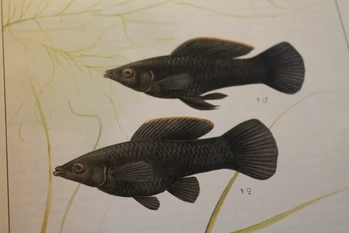
Sailfin Molly Tail
The Sailfin Molly is a popular type of molly fish known for its large, flowing tail fin. This tail is wider and taller compared to other molly varieties. It gives the fish an elegant and striking look in any aquarium.
The tail fin is not just for show. It helps the fish swim with grace and signals its health and mood. Understanding the Sailfin Molly tail helps in identifying and caring for this beautiful fish.
Distinctive Features
The Sailfin Molly tail has some unique traits that make it stand out. Its size and shape are different from other molly tails. The fin often looks like a sail, which is how the fish got its name.
- Large and fan-shaped tail fin
- Taller than the body height
- Wide base near the body
- Edges are smooth or slightly rounded
- Moves smoothly while swimming
Color Variations
Sailfin Mollies come in many colors. Their tail colors can match or differ from their body. Bright and shiny colors make them popular among aquarium owners.
| Color Type | Tail Color | Body Color |
|---|---|---|
| Silver | Silver with light reflections | Light gray to silver |
| Black | Deep black or dark gray | Black or charcoal gray |
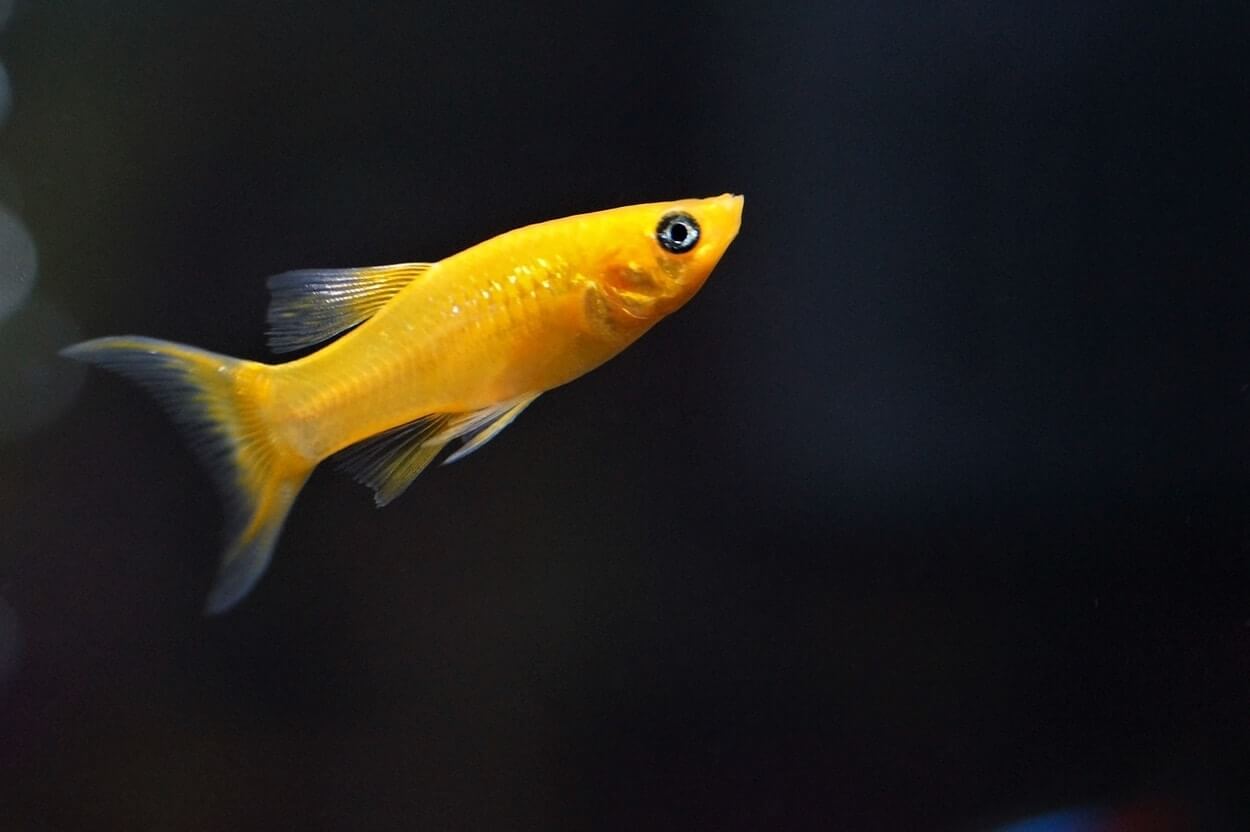
| Golden | Bright yellow to orange | Yellow or gold shades |
| Dalmatian | Spotted pattern of black and white | White with black spots |
Ideal Tank Setup
Creating the right tank setup helps Sailfin Mollies thrive. They need clean water, enough space, and proper decorations. A good setup keeps their tail healthy and colorful.
- Tank size: At least 20 gallons
- Water temperature: 72-78°F (22-26°C)
- pH level: 7.5 to 8.5
- Plants: Live plants like Java fern or Anubias
- Substrate: Sand or fine gravel
- Filtration: Moderate flow filter
- Lighting: Moderate to bright
Credit: the-aquatic.fandom.com
Lyretail Molly
The Lyretail Molly is a popular freshwater fish known for its unique tail shape. It belongs to the Molly family and is often kept in home aquariums. This fish is admired for its beauty and peaceful nature.
In this article, we explore details about the Lyretail Molly’s tail shape, behavior, and compatibility with other fish. Understanding these traits helps in proper care and tank setup.
Tail Shape Details
The Lyretail Molly has a distinct tail fin that looks like a lyre, a small harp. Its tail edges curve outward with a deep fork in the middle. This shape makes the fish easy to identify among other Mollies.
- Wide tail base for strong swimming
- Curved upper and lower tail lobes
- Deep fork in the tail fin
- Often shows bright colors and patterns
Behavior Traits
Lyretail Mollies are calm and social fish. They prefer to live in groups and enjoy swimming actively. These fish spend much time exploring their tank and interacting with others.
| Trait | Description |
| Activity Level | Moderate to high |
| Temperament | Peaceful and friendly |
| Social Behavior | Likes groups, avoids aggression |
| Breeding | Livebearer, produces many fry |
Compatibility
Lyretail Mollies get along well with many fish species. They do best with other peaceful fish that live in similar water conditions. Avoid aggressive fish that might stress them.
- Suitable tank mates: guppies, platies, swordtails
- Avoid large or aggressive fish
- Keep in groups of at least three Mollies
- Provide plenty of plants and hiding spots
Wagtail Molly
The Wagtail Molly is a popular type of Molly fish. It is well known for its unique tail shape and lively swimming style. This fish is a favorite among aquarium hobbyists because of its active behavior and attractive appearance.
In this article, we will explain the tail movement patterns, appearance, and care tips for the Wagtail Molly. Understanding these aspects helps keep your fish healthy and happy.
Tail Movement Patterns
The Wagtail Molly has a distinctive tail that moves quickly from side to side. This wagging motion gives the fish its name. The tail helps the fish swim with speed and agility.
- Tail moves in a rapid, wagging motion
- Helps the fish change direction easily
- Supports fast swimming in the tank
- Displays energy and health of the fish
Appearance
The Wagtail Molly has a slender body and a long tail fin that tapers to a point. The tail fin often has a dark edge, making it stand out. Colors vary from silver to black, sometimes with spots or patterns on the body.
| Feature | Description |
| Body Shape | Slim and streamlined |
| Tail Shape | Long and pointed, wagging side to side |
| Colors | Silver, black, sometimes spotted |
| Size | Up to 3 inches (7.5 cm) |
Care Tips
The Wagtail Molly is easy to care for, but it needs a clean and stable environment. It prefers slightly salty or hard water and a temperature between 72°F and 78°F (22°C to 26°C). Regular feeding and tank cleaning keep the fish healthy.
- Keep water clean with regular changes
- Maintain temperature between 72°F and 78°F
- Feed a balanced diet of flakes and live food
- Avoid overcrowding the tank
- Provide hiding spots with plants or decorations
Deltatail Molly
The Deltatail Molly is a popular type of molly fish known for its distinct tail shape. This fish stands out due to the wide, triangular tail fin that resembles the Greek letter delta.
Many aquarium hobbyists enjoy keeping Deltatail Mollies because of their attractive appearance and lively behavior. Understanding their tail structure and care needs helps keep them healthy.
Tail Structure
The Deltatail Molly’s tail is broad and shaped like a triangle. It spreads out wide from the body and has a sharp edge. This tail type helps the fish swim with quick, smooth movements.
- Wide, triangular shape
- Sharp, straight edges
- Large surface area for swimming
- Distinct from round or fan-shaped tails
Popularity Among Hobbyists
Deltatail Mollies are popular because they add color and life to freshwater tanks. They are easy to care for and get along well with other peaceful fish.
| Reason | Details |
| Appearance | Bright colors and unique tail shape |
| Temperament | Peaceful and social with other fish |
| Care | Hardy and adaptable to many water conditions |
| Size | Small to medium, fits most tanks |
Breeding Considerations
Breeding Deltatail Mollies is common among hobbyists. They are livebearers, which means they give birth to live young instead of eggs.
- Provide a separate breeding tank to protect fry
- Keep water clean and stable in temperature
- Feed adults high-quality food to improve fry survival
- Remove adults after birth to prevent eating the young
- Fry grow fast and need small, frequent feedings
Other Rare Tail Types
Molly fish have many tail shapes. Some tails are rare and unique.
This section explains three rare tail types: Spade Tail, Round Tail, and Double Tail.
Spade Tail
The spade tail looks like a small shovel or spade. It has a broad base that narrows to a point.
This tail type helps molly fish swim with quick, sharp turns. It is not common in most molly breeds.
Round Tail
A round tail is smooth and curved at the edges. It looks like a half circle.
- Provides steady swimming speed
- Offers better control in water
- Rarely found in wild molly fish
Double Tail
The double tail has two distinct lobes. It looks like two tails joined at the base.
| Feature | Description |
|---|---|
| Appearance | Two separate tail lobes |
| Swimming | Slower but graceful movements |
| Rarity | Very rare in molly fish |
Choosing The Right Molly Tail
Molly fish come with different tail types that affect their swimming and care. Picking the right tail helps keep your fish happy and healthy. It also fits well with your aquarium setup.
This guide explains how to choose a molly tail based on tank size, fish compatibility, and your own preferences.
Tank Size And Environment
The size of your tank matters when choosing a molly tail. Some tails need more space to swim freely. Others do better in smaller tanks.
- Short, rounded tails suit small tanks well.
- Long, flowing tails need bigger tanks with open space.
- Heavy tail fins may require gentle water flow.
- Dense plants help fish with large tails hide and feel safe.
Compatibility With Other Fish
Molly tail types affect how your fish get along with others. Some tails make fish slower or more noticeable.
| Tail Type | Speed | Best Tank Mates | Notes |
|---|---|---|---|
| Short Tail | Fast | Active, peaceful fish | Less chance of fin nipping |
| Veil Tail | Slow | Calm, non-aggressive fish | May attract fin nippers |
| Fan Tail | Moderate | Mixed community fish | Moderate fin care needed |
Personal Aesthetic Preferences
Your choice of molly tail can also reflect your style. Some tails look elegant, while others are bold and eye-catching.
Here are some common molly tail types and their looks:
- Veil Tail:Long and flowing, adds grace to your tank.
- Fan Tail:Wide and rounded, stands out with its shape.
- Short Tail:Simple and sleek, perfect for a minimal look.
Common Health Issues
Molly fish are popular pets due to their vibrant tails. However, their tails can face health issues. Understanding these problems helps in keeping them healthy.
Tail damage is a common issue. It affects the fish’s ability to swim. Let’s explore the causes and how to handle them.
Tail Damage Causes
Several factors can damage a molly fish’s tail. Poor water quality is a major cause. Dirty water affects their health.
Aggressive tank mates can also cause tail damage. They may nip or bite at the molly’s tail.
- Dirty water conditions
- Aggressive tank mates
- Sharp objects in the tank
Prevention Strategies
Preventing tail damage is crucial for molly fish health. Regularly check water quality. Clean the tank to keep it healthy.
Choose peaceful tank mates. Avoid aggressive species that might harm the molly fish.
- Maintain clean water
- Select peaceful tank mates
- Remove sharp objects
Treatment Options
Treat damaged tails by improving water quality. Use water conditioners to keep it clean.
Separate injured fish in a hospital tank. This prevents further injury and allows healing.
- Improve water quality
- Use water conditioners
- Isolate injured fish
Breeding Tips For Tail Varieties
Molly fish are popular for their beautiful tail types. Breeding them for specific tail varieties can be rewarding. It’s important to understand the basics of selective breeding and care for their offspring.
This guide will help you explore methods to breed molly fish with unique tails. From selecting the right parents to ensuring the fry grow healthy, each step matters.
Selective Breeding Methods
Selecting parents with desired tail types is crucial. Look for molly fish with strong tail characteristics. This increases the chances of passing these traits to their fry.
Keep a breeding log to track the traits of different pairs. This helps in identifying successful combinations over time.
- Choose fish with vibrant colors and strong tails
- Monitor breeding pairs for desired traits
- Document results to improve future breeding
Maintaining Tail Traits
Once you have the desired tail traits, maintaining them is important. Regularly breed fish that consistently show these traits. Avoid mixing with fish that have different tail types.
Provide a stable environment for your molly fish. Good water quality and proper nutrition support the health of their tails.
- Consistently breed fish with desired traits
- Avoid crossbreeding with different tail types
- Ensure a healthy environment for growth
Raising Fry Successfully
Raising fry requires special attention. Separate them from adult fish to prevent harm. Use a breeding tank with gentle filtration to keep them safe.
Feed the fry with high-quality food designed for young fish. Monitor their growth and adjust feeding as needed to ensure they develop strong tails.
- Keep fry in a separate, safe tank
- Provide gentle filtration and clean water
- Feed them with appropriate fry food
Credit: www.aquariumsource.com
Frequently Asked Questions
What Are The Common Molly Fish Tail Types?
Molly fish tails include round, sword, lyretail, and fan-shaped varieties. Each tail type affects swimming style and appearance, adding unique charm to aquariums.
How To Identify A Molly Fish Tail Type?
Look at the tail shape and fin length. Round tails are smooth and curved, while sword tails have elongated extensions. Lyretails have forked ends.
Does Tail Type Affect Molly Fish Behavior?
Yes, tail types can influence swimming speed and agility. Sword tails often swim faster, while round tails move more slowly but gracefully.
Can Tail Types Indicate Molly Fish Health?
Tail condition can show health status. Torn or clamped tails may signal stress or illness, so regular tail inspection is important for care.
Conclusion
Molly fish come in many tail types, each with its own charm. Choosing the right tail can brighten your aquarium. Some tails are long and flowing, while others are short and sturdy. Knowing the differences helps you pick the best for your tank.
Enjoy watching your mollies swim with style. Care is simple once you understand their needs. Keep your fish healthy and happy every day. Tail types add beauty and variety to your fish collection. Explore and enjoy the colorful world of molly fish tails.