
If you’re serious about keeping cichlids and want to maintain strong, healthy bloodlines, this guide is made just for you. Your cichlids aren’t just fish—they’re a living legacy that depends on your care and attention.
Knowing how to keep their bloodline pure and vibrant can make all the difference between a thriving aquarium and one full of stress and disease. Ready to unlock the secrets that experts use to protect and improve cichlid bloodlines? Keep reading, because your fish—and your tank’s future—will thank you.
Choosing The Right Cichlid Bloodline
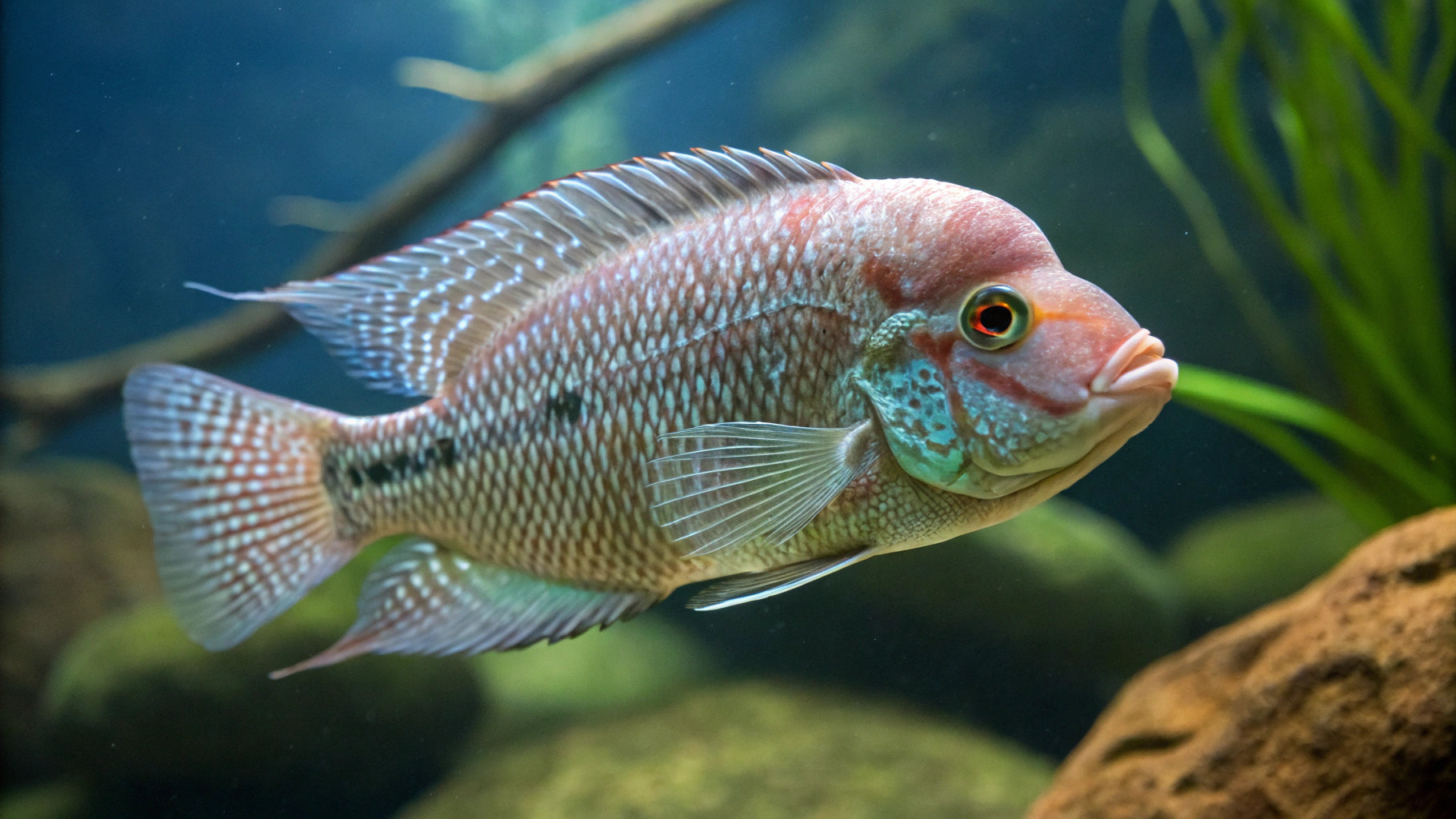
Choosing the right cichlid bloodline helps you keep healthy fish. Different bloodlines have unique traits and needs.
Understanding popular bloodlines and how to select healthy fish is key. Avoiding inbreeding keeps your cichlids strong.
Popular Bloodlines And Their Traits
Each cichlid bloodline has traits like color, size, and behavior. Knowing these traits helps you pick the right type.
- Electric Blue:Bright blue color, peaceful but active.
- Red Devil:Large size, aggressive temperament.
- Blood Parrot:Rounded body, friendly nature.
- Venustus:Spotted pattern, medium aggression.
Selecting Healthy Specimens
Healthy cichlids swim actively and have clear eyes. Avoid fish with torn fins or spots on their body.
| Health Sign | What to Look For |
| Fins | Intact and spread out |
| Eyes | Clear and bright |
| Body | No white spots or wounds |
| Behavior | Active and alert |
Avoiding Inbreeding Problems
Inbreeding causes weak fish and health issues. Keep bloodlines diverse by mixing different strains.
- Buy cichlids from different breeders.
- Check family history if possible.
- Do not breed close relatives.
- Replace old stock with new bloodlines regularly.
Credit: www.battlbox.com
Setting Up The Ideal Aquarium
Cichlid bloodlines need a well-planned aquarium to thrive. A good setup helps keep them healthy and active.
Choosing the right tank size, water conditions, and decorations is key. These factors create a natural home for your fish.
Tank Size Recommendations
Choose a tank that gives your cichlids enough space to swim and grow. Small tanks stress the fish and limit their health.
- A minimum of 30 gallons is best for small cichlid groups.
- Larger species need tanks of 50 gallons or more.
- Keep in mind the adult size of your fish when picking a tank.
- Provide plenty of open swimming areas with some hiding spots.
Water Parameters To Maintain
Stable water conditions keep your cichlids healthy. Test water often to avoid sudden changes.
| Parameter | Ideal Range | Notes |
| Temperature | 75-82°F (24-28°C) | Keep steady with a heater |
| pH Level | 7.5-8.5 | Use buffers if needed |
| Hardness (GH) | 10-20 dGH | Depends on cichlid species |
| Ammonia & Nitrites | 0 ppm | Always toxic to fish |
Substrate And Decoration Choices
Substrate and decorations give your cichlids places to hide and explore. They also affect water quality.
- Use sand or fine gravel as substrate for easy digging.
- Add rocks and caves for hiding spots and territory.
- Avoid sharp decorations that can hurt your fish.
- Live plants may be uprooted, so choose hardy species or artificial plants.
Feeding Strategies For Strong Bloodlines
Feeding cichlids properly helps keep their bloodlines strong. Good nutrition supports growth and health.
Choosing the right foods and feeding schedules is key to maintaining vibrant and healthy cichlids.
Balanced Diet Essentials
A balanced diet gives cichlids all the nutrients they need. Protein, fats, and vitamins are important.
Use high-quality pellets or flakes made for cichlids as a base diet. These provide steady nutrition.
- Protein supports muscle and color development
- Fats provide energy and support cell function
- Vitamins boost immunity and growth
- Fiber helps digestion
Supplementing With Live And Frozen Foods
Live and frozen foods add variety and extra nutrients. They mimic natural feeding habits.
Common options include brine shrimp, bloodworms, and daphnia. These foods improve color and health.
- Brine shrimp are rich in protein and easy to digest
- Bloodworms boost energy and growth
- Daphnia improve digestion and add fiber
- Offer these foods a few times a week
Feeding Frequency And Portions
Feed cichlids small amounts two to three times daily. Overfeeding causes water problems.
Watch how much your fish eat in five minutes. Remove leftover food to keep the tank clean.
- Feed young cichlids more often, up to three times daily
- Adult cichlids need less frequent feeding, two times daily
- Adjust portion size so fish finish food quickly
- Keep feeding consistent for steady growth
Breeding Techniques For Quality Offspring
Cichlids are fascinating fish with vibrant colors and unique behaviors. Breeding them requires patience and knowledge. Quality offspring depend on various factors.
To ensure healthy cichlid fry, focus on pair selection, spawning environment, and fry care. Let’s explore each area in detail.
Pair Selection And Conditioning
Choosing the right pair is crucial for breeding success. Look for healthy, vibrant fish with strong genetics. Proper conditioning is also key.
- Feed a high-quality diet rich in proteins
- Provide a stress-free environment
- Monitor for signs of readiness, like increased color
Spawning Environment Setup
A proper spawning environment encourages successful breeding. Ensure the tank is clean and has suitable hiding spots.
| Element | Recommendation |
| Water Temperature | 78-82°F (25-28°C) |
| pH Level | 6.5 to 7.5 |
| Hiding Spots | Caves, rocks, or plants |
Caring For Fry And Juveniles
Once the fry are born, their care is critical. Provide appropriate food and maintain optimal water conditions. Watch their growth closely.
Ensure frequent water changes to maintain quality. Use a sponge filter to protect the fry from getting sucked in.
- Feed fry with infusoria or liquid fry food
- Gradually introduce larger foods as they grow
- Separate juveniles to reduce aggression
Health Management And Disease Prevention
Keeping cichlids healthy means managing their environment well. Good care helps stop illnesses early.
Preventing disease keeps your fish happy and alive longer. Watch for signs of sickness every day.
Common Illnesses In Cichlids
Cichlids can get many illnesses like fin rot and ich. These diseases affect their skin and fins.
Look for white spots, torn fins, or slow swimming. Early treatment helps stop the disease spread.
- Fin rot causes ragged fins and redness.
- Ich shows small white spots on fish body.
- Swim bladder issues make fish float oddly.
- Fungal infections appear as cotton-like patches.
- Bacterial infections cause sores or ulcers.
Quarantine Procedures
Always isolate new fish for at least two weeks. This stops diseases from spreading to your main tank.
Watch quarantined fish for any signs of illness. Treat sickness before adding them to the community tank.
- Use a separate tank for quarantine.
- Keep water clean and stable in quarantine.
- Feed and observe fish daily for changes.
- Remove sick fish immediately from quarantine.
- Use medication if needed to treat diseases.
Maintaining Water Quality
Clean water is key to healthy cichlids. Test water often for ammonia, nitrites, and nitrates.
Regular water changes keep toxins low. Use a good filter and avoid overfeeding fish.
- Test water weekly with a reliable kit.
- Change 20-30% of water every week.
- Remove uneaten food to prevent decay.
- Keep tank temperature stable for cichlids.
- Clean filter media without harsh chemicals.

Credit: m.youtube.com
Maintaining Genetic Diversity
Cichlid enthusiasts value the genetic diversity of their fish. This diversity ensures strong and healthy fish populations. It also preserves unique traits in cichlid species.
Managing genetic diversity in cichlid breeding involves careful planning. Breeders must track bloodlines and introduce new genes to avoid inbreeding.
Tracking Bloodline Lineage
Tracking bloodline lineage helps maintain genetic diversity. It involves keeping detailed records of parent fish and their offspring. This practice helps breeders avoid mating closely related fish.
Lineage tracking can be done using simple methods. Breeders can use charts or software to map out family trees.
- Record the parents of each fish
- Note unique traits of each lineage
- Use software for complex lineages
Introducing New Genetic Material
Introducing new genetic material is crucial. It prevents genetic bottlenecks and enhances diversity. Breeders can introduce new fish from different sources.
New genetic material can bring fresh traits. It also strengthens the overall health of the fish population.
- Acquire fish from different breeders
- Exchange fish with trusted breeders
- Introduce wild-caught fish carefully
Record Keeping Practices
Good record keeping is vital for maintaining genetic diversity. Accurate records allow breeders to track lineage and health. Consistent documentation helps in breeding decisions.
Records should include details about each fish. This includes their origin, traits, and health history.
- Maintain detailed logs for each fish
- Update records regularly
- Use digital tools for easy access
Behavioral Observation And Social Dynamics
Cichlid bloodline keeping needs careful watching of their behavior. These fish show clear signs in how they act with others. Understanding their social life helps keep them healthy and happy.
Watching their actions helps spot problems early. It also helps create a good environment for all fish to live together. Learn to read their behavior for better care.
Recognizing Stress Signs
Stress in cichlids can cause illness and death. Watch for changes in color, hiding more, or loss of appetite. Fish that stay still or breathe fast may feel stressed.
Look for these signs often. Early detection helps you fix problems like water quality or tank mates. Healthy fish are active and curious.
- Faded or dull colors
- Hiding or avoiding other fish
- Loss of appetite or not eating
- Rapid breathing or gill movement
- Restlessness or frantic swimming
Managing Aggression
Cichlids can be aggressive, especially during breeding. Watch for chasing, biting, or fin nipping. Too much fighting can hurt or stress your fish.
Reduce fights by giving enough space and hiding spots. Separate very aggressive fish if needed. Keep groups balanced with similar sizes and temperaments.
- Provide plenty of rocks and plants for hiding
- Avoid overcrowding the tank
- Use tank dividers for very aggressive fish
- Keep fish of similar size together
- Observe daily for signs of fights
Promoting Natural Behaviors
Cichlids show many natural behaviors like digging, building nests, and guarding territory. Encourage these by adding sand and rocks. This helps them feel safe and active.
Feed a varied diet to support their health. Mimic their natural environment for best results. Healthy fish display bright colors and lively actions.
- Use sand substrate for digging
- Add rocks and caves for shelter
- Feed pellets, flakes, and live food
- Keep water clean and stable
- Observe to learn their unique behaviors

Credit: www.youtube.com
Frequently Asked Questions
What Is The Ideal Tank Size For Cichlid Bloodlines?
A minimum of 30 gallons is recommended for most cichlid bloodlines. Larger tanks support better territorial behavior and reduce stress. Proper space promotes healthy growth and vibrant coloration.
How Often Should I Change Water In A Cichlid Tank?
Perform a 20-30% water change every week to maintain water quality. Regular changes prevent toxin buildup and keep cichlids healthy. Stable water parameters are essential for bloodline preservation.
What Diet Is Best For Cichlid Bloodline Health?
Feed a balanced diet including high-quality pellets, live, and frozen foods. Protein-rich meals promote growth and vibrant colors. Avoid overfeeding to prevent water pollution and health issues.
How Do I Manage Aggression Among Cichlid Bloodlines?
Provide plenty of hiding spots and establish territories using rocks and plants. Maintain proper tank size to reduce stress. Monitoring behavior regularly helps to separate overly aggressive fish timely.
Conclusion
Caring for cichlid bloodlines takes patience and care. Keep their water clean and stable. Feed them balanced food regularly. Watch for signs of stress or illness. Separate aggressive fish to avoid fights. Regularly check water parameters for best health. Clean tanks often to prevent disease.
These steps help maintain strong, healthy cichlids. Enjoy watching your fish thrive and grow. Simple care makes a big difference in their life.