
Choosing the right plants for your guppy tank can make all the difference in creating a vibrant, healthy environment for your fish. You want your guppies to feel safe, active, and happy, and the plants you pick play a big role in that.
But with so many options out there, how do you know which ones will thrive and keep your guppies thriving too? This guide will help you discover the best plants that not only look great but also support your guppies’ health and behavior.
Keep reading to find out how to make your tank a lush, lively home your guppies will love.

Credit: www.reddit.com
Benefits Of Plants In Guppy Tanks
Adding plants to a guppy tank helps create a healthy and natural environment. Plants support the fish in many ways.
They improve water quality, offer shelter, and make the tank look better. Choosing the right plants is important for guppy tanks.
Enhancing Water Quality
Plants absorb harmful chemicals like ammonia and nitrates from the water. This keeps the water cleaner and safer for guppies.
They also produce oxygen during the day, which helps fish breathe better. Good water quality reduces fish stress and illness.
- Absorb toxins such as ammonia and nitrates
- Increase oxygen levels in the tank
- Help balance the tank’s ecosystem naturally
Providing Shelter And Breeding Grounds
Plants give guppies places to hide from predators and feel safe. This reduces stress and keeps them calm.
They also serve as good spots for guppies to lay eggs and for fry to hide. This helps improve breeding success.
- Offer hiding spots for adult guppies
- Provide safe places for fry to grow
- Create natural breeding areas
Improving Tank Aesthetics
Plants add natural beauty to guppy tanks with green leaves and interesting shapes. They make the tank more pleasant to look at.
A well-planted tank looks lively and healthy. It also helps create a natural habitat that mimics wild conditions for guppies.
- Adds color and texture to the tank
- Makes the aquarium look natural
- Enhances the overall visual appeal
Key Factors For Plant Selection
Choosing the right plants for a guppy tank is important. Plants help keep the water clean and provide shelter.
Picking plants that suit your tank and fish makes it easier to care for them. This guide covers key points to think about.
Light Requirements
Plants need light to grow. Different plants need different amounts of light. Some need bright light, others do fine in low light.
Choose plants that match the light you can provide in your tank. Too much light can cause algae. Too little light slows plant growth.
- High light plants need 10-12 hours of bright light daily
- Low light plants grow well under dimmer conditions
- Moderate light plants are easier to maintain for beginners
Growth Rate And Maintenance
Some plants grow fast and need frequent trimming. Others grow slowly and need little care. Choose plants that fit your time.
Fast-growing plants can help control algae but need more work. Slow growers are good for low-maintenance tanks.
- Fast growers: hornwort, water wisteria
- Slow growers: java fern, anubias
- Consider how much time you have for trimming and cleaning
Compatibility With Guppies
Guppies like plants they can swim through and hide in. Choose plants with soft leaves to avoid harm to fish.
Avoid sharp or tough plants. Guppies may nibble on some plants, so pick species that can handle light nibbling.
- Soft leaf plants: java moss, hornwort
- Avoid plants with sharp edges
- Plants provide hiding spots to reduce guppy stress
Top Plants For Guppy Tanks
Choosing the right plants for your guppy tank helps create a healthy home. Plants provide hiding spots and improve water quality.
Some plants are easy to care for and grow well with guppies. Here are top picks for your aquarium.
Java Moss
Java moss is a popular plant that grows quickly and attaches to surfaces. It offers great cover for baby guppies.
This plant needs low light and little care. It helps keep the tank clean by absorbing waste.
Anubias
Anubias plants have thick leaves and grow slowly. They can attach to rocks or driftwood easily.
They do well in low light and do not need special fertilizers. Guppies like to swim around them.
Amazon Sword
The Amazon sword is a tall plant with broad leaves. It creates shade and hiding places for your fish.
This plant needs moderate light and nutrients from the soil. It grows well in larger tanks.
Hornwort
Hornwort is a fast-growing floating plant. It helps reduce algae by using excess nutrients.
This plant does not need planting and can float or be anchored in the tank. Guppies enjoy hiding in it.
Water Wisteria
Water wisteria has bright green leaves that spread out nicely. It grows quickly and oxygenates the water.
This plant prefers medium light and regular trimming. It gives guppies places to explore and rest.

Credit: buceplant.com
Floating Vs. Rooted Plants
Choosing the right plants for your guppy tank is important. Plants help keep the water clean and provide hiding spots.
There are two main types of plants: floating and rooted. Each has unique benefits for your tank environment.
Advantages Of Floating Plants
Floating plants float on the water surface. They do not need soil to grow. They offer many benefits for guppy tanks.
- Provide shade that reduces algae growth
- Offer hiding spots for baby guppies
- Help absorb excess nutrients from water
- Easy to move or remove when needed
- Increase oxygen levels in the water
Benefits Of Rooted Plants
Rooted plants grow in the tank substrate. They anchor firmly and add natural beauty to the aquarium.
| Benefit | Description |
| Stable Environment | Roots help prevent substrate erosion and keep the tank stable. |
| Natural Shelter | Leaves and stems give guppies places to hide and rest. |
| Water Quality | Roots absorb nitrates, improving water quality. |
| Tank Decoration | Provide a natural, lush look to the aquarium. |
Plant Care Tips For Vibrant Aquascapes
Choosing the right plants for your guppy tank helps create a lively and healthy environment. Proper care keeps plants green and strong.
Good plant care supports fish health and makes your aquarium look beautiful. Follow simple tips to maintain vibrant aquascapes.
Lighting And Fertilization
Plants need enough light to grow well in your guppy tank. Use aquarium lights that provide 8 to 10 hours of light daily.
Fertilizers supply essential nutrients. Use liquid or root fertilizers to help plants stay healthy and green.
- Choose full-spectrum LED lights for best growth
- Keep light on a timer for consistent daily hours
- Use fertilizers with iron, potassium, and nitrogen
- Follow product instructions to avoid over-fertilizing
Trimming And Pruning
Trim dead or overgrown leaves to keep plants healthy. Pruning helps plants grow fuller and stops them from crowding the tank.
Regular trimming improves water flow and light reach. Remove cut parts carefully and avoid damaging healthy stems.
- Use sharp scissors made for aquarium plants
- Trim slowly to avoid stressing plants
- Remove brown or decaying leaves promptly
- Keep plants spaced to allow growth
Preventing Algae Growth
Algae can harm plants and make the tank look dirty. Keep algae under control by balancing light and nutrients.
Clean the tank regularly and avoid overfeeding fish. Algae eaters like snails or shrimp can help reduce algae naturally.
- Limit light to 8-10 hours daily
- Do partial water changes weekly
- Remove algae from glass and plants manually
- Use algae-eating fish or invertebrates
Common Challenges And Solutions
Guppy tanks are vibrant with plants and fish. But, they come with challenges. Owners often face issues with plant eaters, nutrient deficiencies, and balancing needs.
Understanding these challenges helps create a thriving environment. Let’s explore solutions to these common problems.
Dealing With Plant Eaters
Some fish nibble on plants, which can damage them. Guppies and other fish sometimes eat leaves. This can stop plants from growing well.
To prevent this, choose plants that fish don’t like. You can also feed fish well, so they do not eat plants. Adding more plants can also help spread out the damage.
- Pick hardy plants like Java Fern
- Feed fish often to reduce plant nibbling
- Increase plant variety to minimize damage
Managing Nutrient Deficiencies
Plants need nutrients to grow. Sometimes, tanks lack these nutrients. This can cause plants to turn yellow or have stunted growth.
To fix this, use plant fertilizers. Liquid fertilizers can be added to the water. Root tabs can be placed near plant roots.
- Use liquid fertilizers weekly
- Place root tabs near plant roots
- Test water regularly for nutrient levels
Balancing Plant And Fish Needs
Both plants and fish need care. Sometimes, their needs can conflict. Too many plants can lower oxygen for fish.
To balance needs, ensure good lighting. It helps plants grow and provides oxygen. Regular water changes also maintain a healthy tank.
- Provide adequate lighting for plant growth
- Perform regular water changes
- Monitor fish behavior for stress signs
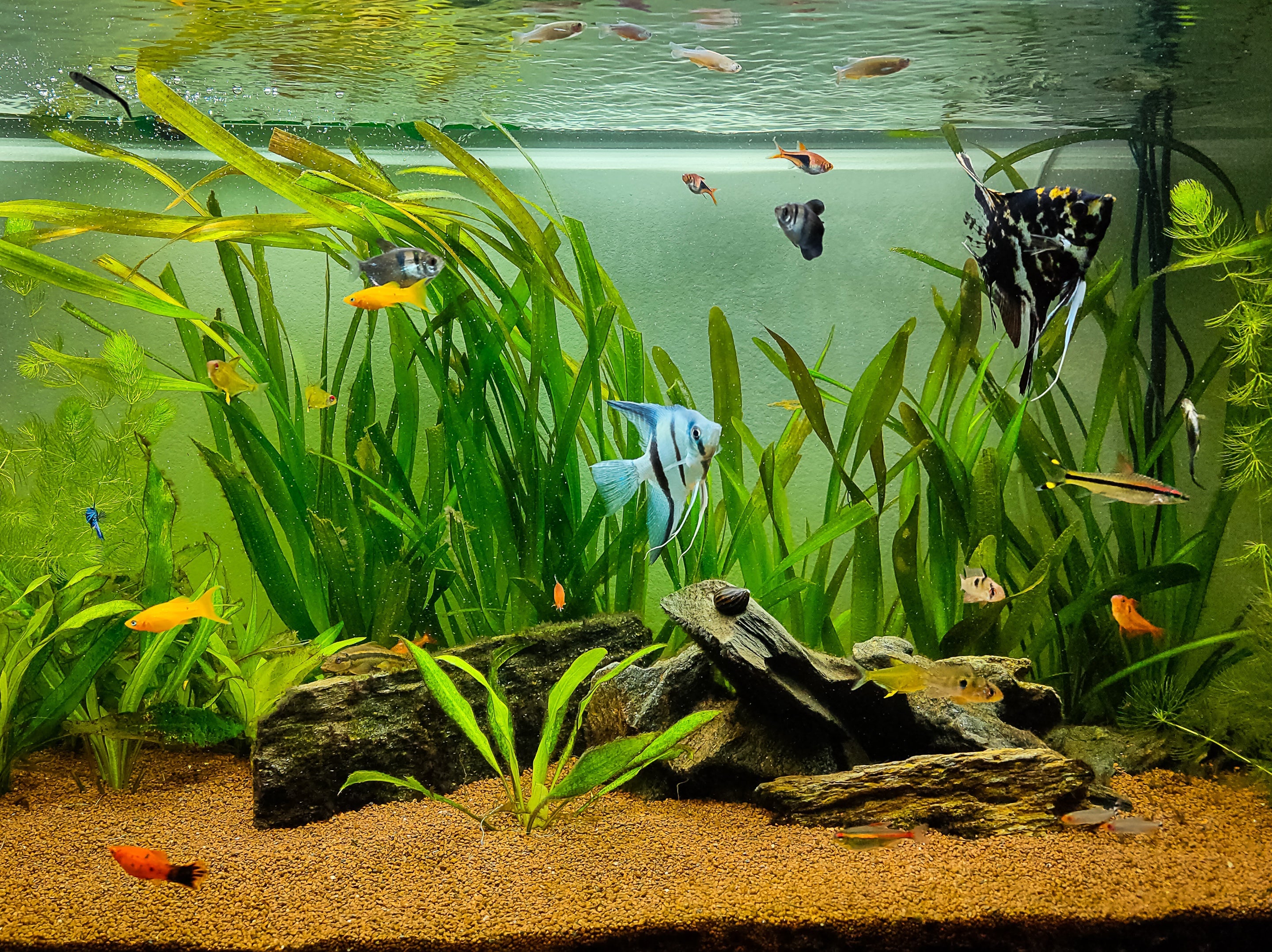
Credit: splashyfishstore.com
Frequently Asked Questions
What Are The Best Plants For A Guppy Tank?
Ideal plants for guppy tanks include Java moss, Anubias, and Hornwort. These plants provide hiding spots and oxygen, enhancing guppy health and tank aesthetics.
How Do Plants Benefit Guppy Fish In Tanks?
Plants improve water quality by absorbing nitrates and provide shelter. They reduce stress and encourage natural behavior in guppies, promoting a healthier environment.
Can Guppies Eat Live Plants In The Aquarium?
Guppies may nibble on soft plants but usually don’t harm hardy species. Choose tough plants like Anubias to prevent damage and maintain tank greenery.
How Many Plants Should I Add To A Guppy Tank?
Aim for moderate plant coverage, about 50-70% of the tank area. This balance offers shelter without overcrowding, ensuring good swimming space for guppies.
Conclusion
Choosing the right plants for your guppy tank helps keep fish happy and healthy. Plants provide shelter and improve water quality. Simple plants like Java moss or Anubias work well. They need low light and little care. Adding plants creates a natural and calm tank space.
Watch your guppies explore and hide among the leaves. Healthy plants support a balanced tank environment. Enjoy the beauty and benefits plants bring to your guppy home. Keep plants clean and trim them often to stay fresh. Your guppies will thank you with lively colors and good health.