
Choosing the right substrate for your cichlid tank is more important than you might think. It affects your fish’s health, behavior, and even the look of your aquarium.
If you want your cichlids to thrive and show their true colors, you need to pick the perfect base for them to live on. You’ll discover the best substrate options tailored for cichlids, helping you create a beautiful and balanced environment.
Keep reading—your fish will thank you!
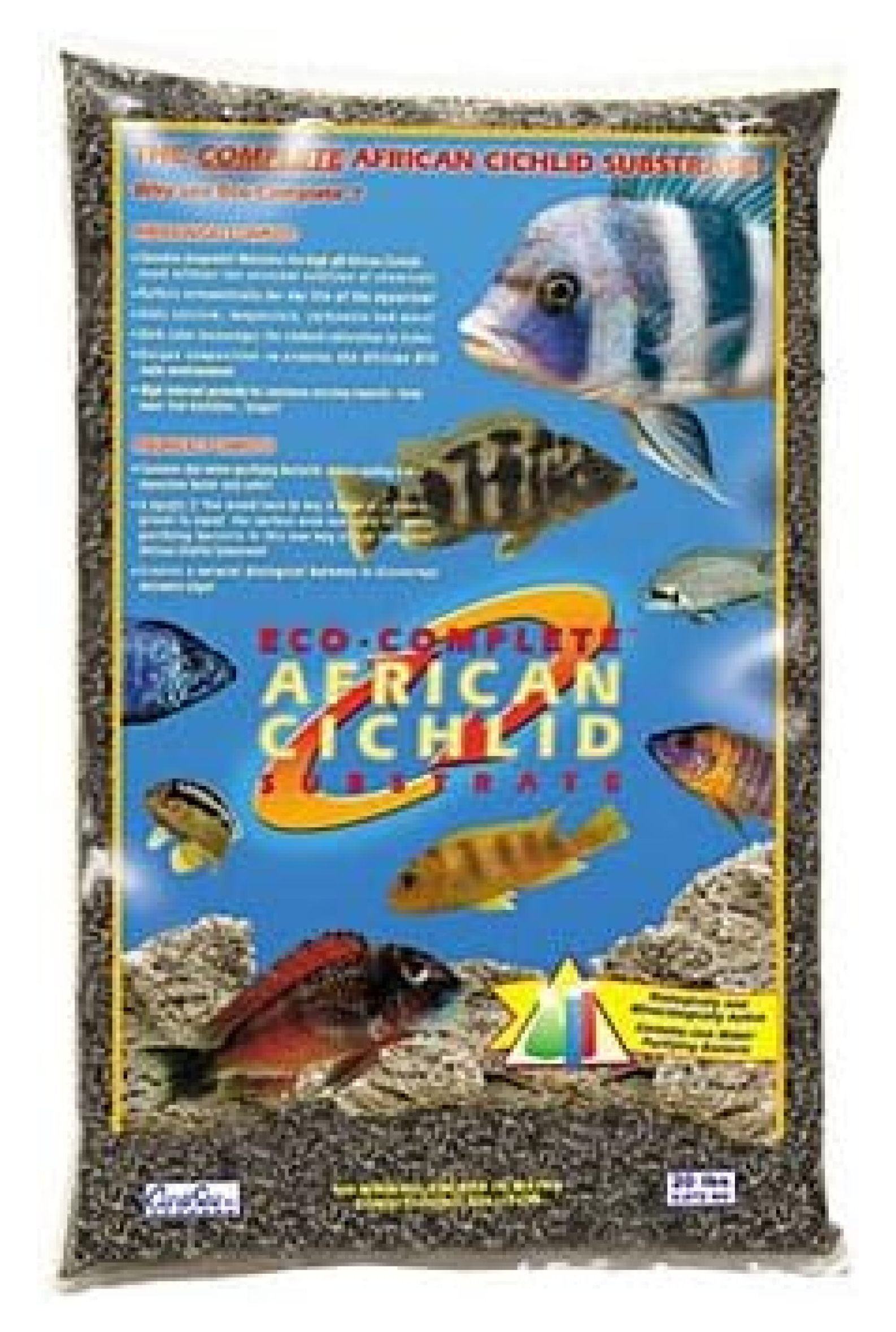
Credit: www.walmart.com
Choosing The Right Substrate
Choosing the right substrate is important for cichlid tanks. The substrate affects fish health and tank looks.
This guide helps you pick the best substrate for your cichlids. You will learn what to consider before buying.
Factors To Consider
Think about the type of cichlids you have. Some need soft sand, others like rough gravel. Size matters too.
Easy cleaning is a big factor. Choose substrates that do not trap too much waste. Durability is key.
- Type of cichlid species
- Substrate grain size
- Ease of cleaning
- Durability and lifespan
Impact On Water Chemistry
Some substrates change water pH or hardness. This can help or harm your fish. Know what your cichlids need.
Calcium-based substrates raise pH and hardness. Others like silica sand are neutral and safe for all fish.
- Calcium substrates increase pH and hardness
- Silica sand keeps water chemistry stable
- Gravel usually has little effect
- Check if substrate matches your water needs
Aesthetic Appeal
Substrate color and texture change your tank’s look. Choose colors that make your cichlids stand out.
Light substrates brighten the tank. Dark substrates make fish colors pop. Texture adds natural feel.
- Light colors brighten the tank
- Dark colors highlight fish colors
- Fine sand creates smooth look
- Gravel adds texture and depth
Common Substrate Types
Choosing the right substrate is important for cichlid tanks. It affects fish health and tank look.
Substrates vary in texture, color, and pH effects. Here are common types used in cichlid aquariums.
Gravel
Gravel is a popular substrate for many cichlid tanks. It comes in different sizes and colors.
Gravel allows water to flow well and helps keep the tank clean. It is easy to maintain.
Sand
Sand is smooth and soft, making it good for bottom-dwelling cichlids. It also looks natural.
Sand can compact over time, so regular stirring is needed. It also shows waste more clearly.
Clay And Soil
Clay and soil substrates help mimic natural lake beds. They provide minerals and nutrients to the tank.
This substrate supports plant growth and may lower pH. It can be messy if not used carefully.
Crushed Coral
Crushed coral raises water hardness and pH. It suits African cichlids from hard water lakes.
This substrate is sharp, so it is not best for fish that dig a lot. It also helps keep water clear.
Specialty Substrates
Specialty substrates include those designed for planted tanks or specific water conditions. They may contain added minerals or fertilizers.
These substrates can improve fish health and plant growth but may cost more. Choose based on your tank needs.
Substrate And Cichlid Behavior
Cichlids are fish known for their unique behaviors in aquariums. The type of substrate in their tank affects how they act.
Choosing the right substrate helps create a natural environment. It supports their digging, breeding, and territorial habits.
Digging And Burrowing
Cichlids like to dig and burrow in the substrate. They move sand or gravel to make nests or find food.
Soft substrates like sand are best for digging. Hard gravel may hurt their mouths or fins.
- Sand allows easy digging and burrowing
- Fine gravel is less comfortable for digging
- Hard or sharp substrates can cause injury
Breeding Preferences
Cichlids often use substrate for breeding. Some species lay eggs in pits or caves dug in the substrate.
Soft, clean sand helps protect eggs. It also gives parents a safe place to guard their young.
- Sand helps build breeding pits
- Clean substrate reduces egg damage
- Substrate type affects where eggs are laid
Territorial Markings
Cichlids mark their territory by digging and moving substrate. This shows dominance to other fish.
The right substrate makes it easier for cichlids to create clear boundaries. This reduces fights in the tank.
- Soft substrate helps create visible marks
- Hard substrate limits territorial digging
- Clear boundaries reduce aggression
Benefits Of Each Substrate
Cichlid substrates are important for aquarium health. Different substrates offer unique benefits.
Choosing the right substrate helps create a natural environment for cichlids. It also supports water quality and plant growth.
Natural Habitat Simulation
Cichlids come from diverse environments. Substrates mimic their natural habitats. This keeps fish comfortable and reduces stress.
Gravel and sand are popular choices. They resemble riverbeds and lakes where cichlids live.
- Sand is smooth and natural for digging.
- Gravel provides a rocky feel for certain species.
- Crushed coral adds minerals found in African lakes.
Water Quality Maintenance
Substrates help maintain water quality. They aid in biological filtration, improving fish health.
Some substrates adjust pH levels. This is important for cichlids from alkaline environments.
- Aquarium soil supports beneficial bacteria.
- Crushed coral buffers pH to higher levels.
- Bio-active substrates enhance filtration efficiency.
Plant Growth Support
Plants need a good substrate to thrive. Some substrates provide nutrients for plant roots.
Live plants can improve tank oxygen levels. They also offer shelter for fish.
- Plant-specific substrates contain essential minerals.
- Sand allows easy rooting for delicate plants.
- Gravel supports hardy plant species.
Setting Up Your Substrate
Choosing the right substrate for your cichlid tank is important. It affects water quality and fish health.
Proper setup ensures a healthy environment for your fish. Let’s explore the steps involved.
Cleaning And Preparation
Before using substrate, clean it thoroughly. This removes dust and debris that can cloud your tank.
- Rinse substrate under running water
- Soak in a bucket for 24 hours
- Stir occasionally to loosen any dirt
Layering Techniques
Layering your substrate can help maintain water quality and mimic natural habitats.
Consider using different layers such as:
- Base layer of coarse sand
- Middle layer of finer sand
- Top layer of decorative rocks
Combining Multiple Substrates
Using a mix of substrates can benefit your cichlids. It offers diverse textures and environments.
| Substrate Type | Benefit |
| Sand | Natural feel for digging |
| Gravel | Stability for plants |
| Crushed Coral | Increases pH levels |
Maintenance Tips
Keeping your cichlid substrate clean is important for healthy fish. Proper care helps keep the tank safe and attractive.
Good maintenance stops bad smells and harmful bacteria. It also helps your cichlids stay happy and active.
Cleaning Methods
Use a gravel vacuum to clean the substrate during water changes. This removes leftover food and fish waste.
Stir the substrate gently with your hand or a tool to lift debris. Avoid disturbing the fish too much.
- Vacuum once every one to two weeks
- Remove visible waste and uneaten food
- Do not clean all substrate at once
Preventing Compaction
Compacted substrate can block water flow and trap toxins. Keep it loose to let oxygen reach the roots and bacteria.
Use a small rake or your fingers to break up the substrate gently. Check for hard spots regularly and loosen them.
- Stir the substrate every week
- Avoid overfilling the tank with substrate
- Use substrates with mixed grain sizes
Replacing Substrate
Replace substrate if it smells bad or looks dirty even after cleaning. Old substrate may harm your fish and plants.
Remove the old substrate carefully. Clean the tank and add new substrate slowly to avoid stressing your cichlids.
- Replace substrate every 1 to 2 years
- Use safe, aquarium-approved substrate
- Rinse new substrate well before adding
Substrate Mistakes To Avoid
Choosing the right substrate for your cichlid tank is very important. The wrong substrate can harm your fish and water quality.
Learn about common substrate mistakes to avoid. This will help keep your cichlids healthy and happy.
Using Sharp Or Toxic Materials
Some substrates have sharp edges that can hurt cichlids. These fish like to dig and sift the substrate, so sharp pieces can cause injuries.
Toxic materials can release harmful chemicals into the water. Avoid substrates that are not safe for aquarium use.
- Do not use crushed glass or sharp rocks
- Choose smooth, rounded gravel or sand
- Check if the substrate is labeled safe for aquariums
- Avoid substrates with painted or dyed materials
Ignoring Cichlid Needs
Cichlids have different needs based on their species. Some like soft sand, others prefer rocky substrates.
Ignoring these needs can stress your fish. Stress can lead to illness and poor behavior.
- Know if your cichlids like to dig or hide
- Choose substrate that suits their natural habitat
- Provide space for territory and breeding if needed
- Use substrate that allows easy cleaning
Overlooking Water Parameters
Some substrates change water chemistry. This can affect pH, hardness, and clarity.
Ignoring water changes can harm your cichlids. Always test water regularly after adding substrate.
- Use substrates that match your cichlids’ preferred water pH
- Avoid substrates that raise or lower water hardness too much
- Watch for cloudy water after adding new substrate
- Perform water tests weekly to monitor conditions
Credit: www.cichlid-forum.com
Enhancing Aquarium Health
Choosing the right substrate for your cichlid tank helps keep your fish healthy. The substrate affects water quality, plant growth, and fish behavior.
This guide explains how substrates support beneficial bacteria, plants, and water balance in your aquarium.
Beneficial Bacteria Colonization
Substrate provides a large surface area for good bacteria to grow. These bacteria break down fish waste and harmful chemicals.
- Helps convert ammonia into less toxic substances
- Improves water clarity and quality
- Reduces the need for frequent water changes
Supporting Plant Root Systems
Plants need a stable base to grow healthy roots. The right substrate holds nutrients and anchors the roots firmly.
| Substrate Type | Effect on Plant Roots | Notes |
| Sand | Fine texture, easy root penetration | May compact over time |
| Gravel | Good for larger roots | Allows water flow between particles |
| Clay-based | Rich in minerals | Supports nutrient absorption |
Balancing Ph And Hardness
Substrate influences the water’s pH and hardness, which affect cichlid health and behavior.
Common substrates and their effects:
- Crushed coral:Raises pH and hardness
- Aragonite sand:Buffers water to keep pH stable
- Inert substrates:Do not change water chemistry

Credit: www.amazon.ca
Frequently Asked Questions
What Is The Best Substrate For Cichlid Tanks?
The best substrate for cichlid tanks is sand or fine gravel. These substrates mimic their natural habitat and are gentle on their delicate fins. They also help maintain water chemistry and provide a suitable environment for digging and breeding behaviors.
Can Cichlids Live On Any Type Of Substrate?
Cichlids thrive best on substrates that resemble their natural environment. Avoid sharp or rough substrates that can harm their fins. Sand and smooth gravel are ideal, as they support natural behaviors and help maintain water quality.
How Does Substrate Affect Cichlid Water Quality?
Substrate impacts water quality by influencing pH and hardness. Certain substrates like crushed coral raise pH, benefiting African cichlids. Proper substrate prevents waste buildup and promotes beneficial bacteria growth, keeping the water clean and healthy for cichlids.
Should I Use Colored Substrate For Cichlid Aquariums?
Colored substrate is mostly aesthetic and can be used safely if it is aquarium-grade. Avoid substrates that alter water chemistry negatively. Natural-colored sand or gravel usually enhances cichlid colors and provides a more natural look.
Conclusion
Choosing the right substrate helps keep cichlids healthy and happy. Gravel, sand, or specialized substrates each have their pros and cons. Think about your fish’s needs and tank setup. Clean and maintain the substrate regularly for best results. A good substrate creates a natural feel and supports beneficial bacteria.
Remember, simple choices often work best for beginners. Enjoy creating a beautiful home for your cichlids. Your careful choice makes a big difference.