
If you keep mollies in your aquarium, you know how quickly Molly Velvet Disease can take hold and threaten your fish’s health. You want your fish to stay vibrant and active, but this sneaky disease can cause serious damage if left unchecked.
What if you could spot the warning signs early and take simple steps to stop it before it spreads? You’ll discover easy and effective ways to prevent Molly Velvet Disease, keeping your mollies happy and your tank healthy. Keep reading to protect your fish and enjoy a thriving underwater world.
Causes Of Molly Velvet Disease
Molly Velvet Disease is a common parasite problem in aquarium fish. It causes a dusty, velvet-like coating on fish skin.
Understanding the causes helps prevent the disease and keeps fish healthy.
Parasite Identification
The disease is caused by tiny parasites called Oodinium. These parasites are hard to see without a microscope.
- Oodinium parasites attach to fish skin and gills.
- They feed on fish cells, causing damage and irritation.
- Infected fish show a gold or rust-colored dust on their body.
- The parasites reproduce quickly in warm water.
Environmental Triggers
Several environmental factors can trigger Molly Velvet Disease outbreaks. Poor water quality stresses fish and helps parasites grow.
| Trigger | Effect on Disease |
|---|---|
| High water temperature | Speeds up parasite reproduction |
| Low oxygen levels | Weakens fish immune system |
| Dirty water with waste | Increases parasite survival |
| Overcrowding | Raises stress and parasite spread |
Credit: www.aquariumforum.com
Symptoms To Watch For
Molly velvet disease is a common illness in aquarium fish. It can spread fast and hurt your fish.
Knowing the symptoms helps you act quickly. Watch your molly fish closely for signs of trouble.
Physical Signs
Look for visible changes on your molly’s body. These signs show the disease may be present.
- Gray or velvety film on skin and fins
- White spots or patches on the body
- Red or inflamed areas on the skin
- Clamped fins that stay close to the body
- Cloudy eyes or swollen gills
- Loss of color or dull appearance
Behavioral Changes
Behavior changes can be a sign of stress or illness. Watch how your molly acts in the tank.
- Rubbing or scratching against objects
- Slow or weak swimming
- Hiding more than usual
- Loss of appetite or refusing food
- Gasping at the water surface
- Isolating from other fish
Maintaining Clean Water
Clean water is key to stopping Molly Velvet Disease. Dirty water lets germs grow fast. Keeping water clean helps keep fish healthy.
Use good care habits to keep your tank water fresh and safe. This lowers disease risk and helps fish thrive.
Regular Tank Cleaning
Clean your tank often to remove waste and dirt. Waste breaks down and harms water quality. Clean tanks stop germs from building up.
- Change 20-30% of the water weekly
- Remove leftover food after feeding
- Clean gravel and decorations gently
- Use a siphon to remove debris from the bottom
- Rinse filters monthly without soap
Water Quality Parameters
Check water parameters often to keep fish safe. Bad levels cause stress and help disease spread. Watch these key factors closely.
| Parameter | Ideal Range | Why It Matters |
|---|---|---|
| Temperature | 24-28°C (75-82°F) | Supports fish health and immune system |
| pH | 6.5-7.5 | Prevents stress and disease growth |
| Ammonia | 0 ppm | Toxic to fish even in small amounts |
| Nitrite | 0 ppm | Harmful to fish gills and body |
| Nitrate | < 20 ppm | High levels cause long-term stress |
| Oxygen | Above 5 mg/L | Needed for fish breathing and health |
Credit: www.tropicalfishkeeping.com
Optimal Tank Conditions
Maintaining the right tank conditions is key to preventing Molly Velvet Disease. Proper care helps keep your fish healthy and stress-free.
Two important factors to monitor closely are temperature control and filtration. Both create a stable environment for your mollies.
Temperature Control
Molly Velvet Disease thrives in tanks with fluctuating or extreme temperatures. Keep the water temperature steady between 75°F and 80°F (24°C to 27°C) to reduce risks.
- Use a reliable aquarium heater with a thermostat.
- Check the temperature daily to catch changes early.
- Avoid placing the tank near windows or vents.
- Adjust temperature slowly to prevent shock.
Proper Filtration
Good filtration removes waste and harmful substances from the water. This keeps the tank clean and lowers parasite chances.
| Filter Type | Benefits |
| Hang-on-back | Easy to maintain, good water flow |
| Canister | Powerful filtration, good for large tanks |
| Sponge | Gentle on small fish, biological filtration |
Quarantine New Fish
Quarantining new fish helps protect your aquarium from diseases like Molly Velvet. It stops infections from spreading to your current fish.
This process requires a separate tank and careful monitoring before adding new fish to the main tank.
Isolation Practices
Keep new fish in a separate tank away from your main aquarium. Use clean water and equipment to avoid contamination.
- Use a quarantine tank with proper filtration
- Do not share nets or tools between tanks
- Feed the fish quality food to keep them healthy
- Maintain stable water temperature and conditions
Observation Period
Watch the new fish for signs of illness during the quarantine. Look for unusual spots, scratching, or slow movement.
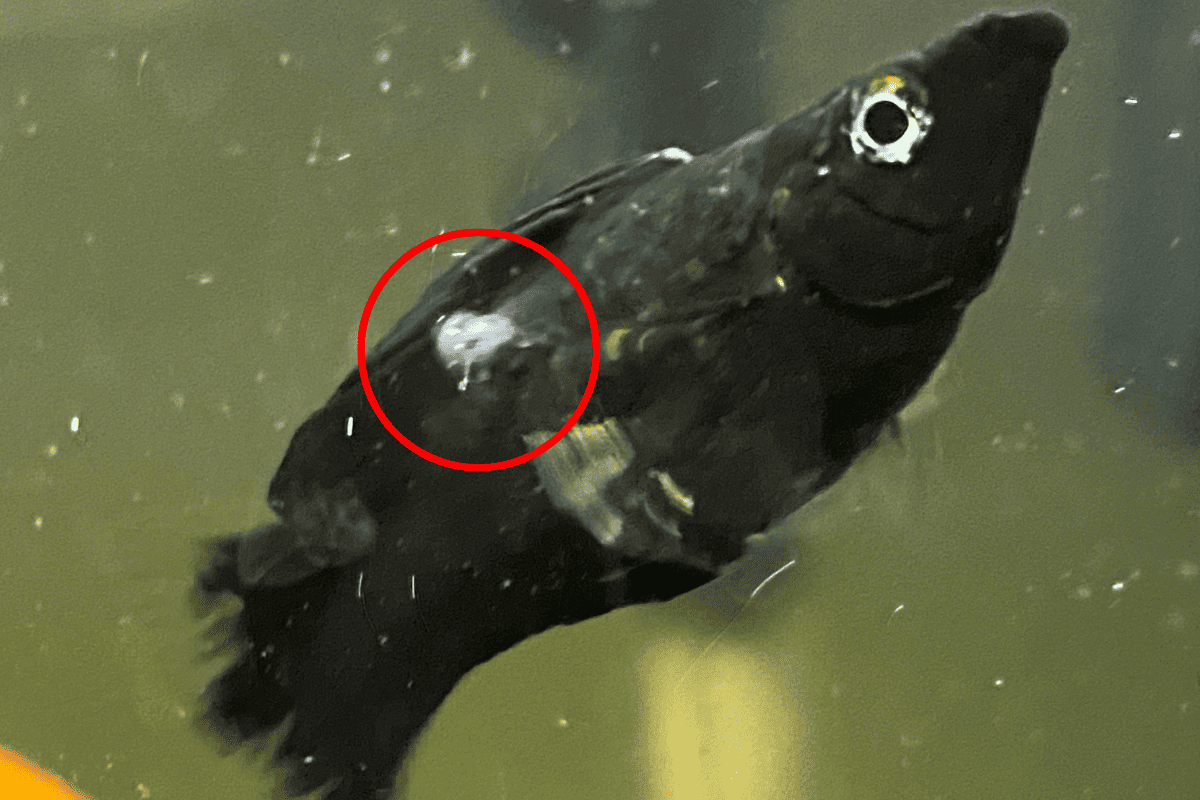
| Symptom | What to Watch For |
| Velvet Disease | Gold or rust-colored dust on skin |
| Lethargy | Less activity than usual |
| Loss of Appetite | Fish refuses to eat |
| Clamped Fins | Fins held close to the body |
Credit: petfishonline.com
Balanced Nutrition
Balanced nutrition is key to keeping your molly fish healthy. A proper diet helps prevent diseases like Molly Velvet Disease.
Providing a variety of nutrients ensures your fish have the energy and health they need. Let’s explore how to achieve this.
Dietary Needs
Molly fish need a balanced diet to thrive. They require both plant and animal-based foods for optimal health.
- Feed them high-quality flake food with protein.
- Include live or frozen food like brine shrimp.
- Offer vegetables such as spinach or zucchini.
Supplemental Feeding
Supplemental feeding is important for molly fish. It ensures they get extra nutrients not found in basic food.
| Supplement | Benefit |
| Spirulina | Boosts immune system |
| Garlic | Fights parasites |
| Algae wafers | Supports digestion |
Preventive Treatments
Molly velvet disease is a common problem in aquarium fish. It causes a dusty, velvet-like coating on their skin. Preventing it helps keep your fish healthy and happy.
There are different ways to prevent this disease. Using medications and natural remedies are two effective options. Both help protect your fish from infection.
Use Of Medications
Medications are often used to stop velvet disease before it spreads. They kill the parasites that cause the problem. It is important to follow the instructions carefully.
Common medications include copper-based treatments and formalin solutions. These are safe when used in the right amounts. Always test your water after adding any medicine.
- Use copper sulfate or copper chloride at recommended doses.
- Add formalin treatments to control parasites.
- Keep the water temperature stable during treatment.
- Remove activated carbon from filters while medicating.
Natural Remedies
Natural remedies help prevent velvet disease without chemicals. They improve fish health and water quality. This makes it harder for parasites to survive.
Using aquarium salt and plants can reduce stress and fight infections. Clean water and good diet also support your fish’s immune system.
- Add aquarium salt at safe levels to the water.
- Keep the tank clean with regular water changes.
- Use live plants to improve oxygen and reduce parasites.
- Feed fish nutritious food to boost their immunity.
Regular Health Checks
Keeping molly fish healthy requires regular checks. This helps catch problems early and ensures their well-being.
Routine health checks can prevent diseases like Molly Velvet Disease. With early detection, treatment becomes easier.
Routine Monitoring
Monitoring your molly fish is important. Look for changes in behavior or appearance.
- Check water quality weekly
- Observe for any unusual spots
- Monitor swimming patterns
Early Intervention
Quick action is key if you notice something wrong. Early intervention can save your fish from severe illness.
Consider using a quarantine tank for sick fish. This prevents spreading the disease to others.
| Sign | Action |
| White spots | Isolate and treat |
| Loss of appetite | Check water conditions |
| Labored breathing | Ensure oxygen levels |
Frequently Asked Questions
What Causes Molly Velvet Disease In Fish?
Molly Velvet Disease is caused by the parasite Oodinium. It attaches to fish skin and gills. This parasite leads to a velvety, dusty appearance. It thrives in poor water conditions and stressed fish. Proper tank maintenance helps prevent its spread.
How Can I Identify Molly Velvet Disease Early?
Look for a fine gold or yellow dust on fish. Infected fish may scratch against objects. Gills may look pale or inflamed. Fish might show lethargy or loss of appetite. Early detection helps effective treatment and control.
What Are The Best Prevention Methods For Molly Velvet Disease?
Maintain clean, stable water conditions regularly. Quarantine new fish before adding them to your tank. Avoid overcrowding and keep good filtration. Use salt treatments during outbreaks as recommended. Healthy fish resist infections better.
Can Molly Velvet Disease Be Treated At Home?
Yes, mild cases can be treated with aquarium salt and anti-parasitic medications. Increase water temperature slightly to speed parasite life cycle. Ensure good oxygenation during treatment. Follow medication instructions carefully for safe use.
Conclusion
Preventing Molly Velvet Disease starts with good tank care. Keep water clean and test it often. Avoid sudden changes in temperature or water quality. Quarantine new fish before adding them to your tank. Feed your fish a healthy, balanced diet.
Watch for early signs of disease daily. Acting fast can save your fish’s life. Healthy fish mean a happy aquarium. Simple steps protect your fish from illness. Stay consistent and patient for best results.