
Keeping your goldfish healthy and happy starts with one simple step: clean, well-treated water. If you’re like most goldfish owners, you want to avoid cloudy tanks, sick fish, and costly mistakes.
But treating aquarium water can feel confusing or overwhelming. Don’t worry—this guide will show you exactly what you need to do to make your goldfish thrive. By the time you finish reading, you’ll know how to keep your water crystal clear and your fish swimming strong.
Ready to become the best caretaker your goldfish has ever had? Let’s dive in!

Credit: www.amazon.com
Choosing The Right Filtration System
Goldfish need clean water to stay healthy. A good filtration system keeps the water clear and safe.
Choosing the right filter helps remove waste and harmful chemicals from the tank.
Types Of Filters For Goldfish Tanks
There are different filters for goldfish tanks. Each type works in a special way to clean the water.
Some common filters include sponge, canister, and power filters. Each fits different tank sizes and needs.
- Sponge filters:Use air to pull water through a sponge. Good for small tanks.
- Canister filters:Pump water through many filter materials. Best for big tanks.
- Power filters:Hang on the tank edge and clean water quickly.
Filter Maintenance Tips
Cleaning filters keeps them working well. Dirty filters can harm your goldfish.
Rinse filter parts in tank water, not tap water. Tap water can kill good bacteria.
- Clean or replace filter media every 2 to 4 weeks
- Check the filter for clogs weekly
- Do not clean all parts at once to keep bacteria alive
- Follow the filter maker’s cleaning instructions
Balancing Mechanical, Chemical, And Biological Filtration
Filters clean water in three ways: mechanical, chemical, and biological. Each is important for goldfish health.
Mechanical filtration removes dirt and debris. Chemical filtration removes chemicals. Biological filtration uses bacteria to break down waste.
- Mechanical:Captures particles like uneaten food and fish waste
- Chemical:Uses activated carbon to remove toxins and odors
- Biological:Supports good bacteria to turn harmful ammonia into safe substances
A good filter combines all three types. This keeps water clean and safe for goldfish.
Water Quality Parameters To Monitor
Good water quality keeps goldfish healthy and happy. You must check the water often.
Some key water parameters affect your goldfish’s life. Learn what to watch for best care.
Ideal Temperature And Ph Levels
Goldfish do well in water between 65°F and 75°F (18°C to 24°C). Keep temperature steady.
The pH level should stay between 7.0 and 8.4. Test the water weekly with a pH kit.
Ammonia, Nitrite, And Nitrate Limits
Ammonia and nitrite are very harmful. They must stay at zero parts per million (ppm).
Nitrate is less harmful but should stay below 40 ppm for safety.
| Substance | Safe Level (ppm) |
| Ammonia | 0 |
| Nitrite | 0 |
| Nitrate | < 40 |
Hardness And Other Important Factors
Water hardness affects goldfish health. Aim for 100 to 250 ppm of general hardness (GH).
- Keep carbonate hardness (KH) between 70 and 140 ppm to stabilize pH.
- Check oxygen levels and keep the water clean.
- Use water conditioners to remove chlorine and chloramine.
Regular Water Testing And Its Importance
Keeping goldfish healthy means watching their water closely. Regular water testing helps catch problems early. It keeps the fish safe and happy.
Testing water tells you about harmful chemicals and waste. It shows if the water is right for your goldfish. This stops sickness and keeps the tank clean.
Using Test Kits Effectively
Test kits measure things like pH, ammonia, nitrites, and nitrates. Use the kit as the instructions say. Read labels carefully for accurate results.
Always rinse test containers before use. Avoid touching the water sample with your hands. This keeps the test clean and correct.
- Use fresh water samples from the tank
- Follow the exact time for color changes
- Store kits in a dry, cool place
Frequency Of Testing
Test water weekly for stable tanks. Test daily if the tank is new or if fish act sick. Regular checks prevent big problems.
More tests are needed after adding new fish or feeding changes. Testing often helps keep water safe and balanced.
- Weekly tests for established tanks
- Daily tests in new tanks or trouble
- Extra tests after changes in tank
Interpreting Test Results
Check results against safe levels for goldfish. High ammonia or nitrites can harm your fish. pH should be steady and near neutral.
Use results to decide on water changes or treatments. Low nitrates mean good cleaning. Keep records to track changes over time.
| Parameter | Safe Level | Action Needed |
|---|---|---|
| Ammonia | 0 ppm | Change water immediately |
| Nitrites | 0 ppm | Perform water change |
| Nitrates | < 40 ppm | Regular water changes |
| pH | 6.5 – 7.5 | Adjust with water additives |
Performing Water Changes Correctly
Keeping your goldfish healthy needs clean water. Water changes remove waste and toxins. They keep the tank safe for your fish.
Doing water changes the right way helps avoid stress and illness. Learn how much water to change and how often. Also, use the right conditioners. Avoid common mistakes to protect your goldfish.
How Much And How Often
Change about 20% to 30% of the water each week. This keeps water clean without shocking your fish. For new tanks, change water more often to balance chemicals.
- Test water weekly for ammonia and nitrites.
- Change 20% to 30% of water once a week.
- Do smaller changes more often if needed.
- Increase changes if fish seem stressed.
Using Conditioners And Dechlorinators
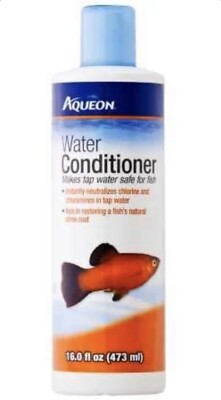
Tap water contains chlorine and chloramine. These harm goldfish. Use water conditioners to make tap water safe. Add conditioner before putting water in the tank.
| Water Chemical | Effect on Fish | Solution |
| Chlorine | Harms fish gills | Use chlorine remover |
| Chloramine | Releases chlorine and ammonia | Use special dechlorinator |
| Heavy Metals | Poisonous to fish | Use conditioner with metal binders |
Avoiding Common Water Change Mistakes
Many mistakes hurt your goldfish during water changes. Avoid sudden temperature or pH changes. Never clean the tank filter with tap water. Change water gently and slowly.
- Do not change more than 30% at once.
- Match new water temperature to tank water.
- Use a gravel vacuum to remove debris.
- Never clean filter media with tap water.
- Add water conditioner before adding water.
- Do not add soap or chemicals to the tank.
Dealing With Common Water Problems
Maintaining clean water is key for healthy goldfish. Water problems can harm fish health. Knowing how to fix these issues helps keep your aquarium safe.
This guide covers common water problems and easy ways to solve them. You will learn about cloudy water, algae growth, and fish waste control.
Cloudy Water Causes And Solutions
Cloudy water often results from tiny particles floating in the tank. It may be caused by overfeeding, poor filtration, or new tank cycling.
- Reduce feeding to avoid excess food waste
- Use a good filter suitable for your tank size
- Perform partial water changes regularly
- Allow time for beneficial bacteria to grow in a new tank
- Avoid stirring up the substrate during cleaning
Algae Control Methods
Algae can turn water green and cover tank surfaces. It grows fast with too much light and nutrients.
| Cause | Control Method |
| Excess light | Limit tank lighting to 8-10 hours daily |
| High nutrients | Do regular water changes and avoid overfeeding |
| Low plant competition | Add live plants to compete with algae |
| Dirty tank surfaces | Clean glass and decorations weekly |
Managing Fish Waste And Debris
Fish waste and leftover food create harmful toxins. Keeping the tank clean protects goldfish health.
- Use a gravel vacuum to remove debris from the bottom
- Feed small amounts and remove uneaten food quickly
- Clean or replace filter media as needed
- Do weekly partial water changes of 20-30%
- Check water parameters regularly with test kits
Credit: www.ebay.com
Enhancing Water Quality Naturally
Goldfish need clean water to stay healthy. Natural methods can improve water quality without chemicals. This guide explains how to enhance your aquarium’s water naturally.
Focus on these key areas: live plants, beneficial bacteria, and natural water additives. These methods support a balanced and healthy environment for your goldfish.
Live Plants Benefits
Live plants do more than make your aquarium look nice. They help clean the water by absorbing harmful substances. Plants also provide oxygen, which goldfish need to breathe.
Choose plants like Java Fern or Anubias that are easy to care for. They grow well in goldfish tanks and require little maintenance.
- Plants absorb ammonia and nitrates
- They provide shelter for goldfish
- Help reduce algae growth
Beneficial Bacteria Introduction
Bacteria are essential for a healthy aquarium. They break down waste and keep the water clean. Introducing beneficial bacteria helps create a balanced ecosystem.
Start with a small amount and let them grow naturally. These bacteria convert harmful substances into harmless ones, which is vital for goldfish health.
- They convert ammonia to nitrite
- Turn nitrite into nitrate
- Reduce fish stress and illness
Using Natural Water Additives
Natural water additives can improve water quality without chemicals. They help maintain the right pH and reduce toxins. Look for products labeled safe for goldfish.
These additives can boost beneficial bacteria growth and enhance plant health. They are a simple way to support a healthy aquarium environment.
- Choose additives with natural ingredients
- Follow instructions for safe use
- Monitor water quality regularly
Preventing Disease Through Water Care
Goldfish need clean water to stay healthy. Poor water quality can make them sick. Regular care keeps the tank safe.
Water treatment is key to preventing disease. It removes harmful substances and keeps fish strong. Good water care is a must for a healthy aquarium.
Signs Of Poor Water Quality Affecting Fish
Fish can show signs when water quality is bad. Watch for these symptoms to keep them safe and healthy.
- Fish gasp for air at the surface
- Cloudy or dirty water in the tank
- Fish lose their bright colors
- Fish rub against objects in the tank
Quarantine And Treatment Practices
New fish can bring disease to your tank. Quarantine them before adding to the main aquarium. This helps keep all fish healthy.
Treat sick fish with care. Use safe medications and follow instructions. Isolate sick fish to prevent spreading disease.
Maintaining A Healthy Tank Environment
Regular maintenance keeps your tank environment healthy. Check water parameters often to ensure safety for your goldfish.
- Change a part of the water weekly
- Clean filters regularly
- Test water for ammonia and nitrate levels
- Keep the tank at the right temperature

Credit: www.amazon.com
Advanced Tips For Crystal Clear Tanks
Keeping goldfish tanks clear is important for their health. Clean water helps fish stay active and happy.
Using the right tools and techniques makes water treatment easier. This guide shares tips for clear aquarium water.
Uv Sterilizers And Their Use
UV sterilizers kill harmful bacteria and algae in aquarium water. They use ultraviolet light to clean the water.
Place the UV sterilizer where water flows well. It helps keep the tank free of green water and infections.
- Install the sterilizer in the filter system
- Run it 8-12 hours daily for best results
- Clean the UV bulb every few months
- Replace the bulb yearly for maximum effect
Automated Water Testing And Maintenance
Automated water testers measure pH, ammonia, and nitrates fast. They show when water needs changing.
Using these devices helps keep water safe for goldfish. You get alerts before problems grow big.
- Test water daily with automatic kits
- Change 10-20% of water weekly
- Use conditioners to remove chlorine and chloramine
- Keep filter clean but avoid over-cleaning
Optimizing Tank Setup For Clarity
Good tank setup helps keep water clear naturally. Proper plants and substrate reduce waste buildup.
Use the right size filter and avoid overfeeding. These steps lower cloudiness and improve water quality.
- Choose a filter rated for twice the tank size
- Add live plants to absorb excess nutrients
- Use fine gravel or sand as substrate
- Feed goldfish small amounts twice a day
Frequently Asked Questions
What Is The Best Water Treatment For Goldfish Tanks?
The best water treatment uses dechlorinators to remove harmful chlorine and chloramine. Beneficial bacteria supplements help establish a healthy biofilter. Regular water changes and proper filtration maintain clean, safe water for goldfish health and growth.
How Often Should I Treat Aquarium Water For Goldfish?
Treat aquarium water every time you perform a water change, typically weekly. This ensures removal of toxins and replenishes essential minerals. Consistent treatment prevents stress and diseases, keeping goldfish healthy in a stable environment.
Can I Use Tap Water Directly For Goldfish Tanks?
No, tap water contains chlorine and chloramine, which are toxic to goldfish. Always treat tap water with a water conditioner before adding it to the tank. This neutralizes harmful chemicals and makes water safe for your fish.
Why Is Ammonia Treatment Important For Goldfish Aquariums?
Ammonia is toxic to goldfish even at low levels. Treating water reduces ammonia buildup from fish waste and uneaten food. Using beneficial bacteria products and regular water changes helps maintain safe ammonia levels and protects your goldfish.
Conclusion
Proper water treatment keeps goldfish healthy and happy. Clean water reduces disease and stress. Test water regularly to maintain safe levels. Remove harmful chemicals and toxins with treatment products. Change water partially each week for freshness. Good water care helps fish live longer.
Simple steps make a big difference in your aquarium. Enjoy watching your goldfish thrive in a clean home.