
Keeping the pH level stable in your aquarium is one of the most important steps to ensure your fish stay healthy and happy. If the pH swings too much, it can stress or even harm your aquatic friends.
But don’t worry—understanding how to balance and maintain your aquarium’s pH is easier than you think. You’ll discover simple, effective ways to keep your water just right, so your underwater world thrives. Ready to create the perfect home for your fish?
Let’s dive in.

Credit: www.reddit.com
Importance Of Ph Balance
Maintaining the right pH level in an aquarium is key to a healthy environment. It affects every living thing inside the tank.
Fish, plants, and water quality all depend on a stable pH. Small changes can cause big problems.
Effect On Fish Health
Fish are sensitive to pH changes. The wrong pH can stress or even harm them. It can affect their breathing and immune systems.
- Low pH can cause acidity stress
- High pH may lead to ammonia toxicity
- Stable pH helps fish stay active and healthy
Impact On Plant Growth
Plants need the right pH to absorb nutrients from the water. Too high or too low pH blocks nutrient uptake.
| pH Level | Effect on Plants |
| Below 6.0 | Poor nutrient absorption |
| 6.5 to 7.5 | Optimal growth |
| Above 8.0 | Mineral deficiencies |
Role In Water Clarity
pH affects how clear aquarium water stays. It changes how particles and chemicals dissolve or settle.
Water clarity depends on pH because:
- Stable pH prevents cloudy water
- Unbalanced pH causes algae blooms
- Proper pH helps filter function better
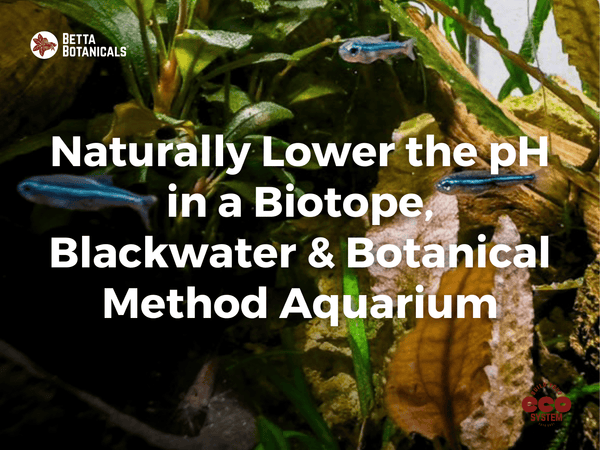
Credit: bettabotanicals.com
Common Causes Of Ph Fluctuations
Keeping a stable pH in your aquarium is important for fish health. Many factors can cause the pH to change over time. Understanding these causes helps you control the water environment better.
This guide explains common reasons why pH levels may shift and how each factor affects your aquarium water.
Water Source Variations
The water you use in your aquarium can have different pH values. Tap water often contains chemicals and minerals that influence pH. Well water or bottled water may also vary in pH depending on the source.
| Water Source | Typical pH Range | Notes |
| Tap Water | 6.5 – 8.5 | Varies by city and treatment |
| Well Water | 6.0 – 8.0 | Depends on local geology |
| Distilled Water | 5.0 – 7.0 | Usually acidic, lacks minerals |
| Rainwater | 5.5 – 6.5 | Can be acidic from pollution |
Biological Activity
Living organisms in the aquarium affect pH by changing water chemistry. Fish, plants, and bacteria produce waste and gases that can raise or lower pH levels.
- Fish release carbon dioxide and ammonia
- Plants consume carbon dioxide during photosynthesis
- Bacteria break down waste producing acids or bases
- Decay of dead matter increases acidity
Chemical Additives
Adding chemicals to your aquarium water can change the pH quickly. Some treatments and conditioners contain substances that alter acidity or alkalinity.
| Chemical Additive | Effect on pH |
|---|---|
| pH Up Solutions | Raises pH |
| pH Down Solutions | Lowers pH |
| Water Conditioners | May buffer or shift pH |
| Medications | Some can alter pH slightly |
Testing Ph Levels
Keeping the pH level stable is very important for a healthy aquarium. Testing the pH helps you know if the water is safe for your fish and plants.
Regular testing lets you catch problems early. It also guides you on how to adjust the water to keep the pH balanced.
Choosing The Right Test Kit
Pick a test kit that is easy to use and accurate. There are liquid kits, test strips, and digital meters to choose from.
Liquid kits are common and give clear color changes. Test strips are quick but less precise. Digital meters give exact numbers but cost more.
- Liquid test kits: accurate, good for beginners
- Test strips: fast, less precise
- Digital meters: precise, more expensive
Frequency Of Testing
Check the pH level often, especially in a new aquarium. Daily testing helps you spot sudden changes early.
In a stable tank, test the pH once or twice a week. Always test after adding new fish or cleaning the tank.
- New tanks: test daily
- Established tanks: test weekly
- After water changes or adding fish: test immediately
Interpreting Results
Read the test results carefully. Each fish species prefers a certain pH range. Check if your tank water is inside this range.
If the pH is too high or too low, take steps to adjust it slowly. Sudden changes can stress or harm fish.
| pH Level | Water Condition | Effect on Fish |
|---|---|---|
| Below 6.5 | Acidic | May harm some fish species |
| 6.5 – 7.5 | Neutral | Safe for most freshwater fish |
| Above 7.5 | Alkaline | May stress certain fish |
Natural Methods To Stabilize Ph
Maintaining a stable pH in your aquarium is important for fish health. Sudden pH changes can stress or harm aquatic life.
This guide covers natural ways to keep pH steady using common aquarium materials and plants.
Using Driftwood And Peat
Driftwood and peat release tannins that lower pH naturally. They create a gentle acid environment that suits many fish species.
Place driftwood in the tank and add peat to the filter or substrate for best results.
Adding Crushed Coral Or Limestone
Crushed coral and limestone raise and stabilize pH by releasing minerals. They work well for fish that need harder, alkaline water.
- Crushed coral slowly dissolves, adding calcium carbonate.
- Limestone rocks buffer pH by neutralizing acids.
- Both materials help prevent sharp pH swings.
Incorporating Live Plants
Live plants absorb carbon dioxide and produce oxygen. This process can help balance the pH naturally.
| Plant Type | Effect on pH |
| Java Moss | Neutral to slight increase |
| Anubias | Neutral |
| Amazon Sword | Neutral to slight decrease |
Chemical Treatments For Ph Control
Keeping the pH level in your aquarium stable is important for fish health. Chemical treatments can help adjust and maintain the pH.
These treatments include buffers and conditioners that balance the water’s acidity or alkalinity safely.
Ph Buffers And Conditioners
pH buffers help keep the water’s pH steady. They stop sudden changes that can harm fish.
Conditioners remove harmful substances and prepare the water for fish. Some also adjust the pH gently.
- Common buffers include baking soda and commercial buffer solutions.
- Conditioners often contain chemicals to neutralize chlorine and chloramine.
- Choose a buffer or conditioner based on your aquarium’s needs.
Safe Dosage Practices
Always follow the instructions on the product label. Adding too much can harm fish and plants.
Start with small doses and test the water often. Adjust doses slowly to avoid sudden pH changes.
- Use a reliable test kit to check pH before and after dosing.
- Add chemicals in small amounts over several hours or days.
- Keep notes on how much you add and the pH changes.
Avoiding Overcorrection
Overcorrecting pH can stress or kill fish. Avoid large pH jumps by making changes slowly.
Test water often to watch for changes. Stop adding chemicals if the pH is near the target level.
- Adjust pH only by 0.1 to 0.2 points per day.
- Wait 24 hours between treatments to see the effect.
- Use natural methods like adding driftwood or peat moss for mild pH changes.
Routine Maintenance Tips
Keeping your aquarium’s pH stable is essential for healthy fish. Regular maintenance helps maintain this balance. Simple tasks can prevent major issues.
Consistent care will ensure your tank remains a healthy environment. Let’s explore key maintenance tips.
Regular Water Changes
Changing water regularly keeps pH levels steady. This process removes waste and toxins. Fresh water supplies essential minerals.
Aim to change 10-15% of your tank’s water weekly. Use a water conditioner to treat tap water before adding it to the tank.
- Use a siphon to remove old water
- Add water slowly to avoid shocking fish
- Test water pH before adding to the tank
Cleaning Substrate And Filters
Substrate and filters collect debris that affects pH. Cleaning them regularly helps maintain balance. It also keeps water clear.
Rinse filters in old tank water to preserve beneficial bacteria. Vacuum substrate to remove waste particles.
- Clean filters monthly to prevent clogging
- Do not use soap or chemicals on filters
- Vacuum the substrate during water changes
Monitoring Tank Inhabitants
Watch your fish for signs of stress. Sudden movements or color changes can indicate pH issues. Healthy fish are active and eat well.
Use a pH test kit weekly. Check if your fish are compatible in terms of pH needs. Different species may require varied pH levels.
- Test pH levels weekly
- Observe fish behavior regularly
- Research fish compatibility for optimal pH
Preventing Future Ph Problems
Maintaining a stable pH in your aquarium is important. Fluctuations can harm fish and plants.
By following simple practices, you can prevent pH problems in the future. Consistent care ensures a healthy environment.
Consistent Feeding Practices
Overfeeding can cause pH changes. Uneaten food breaks down and affects water chemistry.
Feed your fish the right amount to keep pH stable. This helps maintain water quality.
- Feed small amounts once or twice a day
- Remove uneaten food after a few minutes
- Use high-quality fish food
Avoiding Overcrowding
Too many fish can cause stress and pH swings. More waste is produced, altering water balance.
Keep the right number of fish in your aquarium. This reduces waste and helps keep pH levels stable.
- Research the ideal number of fish for your tank size
- Provide enough space for each fish
- Regularly monitor fish health and behavior
Choosing Compatible Species
Some fish prefer different pH levels. Mixing incompatible species can cause stress and health issues.
Select fish that thrive in similar pH conditions. This ensures a harmonious environment.
- Research species’ pH preferences before adding them
- Group fish with similar care needs
- Consult experts if unsure about compatibility

Credit: www.reddit.com
Frequently Asked Questions
How Do I Test Ph Levels In My Aquarium?
Use a reliable aquarium pH test kit or digital pH meter. Test water regularly for accurate results. Consistent testing helps maintain a stable environment for your fish and plants.
What Causes Ph Fluctuations In Aquariums?
PH changes can result from overfeeding, decaying plants, or excess waste. Water source and substrate also influence pH levels. Identifying causes helps prevent harmful swings in your aquarium.
How Can I Naturally Stabilize Aquarium Ph?
Add driftwood, Indian almond leaves, or peat moss to lower pH naturally. Use crushed coral or limestone to raise pH. These natural methods gently adjust pH without harming aquatic life.
Why Is Stable Ph Important For Aquarium Health?
Stable pH ensures fish and plants thrive by maintaining balanced water chemistry. Sudden pH shifts stress aquatic life, causing illness or death. Consistent pH promotes a healthy, vibrant aquarium ecosystem.
Conclusion
Keeping your aquarium’s pH stable helps fish stay healthy. Test water regularly to catch changes early. Use natural materials to balance pH gently. Avoid sudden shifts that stress your fish. A steady pH creates a happy tank environment. Small steps make big differences over time.
Care and patience keep your aquarium thriving.