
Are algae taking over your rocks and making your outdoor space look dull? You’re not alone—and the good news is, you don’t have to live with it.
Removing algae can be easier than you think, especially when you have the right tools at your side. You’ll discover simple, effective tools that will help you clear away algae quickly and keep your rocks looking fresh and clean. Ready to make your rocks shine again?
Let’s dive in and find the perfect solution for you.
Credit: www.saltwateraquarium.com
Common Algae Types On Rocks
Algae often grow on rocks in wet or humid places. They can change the look of the rocks and affect the environment.
Knowing the types of algae helps in choosing the right tools to remove them safely and effectively.
Green Algae
Green algae are common on rocks near water. They look bright green and slimy. These algae use sunlight to make food. They grow well in places with good light and moisture.
- They form thin, slippery layers on rocks.
- Green algae can be soft or slightly fuzzy.
- They usually appear in freshwater areas like streams and ponds.
Blue-green Algae
Blue-green algae are also called cyanobacteria. They are not true algae but act like them. These algae can fix nitrogen from the air. They often form thick mats on rocks.
| Feature | Description |
| Color | Blue-green or dark green |
| Texture | Gel-like or slimy |
| Growth | Thick mats or crusts |
| Common Areas | Wet rocks, ponds, and slow streams |
Red Algae
Red algae have a reddish color due to special pigments. They often grow on rocks in moist and shaded spots. Red algae are less common than green or blue-green types.
Red algae features include:
- Color varies from pink to dark red.
- They have a tough texture.
- Grow slowly compared to other algae.
- Found in both fresh and saltwater environments.

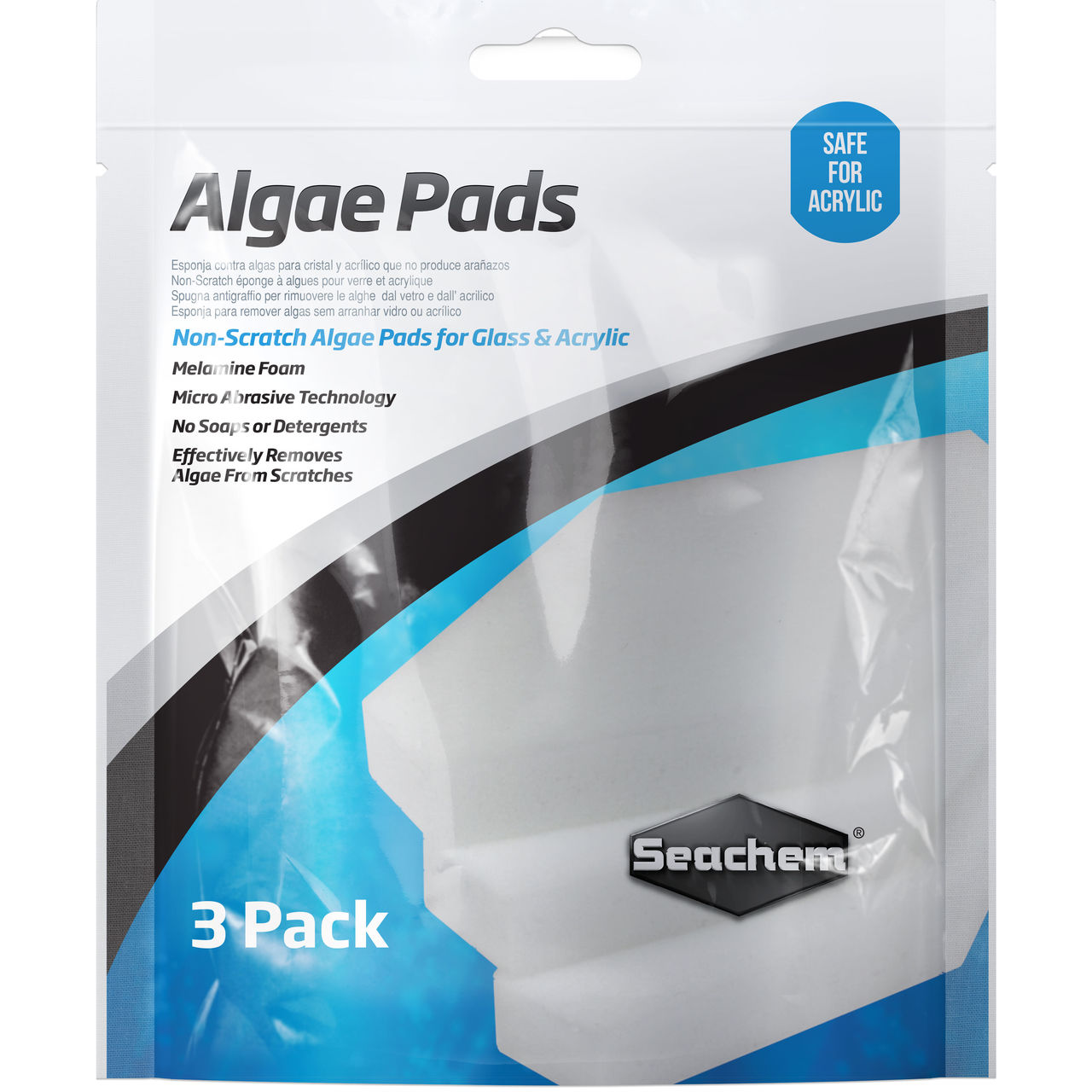
Credit: www.amazon.com
Manual Removal Techniques
Removing algae from rocks can be done by hand using simple tools. This method works well for small areas or delicate surfaces.
Manual techniques let you control the cleaning process and avoid damage to the rocks or nearby plants.
Scrubbing With Brushes
Scrubbing algae off rocks requires a stiff brush. Use one with nylon or natural bristles to avoid scratching the surface.
- Wet the rock surface before scrubbing
- Apply gentle pressure to remove algae layers
- Rinse the area with clean water after scrubbing
- Repeat if algae remains
Using Scrapers
Scrapers help remove thick or stubborn algae patches. Use plastic or wooden scrapers to prevent damage.
| Scraper Type | Best For | Care Tips |
| Plastic Scraper | Delicate Rocks | Avoid sharp edges |
| Wooden Scraper | Hard Surfaces | Sand edges smooth |
| Metal Scraper | Very Tough Algae | Use carefully to avoid scratches |
Pressure Washing
Pressure washing blasts algae off rocks with strong water streams. Adjust pressure to avoid rock damage.
Tips for pressure washing:
- Use a low-pressure setting for soft rocks
- Keep the nozzle moving to prevent etching
- Stand at least 12 inches away from the surface
- Wear protective gear to avoid injury
Chemical Treatments
Chemical treatments help remove algae from rocks quickly and effectively. These treatments kill algae and stop it from growing back.
Using chemicals requires care to protect plants, animals, and yourself. Always follow safety instructions.
Algaecides
Algaecides are chemicals made to kill algae. They come in liquid or powder form. Algaecides work by breaking down algae cells.
They are often used in ponds, aquariums, and water gardens. Apply algaecide to affected rocks carefully. Let it sit for a while, then rinse off.
- Choose algaecides safe for fish and plants
- Wear gloves and eye protection
- Do not mix with other chemicals
- Follow label instructions strictly
Bleach Solutions
Bleach is a strong chemical that kills algae fast. A diluted bleach solution works well on algae-covered rocks. Use about one part bleach to ten parts water.
Apply the solution to rocks and let it sit for 10 to 15 minutes. Then scrub the rocks gently and rinse thoroughly with water. Avoid using bleach near plants or fish.
- Wear protective gloves and glasses
- Use bleach in a well-ventilated area
- Never mix bleach with ammonia or acids
- Rinse rocks well to prevent damage
Vinegar Applications
Vinegar is a natural and mild chemical for algae removal. White vinegar can kill algae on rocks without harsh chemicals. Use full-strength vinegar for best results.
Spray or pour vinegar on algae-covered rocks. Let it sit for 20 to 30 minutes. Then scrub and rinse the rocks with water. Vinegar is safe for most plants and animals.
- Use white distilled vinegar only
- Test on a small rock area first
- Repeat treatment if needed
- Wear gloves to protect skin
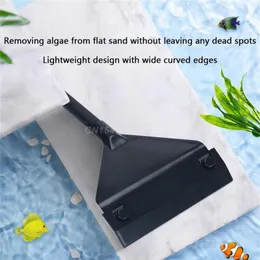
Credit: www.dhgate.com
Natural Remedies
Algae can make rocks slippery and unattractive. Using natural remedies helps remove algae safely. These methods protect the environment and keep your rocks clean.
Natural remedies are easy to find and use. They work without harsh chemicals. Below are three common natural tools for algae removal.
Baking Soda
Baking soda is a mild abrasive and natural cleaner. It helps scrub algae off rocks without damage. It also changes the water’s pH, making algae growth harder.
To use baking soda, sprinkle it on algae-covered rocks. Let it sit for a few minutes. Then, scrub gently with a brush and rinse with water.
Hydrogen Peroxide
Hydrogen peroxide is a natural disinfectant that kills algae effectively. It breaks down into water and oxygen, so it does not pollute the environment.
Apply a diluted hydrogen peroxide solution on rocks. Let it sit for 10-15 minutes. Rinse the area well with clean water afterward.
Barley Straw Extract
Barley straw extract stops algae from growing in ponds and water features. It releases natural chemicals that prevent algae spores from developing.
Add barley straw extract to water near the rocks. It works over time to reduce algae buildup without harming plants or animals.
Preventive Measures
Algae can make rocks slippery and unsightly. Taking preventive steps helps keep rocks clean. These steps reduce algae growth before it starts.
Focus on regular cleaning, controlling moisture, and improving sunlight to stop algae buildup. Each method plays a key role in prevention.
Regular Cleaning
Cleaning rocks often removes algae spores early. Use a soft brush or cloth to scrub rocks gently.
- Brush rocks weekly to remove dirt and algae.
- Rinse with water to wash away loose particles.
- Use mild soap if algae stick tightly.
- Dry rocks after cleaning to avoid moisture build-up.
Controlling Moisture
Algae thrive in wet places. Reducing moisture stops their growth on rocks. Drain water away and avoid constant wetness.
| Method | Effect on Algae Growth |
| Improve drainage | Prevents water from pooling on rocks |
| Fix leaks | Reduces constant dampness |
| Use water-resistant sealants | Keeps moisture away from rock surface |
| Limit watering near rocks | Reduces excess water exposure |
Improving Sunlight Exposure
Sunlight stops algae from growing well. Place rocks in sunny spots or trim plants blocking light.
- Move rocks to areas with direct sun.
- Trim trees and bushes around rocks.
- Clear debris that blocks light.
- Use reflective surfaces near rocks to boost light.
Safety Tips For Algae Removal
Removing algae from rocks can be tricky. It is important to stay safe while doing it. Use the right tools and follow safety tips to protect yourself.
This guide will help you understand how to remove algae safely. We will cover protective gear, ventilation, and waste disposal.
Protective Gear
Wear protective clothing to keep yourself safe. Gloves and goggles are essential when handling chemicals.
- Wear gloves to protect your hands.
- Goggles shield your eyes from splashes.
- A mask can prevent breathing in harmful fumes.
Proper Ventilation
Good ventilation is crucial when removing algae. It keeps the air fresh and reduces the risk of inhaling fumes.
- Open windows and doors for fresh air.
- Use a fan to improve air circulation.
- Avoid working in small, closed spaces.
Disposal Of Waste
Dispose of algae waste properly to protect the environment. Follow local guidelines for waste disposal.
- Collect algae in a sealed bag.
- Check local rules for disposal methods.
- Avoid dumping algae in natural water sources.
Choosing The Right Tool
Removing algae from rocks requires the right tools. Choosing the best tool depends on several factors. Let’s explore these factors to help you make an informed decision.
Each factor plays a key role in selecting the right tool. Consider algae type, rock type, and budget when making your choice.
Assessing Algae Severity
Algae severity affects the tool choice. Light algae can be removed easily. Heavy growth needs stronger tools.
- Light algae: Soft brushes or cloths
- Moderate algae: Scrubbing pads or sponges
- Heavy algae: Wire brushes or algae scrapers
Considering Rock Type
Different rocks need different care. Soft rocks can scratch easily. Hard rocks can handle tougher tools.
| Rock Type | Recommended Tool |
| Soft rocks | Soft brushes |
| Hard rocks | Algae scrapers |
Budget And Availability
Your budget may limit your tool choices. Some tools are more expensive. Others are readily available and affordable.
Frequently Asked Questions
What Are The Best Tools For Removing Algae From Rocks?
The best tools include scrapers, brushes, and pressure washers. Soft-bristle brushes prevent rock damage. Scrapers remove tough algae layers efficiently. Pressure washers clean large areas quickly without chemicals.
How Do Algae Removal Brushes Work On Rocks?
Algae removal brushes scrub and dislodge algae from rock surfaces. Soft bristles avoid scratching. Regular brushing prevents algae buildup. They are eco-friendly and chemical-free for safe use.
Can Pressure Washers Safely Remove Algae From Rocks?
Yes, pressure washers effectively remove algae without chemicals. Use low pressure to avoid rock damage. They clean large areas quickly and reduce algae regrowth when used regularly.
Are Chemical Treatments Necessary For Algae Removal On Rocks?
Chemical treatments are not always necessary. Physical tools like brushes and scrapers often suffice. Chemicals may harm aquatic life and rock surfaces, so use them cautiously and only if needed.
Conclusion
Using the right tools makes algae removal easier and faster. Simple brushes and scrapers work well on rocks. Soft cloths help clean delicate surfaces gently. Some natural solutions can prevent algae from growing back. Regular cleaning keeps rocks looking fresh and healthy.
Small efforts lead to big improvements in your outdoor space. Choose tools that fit your needs and budget. Start cleaning today for clearer, algae-free rocks tomorrow.