
Are you passionate about your hobby but worried that poor water quality might be holding you back? Whether you’re into aquariums, gardening, brewing, or any other water-dependent activity, clean and treated water can make all the difference.
Imagine healthier plants, clearer fish tanks, or better-tasting brews—all within your reach. You’ll discover simple and effective water treatment tips tailored just for hobbyists like you. Keep reading to unlock secrets that can take your hobby to the next level.
Choosing The Right Water Source
Water is important for many hobbies like gardening and fish keeping. Choosing clean water keeps your hobby safe and healthy.
Not all water sources are the same. You need to pick the right one for your needs.
Tap Water Vs. Natural Sources
Tap water is easy to get and usually treated to be safe. It often has chemicals like chlorine to kill germs.
Natural sources like rivers, lakes, or rainwater are free but may have dirt or germs. They can change with weather or pollution.
- Tap water is stable but may need conditioning
- Natural water can have more minerals and life
- Natural water needs testing before use
Testing Water Quality
Testing water helps you know if it is safe for your hobby. You can check pH, hardness, and chemicals.
Use simple test kits made for hobbyists. They show if water needs treatment before use.
- Test pH to know how acidic or basic water is
- Check hardness for minerals like calcium and magnesium
- Test for chlorine and other chemicals
- Look for signs of bacteria if using natural water
Common Contaminants To Watch
Some common contaminants can harm your hobby plants or animals. Knowing what to watch helps you avoid problems.
| Contaminant | Source | Effect |
|---|---|---|
| Chlorine | Tap water treatment | Can hurt fish and beneficial bacteria |
| Heavy Metals | Old pipes, industrial waste | Toxic to plants and animals |
| Pesticides | Runoff from farms | Can poison aquatic life |
| Bacteria | Natural water sources | May cause disease in fish or plants |
| Algae | Natural water, sunlight | Can use up oxygen and harm life |
Basic Water Treatment Methods
Water treatment is important for hobbyists who keep fish or plants. Clean water helps keep them healthy and alive.
There are simple ways to treat water at home. These methods remove harmful chemicals and particles from the water.
Filtration Techniques
Filtration removes dirt and waste from water. It helps keep water clear and safe for your hobby.
Common filters use physical materials like sponge or charcoal. These trap particles and clean the water.
- Mechanical filters catch large debris
- Biological filters use bacteria to break down waste
- Chemical filters remove toxins and odors
Dechlorination Options
Tap water often has chlorine, which is harmful to fish and plants. Removing chlorine is important before use.
You can remove chlorine by using chemicals or natural methods. This makes water safer for your hobby.
- Use water conditioners to neutralize chlorine quickly
- Let water sit for 24 hours to allow chlorine to evaporate
- Use activated carbon filters to absorb chlorine
Aeration Benefits
Aeration adds oxygen to water. Oxygen is essential for fish, plants, and beneficial bacteria.
Aerating water helps keep it fresh and healthy. It prevents bad smells and harmful gas build-up.
- Use air stones or pumps to increase oxygen
- Move water surface to allow gas exchange
- Better oxygen improves fish health and plant growth
Advanced Treatment Options
Water treatment is key for hobbyists who want clean and safe water. Advanced methods help remove more impurities. These options improve water quality for various uses.
Below are some popular advanced treatments. Each method has unique benefits and uses. Knowing these can help you pick the right one.
Reverse Osmosis Systems
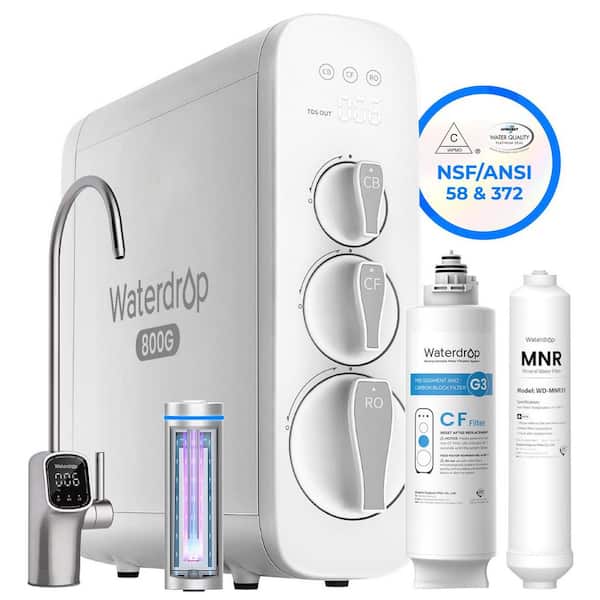
Reverse osmosis (RO) uses a thin membrane to filter water. It removes dissolved solids, salts, and many chemicals. RO systems give very pure water for aquariums and other hobbies.
- Filters out particles as small as 0.0001 microns
- Reduces hardness and heavy metals
- Improves taste and clarity
- Needs regular filter changes
- Produces some wastewater
Uv Sterilization
Ultraviolet (UV) sterilization kills bacteria and viruses in water. It uses UV light to damage germs’ DNA. This method is chemical-free and fast. It works well with other filtration systems.
| Benefit | Description |
| Effectiveness | Kills 99.9% of pathogens |
| Speed | Treats water instantly |
| Safety | No chemicals added |
| Maintenance | Replace UV bulb yearly |
| Limitations | Does not remove particles or chemicals |
Chemical Treatments
Chemical treatments use substances to disinfect or adjust water. Common chemicals include chlorine, iodine, and hydrogen peroxide. These kill germs and control algae or odors.
- Disinfect water for safe use
- Control algae growth in tanks
- Adjust pH levels
- Remove odors and tastes
Careful dosing is important. Too much chemical can harm aquatic life. Always follow product instructions.
Credit: www.homedepot.com
Maintaining Equipment For Clear Water
Keeping your water clean is important for any hobby that uses water. Clear water helps plants and animals stay healthy.
Proper care of your equipment makes sure the water stays clear and safe. This guide covers key ways to maintain your water treatment tools.
Cleaning Filters Regularly
Filters catch dirt and debris from the water. Over time, they get clogged and work less well. Clean them often to keep water flowing.
Remove the filters and rinse them with clean water. Avoid using soap or chemicals that can harm your water life.
- Check filters weekly
- Rinse gently with water
- Let dry before reusing
Monitoring Water Parameters
Testing water helps you know if it is safe and clear. Check things like pH, ammonia, and nitrate levels often.
Use simple test kits to get quick results. Record your readings to spot any changes in water quality fast.
- Test water once a week
- Keep notes on results
- Adjust treatment based on readings
Replacing Consumables
Some parts like filter pads or carbon need replacing. Old parts lose their ability to clean water well.
Follow the product instructions for how often to replace these items. Fresh parts help keep your water clear and safe.
- Change filter pads monthly
- Replace carbon every 3 months
- Use parts made for your equipment
Preventing Common Water Issues
Water quality is important for every hobbyist. Good water helps plants and animals stay healthy. Avoiding common water problems keeps your setup clean and safe.
This guide covers simple ways to control algae, manage hard water, and stop harmful bacteria from growing.
Algae Control Strategies
Algae can grow fast and harm your water system. Control light and nutrients to keep algae in check.
- Limit light exposure to 8-10 hours a day
- Remove dead leaves and debris regularly
- Use plants that compete with algae for nutrients
- Clean surfaces where algae can build up
- Consider adding algae-eating fish or snails
Managing Hard Water
Hard water contains minerals that can harm some hobby setups. Test your water and adjust as needed.
| Mineral | Effect | How to Manage |
| Calcium | Builds scale on equipment | Use water softeners or reverse osmosis |
| Magnesium | Raises water hardness | Mix with softer water or treat chemically |
| Iron | Causes staining and odors | Use filters or iron removers |
Avoiding Bacterial Growth
Bacteria can cause diseases and bad smells. Keep water moving and clean to stop bacteria.
Tips to avoid bacteria:
- Change water regularly to prevent buildup
- Use filters to remove particles
- Keep equipment clean and dry when possible
- Monitor water temperature to avoid warmth that helps bacteria
- Use UV sterilizers if needed

Credit: shop.floralife.com
Tips For Specific Hobbies
Water treatment is crucial for hobbyists. It ensures healthy environments for your interests. Learn specific tips for aquariums, hydroponics, and water features.
Each hobby has unique needs. Proper water management helps plants and animals thrive. Explore tailored advice below.
Aquariums And Fish Tanks
Clean water keeps fish healthy and vibrant. Regular testing and treatment prevent common issues.
- Use a dechlorinator to treat tap water
- Test water pH weekly
- Perform partial water changes regularly
Hydroponics And Gardening
Water quality directly impacts plant growth. Proper nutrients and pH levels are essential for success.
| Plant Type | Optimal pH |
| Lettuce | 5.5 – 6.5 |
| Tomatoes | 5.8 – 6.8 |
| Strawberries | 5.5 – 6.5 |
Water Features And Ponds
Water features add beauty and calm to spaces. Keep the water clean to prevent algae and bad odors.
Credit: www.penguinwater.com
Frequently Asked Questions
What Is The Best Water Treatment For Hobbyists?
The best water treatment depends on the hobby type. Common methods include filtration, dechlorination, and pH balancing. These ensure safe water for plants, fish, and crafts. Always test water quality to choose the right treatment for your hobby.
How Do I Remove Chlorine From Tap Water?
To remove chlorine, use a water conditioner or let water sit for 24 hours. Activated carbon filters also work well. Removing chlorine protects aquatic life and sensitive plants in hobby setups.
Why Is Water Ph Important For Hobbyists?
Water pH affects the health of fish, plants, and microbes. Maintaining proper pH ensures optimal growth and prevents stress. Testing and adjusting pH regularly helps keep your hobby environment stable and thriving.
Can I Use Tap Water Directly For My Hobby Projects?
Tap water often contains chlorine and minerals harmful to some hobbies. Treating water by filtering or conditioning improves safety. Always check water quality before use to avoid damaging sensitive equipment or living organisms.
Conclusion
Clean water keeps your hobby safe and enjoyable. Treating water stops harmful chemicals and germs. It helps plants grow and fish stay healthy. Simple steps make a big difference in water quality. Regular checks prevent problems before they start. Using the right tools saves time and effort.
Good water care protects your investment and fun. Keep learning and adapting your water treatment methods. Your hobby will thrive with clean, fresh water. Small actions lead to great results every day.