
If you keep Molly fish, you know how important it is to spot health problems early. But what if your Molly isn’t acting like usual?
Recognizing disease symptoms fast can save your fish’s life. You’ll discover the key signs that show your Molly fish might be sick. Knowing these symptoms will help you act quickly and keep your aquarium healthy. Don’t wait until it’s too late—read on to protect your Molly fish today!

Credit: www.reddit.com
Common Behavior Changes
Molly fish often show signs of illness through behavior changes. Watching their actions can help detect problems early.
Below are common behavior changes to look for in sick Molly fish.
Lethargy And Reduced Activity
Sick Molly fish may move less or hide more than usual. They seem tired and swim slowly or stay still at the tank bottom.
These signs often show that the fish is weak or stressed by disease.
Loss Of Appetite
A sick Molly fish often stops eating or eats much less. This can cause weight loss and weakness over time.
- Ignore food when offered
- Spit out food after biting
- Eat less than other fish in the tank
- Refuse food for several days
Erratic Swimming Patterns
Molly fish with disease may swim strangely. They can dart quickly, spin, or float near the surface.
| Swimming Behavior | Possible Cause |
| Darting rapidly | Stress or irritation |
| Spinning in circles | Swim bladder issues |
| Floating at surface | Oxygen shortage or sickness |
| Sinking to bottom | Weakness or infection |

Credit: www.aquariumsource.com
Visible Physical Symptoms
Molly fish can get sick and show clear signs on their body. Watching these signs helps you catch problems early.
Look closely at your molly fish for changes in color, shape, or behavior. These signs tell you if they are healthy or not.
White Spots And Fungal Growth
White spots look like tiny dots on the skin or fins. They can be caused by parasites or fungus. Fungal growth appears as cotton-like patches on the body.
- Small white dots on the body or fins
- Fuzzy white or gray patches
- Fish may scratch against objects
- Breathing may become fast or difficult
Clamped Fins And Fin Rot
Clamped fins mean the fish keeps its fins close to the body. Fin rot causes fins to look torn or ragged. Both signs show stress or infection.
| Symptom | Description |
|---|---|
| Clamped Fins | Fins held tight against the body |
| Fin Rot | Fins look shredded or discolored |
| Behavior | Fish may swim less or hide often |
Discoloration And Lesions
Discoloration means parts of the fish change color. Lesions are open sores or wounds on the skin. These signs can mean infection or injury.
- Dark or pale patches on the body
- Red or inflamed areas
- Open wounds or ulcers
- Fish may lose appetite
Respiratory Distress Signs
Molly fish may show signs of respiratory distress when sick. Watching their breathing helps spot problems early.
Respiratory distress means the fish has trouble getting enough oxygen. This can be dangerous and needs attention.
Gasping At The Surface
Molly fish gasping at the surface tries to get more air. This is a key sign of low oxygen or gill issues.
- Fish stay near the water surface
- Open mouths wide to gulp air
- Look weak or tired while gasping
- May stay still or move slowly
Rapid Gill Movement
Rapid gill movement means the molly fish is trying hard to breathe. This can show stress or infection.
| Gill Movement Speed | Possible Cause |
| Normal (10-20 breaths per minute) | Healthy fish |
| Faster than 30 breaths per minute | Low oxygen, gill disease, or stress |
| Very rapid or irregular | Severe respiratory distress |
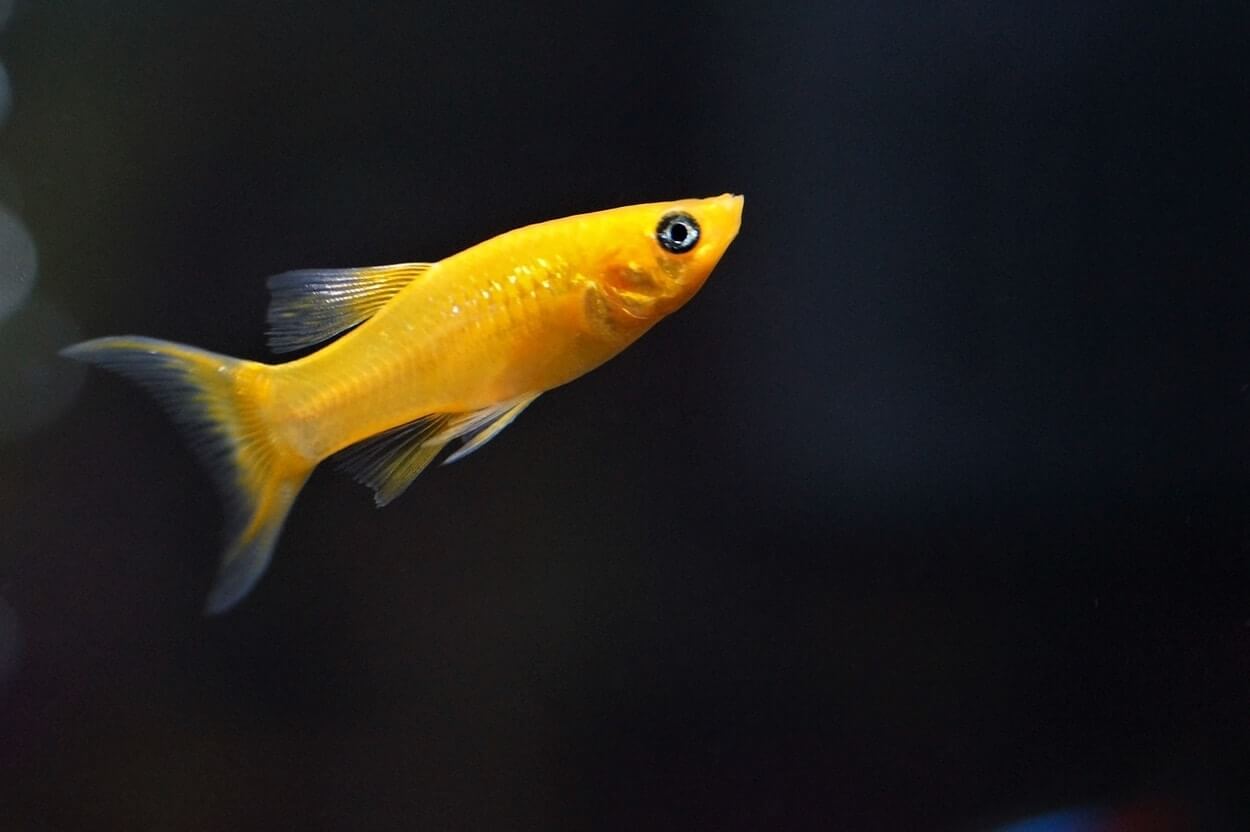
Credit: www.aquariumsource.com
Skin And Scale Issues
Molly fish can show signs of illness through changes in their skin and scales. Watching for these signs helps catch disease early.
Skin problems often start with small changes but can get worse quickly. Careful observation is key to keeping mollies healthy.
Excessive Mucus Production
When mollies produce too much mucus, their skin looks slimy and thick. This can block breathing and cause stress.
- Skin appears cloudy or shiny due to mucus layers
- Fish may scratch against objects to remove mucus
- Breathing might become faster or labored
- Mucus buildup can lead to bacterial infections
Raised Or Missing Scales
Raised or missing scales often point to injury or infection. This condition makes the fish vulnerable to germs.
| Symptom | Possible Cause | Effect |
|---|---|---|
| Raised scales | Infections, dropsy | Swelling and discomfort |
| Missing scales | Physical damage, fights | Open wounds and risk of infection |
| Redness around scales | Bacterial infection | Inflammation and pain |
Eye And Mouth Abnormalities
Molly fish can show signs of illness through changes in their eyes and mouth. Watching for these signs helps keep your fish healthy.
Eye and mouth problems often signal infections or poor water quality. Early detection is key to treatment.
Cloudy Or Bulging Eyes
Cloudy eyes look hazy or milky and can reduce your molly’s vision. Bulging eyes stick out more than usual and may indicate infection.
- Cloudiness may come from poor water conditions or injury.
- Bulging eyes often result from bacterial infections.
- Both symptoms can cause discomfort and stress.
- Keep water clean to prevent these eye problems.
Mouth Clamping Or Swelling
A molly fish with a clamped mouth keeps it tightly closed. Swelling around the mouth can show infection or parasites.
| Symptom | Possible Cause | Effect on Fish |
|---|---|---|
| Mouth Clamping | Stress or poor water quality | Difficulty eating or breathing |
| Mouth Swelling | Bacterial or parasitic infection | Discomfort and feeding problems |
Behavioral Indicators Of Stress
Molly fish can show signs of stress through their behavior. Recognizing these behaviors helps in identifying potential diseases early.
Understanding these indicators ensures you can take prompt action to help your fish recover.
Hiding And Isolation
Stressed molly fish often hide more than usual. They may isolate themselves from other fish.
This behavior can indicate discomfort or illness. Watch for frequent hiding spots like plants or decorations.
- Stays in one spot for long periods
- Avoids other fish
- Chooses dark or covered areas to hide
Scratching Against Objects
Scratching against objects is a common sign of stress. Molly fish may rub their bodies on tank surfaces.
This can be a response to irritation or parasites. It’s important to observe if this behavior continues frequently.
- Rubs body against rocks or glass
- Repeatedly scratches in the same area
- Appears restless or agitated
Frequently Asked Questions
What Are Common Molly Fish Disease Symptoms?
Common symptoms include white spots, clamped fins, lethargy, loss of appetite, and rapid breathing. These signs indicate infections or stress in Molly fish.
How To Identify Fungal Infections In Molly Fish?
Fungal infections appear as cotton-like growths on the body or fins. Infected fish may also show sluggish behavior and skin discoloration.
Can Water Quality Cause Molly Fish Diseases?
Yes, poor water quality often leads to diseases. High ammonia, nitrite levels, and incorrect pH stress Molly fish, making them prone to illness.
How To Treat Ich Disease In Molly Fish?
Ich appears as tiny white spots on the fish. Treatment includes raising water temperature and using anti-Ich medications promptly.
Conclusion
Molly fish show clear signs when they feel sick. Watch for changes in color, behavior, and appetite. Early detection helps stop diseases fast. Keep the tank clean and water healthy. Healthy fish stay active and bright. Treating problems quickly can save your fish.
Remember, careful observation keeps mollies happy. Stay patient and gentle with your pet fish. Healthy mollies bring joy to any aquarium.