
Are you ready to create the perfect home for your betta fish to breed? Setting up the right environment is key to successful betta breeding, and it’s easier than you might think.
In this guide, you’ll discover simple steps to prepare your tank, choose the best equipment, and care for your bettas during the breeding process. Whether you’re a beginner or want to improve your results, this setup guide will give you everything you need to see healthy, thriving baby bettas in no time.
Keep reading to unlock the secrets that make breeding bettas both rewarding and enjoyable!

Credit: justbetta.com
Choosing The Right Betta
Choosing the right betta fish is important for successful breeding. Healthy bettas produce strong offspring. Picking compatible pairs helps prevent fighting and stress.
This guide covers how to select healthy breeders and identify compatible pairs for your betta breeding setup.
Selecting Healthy Breeders
Start by choosing bettas that look active and alert. Avoid fish with torn fins or cloudy eyes. Healthy bettas have bright colors and smooth scales.
- Check for clear eyes without cloudiness
- Look for intact and vibrant fins
- Observe smooth and shiny scales
- Choose fish that swim actively
- Avoid any fish showing signs of illness
Identifying Compatible Pairs
Breeding bettas requires pairs that get along well. Males are territorial and can fight if paired wrongly. Females should be calm and healthy.
| Pair Type | Compatibility Notes |
| Male and Female | Best for breeding; introduce carefully to avoid fighting. |
| Male and Male | Not recommended; they will fight aggressively. |
| Female and Female | Possible if tank is large; watch for stress signs. |
Preparing The Breeding Tank
Setting up a breeding tank for Betta fish requires careful planning. The right environment helps the fish feel safe and ready to breed.
This guide covers the essential parts of preparing the tank for successful Betta breeding.
Tank Size And Environment
The tank should be spacious enough to allow the Betta to swim and build a bubble nest. A 10-gallon tank is ideal for one pair of Bettas.
Keep the tank in a quiet area with stable room temperature. Avoid direct sunlight to prevent algae growth and temperature spikes.
Water Conditions And Parameters
Maintaining proper water quality is critical. Bettas need clean, warm water with gentle filtration.
| Parameter | Recommended Range |
| Temperature | 78°F to 80°F (25.5°C to 27°C) |
| pH Level | 6.5 to 7.5 |
| Ammonia | 0 ppm |
| Nitrite | 0 ppm |
| Nitrate | < 20 ppm |
Use a gentle sponge filter to keep water clean without stressing the fish. Change 20% of the water weekly to maintain quality.
Setting Up Plants And Hiding Spots
Plants and hiding spots create a natural habitat. They offer shelter and calm the fish.
- Use live or silk plants to avoid sharp edges.
- Place floating plants to help the male build a bubble nest.
- Add small caves or decorations for hiding spots.
- Ensure decorations do not take too much space.
Conditioning The Betta Pair
Conditioning is important before breeding bettas. It helps fish get healthy and ready.
Good care during conditioning improves breeding success. Feeding is a key part of this process.
Feeding For Optimal Health
Feed bettas high-quality food to keep them healthy. Use foods rich in protein and nutrients.
Live or frozen foods work best. Examples include bloodworms, brine shrimp, and daphnia.
- Protein helps build strong muscles
- Vitamins improve immune system
- Healthy food supports breeding behavior
Establishing A Feeding Schedule
Feed bettas two to three times daily. Small meals prevent overfeeding and water pollution.
Keep feeding times consistent. Regular schedules help bettas adjust and stay healthy.
- Morning feeding helps start metabolism
- Midday feeding keeps energy steady
- Evening feeding prepares for rest
Introducing The Betta Pair
Setting up a safe and healthy environment for breeding bettas begins with introducing the pair carefully. Proper introduction helps reduce stress and increases the chance of successful breeding.
Understanding bettas’ behavior and signs of aggression or compatibility is important before placing them together. This guide covers key techniques to help you manage their first meeting.
Safe Introduction Techniques
Introducing bettas requires patience and control. Use these techniques to keep both fish safe during their first encounter.
- Use a divided tank so males and females can see each other without contact.
- Observe their reactions for several days before removing the divider.
- Keep water clean and at a stable temperature to reduce stress.
- Remove any sharp decorations to prevent injuries during aggressive displays.
- Introduce the female slowly by floating her container inside the male’s tank.
- Watch closely for signs of extreme aggression or stress.
- Have a backup tank ready in case separation is needed quickly.
Signs Of Compatibility And Aggression
Bettas show clear signs that tell if they will get along or fight. Watching their behavior helps decide if breeding can continue safely.
| Behavior | Sign | Meaning |
| Gentle fin flaring | Compatibility | Displays interest without attacking |
| Chasing with open mouth | Aggression | Warning and threat behavior |
| Hiding or freezing | Stress | Fearful or overwhelmed |
| Building bubble nest | Compatibility | Male is ready to breed |
| Repeated biting or nipping | Aggression | Potential fighting risk |
Breeding Process And Behavior
Betta fish show unique behaviors during breeding. Understanding these helps create a good setup. Careful attention to their actions can improve breeding success.
The breeding process includes bubble nest building, spawning, and egg care. Each stage requires different conditions and care from the keeper.
Bubble Nest Building
Male bettas build bubble nests on the water surface. These nests protect the eggs and young fry. The male blows bubbles coated with saliva to form the nest.
- The nest usually forms near floating plants or tank edges.
- It looks like a cluster of small bubbles sticking together.
- The male maintains and repairs the nest regularly.
- Bubble nests can be a sign that the male is ready to breed.
Spawning And Egg Care
Spawning happens after the female enters the nest area. The male wraps around her to fertilize the eggs as she releases them. After spawning, the male collects eggs in the bubble nest.
| Stage | Male Behavior | Female Behavior |
| Spawning | Wraps around female to fertilize eggs | Releases eggs slowly |
| Egg Care | Collects eggs and places them in the nest | Usually removed from tank to reduce stress |
| Fry Protection | Guards nest and repairs it | Not involved in care |
Caring For Fry And Juveniles
Raising Betta fry and juveniles requires special attention. Their needs differ from adult fish.
Proper feeding and water conditions ensure healthy growth. Let’s explore the essentials.
Feeding The Fry
Fry need nutritious food to grow strong. Start with tiny live foods.
- Feed infusoria during the first week.
- Introduce baby brine shrimp after one week.
- Gradually add micro-worms as they grow.
Maintaining Water Quality
Clean water prevents diseases and promotes health. Monitor water conditions regularly.
| Parameter | Ideal Range |
| Temperature | 78-80°F |
| pH Level | 6.5-7.0 |
| Ammonia | 0 ppm |
Preventing Common Diseases
Fry are vulnerable to diseases. Early prevention is key to keeping them healthy.
Monitor for signs of illness, such as:
- Clamped fins
- Loss of color
- Erratic swimming
Quarantine sick fish to prevent spreading.
Troubleshooting Common Issues
Betta breeding can be a rewarding hobby, but it comes with challenges. Understanding common issues helps ensure a smooth breeding process.
This guide will help you handle aggressive behavior and deal with failed spawns effectively.
Handling Aggressive Behavior
Bettas can be aggressive, especially during breeding. Knowing how to manage this is crucial for their safety.
Provide hiding spots to reduce stress and allow partners to retreat. Monitor closely to prevent injury.
- Use plants or decorations for hiding spots
- Separate aggressive fish if needed
- Observe their behavior regularly
Dealing With Failed Spawns
Not every spawn will be successful. Understanding reasons for failure helps improve future attempts.
Ensure optimal water conditions and check for compatibility issues. Sometimes, a change in pair can help.
- Check water temperature and quality
- Ensure both bettas are healthy
- Consider trying a different pair

Credit: www.youtube.com
Tips For Long-term Breeding Success
Breeding bettas takes patience and care. You need to prepare a good setup and keep track of your fish.
Long-term success comes from strong planning and careful monitoring. This guide shares important tips for breeders.
Maintaining Genetic Diversity
Genetic diversity helps keep your bettas healthy and strong. Avoid breeding fish that are too closely related.
Use different pairs and lines to mix genes. This reduces the risk of health problems and weak offspring.
- Keep track of family lines to prevent inbreeding
- Introduce new fish from other breeders occasionally
- Choose strong, healthy fish for breeding
- Observe offspring for signs of weakness or illness
Record Keeping And Monitoring
Good records help you track breeding results and improve over time. Write down dates, pairs, and outcomes.
Watch your fish daily for signs of stress or disease. Early action can save your fish and future generations.
- Note breeding dates and pair combinations
- Record number of eggs and fry survival rates
- Track health issues and treatments given
- Check water conditions regularly and record changes
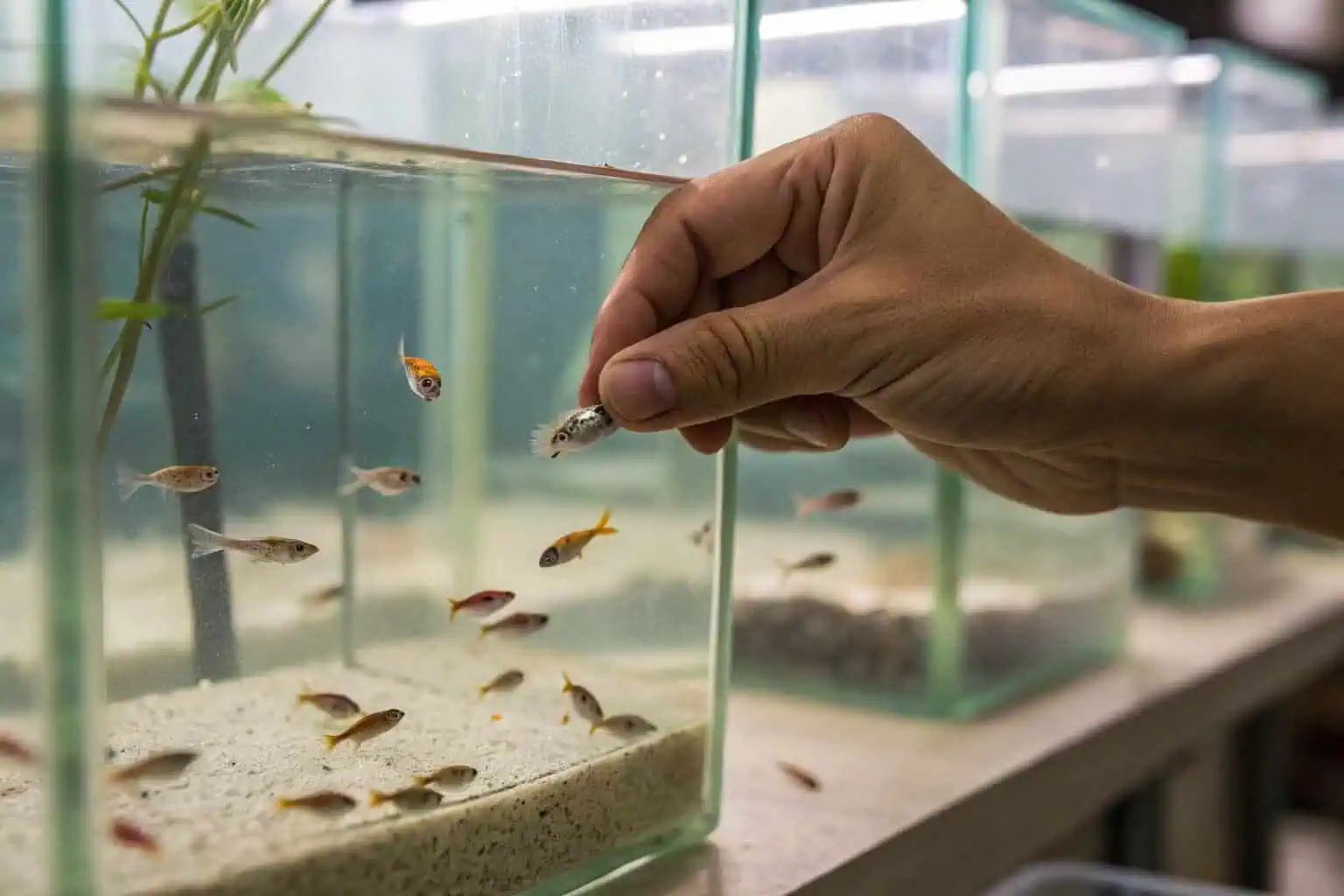
Credit: www.bancysolutions.com
Frequently Asked Questions
What Tank Size Is Ideal For Betta Breeding Setup?
A 10-gallon tank is ideal for betta breeding. It provides enough space for the pair to swim and the male to build a bubble nest. Proper space reduces stress and promotes healthy breeding conditions.
How To Prepare Water For Betta Breeding?
Use clean, warm water between 78-80°F (25-27°C). Maintain a pH of 6. 5-7. 5. Avoid strong currents by using a gentle filter or sponge filter to create a calm environment.
What Plants Are Best For A Betta Breeding Tank?
Live plants like Java moss or floating plants help. They provide shelter, improve water quality, and support bubble nest building. Plants also reduce stress and mimic natural habitats.
How To Introduce Male And Female Bettas Safely?
Place the female in a clear container inside the male’s tank. Allow visual contact without aggression. After male builds a bubble nest, release the female carefully for breeding.
Conclusion
Setting up a betta breeding tank takes patience and care. Keep water clean and at the right temperature. Provide hiding spots and gentle lighting for comfort. Watch the fish closely to avoid stress or harm. Feeding them well helps strong and healthy fry.
Enjoy the process and learn from each step. Betta breeding can be rewarding with the right setup. Start small, stay consistent, and see your fish thrive.