
Setting up a discus tank can feel overwhelming if you’re new to the hobby. But imagine watching your vibrant discus fish glide gracefully through crystal-clear water in a beautiful, well-planned aquarium.
You don’t need to be an expert to create this peaceful underwater scene. With the right steps, tools, and a bit of care, you can build a healthy environment that your discus will thrive in. This guide will walk you through everything you need to know to get started quickly and confidently.
Ready to turn your tank into a stunning discus paradise? Let’s dive in.
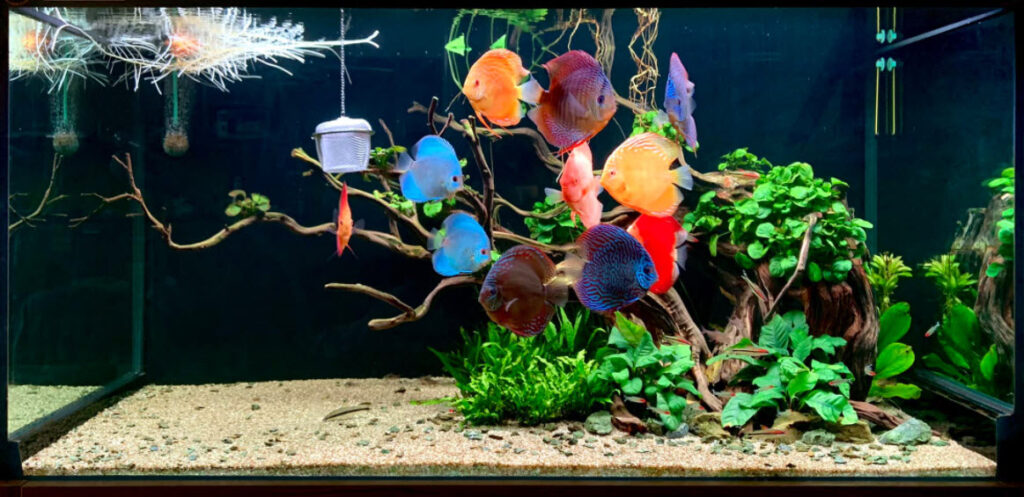
Credit: aquainfo.nl
Choosing The Right Tank
Choosing the right tank is important for keeping discus fish healthy. The tank size, shape, and material all affect the fish’s comfort and growth.
It is best to pick a tank that suits your space and meets the needs of discus fish. This guide will help you decide on the best tank setup.
Ideal Tank Size
Discus fish need enough space to swim and grow. A tank that is too small can cause stress and health problems.
A good minimum size for a discus tank is 50 gallons. This size allows room for at least five discus fish.
- 50 gallons for 5 discus fish
- Add 10 gallons for each extra fish
- Keep the water clean with a good filter
Tank Shape Considerations
The shape of the tank can change how your discus fish swim and how you maintain the tank.
Long tanks offer more horizontal swimming space. Tall tanks provide more water volume but less swimming space.
| Tank Shape | Advantages | Disadvantages |
|---|---|---|
| Long | More swimming space, easier to arrange plants | Takes up more floor space |
| Tall | More water volume in less floor space | Less horizontal swimming room |
| Square | Good balance of space and volume | May limit swimming paths |
Material Options
Tanks come in glass and acrylic. Each material has benefits and drawbacks.
Glass Tanksare heavier and less expensive. They resist scratches but can break if dropped.
Acrylic Tanksare lighter and clearer. They resist impact but scratch easily.
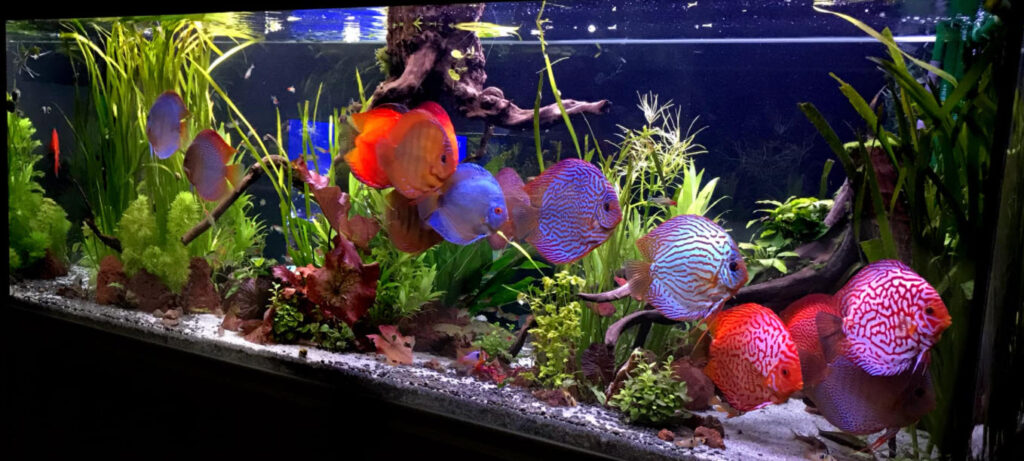
Credit: aquainfo.nl
Essential Equipment
Setting up a discus tank needs the right equipment for a healthy environment. This guide covers the basics every beginner should know.
Good equipment helps keep water clean, temperature stable, and lighting suitable for your fish.
Filtration Systems
Filtration is key to remove waste and keep water clear. Choose filters that handle the tank size well.
- Canister filters: Powerful and quiet, good for large tanks.
- Hang-on-back filters: Easy to install and maintain.
- Sponge filters: Gentle for small tanks and fry.
Heating Requirements
Discus fish need warm water to stay healthy. Use a reliable heater with a thermostat.
| Water Temperature | Recommended Range |
| Discus Fish | 82°F to 86°F (28°C to 30°C) |
| Heater Type | Submersible with thermostat |
| Backup | Thermometer to monitor temperature |
Lighting Choices
Proper lighting supports fish health and shows their colors. Avoid bright lights that stress them.
- Use soft LED lights designed for aquariums.
- Keep lights on 8 to 10 hours daily.
- Include plants or decorations to give shaded areas.
Water Parameters
Setting up a discus tank needs careful attention to water. Water parameters affect the health and growth of discus fish. Good water conditions help discus feel safe and active.
Beginners should learn the key water settings for discus tanks. These include temperature, pH, hardness, and cleanliness. Keeping these stable is important.
Optimal Temperature
Discus fish prefer warm water. The best temperature is between 82 and 86 degrees Fahrenheit. This range helps their metabolism and immune system.
Use a reliable heater to keep the water steady. Avoid sudden temperature changes because they stress the fish. Check the temperature daily.
Ph And Hardness Levels
Discus fish like soft, slightly acidic water. The pH should be between 6.0 and 7.0. Water hardness should be low to moderate.
- pH level: 6.0 to 7.0
- General Hardness (GH): 1 to 8 dGH
- Carbonate Hardness (KH): 1 to 3 dKH
Test your water regularly with a test kit. Adjust the pH or hardness slowly if needed. Sudden changes can harm discus.
Maintaining Water Quality
Clean water is essential for discus health. Remove waste and uneaten food to keep water clear. Use a good filter for steady water flow.
Do partial water changes weekly. Replace 25% to 30% of the tank water with fresh, treated water. This keeps toxins low and oxygen high.
- Use a quality water filter
- Change 25-30% water weekly
- Test ammonia, nitrite, and nitrate levels
- Keep ammonia and nitrite at 0 ppm
- Keep nitrate under 20 ppm
Substrate And Decorations
Setting up a discus tank requires careful choice of substrate and decorations. These elements help create a healthy and natural environment for your fish.
Good substrate and decorations also improve the tank’s look and give your discus places to explore and hide.
Best Substrate Types
Discus fish like soft and fine substrate that is gentle on their bodies. Avoid sharp or rough materials.
- Fine sand: Soft and safe for discus to dig in.
- Clay-based substrates: Help keep water pH stable and slightly acidic.
- Gravel (small and smooth): Can be used but not as ideal as sand.
Aquascaping Tips
Arrange decorations to mimic the natural habitat of discus fish. Keep open swimming areas and shaded spots for resting.
- Place taller plants or driftwood in the back or corners.
- Use smooth stones or rocks to create hiding spots.
- Leave space in the center for swimming.
- Keep decorations stable to avoid falling and harming fish.
Safe Plants And Ornaments
Choose plants and ornaments that do not harm discus or change water quality quickly. Avoid sharp edges and toxic materials.
| Plant/Ornament | Benefit | Notes |
| Anubias | Hardy, grows well in low light | Attach to driftwood or rocks |
| Amazon Sword | Large leaves provide shade | Requires nutrient-rich substrate |
| Driftwood | Natural hiding spots, lowers pH | Soak before use to avoid water cloudiness |
| Smooth River Stones | Safe decoration, no sharp edges | Easy to clean |
Selecting Discus Fish
Choosing the right discus fish is key to a successful tank setup. You need to pick healthy fish that fit your tank size and goals.
This guide will help you select discus fish that are healthy, compatible, and suitable for your aquarium.
Healthy Fish Traits
Healthy discus fish show clear eyes and smooth scales. Their fins stay intact without tears or spots.
They swim actively and respond to food quickly. Avoid fish that hide or look weak.
- Clear, bright eyes
- Smooth, shiny scales
- Intact fins without damage
- Active swimming behavior
- Good appetite and response to food
- No visible signs of disease or parasites
Choosing Compatible Species
Discus fish are peaceful and need calm tank mates. Avoid aggressive fish that may stress them out.
Good companions include small tetras, corydoras, and dwarf cichlids. These species share similar water needs.
- Small, peaceful tetras
- Corydoras catfish
- Dwarf cichlids like Apistogramma
- Avoid large or aggressive fish
- Choose species with similar water temperature and pH needs
Stocking Density Guidelines
Discus fish need plenty of space to swim. Overcrowding causes stress and health problems.
Plan to keep 1 discus per 10 gallons of water. This keeps water quality high and fish happy.
- 1 discus fish per 10 gallons (38 liters) of water
- Adjust numbers for tank size and filtration
- Leave space for plants and decorations
- Monitor fish behavior for signs of stress
- Reduce stocking if water quality drops
Feeding Your Discus
Discus fish need a balanced diet to thrive. Feeding them properly helps maintain their health and color.
It’s important to know what they eat and how often. Proper feeding keeps your discus happy.
Diet Essentials
Discus fish enjoy a variety of foods. Their diet should include high-quality proteins and vitamins.
They eat both dry and live foods. Offering a mix ensures they get all the nutrients they need.
- Dry foods like pellets and flakes
- Live foods such as brine shrimp and bloodworms
- Frozen foods for balanced nutrition
Feeding Schedule
Feeding your discus regularly is important. They should eat several times a day in small amounts.
Overfeeding can harm their health. Stick to a schedule to prevent this and maintain water quality.
| Time | Food Type |
| Morning | Pellets or flakes |
| Afternoon | Live foods |
| Evening | Frozen foods |
Supplementing Nutrition
Supplements can enhance your discus diet. They provide extra nutrients that might be missing from regular food.
Look for vitamins and minerals that boost fish health. Always use supplements designed for aquarium fish.
- Vitamin supplements for better immunity
- Mineral additives to strengthen bones
- Color enhancers for vibrant scales
Tank Maintenance
Keeping your discus tank clean is essential. It ensures a healthy environment for your fish.
Proper maintenance helps prevent disease and promotes fish happiness. Let’s explore some key practices.
Regular Cleaning Routines
Regular cleaning is vital for a thriving aquarium. It minimizes algae and waste buildup.
- Use an algae scraper for glass cleaning
- Vacuum the substrate to remove debris
- Wipe down tank decorations
- Check and clean the filter regularly
Water Change Techniques
Water changes keep the tank environment balanced. Fresh water is important for fish health.
| Frequency | Water Percentage |
| Weekly | 10-20% |
| Bi-Weekly | 20-30% |
Monitoring Fish Health
Observing your fish helps catch health issues early. Healthy fish are active and have vibrant colors.
Common Issues
Setting up a discus tank can be tricky for beginners. Many common issues can affect the health of your fish.
Knowing these problems helps you keep your tank safe and your discus happy.
Disease Prevention
Discus fish are sensitive to water quality and stress. Poor water conditions lead to disease.
To prevent disease, keep the tank clean and stable. Regular water changes and good filtration help a lot.
- Change 25% of water weekly
- Use a quality filter suitable for your tank size
- Test water for ammonia, nitrite, and nitrate regularly
- Quarantine new fish before adding them
- Feed a balanced diet to boost immunity
Stress Reduction
Stress weakens discus fish and makes them sick. Loud noises and sudden movements cause stress.
Create a calm environment with hiding places and gentle lighting. Keep the tank in a quiet room.
- Keep tank away from loud sounds
- Use plants or decorations for hiding spots
- Avoid sudden changes in water temperature
- Feed small amounts several times a day
- Handle fish gently and only when needed
Troubleshooting Problems
If your discus show unusual behavior, check water quality first. Cloudy water or unusual smells are warning signs.
Look for signs like faded colors, clamped fins, or slow swimming. These may mean illness or stress.
- Test water parameters: pH, temperature, ammonia, nitrites
- Check for leftover food that can pollute water
- Inspect fish for spots, ulcers, or white patches
- Perform partial water changes to improve water quality
- Isolate sick fish to stop spreading disease

Credit: www.blessingsaquarium.com
Frequently Asked Questions
What Size Tank Is Best For Discus Fish Beginners?
A 50-gallon tank is ideal for beginner discus fish. It provides enough space for 4-6 discus to swim comfortably. Larger tanks help maintain water stability, which is crucial for discus health and growth.
How Often Should I Clean A Discus Tank?
Clean your discus tank weekly by changing 25-30% of the water. Use a gravel vacuum to remove debris. Regular cleaning helps maintain water quality and prevents harmful bacteria buildup.
What Water Parameters Are Best For Discus Fish?
Discus prefer water temperatures between 82-86°F and pH levels of 6. 0-7. 0. Soft, slightly acidic water mimics their natural habitat and promotes healthy behavior and vibrant colors.
Can I Keep Other Fish With Discus?
Yes, but choose peaceful, slow-moving species like tetras or corydoras. Avoid aggressive or fast fish that stress discus. Compatibility ensures a harmonious and healthy aquarium environment.
Conclusion
Setting up a discus tank is simple with the right steps. Keep water clean and stable for healthy fish. Choose the right tank size and decorations carefully. Feed your discus a balanced diet every day. Watch your fish often to spot any problems early.
Patience and care bring beautiful, happy discus fish. Enjoy the process and learn as you go. This setup will help your discus thrive and grow strong.