
If you keep snails in your aquarium, you know how important clean, healthy water is for their survival. But treating water for snail tanks isn’t always simple.
You might be wondering how to balance the right chemicals without harming your tiny friends. This guide will help you understand exactly what your snails need to thrive. By the end, you’ll have clear, easy steps to keep your tank water safe and your snails happy.
Ready to make your snail tank the best home possible? Let’s dive in.
Water Quality Basics
Good water quality is very important for snail tanks. It helps snails stay healthy and active. Clean water keeps their shells strong.
Regular water checks and changes improve tank life. Understanding key water factors helps you care for your snails better.
Ideal Ph Levels
Snails need water with the right pH to survive. Most snails prefer a pH between 7.0 and 8.0. This range keeps their shells healthy.
Water that is too acidic or too basic can harm snails. Test your water often to keep the pH stable. Use pH buffers if needed.
Temperature Control
Snails thrive in warm water. The best temperature range is 68°F to 78°F (20°C to 26°C). This helps them eat and grow well.
Sudden temperature changes can stress snails. Use a reliable heater and thermometer to keep the temperature steady.
Water Hardness
Water hardness affects snail shell strength. Hard water has more minerals like calcium. Snails need calcium to build their shells.
Keep water hardness between 8 and 12 dGH. Use test kits to measure hardness. Add calcium supplements if needed.
Filtration Methods
Proper filtration is key to keeping snail tanks clean and healthy. Good filters remove waste and harmful chemicals from the water. This helps snails live longer and stay active.
Choosing the right filtration method for your snail tank depends on tank size and snail species. Some filters create strong currents that snails dislike. Others work quietly and gently.
Choosing The Right Filter
Snails need filters that clean without disturbing them. Canister filters, sponge filters, and hang-on-back filters are common choices. Each type offers different benefits and water flow levels.
- Sponge Filters:Gentle water flow and good biological filtration.
- Hang-on-Back Filters:Easy to install and provide mechanical and chemical filtration.
- Canister Filters:Strong filtration for larger tanks but may need flow adjustments.
Maintenance Tips
Regular cleaning keeps filters working well. Dirty filters can harm water quality and snail health. Follow a schedule to keep the tank clean and safe.
| Task | Frequency |
| Rinse sponge or filter media | Every 2 weeks |
| Check for clogging | Weekly |
| Replace carbon or chemical media | Monthly |
| Clean tank glass and decorations | Weekly |
Avoiding Strong Currents
Strong water currents stress snails and can cause damage. Choose filters that allow flow control or place flow outlets away from snail areas. Gentle water movement helps snails breathe and feed.
Tips to reduce strong currents:
- Use flow control valves on canister filters
- Place sponge filters near tank corners
- Add plants or decorations to break water flow
- Lower filter pump speed if possible
Water Changes
Regular water changes keep snail tanks healthy and clean. Clean water removes waste and harmful chemicals.
Proper water changes help snails grow and stay active. Use the right water and check tank conditions often.
Frequency And Volume
Change water often to keep the tank safe. Small, regular changes work best for snails.
- Change 10-20% of water every week
- Use smaller changes more often if tank is small
- Avoid large water changes to prevent stress
Using Dechlorinated Water
Tap water contains chlorine that can harm snails. Use dechlorinated water to keep them safe.
| Water Type | Effect on Snails | Notes |
| Tap Water | Harmful | Contains chlorine and chloramine |
| Dechlorinated Water | Safe | Use water conditioner before adding |
| RO/Distilled Water | Needs Minerals | Add minerals to support snail shells |
Monitoring Water Parameters
Check water quality to keep snails healthy. Use test kits for key parameters.
- Measure pH; snails prefer 7.0 to 8.0
- Check ammonia and nitrite; keep at 0 ppm
- Test nitrate; keep below 20 ppm
- Monitor water hardness to protect snail shells

Credit: www.reddit.com
Controlling Ammonia And Nitrate
Keeping ammonia and nitrate levels low is key for snail tank health. These toxins build up from waste and leftover food.
Regular care helps prevent harm to snails and keeps water safe for them to live.
Sources Of Toxins
Ammonia comes mainly from snail waste and uneaten food. Nitrate forms as ammonia breaks down over time.
- Overfeeding snails can increase waste and toxins.
- Decaying plants add to ammonia and nitrate levels.
- Poor tank cleaning lets toxins accumulate.
Testing Water Regularly
Check water for ammonia and nitrate often. Testing kits are easy to use and show levels clearly.
| Test Type | Safe Level | Action Needed |
| Ammonia | 0 ppm | Immediate water change |
| Nitrate | Below 20 ppm | Partial water change |
Natural Filtration Options
Plants and beneficial bacteria help remove toxins from snail tanks. They keep water clean and safe.
- Live plants absorb nitrate as food.
- Snail-safe biofilters grow bacteria that break down ammonia.
- Regular partial water changes support natural filtration.
Adding Beneficial Bacteria
Beneficial bacteria are essential for snail tanks. They help break down waste and keep the water clean. Adding these bacteria supports a healthy environment for your snails.
These bacteria form a natural filter that removes harmful substances. Without them, toxins can build up and harm your snails.
Bacterial Supplements
Bacterial supplements add good bacteria quickly to your snail tank. They help start the natural cleaning process. Use them when setting up a new tank or after cleaning.
- Choose supplements made for freshwater tanks
- Follow the instructions for dosage
- Use regularly to keep bacteria levels stable
Cycling The Tank
Cycling means building up beneficial bacteria before adding snails. This process removes harmful ammonia and nitrites from the water. It takes a few weeks but is important for snail health.
During cycling, test the water regularly. Look for zero ammonia and nitrite levels. This shows the bacteria are working well.
- Add a source of ammonia, like fish food
- Wait for ammonia to drop to zero
- Check nitrite levels until they reach zero
- Only add snails when water is safe
Maintaining Bacteria Balance
Good bacteria need care to stay balanced. Avoid cleaning too much or using strong chemicals. These can kill beneficial bacteria and harm your snails.
Feed your snails lightly and remove leftover food. Keep water temperature and pH stable. These steps help bacteria thrive and keep your tank healthy.
- Do partial water changes, not full cleanings
- Use aquarium-safe cleaning tools
- Keep the tank filter running continuously
- Test water weekly for ammonia, nitrites, and nitrates

Credit: www.amazon.ca
Preventing Algae Growth
Algae in snail tanks can be a common problem. It makes the tank look dirty and can harm snails. Treating water correctly can help prevent algae growth.
By managing light, controlling nutrients, and adding algae-eating species, you can keep your tank clean and healthy.
Light Management
Light helps algae grow. Too much light makes the problem worse. Control the amount of light to prevent algae.
Keep your tank away from direct sunlight. Use a timer to limit artificial light to 8-10 hours a day.
- Place the tank in a shaded area
- Use a timer for tank lights
- Cover the tank during peak sunlight
Nutrient Control
Algae feed on nutrients in the water. Too many nutrients make algae grow fast. Keep nutrients low for a clean tank.
Change the water regularly to remove excess nutrients. Avoid overfeeding your snails.
- Perform weekly water changes
- Feed snails only what they can eat
- Test water for nitrate levels
Algae-eating Species
Some species eat algae and help keep the tank clean. Adding these can reduce algae naturally.
Look for snails or fish that eat algae. They will help control algae in your tank.
- Nerite snails are great algae eaters
- Otocinclus catfish are small and effective
- Amano shrimp also help with algae control
Safe Water Additives
Keeping snail tanks healthy requires safe water additives. These additives help maintain the right balance for your snails.
Ensure the water in your tank supports snail health. Choose additives that are safe and beneficial.
Calcium For Snail Shells
Snails need calcium for strong shells. Without enough calcium, shells become weak.
Add calcium to the water to support shell growth. Crushed eggshells or cuttlebone can help.
- Crushed eggshells in the water
- Cuttlebone pieces in the tank
- Calcium supplements from pet stores
Avoiding Harmful Chemicals
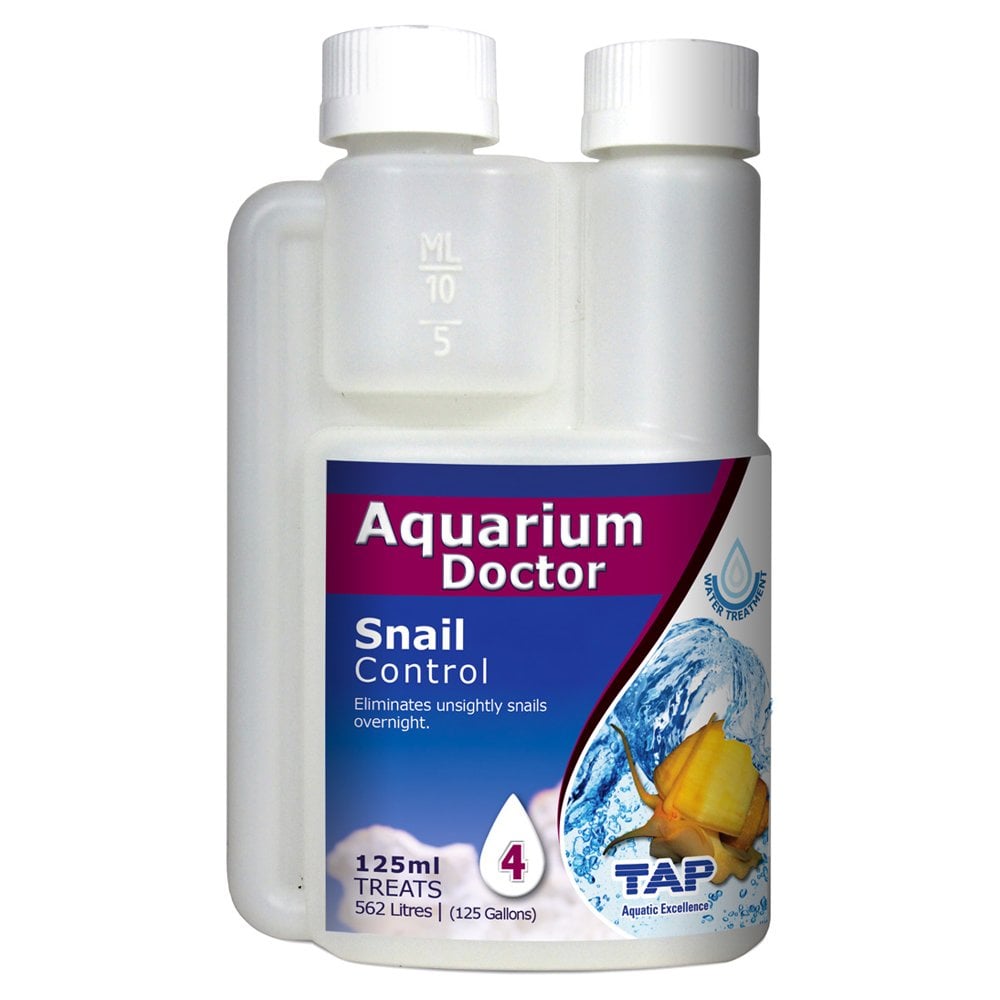
Some chemicals can harm snails. Avoid using products with copper or ammonia.
Read labels carefully before adding anything to the tank. Stick to natural or snail-safe products.
- Avoid copper-based treatments
- Check for ammonia-free options
- Choose natural water conditioners
Using Plant Fertilizers Safely
Plants in snail tanks need nutrients. Fertilizers can help plants grow well.
Choose fertilizers that are safe for snails. Avoid fertilizers with harmful chemicals.
- Use snail-safe fertilizers
- Check labels for harmful ingredients
- Apply fertilizers in small amounts
Credit: www.pond-planet.co.uk
Frequently Asked Questions
How Do I Treat Water For A Snail Tank?
Use a water conditioner to remove chlorine and chloramine. Test pH and hardness regularly. Maintain stable parameters for snail health.
What Is The Ideal Ph For Snail Aquariums?
Most snails thrive in a pH range of 7. 0 to 8. 0. Avoid acidic water, which can harm their shells.
How Often Should I Change Water In Snail Tanks?
Change 20-30% of the water weekly to keep it clean. Avoid sudden changes in water parameters to prevent stress.
Can I Use Tap Water For Snail Tanks?
Yes, but always treat tap water with a dechlorinator. Ensure it is free from harmful chemicals before adding to the tank.
Conclusion
Keeping snail tanks clean helps snails live longer and stay healthy. Treating the water right stops harmful chemicals and keeps the tank safe. Regular water checks and changes make a big difference. Use gentle products made for snail tanks only.
Clean water means happy snails and a beautiful tank. Small steps every day keep your aquarium balanced. Simple care routines protect your snails from stress and disease. Healthy water equals happy snails. Easy to do, worth the effort.