
If you want your fish to thrive and live happily, the water they swim in must be safe and clean. You might think tap water is fine, but it often contains chemicals and harmful substances that can stress or even harm your fish.
That’s where a water conditioner comes in. It transforms your water into a safe environment, protecting your fish from toxins and keeping their home healthy. You’ll discover how the right water conditioner can make all the difference for your aquarium.
Keep reading to find out how to create the perfect water conditions your fish deserve.
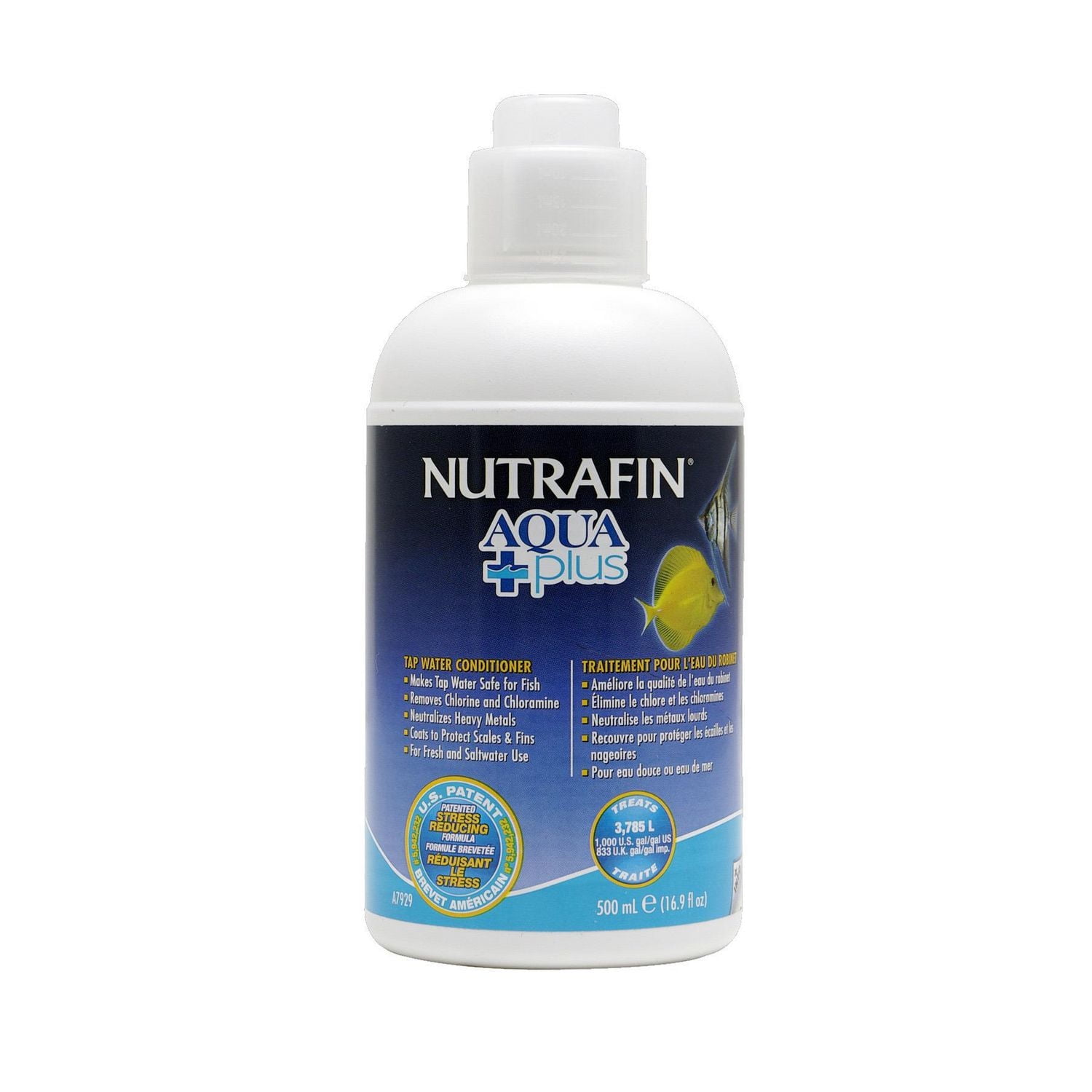
Credit: www.walmart.ca
Why Water Conditioners Matter
Water conditioners help keep fish tanks safe. They remove harmful chemicals from the water. This keeps fish healthy and happy.
Without conditioners, toxic substances can build up. These toxins hurt fish and can cause illness or death.
Common Water Hazards For Fish
Fish face many dangers in their water. Some common hazards include:
- Chlorine and chloramine from tap water
- Heavy metals like copper and lead
- Ammonia from fish waste and uneaten food
- Nitrites and nitrates from poor filtration
- Pesticides or chemicals from outside sources
How Conditioners Neutralize Toxins
Water conditioners work in different ways to protect fish. They:
| Type of Toxin | How Conditioner Works |
| Chlorine | Breaks chlorine into harmless compounds |
| Chloramine | Releases chlorine and neutralizes ammonia |
| Heavy Metals | Binds metals so fish cannot absorb them |
| Ammonia | Transforms ammonia into less harmful forms |

Credit: www.amazon.com
Types Of Water Conditioners
Water conditioners help create a safe environment for fish. They make tap water safe by removing harmful substances.
There are different types of water conditioners. Each type treats the water in a unique way to protect fish health.
Dechlorinators And Chloramine Removers
Dechlorinators remove chlorine from tap water. Chlorine is harmful to fish and must be neutralized before adding water to the tank.
Chloramine removers break down chloramine, a combination of chlorine and ammonia. Chloramine is more stable and needs special treatment.
- Dechlorinators quickly neutralize chlorine
- Chloramine removers target both chlorine and ammonia
- Both types make tap water safe to use
Heavy Metal Neutralizers
Heavy metals like copper, lead, and zinc can poison fish. These metals may come from pipes or decorations in the tank.
Heavy metal neutralizers bind these metals and stop them from harming fish. This protects fish from stress and illness.
- Neutralizers remove toxic metals safely
- They protect fish gills and skin
- Use neutralizers if you have old pipes or new decorations
Beneficial Bacteria Additives
Beneficial bacteria additives add good bacteria to the aquarium. These bacteria help break down fish waste and harmful chemicals.
The bacteria convert ammonia and nitrites into less harmful nitrates. This process keeps the water clean and safe for fish.
- Help cycle the aquarium quickly
- Reduce harmful ammonia and nitrites
- Support a balanced and healthy tank environment
Choosing The Right Conditioner
Using the right water conditioner keeps fish healthy and safe. It removes harmful chemicals from tap water.
Not all conditioners work for every fish or water type. Choose one based on your fish and water source.
Considering Fish Species Needs
Different fish need different water conditions. Some fish need soft water, others prefer hard water.
- Freshwater or saltwater fish require specific conditioners
- Some fish are sensitive to chlorine and heavy metals
- Young or sick fish need gentler conditioners
- Check if conditioner supports beneficial bacteria for tanks
Evaluating Water Source Quality
Know your water source to pick the best conditioner. Tap water varies in chemicals and hardness.
| Water Quality Factor | What to Check | Conditioner Feature Needed |
| Chlorine | Usually in tap water | Removes chlorine safely |
| Chloramine | Harder to remove than chlorine | Breaks down chloramine |
| Heavy Metals | Lead, copper, and others | Neutralizes metals |
| Water Hardness | Calcium and magnesium levels | Adjusts hardness if needed |
Proper Use And Dosage
Using a water conditioner correctly keeps fish safe and healthy. It removes harmful chemicals like chlorine and chloramine.
Giving the right amount of conditioner is important. Too little may not protect fish. Too much can harm them.
Reading Labels And Instructions
Always read the label before using a water conditioner. Labels show how much to use for different tank sizes.
Look for information about the chemicals removed and safety warnings. Follow the instructions exactly.
- Check dosage per gallon or liter
- Note any special conditions for certain fish
- See if water temperature affects dosage
- Follow safety warnings carefully
Timing For Optimal Effect
Add the water conditioner right after adding new water. This stops harmful chemicals from reaching fish.
Wait a few minutes after treatment before adding fish. This ensures the conditioner works well.
- Treat water immediately after water change
- Wait 5 to 10 minutes before adding fish
- Use conditioner before adding new plants or decorations
Maintaining Stable Aquarium Conditions
A water conditioner helps create a safe space for fish. It removes harmful chemicals from tap water.
Keeping water stable is key to healthy fish. Regular care keeps the aquarium environment balanced.
Regular Water Testing
Test water often to check pH, ammonia, and nitrate levels. This helps catch problems early.
Use simple test kits for quick results. Consistent testing keeps water safe for fish.
- Check pH to keep it stable
- Monitor ammonia for toxicity
- Watch nitrate to avoid buildup
- Test water hardness if needed
Routine Water Changes
Change part of the water weekly to reduce waste and toxins. This keeps fish healthy.
Use a water conditioner when adding new water. It makes tap water safe by removing chlorine.
- Replace 10% to 20% of water regularly
- Use conditioned water to protect fish
- Clean gravel and filters during changes
- Keep water temperature steady
Common Mistakes To Avoid
Keeping fish healthy requires careful attention to their water environment. Many fish owners make simple mistakes that can harm their aquatic pets.
Understanding these common pitfalls can help in maintaining a safe and thriving home for your fish.
Overdosing Conditioners
Conditioners are crucial for neutralizing harmful substances in water. Yet, using too much can be dangerous for your fish. It is important to follow the recommended dosage on the product label.
- Always read the instructions on the conditioner bottle.
- Measure the correct amount based on your tank’s volume.
- Use a dedicated measuring tool for accuracy.
Ignoring Water Quality Signs
Fish health is directly linked to water quality. Ignoring changes in water clarity, color, or smell can lead to serious issues. Regular checks are essential to ensure a safe environment.
| Water Quality Sign | Possible Issue |
| Cloudy Water | Bacterial Bloom |
| Foul Odor | Decomposition or Waste Build-up |
| Algae Growth | Excess Nutrients |
Enhancing Fish Health Beyond Conditioning
Water conditioners play a crucial role in maintaining a safe environment for fish. They remove harmful chemicals and ensure clean water. But fish health requires more than just water conditioning.
To keep fish healthy, we must consider several factors. These include proper filtration, balanced diet, and a stable environment. Let’s explore these elements to enhance fish health.
Proper Filtration Systems
A good filtration system is vital for a healthy fish tank. It helps remove waste and toxins from the water. This keeps the water clean and safe for fish.
Filtration systems come in different types. Choosing the right one depends on the tank size and fish type. Regular maintenance of the filter is also important.
- Mechanical filters remove debris
- Chemical filters absorb impurities
- Biological filters break down waste
Balanced Diet And Environment
Fish need a balanced diet to thrive. Different fish species have different dietary needs. Providing the right food supports their growth and health.
Maintaining a stable environment is also key. This includes the right water temperature and pH levels. Consistency helps fish adapt better and stay healthy.
- Feed appropriate food types
- Monitor water temperature
- Check pH levels regularly

Credit: www.amazon.com
Frequently Asked Questions
What Is A Water Conditioner For Fish Tanks?
A water conditioner neutralizes harmful chemicals like chlorine and chloramine in tap water. It makes water safe for fish by detoxifying metals and removing toxins, ensuring a healthy aquatic environment.
How Does A Water Conditioner Protect Fish Health?
Water conditioners remove chlorine, chloramine, and heavy metals that harm fish gills and skin. They reduce stress and prevent diseases, promoting a safer and more stable environment for aquarium fish.
When Should I Use Water Conditioner In My Aquarium?
Use water conditioner whenever you add tap water to your aquarium. This includes during initial setup, water changes, or topping off evaporated water to maintain safe and healthy water conditions.
Can Water Conditioners Remove Ammonia From Aquarium Water?
Some advanced water conditioners detoxify ammonia temporarily. However, biological filtration is essential for long-term ammonia removal to keep fish safe and maintain water quality.
Conclusion
Safe water means healthy fish. A good water conditioner removes harmful chemicals fast. It keeps the water clean and balanced. Fish can swim freely without stress or harm. Using a conditioner helps avoid common fish diseases. It supports a calm and stable tank environment.
Keep testing your water often to stay sure. Clean, treated water makes fish happier and live longer. Taking care of your fish starts with safe water. Simple steps lead to a peaceful, thriving aquarium.