
Are you using reverse osmosis (RO) water for your aquarium? If so, you might think it’s already pure and perfect for your fish.
But here’s the truth: RO water is stripped of almost all minerals and essential elements your aquatic pets need to thrive. Without proper treatment, your fish could face health issues, and your tank’s ecosystem may become unbalanced. You’ll discover simple yet effective ways to treat RO water so your aquarium stays healthy and vibrant.
Keep reading to learn how to give your fish the best environment possible—and watch your underwater world flourish like never before.

Credit: www.amazon.com
Benefits Of Reverse Osmosis Water
Reverse osmosis (RO) water is a popular choice for aquarium water treatment. It helps keep the water clean and safe for fish. Using RO water can improve the overall health of your aquarium.
This process removes many harmful substances that can hurt aquatic life. RO water is pure and consistent, which makes it easier to maintain a healthy tank environment.
Purity And Contaminant Removal
Reverse osmosis removes impurities like chlorine, heavy metals, and pesticides. This helps protect fish from toxins. It also reduces the chance of algae growth caused by minerals and chemicals.
- Removes chlorine and chloramine
- Filters out heavy metals like lead and copper
- Eliminates pesticides and herbicides
- Reduces dissolved salts and minerals
Improved Water Quality For Fish
Fish thrive in clean, pure water. RO water supports their health by lowering stress and preventing disease. It provides a safe environment that mimics their natural habitat.
| Water Quality Factor | Benefit of RO Water |
| Clarity | Clear water improves fish visibility |
| Contaminants | Less harmful chemicals reduce fish illness |
| Toxins | Removal of toxins supports fish immune system |
| Algae Growth | Lower minerals limit algae development |
Consistent Water Parameters
RO water helps keep water parameters steady. This is important for sensitive fish species. Consistent pH, hardness, and mineral levels create a stable tank environment.
Benefits of consistent water parameters:
- Prevents sudden changes that stress fish
- Makes it easier to add supplements and medications
- Supports healthy growth and breeding
- Reduces water testing and maintenance time
Common Issues With Ro Water
Reverse osmosis (RO) water is very pure, but it can cause problems in aquariums. It removes many minerals and elements that fish and plants need.
Using RO water without treatment may lead to issues like imbalanced water chemistry and unhealthy aquarium life.
Lack Of Essential Minerals
RO water removes minerals like calcium and magnesium. These minerals are important for fish health and plant growth.
Without these minerals, fish may have weak bones and plants may grow slowly or die.
Low Ph And Softness
RO water often has a low pH and is very soft. This can stress fish used to harder, more stable water.
Soft water can cause fish to lose their balance and make it harder for beneficial bacteria to grow.
- Low pH can harm sensitive fish species
- Soft water reduces buffering capacity
- Unstable water chemistry can cause stress
Potential For Nutrient Deficiencies
RO water lacks nutrients that plants need, like nitrate and phosphate. These are important for healthy plant growth.
Without these nutrients, plants may show yellow leaves or stop growing. Fish may also suffer from poor nutrition.
Essential Treatments For Ro Water
Reverse osmosis (RO) water is very pure. It lacks minerals needed for aquarium fish and plants.
Treating RO water is important. It helps keep fish healthy and water balanced.
Re-mineralization Techniques
RO water removes almost all minerals. Adding minerals back is called re-mineralization.
This process helps stabilize water hardness and supports fish health.
- Add commercial re-mineralization products made for aquariums
- Use crushed coral or limestone to slowly add minerals
- Mix in natural mineral salts like calcium sulfate
- Test water hardness regularly to adjust mineral levels
Ph Adjustment Methods
RO water usually has a low pH. Adjusting pH keeps fish comfortable.
Keep pH stable by using safe adjustment methods. Avoid sudden changes.
- Add small amounts of baking soda to raise pH
- Use peat moss or driftwood to lower pH naturally
- Test pH daily after treatment
- Use commercial pH buffers if needed
Adding Trace Elements
Trace elements like iron and zinc are missing in RO water. Fish and plants need them.
Add trace elements carefully. Too much can harm aquarium life.
- Use trace element supplements designed for aquariums
- Add small doses and monitor fish behavior
- Check water quality often
- Follow product instructions closely
Choosing The Right Additives
Reverse osmosis (RO) water is very pure. It lacks minerals that fish and plants need. Adding the right additives helps keep aquarium water healthy.
Choosing the right additives improves water quality and supports aquatic life. It is important to know what each additive does.
Types Of Mineral Supplements
Mineral supplements add essential elements to RO water. These minerals help fish stay healthy and plants grow well.
Common minerals added include calcium, magnesium, and potassium. They balance water hardness and support biological functions.
- Calcium:Builds strong bones and shells
- Magnesium:Helps photosynthesis in plants
- Potassium:Supports fish muscle and nerve function
- Trace elements:Iron, zinc, and others in small amounts
Buffering Agents
Buffering agents keep aquarium water pH stable. RO water has low buffering capacity, so pH can change easily.
Common buffering agents include carbonate and bicarbonate compounds. They help prevent sudden pH swings that can harm fish.
- Calcium carbonate raises hardness and buffers pH
- Sodium bicarbonate stabilizes pH without raising hardness much
- Potassium bicarbonate adds potassium and buffers pH
Commercial Vs Diy Solutions
Commercial additives are ready to use and tested for safety. They offer convenience and consistent results.
DIY solutions let you customize mineral levels. You need to measure carefully to avoid over or under dosing.
- Commercial:Easy, consistent, tested formulas
- DIY:Flexible, cost-effective, requires careful measuring
- Both types need monitoring of water parameters
Testing And Monitoring Water Parameters
Keeping aquarium water clean is very important for fish health. Reverse osmosis (RO) water needs careful testing.
Testing water helps you know if the water is safe and balanced for your fish and plants.
Key Parameters To Track
Tracking the right water parameters helps keep your aquarium stable. Some are more important than others.
- pH level – shows how acidic or basic the water is.
- Ammonia – toxic to fish even in small amounts.
- Nitrite – harmful and should be close to zero.
- Nitrate – less toxic but should be low.
- KH (carbonate hardness) – helps stabilize pH.
- GH (general hardness) – measures minerals in water.
- TDS (total dissolved solids) – shows purity of RO water.
Recommended Testing Kits
Use reliable testing kits to check water parameters. Some kits test many values at once.
- pH test strips or liquid test kits
- Ammonia test kit
- Nitrite test kit
- Nitrate test kit
- KH and GH test kits
- TDS meter for measuring dissolved solids
Choose kits that are easy to use and give clear results. Digital meters can be more accurate.
Frequency Of Testing
Test water often, especially after adding fish or plants. Regular checks keep problems away.
- Test pH weekly to ensure stability.
- Check ammonia and nitrite twice a week in new setups.
- Measure nitrate weekly to avoid buildup.
- Test KH and GH once a month.
- Use a TDS meter weekly to monitor RO water purity.
Keep a log of your tests to track changes. This helps catch issues early.
Step-by-step Treatment Process
Aquarium water treatment is crucial for healthy fish. Reverse osmosis (RO) water is pure, but needs treatment before use. This process ensures water is safe and balanced for your aquarium.
Follow these steps to treat RO water. Your fish will thrive in a well-maintained environment.
Preparing Ro Water
Start with clean RO water. Check that the water is free from impurities. This ensures a good base for further treatment.
Use a TDS meter to measure total dissolved solids. It should read close to zero. This confirms the water is pure.
Adding Minerals And Buffers
Pure RO water lacks essential minerals. Add minerals to support fish health. Use a suitable aquarium buffer to stabilize pH levels.
Follow product instructions for correct dosage. This helps maintain the right water chemistry for your fish species.
- Calcium for bone health
- Magnesium for biological functions
- Buffer to stabilize pH
Final Quality Checks
Check water parameters before adding to the aquarium. Use test kits to measure pH, hardness, and other key levels. Ensure they match the needs of your fish.
Regularly monitor and adjust water conditions. This keeps your aquarium environment stable and healthy for all aquatic life.
- Test pH levels
- Check hardness
- Monitor ammonia and nitrate levels
Common Mistakes To Avoid
Maintaining an aquarium with reverse osmosis water can be tricky. Avoiding common mistakes ensures a healthy aquatic environment.
Learn about errors that could harm your aquarium and how to prevent them.
Over Or Under Treatment
Balance is key when treating aquarium water. Too much or too little treatment can harm fish and plants.
- Test water regularly for accurate dosing.
- Follow treatment instructions carefully.
- Monitor fish behavior for signs of stress.
Ignoring Parameter Fluctuations
Water parameters can change quickly in an aquarium. Ignoring these changes can lead to unhealthy conditions.
Regular testing helps keep track of:
- pH levels
- Ammonia
- Nitrate and nitrite levels
Using Unsafe Additives
Not all additives are safe for fish and plants. Some can be toxic or disrupt the balance.
| Additive | Risk Factor |
| Chlorine | High |
| Heavy Metals | Moderate |
| Phosphates | Low |
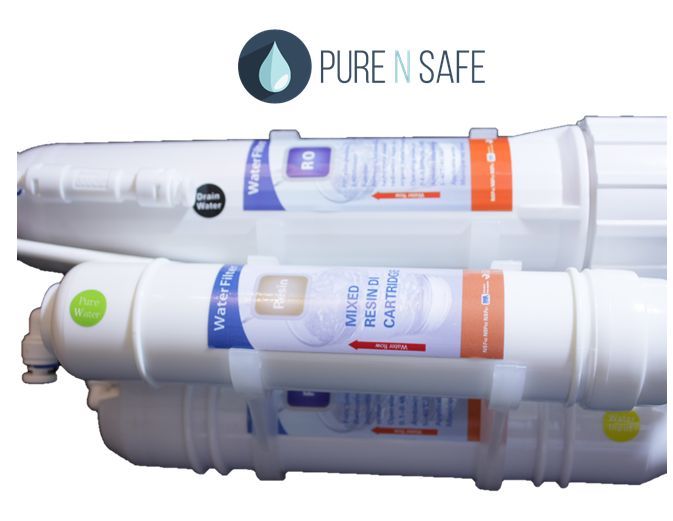
Credit: purensafe.com.au
Maintaining Treated Water For Long-term Success
Using reverse osmosis water helps keep aquarium water clean. Proper care keeps the water safe for fish and plants.
Maintaining treated water takes regular work. It ensures a healthy environment over time.
Regular Water Changes
Change the aquarium water often to remove waste and toxins. This keeps water quality high for your fish.
Use treated reverse osmosis water for these changes. It helps keep the tank stable and clean.
- Change 10-20% of water weekly
- Use water at the same temperature as the tank
- Mix minerals back if needed for fish health
- Clean filters during water changes
Consistent Parameter Monitoring
Check water parameters like pH, hardness, and ammonia regularly. It helps catch problems early.
Use simple test kits to track changes. Record your results to see trends and act fast.
- Test pH and GH (general hardness) weekly
- Measure ammonia, nitrite, and nitrate levels
- Keep a log of all test results
- Adjust care based on test readings
Adjusting Treatments Over Time
Water needs can change as fish grow and plants develop. Adjust treatments to fit those changes.
Test water often and add minerals or conditioners as needed. Keep fish and plants healthy by adapting care.
- Add minerals to RO water for fish health
- Change treatment amounts if water tests change
- Watch fish behavior for signs of stress
- Use conditioners to remove chlorine and chloramine

Credit: www.amazon.com
Frequently Asked Questions
What Is Reverse Osmosis Water In Aquariums?
Reverse osmosis (RO) water is purified water filtered to remove impurities and minerals. It provides a clean, controlled base for aquarium water, ensuring optimal fish health and growth.
Why Treat Reverse Osmosis Water For Aquariums?
RO water lacks essential minerals and beneficial elements. Treating it restores vital nutrients and balances pH, creating a stable environment suitable for aquatic life.
How To Remineralize Reverse Osmosis Water Properly?
Add aquarium-specific mineral supplements to RO water. Follow product instructions carefully to restore calcium, magnesium, and trace elements for healthy fish and plants.
Can Untreated Reverse Osmosis Water Harm Fish?
Yes, untreated RO water can stress fish due to lack of minerals. It can cause poor health and growth, making treatment essential before use.
Conclusion
Treating reverse osmosis water is key for a healthy aquarium. It removes harmful minerals and balances water quality. Regular testing helps keep fish safe and happy. Using proper additives supports stable water conditions. Clean, treated water means fewer fish health problems.
Simple steps protect your aquatic life every day. Keep your aquarium water pure and clear for long-term success. Good water care creates a thriving environment for all fish.