
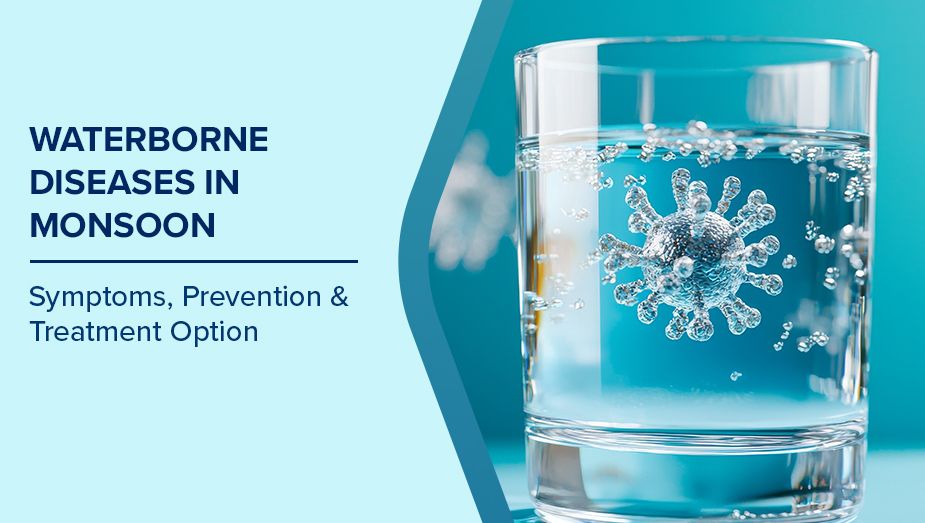
Imagine the water you drink every day could be the key to keeping you and your loved ones healthy. Water treatment is more than just a technical process—it’s a powerful way to stop diseases before they start.
If you want to protect your family from harmful germs and stay safe, understanding how water treatment works is essential. Keep reading to discover simple steps you can take to ensure your water is clean, safe, and disease-free. Your health depends on it.
Credit: www.maxhealthcare.in
Importance Of Clean Water
Clean water is essential for health and well-being. It helps prevent many diseases caused by unsafe water.
Access to safe water improves life quality and reduces medical problems worldwide.
Waterborne Diseases And Risks
Many diseases spread through contaminated water. These illnesses affect millions of people every year.
- Cholera causes severe diarrhea and dehydration.
- Typhoid spreads through bacteria in dirty water.
- Hepatitis A affects the liver and spreads by water.
- Giardiasis is a parasite infection from unsafe water.
- Schistosomiasis comes from freshwater snails carrying parasites.
Global Impact On Health
Unsafe water leads to health problems that slow down communities. Children and elderly suffer the most.
| Region | Waterborne Disease Cases (Millions) | Deaths per Year (Thousands) |
|---|---|---|
| Sub-Saharan Africa | 100 | 500 |
| South Asia | 80 | 400 |
| Latin America | 20 | 50 |
| Southeast Asia | 60 | 200 |
Common Water Contaminants
Water can carry many harmful substances that cause disease. Knowing these contaminants helps protect health.
Contaminants come from many sources like nature, farms, and factories. They affect water quality and safety.
Biological Contaminants
Biological contaminants include tiny living things like bacteria, viruses, and parasites. They enter water from human or animal waste.
These germs cause diseases such as diarrhea, cholera, and typhoid. Clean water stops their spread.
- Bacteria: E. coli, Salmonella
- Viruses: Hepatitis A, Norovirus
- Parasites: Giardia, Cryptosporidium
Chemical Pollutants
Chemical pollutants come from farms, industries, and homes. They include harmful metals, pesticides, and chemicals.
These chemicals can cause long-term health problems like cancer or nerve damage. Water treatment removes or reduces them.
- Heavy metals: Lead, mercury, arsenic
- Pesticides and herbicides
- Industrial chemicals: solvents, acids
Physical Impurities
Physical impurities include dirt, sand, and rust. These do not cause disease but make water dirty and unsafe to drink.
Removing these particles improves water clarity and taste. Filters and settling tanks help remove physical impurities.
- Soil and sediment
- Rust from pipes
- Organic matter like leaves
Basic Water Treatment Methods
Water treatment is important to stop diseases caused by dirty water. Many simple methods can make water safe to drink.
This guide covers three basic methods: boiling and filtration, chlorination, and UV treatment. Each method helps remove harmful germs.
Boiling And Filtration
Boiling water kills bacteria, viruses, and parasites. It is one of the safest methods to treat water at home.
- Boil water for at least one minute.
- Let it cool before drinking.
- Use a clean cloth or filter to remove dirt before boiling.
Filtration removes particles and some germs. Simple filters use cloth, sand, or ceramic materials.
Chlorination
Chlorine is a chemical that kills many germs in water. It is easy to use and low cost.
| Chlorine Dose | Contact Time | Effect |
| 2 drops per liter | 30 minutes | Kills most bacteria and viruses |
| 4 drops per liter | 60 minutes | Kills tougher germs and parasites |
Always use clean water for chlorination. Let the water stand before drinking to allow chlorine to work.
Uv Treatment
UV light destroys the DNA of germs. It stops them from growing or causing disease.
To use UV treatment:
- Make sure the water is clear without particles.
- Expose water to UV light for the time recommended by the device.
- Use treated water soon after UV exposure.
UV treatment does not add chemicals or change water taste. It is effective against bacteria, viruses, and parasites.
Advanced Treatment Technologies
Advanced water treatment technologies help remove harmful substances. They keep water safe and clean for drinking.
These methods use modern tools to fight disease and improve water quality. They are important for health protection.
Reverse Osmosis
Reverse osmosis pushes water through a thin membrane. This process removes many impurities.
It can remove bacteria, viruses, and chemicals that cause diseases. The water becomes clean and safe to drink.
- Removes dissolved salts and minerals
- Filters out harmful microorganisms
- Improves taste and odor of water
Activated Carbon Filters
Activated carbon filters trap chemicals and pollutants. They work by absorbing harmful substances from water.
This method reduces chlorine, pesticides, and bad smells. It helps prevent waterborne diseases.
- Removes organic compounds and toxins
- Improves water taste and clarity
- Protects against chemical contamination
Ozonation
Ozonation uses ozone gas to kill germs in water. Ozone is a strong disinfectant that destroys bacteria and viruses.
This method also breaks down harmful chemicals. It leaves water safe and fresh without adding harmful residues.
- Disinfects water quickly and effectively
- Removes odors and improves taste
- Breaks down pollutants and organic matter
Safe Water Storage Practices
Safe water storage helps keep water clean and healthy to drink. It stops germs from growing in stored water.
Good storage practices reduce the risk of diseases spread by dirty water. This keeps families safe and healthy.
Container Selection
Choose containers made of safe materials like food-grade plastic or glass. These do not harm the water.
Containers should have a tight lid to stop dust and insects from entering. Wide openings can cause contamination.
- Use clean containers only for water
- Pick containers with lids or covers
- Avoid containers that leak or crack
- Choose easy-to-clean shapes
Preventing Recontamination
Always wash hands before handling stored water. Dirty hands can add germs to the water.
Use a clean cup or tap to take water out. Do not drink directly from the container to avoid germs.
- Keep the container covered at all times
- Do not touch water inside the container
- Clean containers regularly with soap and water
- Store water in a cool, shaded place
Community And Household Strategies
Water treatment is important to prevent diseases in communities and homes. Both education and infrastructure play key roles in ensuring safe water.
By understanding these strategies, communities can reduce waterborne illnesses. Let’s explore education, awareness, and infrastructure improvements.
Education And Awareness
Educating people about water safety is crucial. Awareness can change behaviors and reduce health risks.
- Teach children the importance of clean water.
- Hold community workshops on water hygiene.
- Distribute informative flyers in local languages.
Infrastructure Improvements
Improving infrastructure ensures clean water access. It requires investment in better facilities and technology.
| Improvement | Benefit |
| Install water purification systems | Removes contaminants |
| Repair old pipelines | Prevents leaks |
| Build new wells | Increases water supply |
Monitoring Water Quality
Water quality monitoring is vital for disease prevention. It ensures safe and clean water for everyone. Regular checks help keep harmful substances out of the water supply.
Testing water can reveal contaminants early. This helps in taking quick action to protect public health. Let’s explore how regular testing and early detection play a role.
Regular Testing
Testing water regularly keeps track of its quality. It ensures that the water stays safe for drinking. Testing helps in identifying changes in water composition.
Regular checks prevent harmful effects on health. It identifies pollutants before they cause problems. Consistent monitoring is crucial for public safety.
- Monthly checks for bacteria levels
- Quarterly tests for chemical pollutants
- Annual evaluations for heavy metals
Early Detection Of Contaminants
Detecting contaminants early prevents health issues. It allows for quick responses to potential threats. Early detection is key to maintaining water safety.
Identifying contaminants early reduces the risk of disease. It helps in maintaining a healthy water supply. Early action protects communities from harm.
| Contaminant | Detection Method | Response |
| Bacteria | Water samples | Disinfection |
| Heavy metals | Chemical analysis | Filtration |

Credit: www.npr.org
Credit: www.cdc.gov
Frequently Asked Questions
What Is Water Treatment For Disease Prevention?
Water treatment removes harmful contaminants and pathogens. It ensures safe drinking water and reduces waterborne diseases. Proper treatment prevents outbreaks and protects public health effectively.
How Does Water Treatment Reduce Disease Risk?
Water treatment kills or removes bacteria, viruses, and parasites. It stops these pathogens from spreading through drinking water. This process lowers infection rates and improves community health outcomes.
Which Methods Are Used In Water Treatment?
Common methods include filtration, chlorination, and UV disinfection. Each method targets different contaminants to ensure water safety. Combined techniques provide comprehensive protection against waterborne diseases.
Why Is Clean Water Essential For Health?
Clean water prevents diseases like cholera, dysentery, and typhoid. It supports hygiene, nutrition, and overall well-being. Access to treated water is vital for disease control and healthy living.
Conclusion
Clean water stops many sicknesses from spreading. Treating water removes germs and harmful chemicals. Safe water helps keep families healthy every day. Simple steps in water treatment make a big difference. Everyone deserves water that is safe to drink. Protect your health by using proper water treatment.
Small actions lead to strong, healthy communities. Water treatment is a key part of disease prevention. Choose clean water for a safer, healthier life.