
If you want your fish to thrive, the water you use matters a lot. Tap water often contains chlorine, which can harm or even kill your aquatic pets.
That’s where an aquarium water dechlorinator comes in—it makes your water safe and healthy for your fish. But how do you choose the right one? And how do you use it correctly? In this guide, you’ll discover everything you need to know about dechlorinators, so you can protect your aquarium and keep your fish happy.
Keep reading to learn the simple steps that make a big difference in your fish’s life.
Why Dechlorination Matters
Water from taps often contains chemicals to kill germs. These chemicals include chlorine and chloramine. They can harm fish in your aquarium.
Removing these chemicals is important to keep fish safe and healthy. This process is called dechlorination.
Chlorine And Chloramine Dangers
Chlorine and chloramine are added to water to kill bacteria. Both are toxic to fish. Chlorine leaves the water fast, but chloramine stays longer.
- Chlorine can burn fish gills and skin.
- Chloramine breaks down fish’s red blood cells.
- Both cause stress and weaken fish immune systems.
- Chloramine is harder to remove than chlorine.
Impact On Fish Health
Fish exposed to chlorine or chloramine show clear signs of illness. These chemicals affect their breathing and behavior.
| Effect | Chlorine | Chloramine |
| Gill Damage | Severe | Severe |
| Blood Toxicity | Low | High |
| Stress Level | High | High |
| Mortality Risk | Moderate | High |

Credit: www.amazon.com
Types Of Water Dechlorinators
Water dechlorinators remove harmful chlorine from aquarium water. Chlorine can hurt fish and plants. Different types of dechlorinators work in different ways.
In this guide, we look at chemical dechlorinators and natural alternatives. Each type has its benefits and uses.
Chemical Dechlorinators
Chemical dechlorinators use special ingredients to remove chlorine fast. They are easy to use and work quickly to make water safe.
- Sodium thiosulfate neutralizes chlorine instantly.
- Sodium metabisulfite also removes chloramine, a chlorine compound.
- Activated carbon filters absorb chlorine and other chemicals.
These chemicals are popular for new water changes. They help keep fish healthy by removing toxins.
Natural Alternatives
Natural methods avoid chemicals. They use natural materials or processes to reduce chlorine.
| Method | How It Works | Time Required |
| Sunlight Exposure | Sun breaks down chlorine naturally | 24-48 hours |
| Activated Carbon | Filters chlorine and impurities | Immediate |
| Water Aeration | Air bubbles help release chlorine | Several hours |
Natural ways are safe but need more time. They are best for low-risk setups or when chemicals are not preferred.
How To Use Dechlorinators
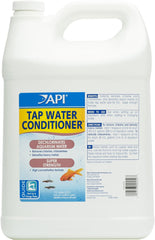
Dechlorinators remove chlorine and chloramine from tap water. These chemicals can harm fish and other aquarium life. Using a dechlorinator keeps your aquarium safe and healthy.
It is important to follow the right steps when adding dechlorinator. This guide explains how to use it correctly for the best results.
Dosage Guidelines
Always read the label on your dechlorinator bottle. Different products have different strengths. Use the recommended dose for the amount of water you treat.
Too little dechlorinator will not remove all chemicals. Too much can harm your fish. Measure carefully with the dropper or cap provided.
- Check the product label for dosage per gallon or liter
- Use a clean measuring tool for accuracy
- Adjust dose if you change water volume
Timing And Application
Add dechlorinator right after you collect tap water. This stops chlorine from hurting fish. Mix the water well before pouring it into the tank.
When doing water changes, treat the new water before adding it. For emergencies, you can add dechlorinator directly to the tank. Follow the product instructions for best results.
- Treat new water immediately after filling container
- Stir water to spread the dechlorinator evenly
- Add treated water slowly to avoid stressing fish
- Use directly in the tank only if label allows
Credit: gogreenaquaponics.com
Testing And Monitoring Water Quality
Keeping aquarium water clean is essential for fish health. Testing water helps spot problems early.
Regular monitoring keeps your aquarium safe and balanced. Use easy test kits to check water quality.
Water Test Kits
Water test kits measure key elements in your aquarium. They help you track changes and fix issues fast.
- pH level: shows acidity or alkalinity of water
- Ammonia: toxic waste that harms fish
- Nitrite: harmful compound from fish waste breakdown
- Nitrate: less harmful but needs control
- Chlorine and Chloramine: chemicals removed by dechlorinator
Signs Of Poor Water Quality
Watch your fish and water for signs of trouble. Poor water quality can stress or hurt your fish.
| Sign | Cause | Effect |
| Cloudy water | Bacterial bloom or dirty filter | Low oxygen, fish stress |
| Fish gasping at surface | Low oxygen or high toxins | Fish may suffocate |
| Algae overgrowth | Excess nutrients, too much light | Blocks light, lowers oxygen |
| Unusual fish behavior | High ammonia or nitrite | Fish become weak or die |
Common Mistakes To Avoid
Using a water dechlorinator is important for a healthy aquarium. Many aquarium owners make mistakes that can harm fish and plants. Avoiding these errors keeps your tank safe and clean.
Two common mistakes are overdosing chemicals and ignoring water changes. Both can cause problems in your aquarium’s environment. Learn how to avoid them below.
Overdosing Chemicals
Adding too much dechlorinator or other chemicals can hurt your fish. Overdosing may cause stress or even death. Always follow the instructions on the product label carefully.
- Measure chemicals with a proper tool, like a syringe or dropper.
- Use the correct dose based on your aquarium size.
- Do not add chemicals more often than needed.
- Store chemicals out of reach of children and pets.
- Mix chemicals well in water before adding to the tank.
Ignoring Water Changes
Water changes help remove toxins and keep water healthy. Ignoring them lets waste build up, which harms fish and plants. Regular changes improve your aquarium’s balance.
| Water Change Frequency | Recommended Amount |
| Weekly | 10-20% |
| Biweekly | 20-30% |
| Monthly | 30-50% |
Credit: www.petnannystore.com
Maintaining A Healthy Aquarium Environment
Keeping an aquarium healthy requires attention and care. Water quality is crucial for fish health. Using a water dechlorinator helps remove harmful chemicals.
Understanding how to maintain a clean and safe environment ensures the well-being of aquatic life. This guide covers important practices for a thriving aquarium.
Regular Water Changes
Changing aquarium water regularly is important. It helps remove waste and keeps the water clean. Fresh water supports fish health.
Perform water changes every week. Replace 10-20% of the tank water. This prevents toxin build-up and keeps fish healthy.
- Use a siphon to remove water and debris
- Add dechlorinator to new water before adding it
- Check water temperature to match the tank
Filtration And Aeration Tips
Filters help remove waste and debris from the tank. They keep the water clean and healthy for fish.
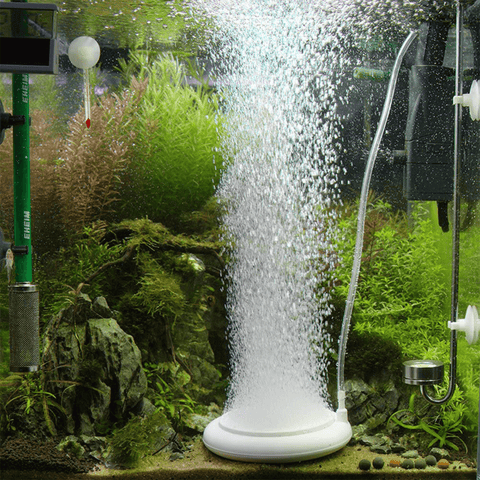
Aeration supplies oxygen to the water. Fish need oxygen to breathe and stay healthy. Use air pumps or stones for aeration.
- Choose a filter size suitable for your tank
- Clean filter media monthly to ensure efficiency
- Place air stones at different tank levels for even aeration
Frequently Asked Questions
What Is Aquarium Water Dechlorinator?
Aquarium water dechlorinator removes harmful chlorine and chloramine from tap water. It makes water safe for fish and aquatic plants. Using it prevents stress and health issues in your aquarium environment.
How Does Dechlorinator Work In Aquariums?
Dechlorinators neutralize chlorine and chloramine chemically. They convert these chemicals into harmless compounds. This process ensures water is safe immediately for fish and beneficial bacteria.
When Should I Use Aquarium Water Dechlorinator?
Use dechlorinator whenever you add new tap water to your aquarium. This includes water changes and refilling evaporated water. It protects fish from toxic chlorine exposure.
Can I Overdose Aquarium Dechlorinator?
Overdosing dechlorinator is generally safe but unnecessary. Excess amounts won’t harm fish but waste product. Follow dosage instructions for best aquarium health results.
Conclusion
Keeping aquarium water safe is key for healthy fish. Dechlorinators remove harmful chlorine quickly and easily. Always add the right amount for your tank size. Regular water changes with dechlorinator protect fish from stress. Clean water helps fish live longer and stay active.
Choose a trusted dechlorinator for best results. Simple steps keep your aquarium fresh and safe every day. Care for your fish by treating water properly. Easy and effective care makes all the difference.