
Keeping your pool water clean and safe starts with one simple thing: maintaining the right chlorine levels. But managing chlorine can feel tricky if you don’t have the right tools.
What if you could easily check and adjust chlorine without guesswork or stress? You’ll discover the best tools designed to help you keep your chlorine balanced effortlessly. Whether you’re a beginner or have some experience, these tools will make your pool care routine smoother and more effective.
Keep reading to find out how to protect your water and enjoy your pool worry-free.
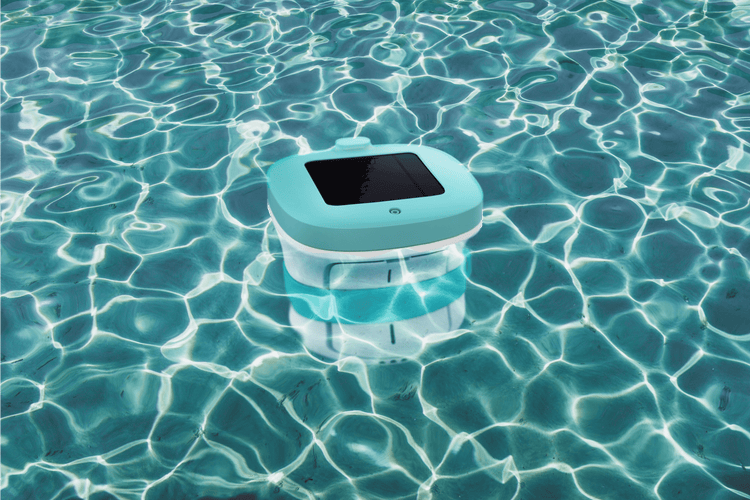
Credit: iopool.com
Chlorine Basics
Chlorine is a chemical used to keep water clean and safe. It kills germs and prevents harmful bacteria from growing.
People use chlorine in pools, drinking water, and many cleaning products. Knowing how chlorine works helps maintain healthy water.
Types Of Chlorine
There are different types of chlorine for various uses. Each type works well in certain situations.
- Sodium Hypochlorite: A liquid form used in pools and water treatment.
- Calcium Hypochlorite: A solid form often used as pool tablets or granules.
- Chlorine Gas: Used in large water treatment plants, but needs careful handling.
- Chlorine Dioxide: A strong disinfectant used in some water systems.
How Chlorine Works
Chlorine kills bacteria and viruses by breaking their cell walls. This stops germs from growing or spreading.
When chlorine is added to water, it forms hypochlorous acid. This acid is what cleans and disinfects water.
- Chlorine reacts with water to form disinfecting agents.
- These agents destroy harmful microorganisms.
- The process keeps water safe to use and drink.
Credit: www.poolsupplies.com
Measuring Chlorine Levels
Measuring chlorine levels is important for safe water use. It helps keep pools and drinking water clean.
There are different tools to check chlorine levels. Each tool has its own way to test.
Test Strips
Test strips are simple and quick to use. Just dip the strip in water and watch the color change.
The color on the strip shows the chlorine amount. Match the color to a chart to read the level.
- Easy to carry and use anywhere
- Affordable for regular testing
- Good for quick checks
- Less accurate than other tools
Digital Testers
Digital testers use sensors to measure chlorine. They give a number on a small screen.
These testers are more precise than strips. They can measure low and high chlorine levels well.
- Easy to read digital results
- Reusable and fast testing
- Needs batteries to work
- Usually costs more
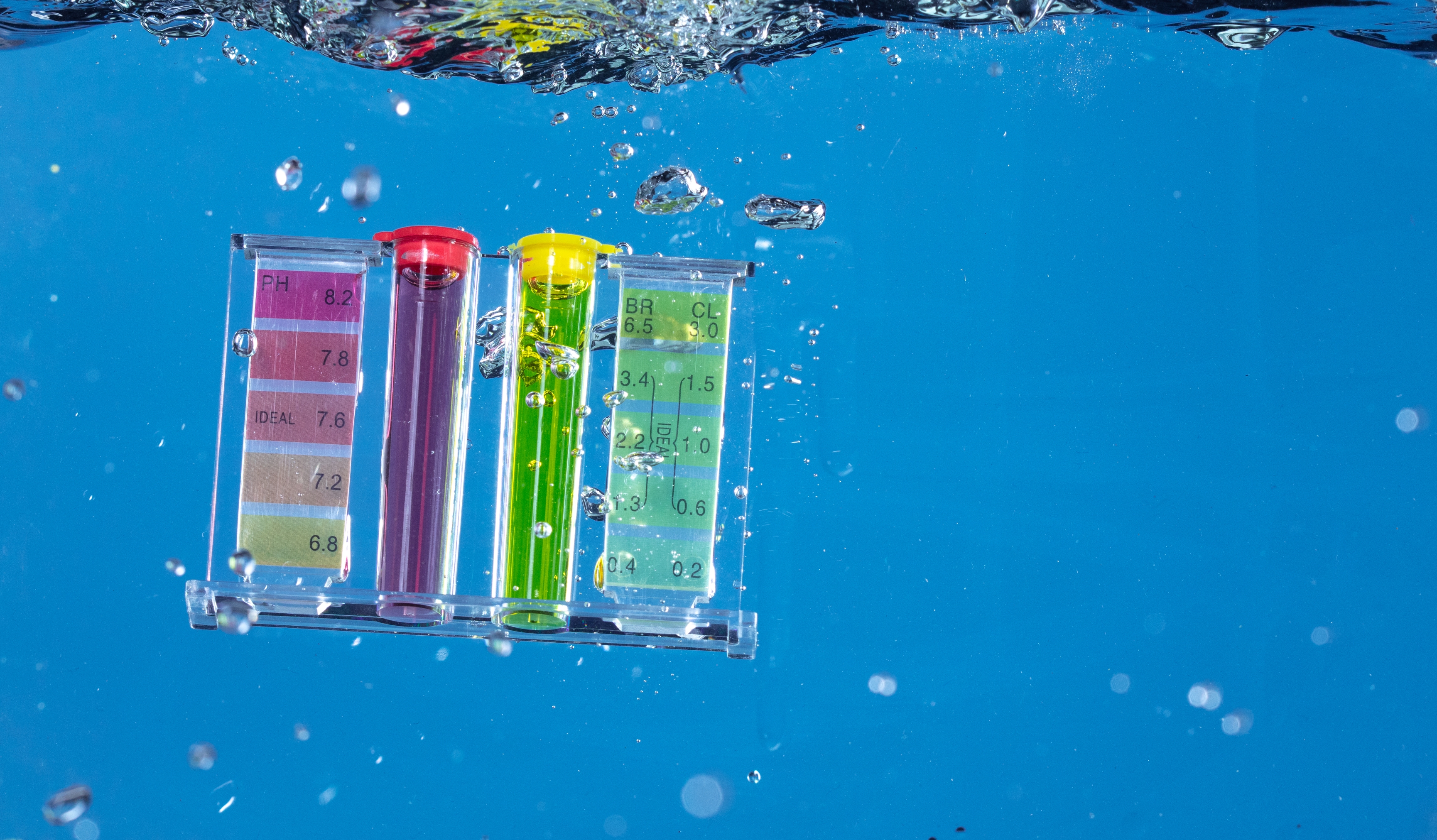
Liquid Test Kits
Liquid test kits use drops of chemicals to test chlorine. You add water to a small container first.
After adding drops, the water changes color. Compare the color to a chart to find the chlorine level.
- More accurate than strips
- Can test other water chemicals
- Takes more time to perform
- Needs careful handling
Chlorine Dispensers
Chlorine dispensers help keep water clean and safe. They release chlorine slowly to control bacteria and algae. These tools are useful in pools, spas, and water tanks.
Different types of chlorine dispensers fit different needs. Choose the right one based on your water system and maintenance preferences.
Floating Dispensers
Floating dispensers sit on the water surface. They slowly release chlorine tablets as they float around. This method is simple and requires little setup.
- Easy to use and install
- Good for small to medium pools
- Needs regular refilling
- Chlorine tablets dissolve evenly
In-line Feeders
In-line feeders connect directly to the water circulation system. They add chlorine as water flows through pipes. This keeps chlorine levels steady without manual handling.
| Feature | Benefit |
| Constant chlorine supply | Maintains steady water quality |
| Easy to adjust chlorine dose | Prevents over or under chlorination |
| Works with pumps and filters | Integrates into existing systems |
| Requires professional installation | Ensures safe and proper setup |
Automatic Chlorinators
Automatic chlorinators use sensors to monitor water quality. They add chlorine when needed without user input. This keeps water safe with less effort.
- Monitors chlorine levels automatically
- Adjusts chlorine dose based on demand
- Reduces chemical waste
- Ideal for large pools and commercial use
Chlorine Storage Solutions
Storing chlorine safely is very important. Chlorine is a strong chemical used in water treatment.
Proper storage helps keep people safe and prevents accidents.
Safe Storage Tips
Store chlorine in a cool, dry, and well-ventilated place. Keep it away from sunlight and heat sources.
Use containers made for chlorine. They should be tightly sealed to stop leaks and spills.
- Keep chlorine away from acids and flammable materials
- Store containers on stable shelves or pallets
- Label all chlorine containers clearly
- Check containers regularly for damage or leaks
Handling And Safety Gear
Wear protective clothing when handling chlorine. This includes gloves, goggles, and masks.
Always use tools made of materials safe for chlorine. Avoid metal tools that can react with it.
- Use chemical-resistant gloves and aprons
- Wear safety goggles to protect your eyes
- Use a face mask or respirator to avoid breathing fumes
- Handle chlorine in a well-ventilated area
Supplemental Water Treatment Tools
Keeping pool water clean needs more than just chlorine. Supplemental tools help maintain water quality and safety.
These tools include pH balancers, algaecides, and shock treatments. Each has a specific role in maintaining your pool’s health.
Ph Balancers
pH balancers keep the water’s acidity at a safe level. The right pH ensures chlorine works effectively.
- Test water weekly for pH level
- Use pH increaser if levels are too low
- Apply pH reducer if levels are too high
Algaecides
Algaecides stop algae from growing in your pool. They prevent green water and slippery surfaces.
Shock Treatments
Shock treatments clean your pool by adding a large amount of chlorine. They quickly kill bacteria and algae.
| Type | Frequency | Purpose |
| Calcium Hypochlorite | Weekly | Regular cleaning |
| Sodium Hypochlorite | Bi-weekly | Heavy algae |
| Potassium Peroxymonosulfate | Monthly | Non-chlorine option |
Maintenance And Cleaning Equipment
Keeping your pool clean and safe requires the right tools. Regular maintenance helps maintain chlorine levels and ensures a pleasant swimming experience.
Essential equipment includes brushes, nets, vacuum systems, and filtration systems. These tools make pool cleaning easier and more effective.
Pool Brushes And Nets
Pool brushes help scrub pool surfaces to remove dirt and algae. Regular brushing prevents buildup and keeps the pool looking good.
Nets are used to remove leaves and debris from the water. Skimming the pool daily with a net keeps the water clear and inviting.
- Choose a brush with the right bristle for your pool surface
- Use a net with a long handle for easy reach
- Clean the net regularly to avoid bad smells
Vacuum Systems
Pool vacuums remove dirt from the bottom of the pool. There are manual and automatic vacuum systems available.
Manual vacuums need more effort but are less expensive. Automatic systems save time and clean thoroughly.
- Manual vacuums are best for small pools
- Automatic vacuums work well for larger pools
- Regular vacuuming prevents dirt buildup
Filtration Maintenance
Filters keep the water clean by removing impurities. Regular maintenance ensures they work effectively.
Check filters weekly and clean them when they appear dirty. Replace filters according to the manufacturer’s instructions.
| Filter Type | Maintenance Frequency |
| Sand Filter | Backwash every week |
| Cartridge Filter | Clean every month |
| Diatomaceous Earth Filter | Backwash every month |
Choosing The Right Tools
Keeping the right tools helps maintain chlorine levels in your pool. Good tools make the job easier and keep water safe.
Select tools based on your pool’s needs. This guide helps you pick the best ones.
Assessing Pool Size
Pool size affects the type of tools you need. Large pools need bigger or more tools to keep chlorine balanced.
Small pools can use smaller tools or fewer products. Knowing your pool size helps pick the right chlorine tester and dispenser.
- Small pools: handheld testers, small chlorine tablets
- Medium pools: digital testers, floating dispensers
- Large pools: automatic chlorinators, multiple testers
Budget Considerations
Set a budget before buying tools. Tools vary in price from simple to advanced.
Spend on tools that last longer and are easy to use. Avoid buying many cheap tools that break fast.
- Basic tools: test strips, manual dispensers
- Mid-range tools: digital testers, floating feeders
- High-end tools: automatic chlorinators, smart monitors
Frequency Of Use
How often you check chlorine affects the tools you need. Frequent use needs durable and easy tools.
If you test rarely, simple tools may be enough. For daily use, choose tools that save time and effort.
- Occasional use: test strips, manual feeders
- Regular use: digital testers, floating dispensers
- Daily use: automatic chlorinators, smart sensors

Credit: www.amazon.ca
Frequently Asked Questions
What Are The Essential Tools For Maintaining Chlorine Levels?
Essential tools include chlorine test kits, automatic chlorinators, and water flow meters. These ensure accurate monitoring and steady chlorine supply for clean water.
How Do Chlorine Test Kits Help Maintain Water Quality?
Chlorine test kits measure chlorine concentration quickly. They help keep levels safe and effective, preventing over- or under-chlorination for healthy water.
Can Automatic Chlorinators Simplify Chlorine Maintenance?
Yes, automatic chlorinators regulate chlorine dosing consistently. They reduce manual effort and ensure stable chlorine levels for optimal water sanitation.
Why Is Regular Chlorine Level Testing Important?
Regular testing prevents harmful bacteria growth and chemical imbalances. It ensures water safety and prolongs equipment life by maintaining proper chlorine levels.
Conclusion
Maintaining chlorine is key for clean, safe water. The right tools help you check and balance chlorine levels easily. Regular testing keeps water fresh and free from harmful germs. Simple tools save time and effort in the long run. Stay consistent with your chlorine maintenance routine.
Clear water makes swimming and daily use better. Trust these tools to guide your care. Keep your water healthy and safe every day.