
Keeping your aquarium clean is key to a healthy and beautiful underwater world. But have you ever wondered how to clean the gravel without disturbing your fish or clouding the water?
If you want your tank to sparkle and your aquatic friends to thrive, mastering the right aquarium gravel cleaning techniques is a must. You’ll discover simple, effective methods that save you time and keep your tank looking its best. Ready to make gravel cleaning easier and more efficient?
Let’s dive in!

Credit: www.aqqapet.com
Choosing The Right Gravel
Choosing the right gravel is important for keeping your aquarium healthy. Gravel helps anchor plants and provides a place for beneficial bacteria to grow. You should think about the type, size, and tank needs when picking gravel.
Not all gravel works well with every fish or tank. Picking the correct gravel keeps your fish safe and your tank clean. Read on to learn more about how to choose gravel for your aquarium.
Types Of Aquarium Gravel
Aquarium gravel comes in many types. The most common are natural river stones, colored gravel, and crushed coral. Each type has its own look and benefits for your tank environment.
- Natural river stones are smooth and safe for most fish.
- Colored gravel adds bright colors but may contain dyes.
- Crushed coral raises pH and is good for certain fish.
Gravel Size And Fish Safety
Gravel size affects fish safety and tank cleanliness. Small gravel can trap waste and may be swallowed by fish. Large gravel is harder to clean but safer for bigger fish.
| Gravel Size | Best For | Notes |
| 1-3 mm | Small fish and shrimp | May trap debris |
| 4-8 mm | Most freshwater fish | Easy to clean |
| 9-12 mm | Large fish tanks | Less likely to be swallowed |
Selecting Gravel For Different Tank Types
Different tanks need different gravel types. Freshwater tanks often use natural or colored gravel. Saltwater tanks may use crushed coral or aragonite gravel. Planted tanks need gravel that supports root growth.
- Freshwater: smooth natural or colored gravel
- Saltwater: crushed coral or aragonite for pH balance
- Planted tanks: fine gravel that holds roots well
Credit: smart.dhgate.com
Tools For Gravel Cleaning
Cleaning aquarium gravel is important for fish health and tank beauty. Different tools help remove dirt and debris from gravel.
Choosing the right tool makes cleaning easier and keeps the aquarium safe for fish.
Gravel Vacuums And Siphons
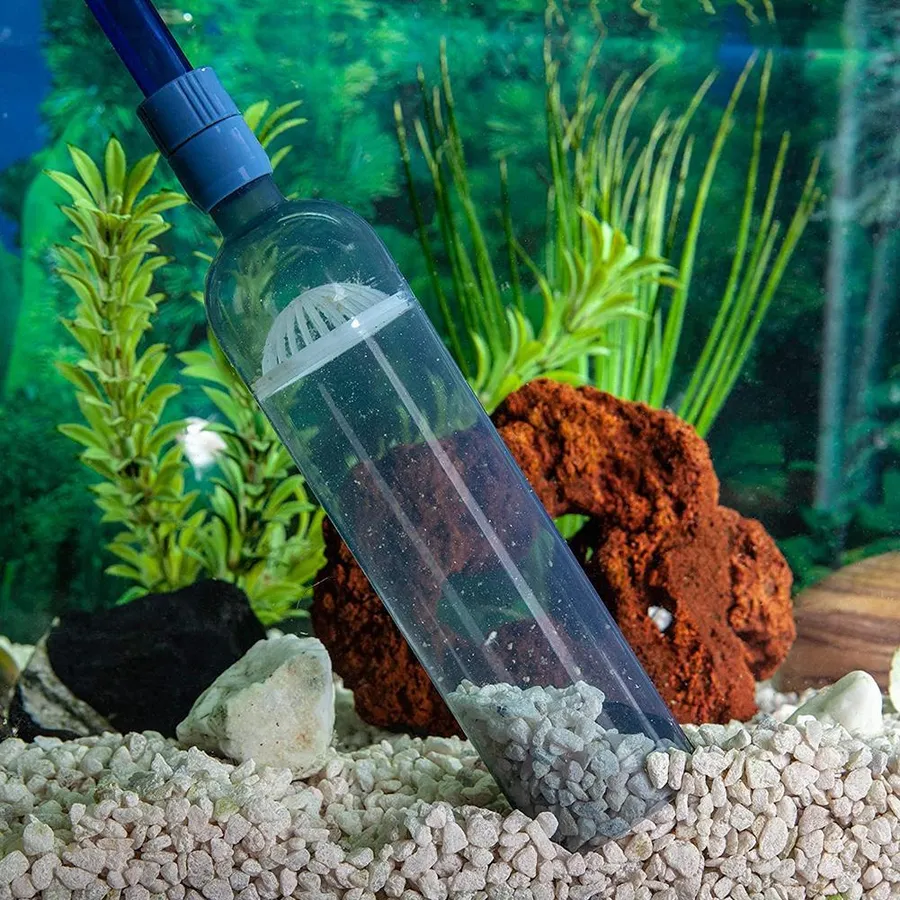
Gravel vacuums use water flow to clean gravel and remove waste. They work by sucking dirt out while leaving gravel behind.
Siphons are simple tubes that start water flow by suction. They are easy to use and help change water while cleaning gravel.
- Gravel vacuums come in different sizes for small or large tanks
- Siphons need a gentle start to avoid disturbing fish
- Both tools help remove uneaten food and fish waste
Manual Cleaning Tools
Manual tools like brushes and scoops help clean gravel by hand. They allow careful cleaning in small areas.
Using a small net or scoop can remove big debris without disturbing the gravel too much.
- Soft brushes clean algae from gravel surface
- Scoops pick up leaves or large waste pieces
- Manual tools need regular use to keep gravel clean
Automatic Cleaning Devices
Automatic devices clean gravel with little effort from the owner. These machines work inside the tank to remove waste.
They often combine vacuum and water filter functions to keep gravel clean longer.
- Automatic cleaners reduce the time spent on tank maintenance
- They are good for larger tanks with more gravel
- Regular checks ensure the device works well and does not harm fish
Step-by-step Cleaning Process
Cleaning aquarium gravel keeps the tank healthy for fish and plants. It removes waste and leftover food trapped in the gravel.
Follow simple steps to clean gravel without hurting your aquatic pets or disturbing the tank too much.
Preparing Your Tank
Before cleaning, prepare your tank to make the process safe and effective. Gather all tools and check water conditions.
- Unplug electrical devices near the tank
- Get a gravel vacuum or siphon ready
- Prepare a bucket to collect dirty water
- Check temperature and water quality
- Move decorations gently if needed
Using A Gravel Vacuum Effectively
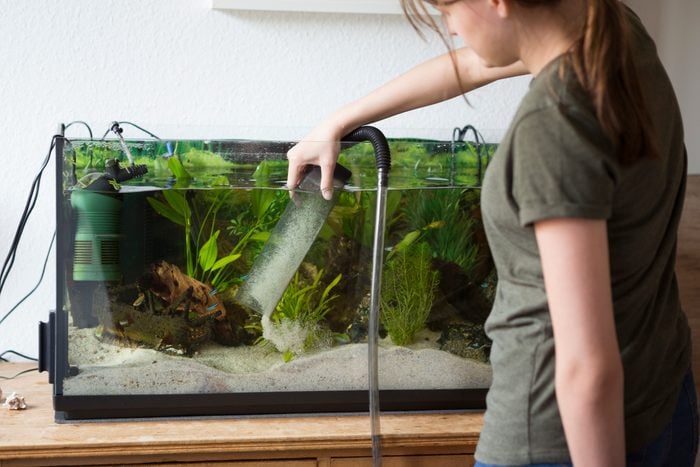
A gravel vacuum helps remove dirt from the gravel while keeping beneficial bacteria intact. Use it slowly and carefully.
- Place one end of the vacuum in the tank water
- Start the siphon by sucking or using a pump
- Push the vacuum tube into the gravel gently
- Move the tube slowly to lift waste and debris
- Empty the dirty water from the bucket regularly
- Repeat the process until the gravel looks clean
Cleaning Without Disturbing Fish
Keep your fish calm during cleaning. Avoid stressing them or making sudden changes to the tank.
| Tip | Description |
|---|---|
| Clean in small sections | Do not clean all gravel at once to keep water stable |
| Use gentle movements | Move vacuum slowly to avoid frightening fish |
| Keep water temperature steady | Match new water to tank temperature before adding |
| Feed fish after cleaning | Avoid feeding just before to reduce leftover waste |
| Monitor fish behavior | Watch for signs of stress and pause if needed |
Frequency Of Cleaning
Keeping aquarium gravel clean is important for a healthy tank. Cleaning frequency depends on many factors.
Regular checks help you decide when to clean your gravel to keep fish safe and happy.
Signs Your Gravel Needs Cleaning
Look for these signs that show your gravel needs cleaning soon.
- Cloudy or murky water around the gravel
- Bad smell coming from the tank
- Visible waste or leftover food on the gravel
- Algae growing on the gravel surface
- Fish behaving unusually or showing stress
Routine Maintenance Schedule
Follow a regular cleaning plan to keep your gravel healthy and your tank clear.
| Tank Size | Recommended Gravel Cleaning |
| Small (up to 10 gallons) | Once every 1-2 weeks |
| Medium (10-30 gallons) | Every 2 weeks |
| Large (30+ gallons) | Every 3-4 weeks |
Adjusting Frequency Based On Tank Conditions
Change how often you clean based on your tank’s unique needs and environment.
Consider these points to adjust your cleaning schedule:
- If you have many fish, clean more often.
- Heavily planted tanks may need less frequent cleaning.
- Feeding a lot can cause faster gravel dirt build-up.
- Check water quality regularly and clean if tests show problems.
Tips To Maintain Clean Gravel
Keeping aquarium gravel clean is important for fish health. Dirty gravel can harm your fish and make the tank look bad. Here are some easy tips to help you maintain clean gravel in your aquarium.
Balancing Fish Load And Feeding
Too many fish can make your tank dirty quickly. A balanced number of fish will help keep the gravel cleaner. Feed your fish only what they can eat in a few minutes.
Extra food can fall to the bottom and dirty the gravel. By feeding the right amount, you help keep the gravel clean.
Using Beneficial Bacteria
Beneficial bacteria help break down waste in the aquarium. These bacteria live in the gravel and filter. They help keep the water and gravel clean.
Add bacteria supplements to your tank after cleaning. This helps boost the bacteria and maintain a clean environment.
Avoiding Overfeeding
Overfeeding is a common mistake that dirties gravel. Leftover food sinks and spoils in the gravel. This can lead to water pollution and sick fish.
Feed your fish only small amounts. Watch them eat to ensure all food is consumed. This simple step will help keep your gravel clean.
Credit: www.familyhandyman.com
Common Mistakes To Avoid
Cleaning aquarium gravel keeps your tank healthy and clear. Many beginners make mistakes that harm their fish or plants.
Learn what errors to avoid for better gravel care and a happier aquarium.
Over-cleaning Gravel
Cleaning gravel too often or too deeply removes helpful bacteria. These bacteria break down waste and keep water safe.
- Do not clean gravel every week; once a month is enough.
- Avoid scrubbing gravel hard to protect beneficial bacteria.
- Use a gravel vacuum gently to remove only surface dirt.
- Focus on cleaning small sections each time instead of all gravel.
Using Harsh Chemicals
Harsh chemicals can hurt fish and plants. They also kill good bacteria in the gravel.
| Chemical Type | Effect on Aquarium | Safer Alternative |
| Bleach | Kills all bacteria, toxic to fish | Warm water rinse and gentle vacuum |
| Ammonia-based cleaners | Poisonous to fish and plants | Use aquarium-safe water conditioners |
| Soap or detergents | Leaves harmful residue | Rinse gravel with tank water only |
Ignoring Gravel Depth And Layout
Gravel depth and layout affect water flow and cleanliness. Too much gravel traps waste; too little harms plant roots.
Follow these tips for gravel depth and layout:
- Keep gravel depth between 1 to 2 inches for small tanks.
- Use deeper gravel for tanks with many plants.
- Arrange gravel to allow water circulation under it.
- Clean areas with poor flow more often.
Frequently Asked Questions
How Often Should I Clean Aquarium Gravel?
Cleaning aquarium gravel every 2-4 weeks maintains water quality. Frequent cleaning prevents waste buildup and harmful bacteria. Regular gravel cleaning helps fish stay healthy and reduces algae growth.
What Tools Are Best For Cleaning Aquarium Gravel?
A gravel vacuum or siphon is best for cleaning. These tools remove debris without disturbing beneficial bacteria. They efficiently clean without harming fish or plants in the aquarium.
Can I Clean Gravel Without Removing Fish?
Yes, you can clean gravel with fish inside. Use a gentle gravel vacuum and partial water change. Avoid stressing fish by cleaning slowly and carefully during the process.
Does Gravel Type Affect Cleaning Methods?
Yes, gravel size and type affect cleaning. Fine gravel needs gentle vacuuming to avoid clogging. Larger gravel allows easier debris removal but requires thorough cleaning to prevent buildup.
Conclusion
Regular aquarium gravel cleaning keeps your tank healthy and clear. Dirt and waste can build up quickly, harming fish and plants. Use simple tools like gravel vacuums to remove debris easily. Clean gravel helps prevent bad smells and algae growth.
Remember to clean gently to avoid disturbing your fish. Small, regular cleaning is better than big, rare cleanings. A clean tank means happy fish and a beautiful display. Keep your aquarium gravel fresh for a safe home. Simple steps make a big difference in your aquarium care.