
If you want your ornamental fish to thrive and show their brightest colors, feeding them the right food is key. Frozen brine shrimp is one of the best choices you can make for your aquatic pets.
Packed with nutrients and easy to store, it offers a natural diet that keeps your fish healthy and active. You’ll discover why frozen brine shrimp stands out from other fish foods and how it can transform your aquarium. Keep reading to learn how to give your fish the nutrition they deserve.
Benefits Of Frozen Brine Shrimp
Frozen brine shrimp is a popular food for ornamental fish. It offers many benefits that help fish grow and stay healthy. It is easy to store and use, making it a good choice for fish owners.
This food provides essential nutrients and supports fish health. Feeding frozen brine shrimp can improve the overall condition of your fish.
High Protein Content
Frozen brine shrimp contains a high level of protein. Protein is important for fish growth and muscle development. It helps young fish grow faster and stay strong.
Protein also supports energy and repair of fish tissues. Using frozen brine shrimp ensures your fish get enough protein in their diet.
Essential Nutrients
Brine shrimp provide many nutrients fish need to stay healthy. These include vitamins, minerals, and fatty acids. These nutrients help fish maintain good color and vitality.
- Vitamins A and E for immune support
- Omega-3 fatty acids for brain and heart health
- Calcium and phosphorus for strong bones
- Amino acids for tissue repair
Improved Fish Health
Regular feeding with frozen brine shrimp can boost fish health. It supports better digestion and reduces stress. Healthy fish show brighter colors and more active behavior.
| Health Benefit | Effect on Fish |
|---|---|
| Supports immune system | Fights diseases and infections |
| Improves digestion | Better nutrient absorption |
| Reduces stress | Calmer and more active fish |
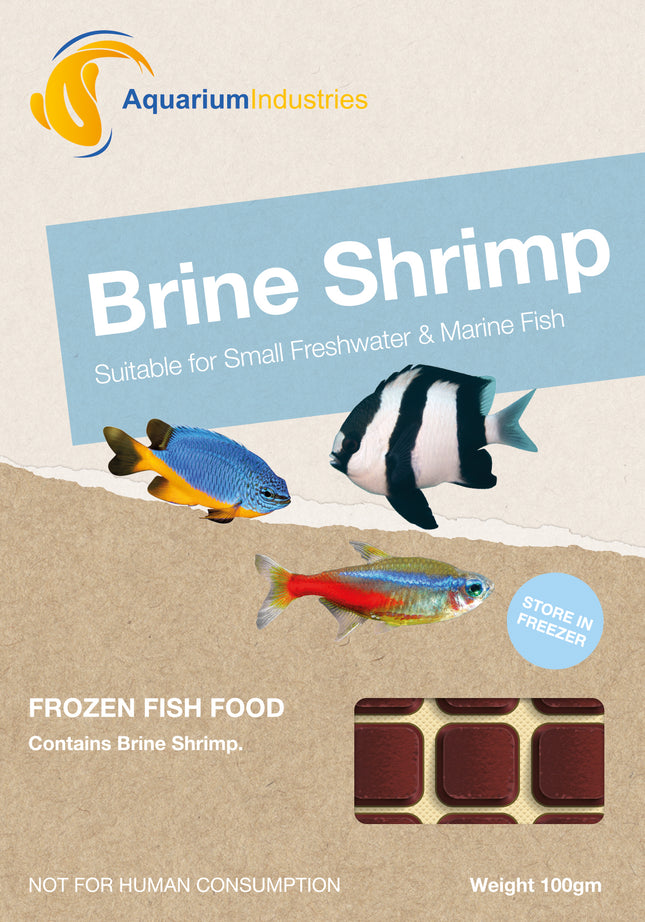
Credit: petsdomain.com.au
Selecting Quality Frozen Brine Shrimp
Frozen brine shrimp are a popular food for ornamental fish. Choosing quality shrimp helps keep fish healthy. Knowing what to look for makes selection easier.
This guide explains how to check freshness and store frozen brine shrimp properly. Follow these tips to get the best product for your aquarium.
Freshness Indicators
Check the shrimp’s appearance and smell before buying. Fresh shrimp should look bright and have no bad odor. Avoid packages with frost or ice crystals on the shrimp.
- Look for bright, natural color without dark spots
- Make sure shrimp pieces are separate, not clumped together
- Smell the package; it should not have a strong fishy or sour odor
- Avoid packages with excessive frost or ice buildup
- Check the expiration date to ensure freshness
Packaging And Storage Tips
| Packaging Feature | Why It Matters |
| Vacuum-sealed bags | Keep shrimp fresh longer by preventing air exposure |
| Opaque packaging | Protect from light that can degrade quality |
| Clear labels | Show expiration date and storage instructions |
| Store at -18°C or lower | Maintain shrimp quality and prevent thawing |
| Avoid refreezing thawed shrimp | Prevents texture loss and bacterial growth |
Feeding Techniques For Ornamental Fish
Frozen brine shrimp are a popular food for ornamental fish. They provide good nutrition and encourage natural feeding behavior. Using the right feeding techniques keeps fish healthy and active.
It is important to control how much and how often you feed your fish. Proper feeding helps avoid waste and maintains water quality.
Portion Control
Give small amounts of frozen brine shrimp to your fish at a time. Overfeeding can cause leftover food to rot. This harms water quality and fish health.
Feed only what fish can eat in two to three minutes. Remove any uneaten food after feeding. This keeps the tank clean and safe.
Feeding Frequency
Feed your ornamental fish one to two times each day. Young or very active fish may need more frequent feedings. Adult fish often do well with fewer feedings.
Observe your fish to find the best feeding schedule. Regular feeding times help fish stay healthy and reduce stress.
Avoiding Overfeeding
Overfeeding can cause water pollution and fish illness. Watch your fish closely during feeding to avoid giving too much food. Remove any extra frozen brine shrimp promptly.
- Feed only small portions
- Watch fish eat and stop when full
- Clean leftover food quickly
- Adjust feeding amounts as fish grow

Credit: www.omegasea.net
Comparing Frozen Brine Shrimp To Other Foods
Frozen brine shrimp are a popular food choice for ornamental fish. They offer different benefits compared to other common foods. Understanding these differences helps fish keepers choose the best diet.
This guide compares frozen brine shrimp with live brine shrimp, pellets, and flakes. It also looks at the nutritional differences among these foods.
Live Vs Frozen
Live brine shrimp are fresh and active, which can encourage fish to eat. They contain natural nutrients but can carry diseases. Frozen brine shrimp are cleaned and frozen quickly to keep nutrients safe.
Frozen shrimp are easy to store and use. They reduce the risk of spreading bacteria or parasites. Live shrimp need special care and can be harder to keep healthy.
- Live shrimp stimulate natural hunting behavior
- Frozen shrimp are safer and last longer
- Live shrimp may carry diseases
- Frozen shrimp are convenient and cleaned
Pellets And Flakes
Pellets and flakes are dry foods made for ornamental fish. They are easy to store and come in many formulas. Frozen brine shrimp offer a natural option that fish enjoy.
Pellets and flakes can lose nutrients over time. Frozen shrimp keep more natural vitamins and proteins. Fish may prefer frozen shrimp for taste and texture.
- Pellets and flakes are shelf-stable and easy to feed
- Frozen shrimp have a more natural taste and texture
- Dry foods may lose nutrients after opening
- Frozen shrimp maintain natural nutrients better
Nutritional Differences
Frozen brine shrimp have high protein and healthy fats. They also contain important minerals and vitamins. Pellets and flakes vary in nutrition depending on ingredients.
Live shrimp provide fresh enzymes and nutrients. Frozen shrimp keep most nutrients after freezing. Dry foods may have added vitamins but less natural protein.
| Food Type | Protein | Fat | Vitamins & Minerals | Other Benefits |
|---|---|---|---|---|
| Live Brine Shrimp | High | Moderate | Natural | Fresh enzymes, active |
| Frozen Brine Shrimp | High | Moderate | Preserved | Clean, convenient |
| Pellets & Flakes | Varies | Varies | Added vitamins | Easy storage |
Potential Risks And How To Avoid Them
Frozen brine shrimp are a popular food for ornamental fish. They provide good nutrition but can also bring risks. Knowing these risks helps keep your fish safe.
This guide covers water quality issues, parasite concerns, and safe thawing methods. Follow these tips to protect your aquarium.
Water Quality Issues
Adding frozen brine shrimp can change your tank’s water quality. Uneaten shrimp can decay and raise ammonia levels. This harms fish and other tank life.
- Feed only what fish can eat quickly
- Remove leftovers after feeding
- Test water regularly for ammonia and nitrites
- Perform water changes to keep water clean
Parasite Concerns
Frozen brine shrimp can carry parasites that infect fish. Parasites may survive freezing or come from poor handling. This can cause illness and stress.
| Parasite Type | Risk Level | Prevention Method |
| Oodinium | High | Freeze properly and quarantine fish |
| Ichthyophthirius | Medium | Use clean feeding tools and thaw safely |
| Flukes | Low | Buy from trusted suppliers |
Safe Thawing Methods
Thawing frozen brine shrimp incorrectly can cause bacteria growth. This can harm your fish if contaminated shrimp are fed. Use safe thawing to reduce risks.
- Remove shrimp from freezer only when ready to feed
- Thaw in a clean container with cool water
- Do not use warm or hot water
- Feed immediately after thawing
- Discard any unused thawed shrimp after one hour
Enhancing Nutrition With Supplements
Frozen brine shrimp are a popular food for ornamental fish. They provide essential nutrients for fish health. Adding supplements can further enhance their nutritional value.
Supplements can help to boost vitamins and minerals. This leads to healthier and more vibrant fish. Let’s explore some ways to improve their diet.
Vitamin Boosters
Vitamins are crucial for fish growth and immune function. Adding vitamin supplements to frozen brine shrimp can be beneficial.
- Vitamin C strengthens the immune system.
- Vitamin D supports bone health.
- Vitamin E acts as an antioxidant.
Adding Variety To Diet
Variety in diet keeps fish interested and healthy. Different foods provide different nutrients.
| Food Type | Benefits |
| Spirulina | Rich in protein and vitamins |
| Daphnia | Good source of fiber |
| Krill | High in omega-3 fatty acids |
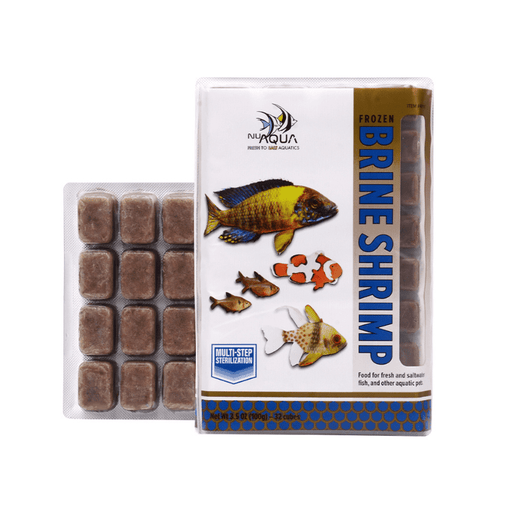
Credit: eastoceansg.com
Frequently Asked Questions
What Are Frozen Brine Shrimp For Ornamental Fish?
Frozen brine shrimp are live food frozen to preserve nutrients. They provide essential proteins and fats for ornamental fish growth and health.
How To Feed Frozen Brine Shrimp To Aquarium Fish?
Thaw frozen brine shrimp before feeding. Feed small portions to avoid water contamination and maintain water quality in the aquarium.
Are Frozen Brine Shrimp Nutritious For Ornamental Fish?
Yes, frozen brine shrimp are rich in protein, omega-3 fatty acids, and minerals. They support fish immune systems and vibrant coloration.
Can Frozen Brine Shrimp Replace Live Food Completely?
Frozen brine shrimp can substitute live food but should be part of a varied diet. Variety ensures balanced nutrition for ornamental fish.
Conclusion
Frozen brine shrimp provide excellent nutrition for ornamental fish. They help keep fish healthy and active. Easy to store and feed, they suit many fish types. Fish love the taste and benefit from their nutrients. Using frozen brine shrimp supports natural feeding habits.
Keep your fish vibrant with regular, balanced feeding. Try frozen brine shrimp to enhance your aquarium care. A simple step for happier, healthier fish.