
If you want your ornamental fish to thrive and show their brightest colors, feeding them the right food is key. Live worms are one of the best natural foods you can offer.
They not only boost your fish’s health but also bring out their natural behavior and energy. Wondering how to safely and effectively feed your fish with live worms? Keep reading to discover simple tips that will transform your fish’s diet and keep your aquarium vibrant and lively.
Credit: aquaticsunlimited.com
Benefits Of Live Worms
Feeding ornamental fish with live worms can improve their health. Live worms offer fresh nutrients that fish need daily.
Many fish owners choose live worms because they support growth and keep fish active and happy.
Nutritional Value
Live worms contain proteins, fats, and vitamins. These nutrients help fish grow strong and stay healthy.
- High in natural protein
- Rich in essential fats
- Contains vitamins like A and D
- Easy to digest for fish
Boosting Fish Immunity
Live worms help improve fish immunity by providing natural immune boosters. This lowers the chance of diseases.
| Benefit | Effect on Fish |
| Natural enzymes | Support digestion and health |
| Minerals | Strengthen immune system |
| Live activity | Stimulates fish to eat more |
Enhancing Color Vibrancy
Live worms contain pigments that help fish show brighter and richer colors. This makes fish look more attractive.
- Carotenoids in worms enhance red and orange tones
- Improved diet leads to healthier skin cells
- Active feeding encourages natural color development

Credit: www.youtube.com
Types Of Live Worms
Feeding ornamental fish with live worms is healthy and natural. Live worms provide essential nutrients and keep fish active.
There are several types of live worms popular in fish feeding. Each type offers different benefits and suits various fish species.
Bloodworms
Bloodworms are small, red worms rich in protein. They are easy for fish to eat and digest.
These worms are often used to feed tropical fish and young fry. Bloodworms help improve fish color and health.
Tubifex Worms
Tubifex worms live in muddy water and are high in protein and fat. Fish enjoy them as a tasty treat.
They are suitable for larger fish and bottom feeders. Tubifex worms can sometimes carry bacteria, so handle them carefully.
Blackworms
Blackworms are small and active worms found in freshwater. They are packed with nutrients and easy to culture at home.
Many fish love blackworms because they move a lot. This movement attracts fish and encourages feeding.
Whiteworms
Whiteworms are tiny, pale worms that stay near the water surface. They are rich in protein and easy to digest.
These worms are good for small fish and fry. They are less messy and do not pollute aquarium water quickly.
Selecting Quality Worms
Feeding ornamental fish with live worms is a great way to provide natural nutrition. Choosing the right worms is important for your fish’s health.
Good quality worms improve fish growth and color. Poor worms can harm your fish or pollute the tank.
Sources And Suppliers
Buy worms from trusted suppliers who specialize in fish food. Local bait shops and pet stores often sell live worms.
Online suppliers can offer a wider variety of worms. Check reviews and seller ratings before buying.
- Local bait shops
- Pet stores with live food sections
- Online fish food specialists
- Local worm farmers
Identifying Healthy Worms
Healthy worms are active and move easily. They should look plump and moist, not dry or shriveled.
Avoid worms with bad smells or slimy coating. These signs show they may be dead or unhealthy.
- Active movement
- Plump and moist body
- No foul odor
- Clean appearance without slime
Avoiding Contaminated Worms
Contaminated worms can carry harmful bacteria or chemicals. Avoid worms collected from polluted areas.
Check if the supplier uses clean bedding and feeds worms safe food. Always rinse worms before feeding them to your fish.
- Do not pick worms from polluted soil
- Choose worms grown in clean environments
- Rinse worms well before use
- Avoid worms with unusual colors or smells
Preparing Worms For Feeding
Feeding ornamental fish with live worms can boost their health. Preparing the worms properly is important to keep fish safe and healthy.
This guide explains how to clean, store, and portion worms before feeding your fish.
Cleaning And Rinsing
Always clean worms before feeding. Dirt and bacteria can harm your fish. Rinse the worms gently in clean water several times. Avoid using soap or chemicals.
After rinsing, let the worms rest on a clean paper towel to remove extra moisture.
Storage Tips
- Keep worms in a cool, dark place like a refrigerator.
- Store worms in a container with moist soil or peat moss.
- Change the bedding every few days to avoid bad smells.
- Feed worms small amounts of vegetable scraps for freshness.
- Use worms within one week for best quality.
Portion Control
| Fish Size | Worm Amount per Feeding |
|---|---|
| Small Fish (up to 2 inches) | 1-2 worms |
| Medium Fish (2-4 inches) | 3-5 worms |
| Large Fish (4+ inches) | 6-10 worms |
Feed worms in small amounts to avoid water pollution. Remove leftover worms after feeding time.
Feeding Techniques
Feeding ornamental fish with live worms helps keep them healthy and active. Live worms are natural food that fish enjoy.
Using the right feeding techniques makes sure fish get the best nutrition without polluting the tank.
Frequency And Timing
Feed live worms to your fish once or twice a day. Avoid overfeeding to keep the water clean.
Feed fish at the same time daily. This helps fish expect their meals and stay active.
- Feed small amounts to avoid leftovers
- Best feeding times are morning and early evening
- Remove uneaten worms after 5 minutes
Introducing Worms To Fish
Start by offering a few live worms to your fish. Watch if they accept the new food without stress.
Slowly increase the number of worms over several days. This helps fish get used to live worms as part of their diet.
- Use clean, safe worms from trusted sources
- Rinse worms before feeding to remove dirt
- Feed worms that match fish size for easy eating
Monitoring Fish Response
Watch your fish closely after feeding live worms. Look for signs of good health and activity.
If fish refuse worms or show stress, reduce the amount or try different worm types. Always keep water clean.
- Check for increased swimming and bright colors
- Note any leftover food or changes in appetite
- Observe for signs of illness or discomfort
Potential Risks And Solutions
Feeding ornamental fish with live worms can be exciting. But it also carries some risks. Understanding these can help keep your fish healthy.
Let’s explore the potential risks and how to address them. This ensures a safe environment for your fish.
Water Quality Impact
Live worms can affect water quality in your fish tank. They might carry dirt or pollutants. This can make the water dirty and harm the fish.
To solve this, rinse the worms well before feeding. This reduces the risk of water pollution in the tank.
Parasite Prevention
Live worms can carry parasites. These parasites might harm your fish. It’s important to prevent this.
Buy worms from trusted sources. This lowers the chance of parasites entering your tank.
- Quarantine new worms before use
- Check for visible signs of parasites
- Consult a vet if unsure
Overfeeding Concerns
Feeding too many worms can lead to overfeeding. This can cause health issues in fish. It’s important to feed the right amount.
Watch how much your fish eat in a few minutes. Remove any extra worms left in the tank.
| Fish Size | Recommended Worm Amount |
| Small Fish | 1-2 worms |
| Medium Fish | 3-4 worms |
| Large Fish | 5-6 worms |
Alternatives To Live Worms
Feeding ornamental fish with live worms is popular. Yet, there are other options. These alternatives can offer variety in diet and nutrients.
Explore different foods to keep your fish healthy. Try frozen worms, pellets, and more.
Frozen Worms
Frozen worms are a great choice. They are convenient and easy to store. They maintain most nutrients that live worms provide.
- Easy to store and handle
- Longer shelf life than live worms
- Available in various types like bloodworms and tubifex
Pellet And Flake Foods
Pellet and flake foods are widely used. They are formulated with essential nutrients. These foods come in different sizes to suit all fish.
| Type | Benefit |
| Pellets | Varied sizes for different fish species |
| Flakes | Easy for fish to eat at the surface |
| Crumbles | Ideal for small or young fish |
Other Live Foods
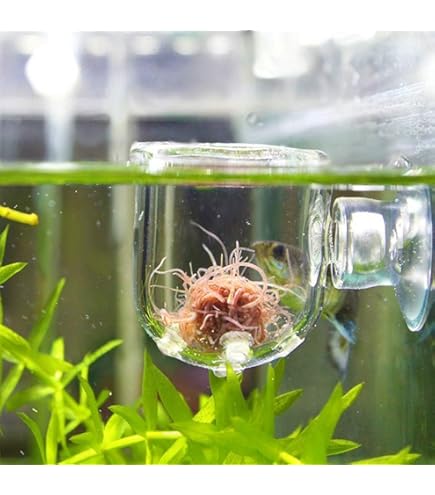
Other live foods provide variety. Options include brine shrimp and daphnia. They mimic natural hunting and feeding habits.
Credit: www.amazon.in
Frequently Asked Questions
What Are The Benefits Of Feeding Live Worms To Ornamental Fish?
Live worms provide essential proteins and nutrients. They enhance fish growth, color, and vitality. Worms also encourage natural hunting behavior, improving fish activity and health.
How Often Should I Feed Live Worms To My Fish?
Feed live worms 2-3 times weekly. Overfeeding may cause water quality issues. Balance worm feeding with other fish foods for a healthy diet.
Are Live Worms Safe For All Ornamental Fish Species?
Most ornamental fish enjoy live worms. However, some species may need specific diets. Always research your fish’s dietary needs before introducing live worms.
How Do I Store Live Worms For Fish Feeding?
Keep worms in a cool, dark place. Use moist bedding like soil or peat moss. Change bedding regularly to maintain worm health and freshness.
Conclusion
Feeding ornamental fish with live worms boosts their health and color. Worms provide natural nutrients fish enjoy eating. Regular feeding helps fish stay active and strong. Always choose clean, safe worms to avoid problems. Watch your fish closely to see what they like best.
Small, frequent feedings keep fish happy and healthy. This simple step improves your aquarium’s beauty and life. Try feeding live worms and see the difference yourself. Caring for fish becomes easier with natural food choices. Keep your fish thriving with this easy feeding tip.