
If you have a small tank, you know how important clean water is for your plants, pets, or even your daily use. But keeping that water fresh and safe isn’t always easy.
You might be wondering how to treat your water without complicated setups or expensive tools. This guide will help you understand simple, effective ways to improve your water quality right now. By the end, you’ll have practical tips that make a real difference for your small tank—and you’ll feel confident about the water you rely on every day.
Keep reading to discover easy steps that can protect your tank and give you peace of mind.

Credit: www.alibaba.com
Challenges In Small Tank Water Treatment
Water treatment in small tanks has unique challenges. Small tanks hold less water but need careful care.
Contaminants can build up quickly. Treating water in small tanks needs regular checks and good methods.
Common Contaminants In Small Tanks
Small tanks often have dirt, algae, and bacteria. These contaminants affect water quality and safety.
Other common issues include rust and chemical residues. These come from tank material or external sources.
- Dirt and sediment
- Algae growth
- Bacteria and germs
- Rust particles
- Chemical residues
Impact Of Poor Water Quality
Bad water quality can cause health problems. It may lead to stomach issues and skin irritation.
Poor water can also damage pipes and appliances. It shortens their life and raises repair costs.
- Health risks for users
- Damage to plumbing systems
- Bad taste and odor
- Clogging and corrosion
- Increased maintenance needs
Choosing The Right Filtration Systems
Water treatment for small tanks needs the right filtration system. Good filters keep water clean and safe.
Different filters remove different problems. Pick filters based on what your water needs.
Mechanical Filters For Debris Removal
Mechanical filters remove dirt, sand, and large particles from water. They stop debris from clogging the tank.
These filters use screens or sponges to catch solids. They need regular cleaning to work well.
- Good for visible particles
- Protect other filters and equipment
- Easy to maintain and replace
Activated Carbon Filters For Odor And Taste
Activated carbon filters remove bad smells and tastes from water. They absorb chemicals and impurities.
These filters improve water quality by reducing chlorine and organic compounds. They help water taste fresh.
- Reduce odors and bad taste
- Remove chlorine and chemicals
- Work well with other filter types
Uv Purifiers For Microbial Control
UV purifiers kill bacteria, viruses, and other microbes in water. They use ultraviolet light to disinfect.
These purifiers do not add chemicals. They provide safe water by stopping harmful germs.
- Effective against microbes
- Chemical-free disinfection
- Requires electricity to work
Chemical Treatment Options
Small water tanks need proper chemical treatment to keep water safe. Chemicals help remove harmful germs and improve water quality.
Choosing the right chemical treatment depends on water use and tank size. This guide covers three common options.
Chlorination Techniques
Chlorination is a popular way to kill bacteria in small tanks. It uses chlorine or chlorine compounds to disinfect water.
Chlorine is added in liquid, powder, or tablet form. It works fast and keeps water safe for a long time.
- Use chlorine tablets for slow, steady release
- Liquid chlorine works well for quick disinfection
- Powdered chlorine is easy to measure and apply
Use Of Water Softeners
Water softeners remove hard minerals like calcium and magnesium. This stops scale build-up inside small tanks.
Soft water helps protect pipes and improves soap effectiveness. It also extends the life of tank parts.
- Use salt-based softeners for best results
- Check softener settings for your tank size
- Regenerate softener regularly to keep it working
Ph Adjustment Methods
Maintaining the right pH keeps water balanced and safe. pH adjustment stops corrosion and scale in small tanks.
Acids lower pH while bases raise it. Test water regularly to keep pH between 6.5 and 8.5 for best results.
- Add citric acid or vinegar to reduce pH
- Use baking soda or lime to raise pH
- Test water weekly with simple pH strips

Credit: www.amazon.co.uk
Maintenance Tips For Small Water Tanks
Small water tanks need regular care to keep water clean and safe. Proper maintenance helps avoid damage and costly repairs. These tips will guide you in taking good care of your tank.
Follow simple steps to maintain your tank’s condition. This will ensure fresh water for daily use and extend the tank’s life.
Regular Cleaning Practices
Cleaning your water tank often prevents dirt and germs from building up. Clean at least twice a year or more if needed.
- Drain the tank completely before cleaning.
- Scrub the inside walls with a brush and mild detergent.
- Rinse well with clean water to remove all soap.
- Use a disinfectant safe for drinking water after cleaning.
- Let the tank dry fully before refilling.
Monitoring Water Quality
Check your water regularly to ensure it is safe. Watch for changes in taste, smell, or color.
| Test Type | Frequency | What to Check |
| Bacterial Test | Every 6 months | Presence of harmful bacteria |
| pH Level | Every 3 months | Acidity or alkalinity |
| Turbidity | Monthly | Water clarity and particles |
| Chlorine Level | Monthly | Disinfectant amount |
Replacing Filters And Components
Filters and parts wear out and need replacement to keep water clean. Follow the schedule below to maintain your system.
- Check filters every 2 months for dirt and damage.
- Replace carbon and sediment filters every 6 months.
- Inspect valves and pipes yearly for leaks or cracks.
- Clean or replace UV lamps as recommended by the manufacturer.
- Keep spare parts handy for quick replacements.
Innovative Solutions For Small Tank Water
Small tanks need smart water treatment to keep water safe and clean. New tools help monitor water quality easily.
Using the right devices makes water treatment faster and more effective for small tanks.
Smart Water Monitoring Devices
Smart water monitors track changes in water quality in real time. They detect impurities and alert users quickly.
- Measure pH and chlorine levels
- Detect turbidity and temperature
- Send alerts via smartphone apps
- Work with low power for long use
Portable Water Treatment Units
Portable units treat water on the go. They are easy to use and fit small tanks perfectly.
| Type | Method | Ideal Use |
| UV Purifier | Ultraviolet light kills germs | Clear water with low turbidity |
| Activated Carbon Filter | Removes chemicals and odors | Water with bad taste or smell |
| Portable Reverse Osmosis | Filters out solids and salts | Brackish or salty water |
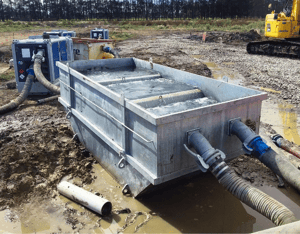
Credit: primefluid.co.nz
Frequently Asked Questions
What Is The Best Water Treatment For Small Tanks?
The best water treatment for small tanks depends on tank size and water use. Common methods include filtration, UV sterilization, and chemical dosing. These approaches remove contaminants, improve water quality, and prevent algae growth efficiently.
How Often Should Small Tank Water Be Treated?
Small tank water should be treated every 1 to 3 months. Regular treatment prevents buildup of bacteria, algae, and sediments. Frequent checks and maintenance ensure safe, clear water and extend tank life.
Can Small Tanks Use Chemical Water Treatments Safely?
Yes, small tanks can use chemical treatments safely if dosed correctly. Follow manufacturer guidelines and avoid overdosing. Proper use controls bacteria and algae without harming tank materials or aquatic life.
What Are Natural Water Treatment Options For Small Tanks?
Natural options include using aquatic plants, biofilters, and beneficial bacteria. These methods enhance water quality by breaking down waste and absorbing nutrients. They offer eco-friendly, low-maintenance treatment for small tanks.
Conclusion
Treating water in small tanks keeps it clean and safe. Simple steps help avoid dirt and germs. Regular checks stop problems before they grow. Using the right filters improves water quality fast. Clean water protects health and extends tank life.
Small tanks need care, just like big ones. Good water means better plants, pets, and daily use. Stay consistent with treatment for best results. Clear water makes a big difference every day.