
Have you noticed your goldfish acting differently lately? Maybe it’s swimming erratically, hiding more than usual, or losing its vibrant color.
These changes could be signs of stress, and understanding them is key to keeping your fish healthy and happy. You’ll learn how to spot the common stress signs in your goldfish and what simple steps you can take to treat and prevent these issues.
By paying attention now, you can save your goldfish from discomfort and enjoy a lively, thriving pet. Keep reading to discover how to protect your goldfish’s well-being with easy, effective care tips.

Credit: nextdaykoi.com
Common Stress Signs In Goldfish
Goldfish can show many signs when they feel stressed. Recognizing these signs early helps keep your fish healthy. Stress can come from different causes in their environment or care.
This guide covers common stress signs in goldfish. It focuses on behavior, physical changes, and things in their tank that may cause stress.
Behavioral Changes
Stressed goldfish often act differently than usual. Watch your fish carefully to spot these behavior changes.
- Swimming erratically or darting around
- Hiding more than usual
- Loss of appetite or refusing food
- Gasping at the water surface
- Rubbing or scratching against objects
Physical Symptoms
Stress can cause visible changes in your goldfish’s body. These signs show the fish may be unhealthy or uncomfortable.
| Symptom | Description |
| Clamped fins | Fins held close to the body instead of spread out |
| Color fading | Dull or pale skin color compared to normal |
| Red or inflamed gills | Gills may look swollen or have red patches |
| White spots or lesions | Signs of infection or parasites on the skin |
| Rapid breathing | Fast or heavy gill movement |
Environmental Triggers
Goldfish can get stressed by problems in their tank or care routine. Fixing these issues helps reduce stress.
Common environmental triggers include:
- Dirty or poor water quality
- Overcrowded tanks
- Sudden changes in water temperature
- Strong water currents or lack of hiding spots
- Incompatible tank mates causing aggression

Credit: www.reddit.com
Causes Of Stress In Goldfish
Goldfish can suffer from stress due to many common problems. Stress weakens their immune system and affects their health.
Knowing the causes helps you keep your goldfish happy and healthy.
Poor Water Quality
Dirty or unbalanced water causes stress in goldfish. High ammonia or nitrite levels harm their gills and skin. Water that is too hot or cold also stresses them.
Regular water testing and changes keep the water safe. Use a good filter to remove waste and toxins.
Inadequate Tank Size
Small tanks limit space for goldfish to swim. Crowded tanks cause fights and poor water quality. Stress builds up quickly in tight spaces.
- Provide at least 20 gallons per goldfish
- Avoid overcrowding the tank
- Use a larger tank as fish grow
Improper Diet
Feeding low-quality or wrong food causes stress and illness. Overfeeding can dirty the water and upset digestion. Underfeeding leads to weakness.
| Food Type | Effect on Goldfish |
| High-quality flakes or pellets | Good nutrition and growth |
| Uneaten food | Pollutes water, causes stress |
| Too much food | Digestive problems and obesity |
Aggressive Tank Mates
Some fish are aggressive and bully goldfish. Fighting causes injury and stress. Goldfish need peaceful tank mates.
Signs of aggression to watch for:
- Chasing or nipping fins
- Hiding or staying at the bottom
- Loss of color or appetite
Preventing Stress In Goldfish
Goldfish can get stressed easily. Stress makes them sick and weak. You can help your goldfish stay healthy by preventing stress.
Keeping a calm and clean environment is very important. Here are some key ways to prevent stress in goldfish.
Maintaining Clean Water
Clean water keeps goldfish healthy and stress-free. Dirty water causes diseases and discomfort. Change part of the water regularly to keep it clean.
Use a good filter to remove waste. Test the water often for harmful chemicals like ammonia and nitrites. Remove uneaten food to stop water pollution.
- Change 20-30% of water weekly
- Use a water conditioner to remove chlorine
- Keep the filter clean and working
- Check water parameters regularly
Providing Proper Nutrition
Good food helps goldfish grow strong and resist stress. Feed a balanced diet with all needed nutrients. Avoid overfeeding to keep water clean.
Use high-quality goldfish flakes or pellets. Add fresh vegetables like peas or spinach sometimes. Feed small amounts two to three times a day.
- Feed only what goldfish can eat in 2 minutes
- Include vegetable matter for digestion
- Avoid feeding human food or bread
- Remove leftover food after feeding
Choosing Suitable Tank Companions
Goldfish need calm tank mates to avoid stress. Aggressive or fast fish can hurt or scare them. Pick fish that live well with goldfish.
Choose species with similar water needs and peaceful behavior. Avoid small fish that goldfish may eat. Keep the number of fish suitable for tank size.
- Use only goldfish or peaceful, large fish
- Avoid aggressive or nippy species
- Do not overcrowd the tank
- Watch fish behavior regularly for signs of stress
Ensuring Adequate Space
Goldfish need enough room to swim and grow. Crowded tanks cause stress and poor health. Provide a large tank with good swimming space.
Give at least 20 gallons of water for one goldfish. Add 10 more gallons for each extra fish. Use decorations carefully to avoid blocking space.
- Minimum 20 gallons for one goldfish
- Add 10 gallons for each additional fish
- Keep swimming areas open
- Clean and arrange decorations safely
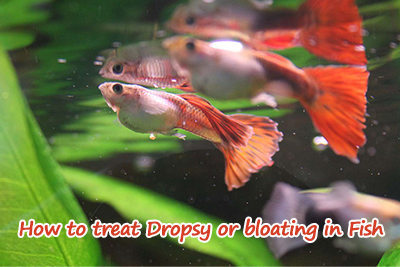
Credit: www.hygger-online.com
Effective Stress Treatment Methods
Goldfish often show signs of stress when their environment is not ideal. Treating stress quickly helps keep them healthy.
There are several ways to reduce stress in goldfish. These include changing water, using products, adjusting diet, and isolating sick fish.
Water Changes And Filtration
Clean water is very important for goldfish health. Change part of the water regularly to remove waste and toxins.
Good filtration helps keep the water clear and safe. Use filters that remove debris and harmful chemicals.
- Change 20-30% of water weekly
- Use a filter suited for your tank size
- Check water temperature and pH often
- Remove uneaten food to prevent decay
Using Stress-reducing Products
Stress-reducing products can calm goldfish during illness or new tank setups. These include water conditioners and medications.
Always follow instructions carefully. Too much or wrong product can harm your fish.
- Use water conditioners to remove chlorine
- Try aquarium salt to reduce stress
- Use medications only when needed
- Consult a vet for serious problems
Adjusting Diet And Feeding
Feeding goldfish a balanced diet helps them stay strong. Avoid overfeeding because it pollutes the water.
Offer a variety of foods like flakes, pellets, and fresh vegetables to keep them healthy and reduce stress.
- Feed small amounts 2-3 times daily
- Remove leftover food after feeding
- Include vegetables like peas and spinach
- Avoid low-quality or expired food
Isolating Affected Fish
If a goldfish shows signs of illness or stress, isolate it in a separate tank. This prevents spreading disease to others.
Use a quarantine tank with clean water and proper filtration. Monitor the fish closely until it recovers.
- Set up a small tank with clean water
- Keep temperature stable and suitable
- Check the fish daily for changes
- Treat with medication if needed
Signs Of Recovery And When To Seek Help
Goldfish can show clear signs when they start feeling better. Watching these signs helps owners know if treatment is working.
Sometimes, goldfish need extra care from a vet. Knowing when to seek help can save your fish’s life.
Positive Behavioral Shifts
When goldfish recover, they act more lively and curious. They swim actively and respond to food quickly.
- Increased swimming around the tank
- Normal feeding habits return
- Less hiding or resting at the bottom
- More interaction with other fish
Physical Healing Indicators
Physical signs show healing too. Look for clear eyes and smooth scales without redness or spots.
| Healing Sign | What to Look For |
| Fins | Fully spread and no tears |
| Scales | No ulcers or white patches |
| Body | Normal color and no swelling |
| Gills | Clean and moving steadily |
Professional Veterinary Care
Sometimes, signs mean it’s time to get a vet’s help. Early treatment can prevent serious problems.
- Goldfish stops eating for more than two days
- Shows constant gasping or heavy breathing
- Has unusual lumps or wounds that worsen
- Swims erratically or stays at the surface too long
- Other fish in the tank get sick too
Frequently Asked Questions
What Are Common Goldfish Stress Signs?
Common signs include gasping at the surface, clamped fins, lethargy, loss of appetite, and erratic swimming. These indicate poor water quality or illness. Spotting these signs early helps prevent severe health issues and improves your goldfish’s wellbeing.
How Can I Reduce Goldfish Stress Effectively?
Maintain clean water by regular tank changes. Keep stable temperature and avoid sudden changes. Provide proper diet and avoid overcrowding. Adding plants and hiding spots also reduces stress by mimicking their natural environment.
What Causes Goldfish Stress Most Often?
Common causes are poor water quality, sudden temperature changes, overfeeding, overcrowding, and aggressive tank mates. Stress weakens immunity and leads to illness. Identifying and fixing these factors is crucial for a healthy goldfish.
How Do I Treat Stressed Goldfish At Home?
First, improve water quality with partial changes. Adjust temperature slowly to ideal range (65-75°F). Reduce feeding and remove aggressive fish. Adding aquarium salt can help recovery. Monitor behavior and consult a vet if symptoms persist.
Conclusion
Goldfish show stress through changes in behavior and appearance. Watch for signs like hiding, loss of appetite, or clamped fins. Keep the tank clean and water conditions stable to help them feel safe. Feeding a balanced diet also supports their health.
Acting fast can prevent serious problems. Healthy goldfish live longer and swim happily. Caring well helps your fish thrive every day.