
Keeping your aquarium water clean and safe is key to having healthy, happy fish. But controlling harmful bacteria can feel like a never-ending battle.
If you’ve ever struggled with cloudy water, fish illness, or unpleasant odors, you’re not alone. The good news is, there are simple and effective ways to treat your aquarium water to keep bacteria in check. You’ll discover easy steps and proven tips that will help you create a thriving environment for your aquatic pets.
Ready to transform your tank and protect your fish? Let’s dive in and explore how to master aquarium water treatment for bacteria control.
Common Bacterial Issues
Aquarium water can host many bacteria. Some bacteria are good. Others cause problems for fish and plants.
Controlling harmful bacteria is key to keeping your aquarium healthy. Learn about common bacterial issues and how to spot them.
Types Of Harmful Bacteria
Harmful bacteria in aquariums can cause diseases and water quality problems. Here are common types:
- Fusobacteria:Causes fish ulcers and infections.
- Pseudomonas:Leads to fin rot and swim bladder issues.
- Mycobacteria:Known for causing chronic fish diseases.
- Vibrio:Often linked to rapid fish deaths.
- Aeromonas:Causes hemorrhagic septicemia in fish.
Signs Of Bacterial Overgrowth
Spotting bacterial overgrowth early helps save your fish. Watch for these signs:
| Sign | Description |
|---|---|
| Cloudy Water | Water looks murky or milky due to bacteria bloom. |
| Fish Behavior | Fish show lethargy, loss of appetite, or abnormal swimming. |
| Visible Lesions | White spots, ulcers, or redness on fish skin or fins. |
| Fish Deaths | Sudden or frequent unexplained fish deaths. |
| Foul Odor | Unpleasant smell from the aquarium water. |

Credit: www.amazon.com
Water Quality Basics
Good water quality is key for healthy aquarium fish. It helps control harmful bacteria and keeps fish safe.
Understanding water properties helps you manage your aquarium better. This includes pH, temperature, and filtration.
Role Of Ph And Temperature
pH measures how acidic or basic the water is. Most fish need a stable pH between 6.5 and 7.5. Sudden pH changes stress fish and help bacteria grow.
Temperature affects fish health and bacteria growth. Most tropical fish thrive between 75°F and 80°F (24°C to 27°C). Warmer water speeds up bacteria growth, so keep temperature steady.
- Check pH weekly to avoid sudden shifts
- Keep temperature stable with a reliable heater
- Use a thermometer to monitor water temperature daily
- Adjust water conditions slowly to protect fish
Importance Of Filtration
Filtration removes waste, toxins, and harmful bacteria from the water. It keeps the aquarium clean and fish healthy.
| Filter Type | Function | Best Use |
| Mechanical | Removes particles | Traps debris and dirt |
| Biological | Hosts good bacteria | Breaks down fish waste |
| Chemical | Removes toxins | Uses activated carbon or resins |
Chemical Treatments
Chemical treatments help keep aquarium water safe. They control harmful bacteria that can hurt fish.
Using the right chemicals keeps the water clean and fish healthy. It is important to know how each treatment works.
Antibacterial Medications
Antibacterial medications fight bacterial infections in fish. They work by killing or stopping bacteria from growing.
- Medications come in forms like powders, liquids, or tablets.
- Follow the instructions carefully to avoid harming fish.
- Common types include antibiotics such as erythromycin and tetracycline.
- Use only when needed to prevent resistance.
Use Of Chlorine And Chloramine
Chlorine and chloramine are chemicals used to kill bacteria in tap water. They are harmful to fish if not removed.
| Chemical | Effect on Fish | Removal Method |
| Chlorine | Toxic, can burn gills | Use water conditioner or let water sit 24 hours |
| Chloramine | Toxic, stronger than chlorine | Use special water conditioners that break chloramine bonds |
Credit: www.chewy.com
Natural Remedies
Keeping your aquarium clean is important. Harmful bacteria can make fish sick. There are natural ways to control bacteria without chemicals.
Using natural methods keeps the water safe. It also helps fish live longer and healthier lives.
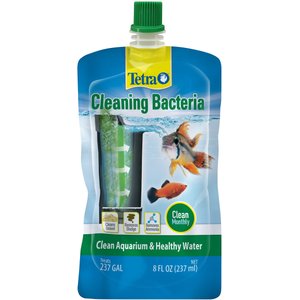
Beneficial Bacteria Additives
Good bacteria help clean the water. They break down waste and keep the tank healthy.
You can add these bacteria to your aquarium. They control harmful bacteria by outnumbering them.
- Liquid bacteria supplements are easy to use
- They are safe for fish and plants
- They help maintain clear water
Plants And Natural Filtration
Aquarium plants act as natural filters. They absorb waste and produce oxygen.
Plants provide a home for beneficial bacteria. They help keep the water clean and balanced.
- Floating plants cover the water surface
- Rooted plants help stabilize the substrate
- Plants reduce harmful chemicals naturally
Maintenance Practices
Keeping aquarium water clean is key to controlling bacteria. Good maintenance helps fish stay healthy.
Simple habits can reduce harmful bacteria and keep the tank safe for all aquatic life.
Regular Water Changes
Change water regularly to remove waste and toxins. This lowers bacteria growth and keeps water clear.
- Change 10-20% of the water weekly.
- Use a gravel vacuum to clean the bottom.
- Refill with treated, dechlorinated water.
- Check water temperature before adding new water.
- Monitor water quality with test kits.
Cleaning Equipment And Substrate
Clean tank equipment and substrate often. This stops bacteria buildup and keeps the tank healthy.
| Item | Cleaning Method | Frequency |
| Filter | Rinse with tank water | Every 2-4 weeks |
| Substrate | Vacuum during water changes | Weekly |
| Decorations | Scrub with soft brush | Monthly |
| Glass walls | Use algae scraper | Weekly |

Credit: www.chewy.com
Preventing Future Problems
Keeping your aquarium healthy means stopping problems before they start. Careful steps help control bacteria and keep fish safe.
Two key ways to prevent issues are using quarantine procedures and avoiding overfeeding. These keep the water clean and fish healthy.
Quarantine Procedures
New fish can carry bacteria that harm your aquarium. Quarantine keeps them separate to stop germs from spreading.
- Set up a separate tank for new fish
- Keep fish in quarantine for two weeks
- Watch for signs of illness or stress
- Use water treatments if needed
- Only add fish to the main tank if healthy
Avoiding Overfeeding
Feeding too much food causes waste and bacteria growth. Feed the right amount to keep water clean.
| Feeding Frequency | Portion Size | Notes |
| Twice daily | Small amount | Feed only what fish eat in 2 minutes |
| Remove leftovers | N/A | Prevent food decay in water |
| Adjust for fish type | N/A | Some fish need less food |
Frequently Asked Questions
What Is The Best Way To Control Bacteria In Aquariums?
Using proper filtration and regular water changes helps control bacteria. Beneficial bacteria grow naturally and break down harmful waste. Adding aquarium-safe bacterial treatments can boost this process safely.
How Often Should I Treat Aquarium Water For Bacteria?
Treat aquarium water weekly or after cleaning. Regular treatment maintains a healthy bacterial balance. Avoid over-treating, which can harm beneficial bacteria essential for tank health.
Can Aquarium Water Treatments Harm Fish Or Plants?
Most treatments are safe if used as directed. Overuse or incorrect dosage can stress fish and plants. Always follow product instructions to protect your aquarium’s ecosystem.
Why Is Bacterial Control Important In Aquariums?
Bacterial control prevents harmful ammonia and nitrite buildup. It keeps water clean and fish healthy. Balanced bacteria support a stable and thriving aquatic environment.
Conclusion
Controlling bacteria in aquarium water keeps fish healthy and happy. Clean water means fewer diseases and clearer tanks. Regular water changes and good filters help a lot. Using safe treatments stops harmful bacteria from growing. Test water often to catch problems early.
A healthy tank creates a better home for your fish. Small steps make a big difference over time. Take care of your aquarium, and your fish will thrive. Simple actions lead to a cleaner, safer environment. Keep learning and stay patient for the best results.