
If you have sensitive fish species in your aquarium, you know how important clean and balanced water is for their health. But treating aquarium water can be tricky—one wrong move might stress your fish or harm their delicate systems.
What if you could learn simple, effective ways to keep your water safe and perfect for your finned friends? You’ll discover easy tips and proven methods to treat your aquarium water with confidence. By the end, you’ll feel ready to create a thriving, healthy environment that your sensitive fish will love.
Keep reading to protect your underwater pets and enjoy a beautiful, vibrant tank.
Credit: www.aquaticexperts.com
Choosing The Right Water
Water quality is very important for sensitive fish species. The right water helps keep them healthy and stress-free.
Choosing the correct water means testing and adjusting it carefully. This protects your fish from harmful changes.
Testing Water Parameters
Testing water shows its health and safety for fish. Key parameters include ammonia, nitrite, nitrate, pH, and hardness.
Use test kits regularly to check these levels. This helps you act fast if the water is unsafe.
- Ammonia and nitrite should be zero
- Nitrate must stay low, under 20 ppm
- pH should match fish species needs
- Water hardness affects fish comfort
Using Purified Water
Purified water has fewer chemicals and pollutants. It is safer for sensitive fish than tap water.
Use purified water from filters or bottled sources. Always mix it properly with aquarium water before use.
- Reverse osmosis water is very clean
- Distilled water has no minerals
- Mix purified water with tank water slowly
- Check fish response after water changes
Adjusting Ph Levels
Fish need the right pH to live well. Too high or too low pH can harm their health.
Test pH often and adjust it with safe products. Use natural items like driftwood or crushed coral to change pH gently.
- Lower pH with peat moss or driftwood
- Raise pH with crushed coral or limestone
- Change pH slowly over days
- Keep pH stable to avoid stress
Filtration Techniques
Keeping aquarium water clean is very important for sensitive fish species. Filtration removes harmful substances and keeps water safe.
There are three main filtration techniques: mechanical, biological, and chemical. Each type plays a special role in water treatment.
Mechanical Filtration Options
Mechanical filtration traps particles like uneaten food and fish waste. It helps keep water clear and reduces debris.
Common mechanical filters include sponge filters, filter floss, and foam pads. These filters physically block dirt from moving in the water.
- Sponge filters are gentle and safe for small fish.
- Filter floss captures fine particles effectively.
- Foam pads provide a strong surface for trapping debris.
Biological Filtration Benefits
Biological filtration uses good bacteria to break down harmful waste. These bacteria change toxic ammonia into less harmful substances.
This process keeps the water safe for sensitive fish. It helps keep the nitrogen cycle balanced in the aquarium.
- Good bacteria grow on filter media like bio balls or ceramic rings.
- They convert ammonia into nitrites and then into nitrates.
- Nitrates are less harmful and can be removed by water changes.
Chemical Filtration Methods
Chemical filtration uses substances that absorb harmful chemicals from water. It helps remove odors, discoloration, and toxins.
Activated carbon is the most common chemical filter. Other options include zeolite and resin to target specific contaminants.
- Activated carbon removes organic waste and odors.
- Zeolite absorbs ammonia in new tanks.
- Resin targets heavy metals and other toxins.
Water Conditioning Essentials
Aquarium water needs special care for sensitive fish species. Proper water treatment keeps fish healthy and safe.
Good water conditioning removes harmful substances and adds helpful elements. This helps fish thrive in their environment.
Removing Chlorine And Chloramine
Tap water often contains chlorine and chloramine. These chemicals can harm fish gills and skin.
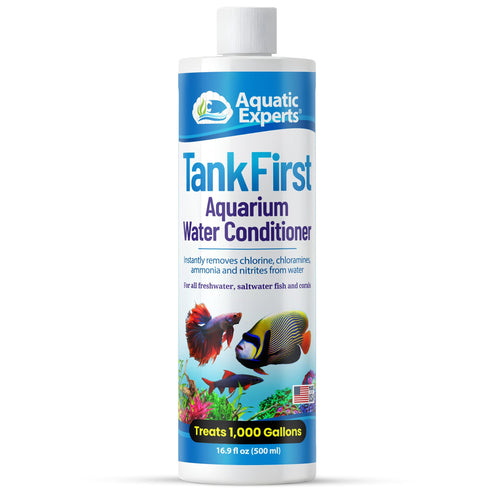
Use water conditioners to remove these chemicals before adding water to the tank. This makes water safe for fish.
- Chlorine evaporates if water sits for 24 hours
- Chloramine needs special chemical neutralizers
- Always treat new water before adding to aquarium
Detoxifying Heavy Metals
Heavy metals like copper and lead can come from pipes or tap water. They are toxic to sensitive fish.
Use detoxifiers that bind heavy metals. These products make metals harmless and protect fish health.
- Heavy metals can cause stress and illness
- Detoxifiers keep metals from building up
- Test water regularly for metal levels
Adding Beneficial Supplements
Some supplements help fish by improving water quality or boosting fish immunity. They support sensitive species well.
Common supplements include minerals, vitamins, and bacteria starters. These keep the aquarium balanced and healthy.
- Minerals help fish regulate body functions
- Vitamins support immune systems
- Beneficial bacteria break down waste in water

Credit: www.amazon.com
Maintaining Stable Water Conditions
Stable water conditions are very important for sensitive fish species. These fish can get stressed easily if water changes too much.
Good water treatment keeps fish healthy and helps them live longer. It means watching temperature, water quality, and chemicals.
Controlling Temperature Fluctuations
Temperature changes can harm sensitive fish. Keep the aquarium water at a steady temperature all the time.
Use a reliable heater and thermometer. Check the temperature daily to avoid sudden drops or rises.
- Set the heater to the right temperature for your fish
- Place the thermometer where you can easily see it
- Avoid placing the tank near windows or vents
- Use an aquarium thermostat for better control
Regular Water Changes
Changing water regularly helps keep the aquarium clean and safe. It removes waste and toxins from the tank.
Change 10 to 20 percent of the water every week. Use dechlorinated water that matches the tank’s temperature.
- Use a siphon to remove debris from the gravel
- Replace water slowly to avoid shocking the fish
- Test water parameters before adding new water
- Keep track of water changes on a schedule
Monitoring Ammonia And Nitrite Levels
Ammonia and nitrite are toxic chemicals in aquarium water. Even small amounts can hurt sensitive fish.
Test the water often to keep these chemicals at zero. Use water treatments to remove ammonia and nitrites if needed.
- Test water weekly with an aquarium test kit
- Keep ammonia and nitrite levels at zero ppm
- Use biological filters to break down waste
- Avoid overfeeding to reduce chemical buildup
Special Treatments For Sensitive Species
Some fish species need extra care in their water treatment. Sensitive fish react to small changes in water quality. This makes special treatments very important.
Proper water treatment keeps these fish healthy and lowers stress. It also helps prevent illness in your aquarium.
Using Stress-reducing Additives
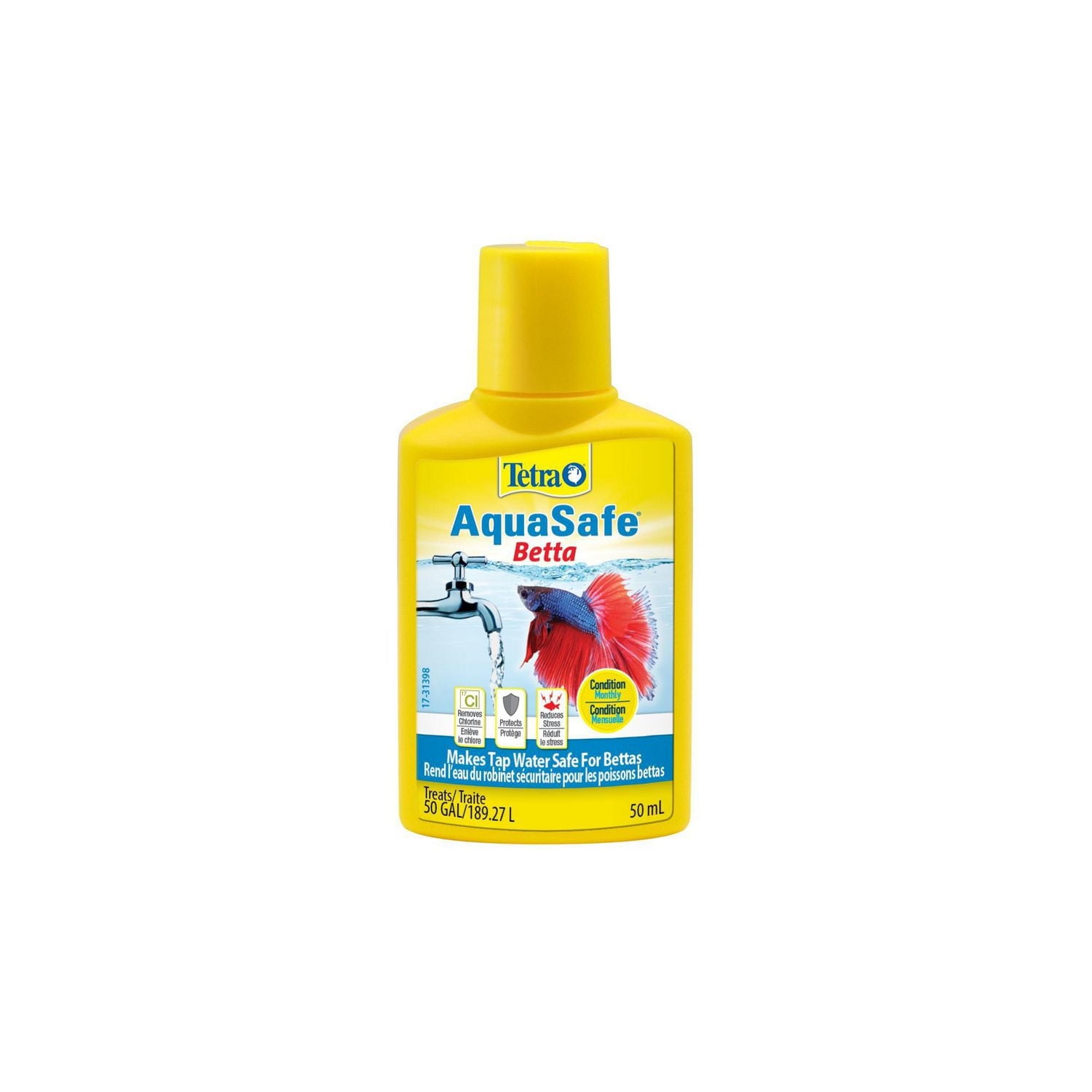
Stress-reducing additives help calm sensitive fish during water changes or new tank setups. These additives can improve fish health and behavior.
- Use products that remove chlorine and chloramine
- Add natural extracts like aloe vera or Indian almond leaves
- Use conditioners that reduce ammonia and nitrite toxicity
- Follow the recommended doses carefully to avoid overdosing
Quarantine Procedures
Quarantine new fish before adding them to the main tank. This stops diseases from spreading to sensitive species.
| Quarantine Step | Purpose |
| Isolate new fish for 2-4 weeks | Observe health and behavior |
| Use separate equipment | Prevent cross-contamination |
| Test water quality often | Keep conditions stable |
| Treat any diseases early | Protect main tank fish |
Handling Disease Prevention
Preventing disease protects sensitive fish from stress and death. Good hygiene and careful handling are key.
- Clean tanks and equipment regularly
- Wash hands before touching fish or tank water
- Avoid overcrowding to reduce stress
- Feed high-quality food to boost immunity
- Remove sick fish quickly and treat properly
Credit: www.walmart.ca
Equipment And Tools
Maintaining an aquarium for sensitive fish species requires specific equipment and tools. Proper water treatment helps keep fish healthy.
Careful selection of tools ensures a balanced and safe environment for your aquatic pets. Here’s how to choose the best equipment.
Choosing The Right Test Kits
Test kits help monitor water quality. They detect levels of ammonia, nitrites, and nitrates. This information is vital for fish health.
- Ammonia test kits
- Nitrate test kits
- pH level test kits
- Water hardness kits
Selecting Quality Filters
Filters remove impurities and keep water clean. They come in different types and sizes. Choose one that fits your aquarium’s needs.
| Filter Type | Best For |
| Canister Filters | Large Tanks |
| Power Filters | Medium Tanks |
| Sponge Filters | Small Tanks |
Using Water Pumps And Aerators
Water pumps and aerators increase oxygen levels. They help maintain a healthy aquatic environment. Proper circulation is key for fish health.
Frequently Asked Questions
What Is The Best Water Treatment For Sensitive Fish?
Use gentle water conditioners that remove chlorine and heavy metals. Avoid harsh chemicals to prevent stress and harm. Regular partial water changes help maintain clean, safe water for sensitive fish species.
How Often Should I Treat Aquarium Water?
Treat water with conditioners during every water change, typically weekly or biweekly. Consistent treatment ensures removal of toxins and maintains stable water parameters for sensitive fish health.
Can Sensitive Fish Tolerate Tap Water Without Treatment?
No, tap water contains chlorine and harmful substances. Always use water conditioners to detoxify tap water before adding it to the aquarium to protect sensitive fish.
What Water Parameters Are Ideal For Sensitive Fish?
Maintain stable pH between 6. 5 and 7. 5, temperature around 75-80°F, and low ammonia and nitrite levels. Regular testing and treatment help keep these parameters ideal for sensitive fish.
Conclusion
Caring for sensitive fish needs careful water treatment. Clean water keeps fish healthy and happy. Test water often to catch problems early. Use gentle chemicals made for delicate species. Change water regularly but not all at once. Watch fish behavior for signs of stress.
Good water helps fish live longer and grow well. Simple steps make a big difference in fish care. Keep learning and adjusting for best results. Your fish will thank you with vibrant life.