
Keeping your nano tank crystal clear can feel tricky. Tiny tanks need special care, and the right tools make all the difference.
If you want to save time and keep your little aquatic world healthy, you need to know which tools work best. In this guide, you’ll discover simple, effective tools designed just for cleaning nano tanks. Ready to make your tank sparkle like never before?
Let’s dive in.
Choosing The Right Cleaning Tools
Cleaning a nano tank keeps the water healthy for your fish and plants. Using the right tools makes the job easier and safer.
Wrong tools can scratch the glass or harm the tank’s delicate parts. Choose tools designed for small tanks to avoid damage.
Types Of Nano Tank Cleaners
Many cleaners work well for nano tanks. They help remove algae, dirt, and waste without hurting the tank’s small space.
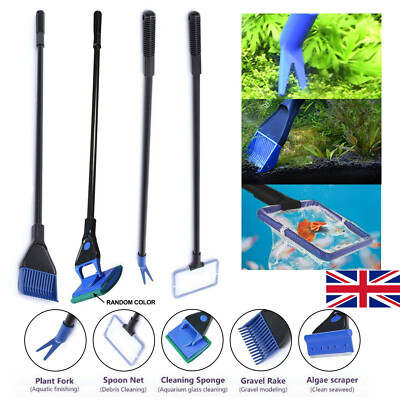
- Magnetic algae scrapers clean glass without getting hands wet
- Small brushes reach tight corners and decorations
- Gravel vacuums remove waste from the tank bottom
- Sponge scrubbers clean surfaces gently
- Water sifters help remove dirt without disturbing fish
Materials Suitable For Nano Tanks
Choose cleaning tools made from soft materials. Hard tools can scratch glass or acrylic tanks.
- Soft sponges or foam pads for gentle cleaning
- Plastic or silicone brushes to avoid scratching
- Non-abrasive magnetic scrapers for glass tanks
- Acrylic-safe tools for plastic tanks
- Use only aquarium-safe materials to protect fish

Credit: www.amazon.com
Essential Cleaning Gadgets
Keeping a nano tank clean is key for healthy fish and plants. Small tanks need careful tools to avoid damage.
Using the right gadgets helps you clean easily and keep the tank clear of dirt and algae.
Magnetic Algae Scrubbers
Magnetic algae scrubbers clean the inside glass without putting your hands in the water. One magnet goes inside the tank and the other outside.
You move the outside magnet to scrub algae off the glass. This tool saves time and keeps your hands dry.
Miniature Gravel Vacuums
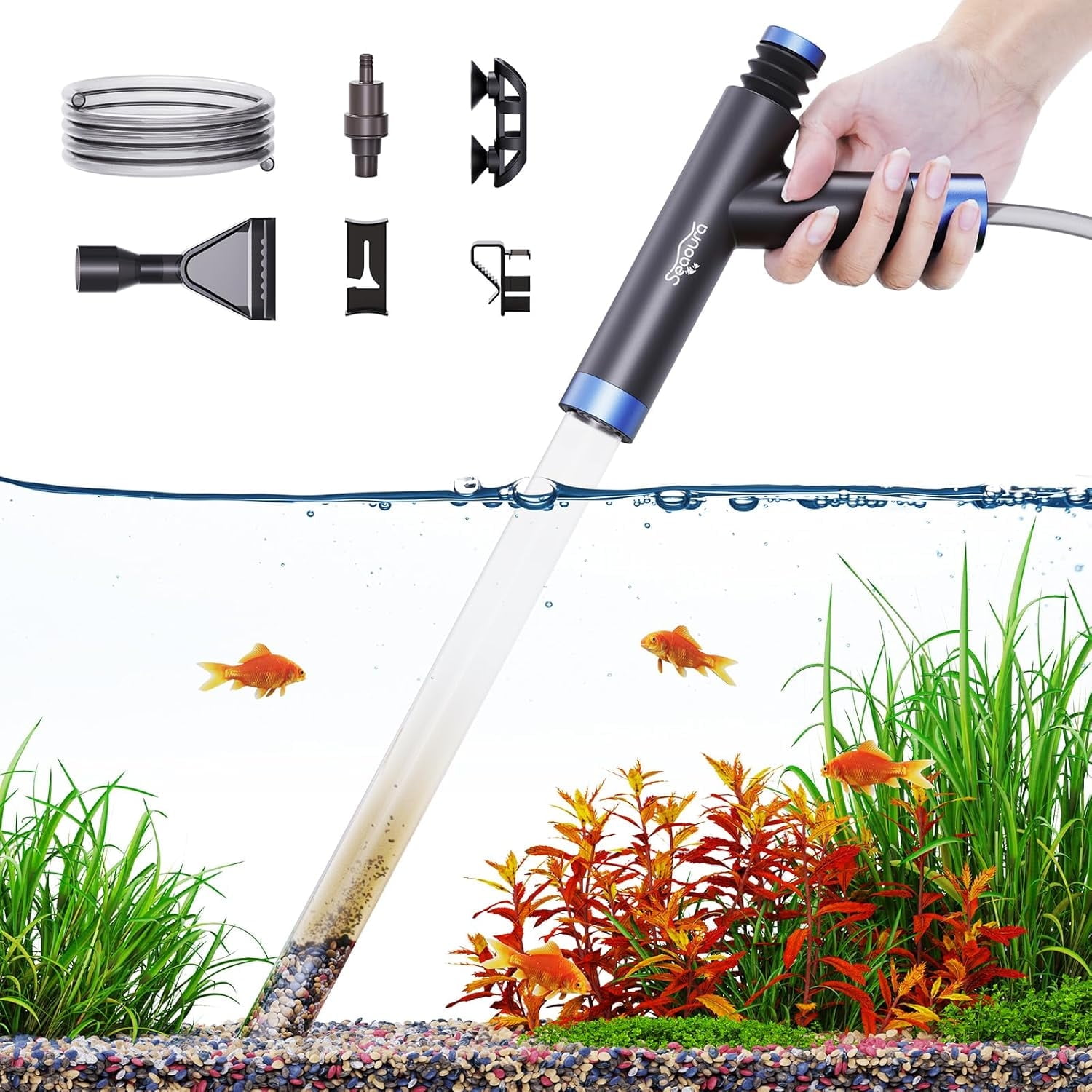
Miniature gravel vacuums clean the small gravel in nano tanks. They remove waste and leftover food from the gravel bed.
- Easy to handle for small spaces
- Prevents water cloudiness
- Helps maintain good water quality
- Fits well into tight corners
Soft-bristled Brushes
Soft-bristled brushes clean decorations and plants gently. They remove algae without harming delicate surfaces.
Use brushes with soft bristles to avoid scratching glass or disturbing fish.
Siphon Pumps
Siphon pumps help remove dirty water and debris quickly. They start water flow easily for fast cleaning.
| Feature | Benefit |
| Automatic start | No need to suck water manually |
| Compact size | Fits small tanks and spaces |
| Easy to clean | Maintains pump function |
| Durable material | Lasts long with regular use |
Maintaining Water Quality
Keeping water clean is key for healthy nano tanks. Clear water helps fish and plants stay healthy.
Using the right tools makes it easier to keep water safe and balanced.
Water Conditioners
Water conditioners remove harmful chemicals from tap water. They make water safe for fish and plants.
Conditioners often neutralize chlorine, chloramine, and heavy metals in the water.
- Remove chlorine and chloramine
- Neutralize heavy metals
- Protect fish gills and skin
- Help maintain a stable environment
Test Kits For Monitoring
Test kits check water parameters like pH, ammonia, and nitrites. These help track water quality.
Regular testing prevents problems before they harm tank life.
- Measure pH to keep water balanced
- Check ammonia levels to avoid toxicity
- Test nitrites and nitrates for safe conditions
- Monitor hardness and alkalinity
Credit: www.ebay.co.uk
Advanced Cleaning Accessories
Cleaning nano tanks requires special tools that reach small spaces. Advanced accessories help keep tanks safe and clear.
These tools make cleaning easier and protect delicate components in nano tanks. Two key types are ultrasonic and automatic cleaners.
Ultrasonic Cleaners
Ultrasonic cleaners use sound waves to clean tiny particles from tank parts. They work well for filters, decorations, and glass.
- Use high-frequency waves to remove dirt gently
- Reach areas that are hard to clean by hand
- Safe for fragile items inside nano tanks
- Require a cleaning solution for best results
Automatic Cleaners For Nano Tanks
Automatic cleaners clean tanks with minimal effort. They can scrub surfaces and remove algae without disturbing fish.
| Cleaner Type | Function | Best For |
| Magnetic Scrubber | Scrubs glass surfaces | Algae removal |
| Automatic Gravel Cleaner | Removes debris from gravel | Substrate cleaning |
| Water Changer | Automates water removal and refill | Tank maintenance |
Tips For Effective Cleaning
Keeping a nano tank clean helps fish and plants stay healthy. Regular cleaning stops dirt and algae build-up. It also keeps water clear and safe.
Using the right tools and methods makes cleaning easier. It also prevents stress to your tank’s small ecosystem.
Cleaning Frequency
Cleaning small tanks often is important. Dirt and waste build up quickly in nano tanks. This can harm fish and plants.
- Check water clarity twice a week.
- Change 10-20% of water weekly.
- Clean tank walls gently every week.
- Remove uneaten food daily.
- Clean filter monthly to keep it working well.
Preventing Damage To Delicate Plants And Fish
Delicate plants and fish need gentle care during cleaning. Rough handling can cause stress or injury. Use soft tools and avoid strong chemicals.
| Tip | Why It Helps |
| Use soft brushes or sponge | Prevents plant leaves from tearing |
| Clean plants by hand if needed | Protects fragile stems and leaves |
| Avoid sudden water changes | Reduces stress on fish |
| Use water conditioner when refilling | Removes harmful chemicals from tap water |
| Handle fish gently during water changes | Prevents injury and shock |
Credit: www.walmart.com
Frequently Asked Questions
What Are The Essential Tools For Cleaning Nano Tanks?
Essential tools include algae scrapers, small siphons, soft brushes, and nano-sized gravel vacuums. These tools ensure gentle, effective cleaning without harming delicate aquatic life or plants.
How Often Should You Clean A Nano Tank?
Clean your nano tank every 1-2 weeks. Regular partial water changes and substrate cleaning keep water quality stable and prevent algae buildup.
Can I Use Household Items For Nano Tank Cleaning?
Avoid household cleaners as they contain harmful chemicals. Use aquarium-specific tools and solutions designed for safe and effective nano tank maintenance.
What Is The Best Method To Remove Algae In Nano Tanks?
Use a soft algae scraper or magnetic cleaner. Regularly clean tank surfaces gently to prevent scratching and maintain a healthy environment.
Conclusion
Keeping your nano tank clean helps your fish stay healthy and happy. Use the right tools to make cleaning easier and faster. Small brushes, siphons, and tweezers work well for tight spaces. Regular cleaning prevents algae and dirt buildup. Clean tanks also show off your fish and plants better.
Take time each week to care for your tank. A little effort keeps your small aquarium looking great. Simple tools and steady care make a big difference.