
Keeping your aquarium clean can feel like a tough job, but it doesn’t have to be. You want your fish to live in a healthy, sparkling environment, and the right tools can make all the difference.
That’s where aquarium cleaning kits come in. These kits give you everything you need to keep your tank clear, your water fresh, and your fish happy. Ready to discover how simple and satisfying aquarium care can be? Keep reading, and you’ll find out exactly what to look for in a cleaning kit and how it can transform your fish-keeping experience.
Choosing The Right Kit
Cleaning your aquarium regularly keeps fish healthy and the water clear. Picking the right cleaning kit makes this task easier. Different kits suit different tank types and sizes.
This guide helps you find the best cleaning kit by looking at types, tools, and tank suitability.
Types Of Aquarium Cleaning Kits
There are several types of aquarium cleaning kits. Each type focuses on different cleaning needs. Some kits include magnetic cleaners, gravel vacuums, or algae scrapers.
- Magnetic Cleaners:Clean glass walls without putting your hand inside.
- Gravel Vacuums:Remove debris from the substrate.
- Algae Scrapers:Help remove algae build-up on tank surfaces.
- Water Change Kits:Include tools for partial water changes.
Essential Tools Included
| Tool | Purpose |
| Algae Scraper | Removes algae from glass or acrylic |
| Gravel Vacuum | Cleans debris from gravel or sand |
| Magnetic Cleaner | Allows easy cleaning of tank walls |
| Water Siphon | Helps with water changes |
| Brushes | Clean decorations and filters |
Good kits include a mix of these tools to cover all cleaning needs.
Suitability For Tank Sizes
Choose kits based on your tank size. Small tanks need compact tools. Large tanks require stronger, longer tools.
- Small tanks (under 20 gallons) need small scrapers and mini vacuums.
- Medium tanks (20 to 50 gallons) benefit from standard magnetic cleaners and gravel vacuums.
- Large tanks (over 50 gallons) need heavy-duty tools with longer reach.
Tools And Their Uses
A clean aquarium keeps fish healthy and looks nice. Using the right tools makes cleaning easier and safer.
This guide explains common aquarium cleaning tools and how to use them well.
Algae Scrapers And Pads
Algae scrapers remove algae from glass and plastic surfaces. Pads help scrub away stuck algae without scratching.
Use scrapers gently to avoid damaging the tank. Pads work well for small spots and corners.
- Long-handled scrapers reach deep areas
- Scraper blades come in plastic or metal
- Pads are soft or abrasive for different algae types
- Replace pads when worn out
Gravel Vacuums
Gravel vacuums clean dirt and waste from the tank bottom. They suck debris without removing gravel.
Use vacuums during water changes to keep the substrate clean. This helps keep water quality high.
- Choose vacuum size based on tank volume
- Some have manual siphon start, others are automatic
- Use gently to avoid disturbing fish
- Clean vacuum parts regularly
Magnetic Cleaners
Magnetic cleaners use two magnets to clean glass from inside and outside. You move the outside magnet to clean algae.
They are easy to use and reduce water spills. Choose a cleaner size that fits your tank glass thickness.
- Inside part has a cleaning pad
- Outside part controls movement
- Safe for glass and acrylic tanks
- Remove debris from pads after use
Water Conditioners And Testers
Water conditioners remove chlorine and harmful chemicals from tap water. They make water safe for fish.
Testers measure water quality like pH, ammonia, and nitrate levels. Regular tests prevent fish health problems.
- Use conditioner before adding new water
- Test water weekly or after cleaning
- Choose test kits with clear instructions
- Keep test tools clean and dry
Step-by-step Cleaning Process
Keeping your aquarium clean is important for fish health. Using an aquarium cleaning kit makes the job easier.
Follow these simple steps to clean your aquarium safely and effectively.
Preparing The Aquarium
Turn off all electrical devices connected to the aquarium. Remove decorations and plants carefully.
Gather your cleaning kit items like algae scrapers, buckets, and siphons. Make sure everything is clean and ready.
Cleaning The Glass
Use an algae scraper or magnetic cleaner to clean the inside glass walls. Move gently to avoid scratching the glass.
Clean the outside glass with a soft cloth and water. Avoid using chemicals that can harm fish.
Vacuuming The Substrate
Use a gravel vacuum to clean the substrate. Push the vacuum into the gravel to remove debris and waste.
Move slowly to avoid sucking up small fish or plants. Vacuum about 25-30% of the substrate each cleaning.
- Fill the vacuum tube with water before use
- Work in sections for thorough cleaning
- Dispose of dirty water safely
Changing And Treating Water
Remove about 20-30% of the aquarium water using a siphon or hose. Use a clean bucket for the water.
Add water conditioner to the new water before pouring it back. This removes harmful chemicals like chlorine.
- Match new water temperature to the tank
- Pour water slowly to avoid disturbing fish
- Check water parameters after refilling

Credit: www.amazon.com
Maintenance Tips
Keeping your aquarium clean is important for healthy fish and plants. A clean tank gives a better environment for aquatic life.
Using the right cleaning kits helps make maintenance easier. Here are some tips to keep your aquarium in top shape.
Frequency Of Cleaning
Clean your aquarium regularly to avoid dirt build-up. The frequency depends on tank size and fish count.
Small tanks may need cleaning once a week. Large tanks can be cleaned every two weeks.
- Check water clarity every few days
- Remove debris and uneaten food weekly
- Change 10-20% of water during cleaning
Preventing Algae Growth
Algae can make your tank look dirty and harm fish. Controlling light and nutrients helps reduce algae.
Use your cleaning kit to remove algae from glass and decorations. Avoid overfeeding fish to lower excess nutrients.
- Limit tank light to 8-10 hours daily
- Clean algae with scraper or sponge
- Do not overfeed fish
- Use live plants to compete with algae
Handling Fragile Plants And Fish
Some plants and fish are delicate. Use gentle tools and avoid sudden movements during cleaning.
Remove plants carefully to clean around roots. Use a soft net for small or shy fish to prevent stress.
- Use soft brushes for plants
- Clean slowly to avoid disturbing fish
- Keep water temperature stable during cleaning
- Use a small fish net for moving fish
Common Mistakes To Avoid
Cleaning your aquarium regularly is important for your fish’s health. But some common mistakes can harm your tank.
Learn which errors to avoid when using aquarium cleaning kits. This helps keep your aquatic pets safe and happy.
Overcleaning
Cleaning the aquarium too often removes beneficial bacteria. These bacteria help break down waste and keep water safe.
Overcleaning can stress fish and cause water quality to drop quickly. Clean only when needed, not daily.
- Limit water changes to 10-20% weekly or biweekly
- Clean decorations only if they have visible algae
- Use gentle tools to avoid disturbing the tank’s balance
Using Harmful Chemicals
Some cleaning products contain chemicals that are toxic to fish. Avoid using soaps, detergents, or disinfectants.
Always use products made for aquariums. Read labels carefully to protect your aquatic life.
- Never use household cleaners in the tank
- Choose aquarium-safe cleaning solutions only
- Rinse all tools well before use
Ignoring Equipment Maintenance
Ignoring filters and pumps reduces water quality. Dirty equipment cannot clean water properly.
Check and clean equipment regularly. Replace parts if they show wear or damage.
- Rinse filter media in tank water, not tap water
- Clean pump impellers to keep flow strong
- Inspect hoses and tubes for blockages or leaks
Diy Cleaning Kit Options
Aquarium cleaning kits can be costly. Making your own kit saves money. It can be fun, too. Let’s explore homemade options.
Learn about homemade algae scrapers, affordable alternatives, and safety tips. These ideas can help maintain a clean aquarium.
Homemade Algae Scrapers
Algae scrapers remove algae from aquarium glass. You can make them at home. Use a plastic card or an old toothbrush.
- Plastic cards: Safe for glass, gentle scraping.
- Old toothbrush: Scrubs hard-to-reach spots.
Affordable Alternatives
DIY kits can include household items. Save money using things you already have. Here are some ideas for affordable tools.
- Sponges: Use for general cleaning.
- Vinegar: Natural cleaner for tough stains.
- Net: Make one with a hanger and pantyhose.
Safety Considerations
Safety is crucial when cleaning aquariums. Avoid chemicals that harm fish. Ensure tools are fish-friendly.
Use gloves to protect hands. Rinse all tools before use. Keep fish safe during cleaning.
Top Brands And Reviews
Aquarium cleaning kits keep your fish tank clean. Many brands offer different tools and solutions. Picking the right one helps maintain a healthy environment for your fish.
Here we explore popular cleaning kits, customer feedback, and value for money. This guide will help you choose the best kit for your needs.
Popular Cleaning Kits
Some brands are well-known for their aquarium cleaning kits. They offer tools like gravel vacuums, scrubbers, and algae pads. These kits simplify cleaning tasks for fish owners.
- Tetra Cleaning Kit: Includes a gravel vacuum and algae scrubber.
- Fluval Cleaning Set: Comes with cleaning pads and a maintenance guide.
- Aqueon Aquarium Kit: Features a water changer and gravel cleaner.
Customer Feedback
Customer reviews help understand product quality. Many users share their experiences online. Positive feedback often highlights ease of use and effectiveness.
- Tetra: Customers praise the efficiency of the gravel vacuum.
- Fluval: Users like the durability of the cleaning pads.
- Aqueon: Owners appreciate the water changer’s convenience.
Value For Money
Value for money is a key factor when choosing a cleaning kit. Kits that last longer and include multiple tools offer better value. Consider price and tool variety before buying.
| Brand | Price Range | Included Tools |
| Tetra | $15-$30 | Gravel vacuum, scrubber |
| Fluval | $20-$40 | Cleaning pads, guide |
| Aqueon | $25-$50 | Water changer, gravel cleaner |
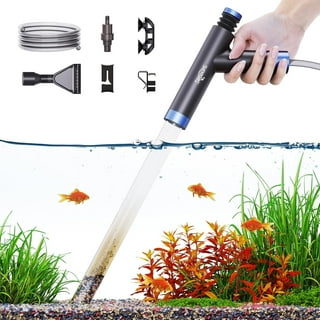
Credit: www.walmart.com

Credit: www.amazon.com
Frequently Asked Questions
What Is Included In A Typical Aquarium Cleaning Kit?
A standard aquarium cleaning kit usually includes a gravel vacuum, algae scraper, cleaning brush, and water conditioner. These tools help maintain water clarity and tank cleanliness effectively. Some kits also come with fish nets and siphons for easier debris removal and water changes.
How Often Should I Use An Aquarium Cleaning Kit?
Use your aquarium cleaning kit weekly to maintain a healthy tank environment. Regular cleaning prevents algae buildup and removes waste. Frequent cleaning keeps fish healthy and water clear, improving overall tank aesthetics and stability.
Can Aquarium Cleaning Kits Harm My Fish?
Properly used aquarium cleaning kits do not harm fish. Avoid harsh chemicals and clean gently to prevent stress. Using appropriate tools and techniques ensures a safe and clean habitat for your aquatic pets.
Are Aquarium Cleaning Kits Suitable For All Tank Sizes?
Most aquarium cleaning kits are versatile and fit various tank sizes. Some kits offer adjustable tools for small or large tanks. Always check the product details to ensure compatibility with your specific aquarium size.
Conclusion
Keeping your aquarium clean helps fish stay healthy and happy. Using the right cleaning kit makes the job easier and faster. Regular cleaning prevents algae and dirt buildup in the tank. It also keeps water clear and safe for your fish.
Choose tools that fit your tank size and needs. Simple care routines save time and reduce stress for you and your fish. Clean tanks look beautiful and create a calm home for aquatic life. Don’t forget: good cleaning habits protect your fish’s well-being.