
When it comes to your work, water quality can make all the difference. Whether you manage a facility, run a manufacturing plant, or oversee a municipal system, effective water treatment is key to keeping operations smooth and safe.
You need solutions that are reliable, efficient, and tailored to your unique challenges. This article will give you clear insights and practical tips to master water treatment like a true professional. Ready to take control of your water quality and boost your results?
Keep reading to discover what you need to know.

Credit: www.ecosoft.com
Water Contamination Sources
Water contamination affects health and the environment. It happens when harmful substances enter water bodies.
Understanding the main sources of contamination helps professionals treat water effectively.
Industrial Pollutants
Factories release waste like heavy metals and chemicals into water. These pollutants harm aquatic life and human health.
Common industrial pollutants include:
- Lead and mercury
- Oil and grease
- Acids and alkalis
- Radioactive substances
Agricultural Runoff
Farms use fertilizers and pesticides that wash into streams and rivers. This runoff causes water pollution.
| Source | Type of Contaminant | Impact |
| Fertilizers | Nitrates, Phosphates | Algae blooms, oxygen loss |
| Pesticides | Herbicides, Insecticides | Poison aquatic life |
| Animal Waste | Bacteria, Nutrients | Waterborne diseases |
Microbial Contaminants
Microbes like bacteria, viruses, and parasites enter water from sewage and animal waste. They cause illnesses.
Common microbial contaminants include:
- Escherichia coli (E. coli)
- Salmonella
- Giardia
- Cryptosporidium
Chemical Impurities
Chemicals from household products and industrial use can pollute water. These include solvents, detergents, and heavy metals.
| Chemical | Common Source | Effect on Water |
|---|---|---|
| Chlorine | Water treatment | Toxic by-products |
| Lead | Old pipes | Poisoning |
| Arsenic | Natural deposits | Cancer risk |
| Pharmaceuticals | Medicine disposal | Hormone disruption |

Credit: luxepurewater.com
Advanced Filtration Techniques
Water treatment professionals use advanced filtration to clean water effectively. These techniques remove harmful particles and improve water quality.
Different filtration methods fit different needs. Understanding each helps choose the best option for your project.
Membrane Filtration
Membrane filtration uses a thin barrier to separate particles from water. It removes bacteria, viruses, and solids.
This technique works by pressure pushing water through tiny pores. The size of pores controls what gets filtered out.
- Microfiltration removes large particles and some bacteria
- Ultrafiltration filters smaller particles and viruses
- Reverse osmosis blocks almost all contaminants
Activated Carbon Filters
Activated carbon filters use carbon to trap chemicals and impurities. They improve taste and remove odors from water.
The carbon surface attracts contaminants like chlorine and organic compounds. This makes water safer and cleaner.
- Used to remove chlorine and chloramine
- Effective against pesticides and solvents
- Helps reduce bad taste and smell
Ultrafiltration Methods
Ultrafiltration uses membranes with very small pores. It removes bacteria, viruses, and suspended solids.
This method works without chemicals. It keeps water clear and safe for use in many industries.
- Filters particles as small as 0.01 microns
- Operates at low pressure
- Common in food and beverage processing
Nanofiltration Applications
Nanofiltration uses membranes to remove small molecules and divalent ions. It softens water and reduces organic matter.
This filtration helps lower hardness in water. It also reduces color and improves taste for many uses.
- Removes calcium and magnesium
- Reduces pesticides and viruses
- Used in water softening and wastewater treatment
Chemical Treatment Methods
Chemical treatment methods are essential for water treatment in professional settings. They help remove impurities and make water safe for use.
These methods use chemicals to change water properties. Each method targets specific contaminants or water qualities.
Coagulation And Flocculation
Coagulation and flocculation help remove suspended particles from water. Chemicals called coagulants cause particles to clump together.
- Coagulation uses chemicals like alum or iron salts.
- Flocculation gently mixes water to form larger clumps.
- These clumps settle at the bottom for easy removal.
- The process improves water clarity and reduces turbidity.
Disinfection Processes
Disinfection kills harmful bacteria and viruses in water. Common chemicals include chlorine and ozone.
| Disinfectant | Effect |
| Chlorine | Destroys bacteria and viruses |
| Ozone | Strong oxidizer for organic matter |
| UV Light | Non-chemical method that inactivates microbes |
Ph Adjustment
Adjusting pH balances water acidity or alkalinity. Chemicals like lime or sulfuric acid change the pH level.
Proper pH helps protect pipes and improves other treatment steps. It also controls chemical reactions in water.
Oxidation Techniques
Oxidation breaks down pollutants and removes harmful substances. Common oxidants include chlorine, ozone, and potassium permanganate.
Common oxidation reactions in water treatment:
- Chlorine converts iron and manganese to solid particles.
- Ozone breaks down organic contaminants.
- Potassium permanganate removes taste and odor compounds.
Biological Treatment Approaches
Biological treatment approaches are essential in water treatment as they utilize living organisms to remove contaminants. These methods are effective in treating wastewater and industrial effluent.
Bioreactors And Biofilters
Bioreactors and biofilters are types of bioreactors that use microorganisms to break down contaminants in water. They are commonly used in wastewater treatment plants to remove organic matter and nutrients.
Bioreactors operate under controlled conditions, allowing microorganisms to thrive and break down contaminants. Biofilters, on the other hand, use a porous medium to support microbial growth and facilitate contaminant removal.
Constructed Wetlands
Constructed wetlands are artificial ecosystems designed to mimic natural wetlands. They use plants and microorganisms to remove contaminants from water, making them a popular choice for wastewater treatment.
Constructed wetlands are effective in removing nutrients, organic matter, and other contaminants from water. They also provide habitat for aquatic life and can help mitigate the effects of climate change.
Microbial Degradation
Microbial degradation is a biological treatment approach that uses microorganisms to break down contaminants in water. It is commonly used in wastewater treatment plants to remove organic matter and other pollutants.
- Microorganisms break down contaminants into simpler compounds
- Effective in removing organic matter and nutrients
- Can be used in combination with other treatment methods
Sludge Management
Sludge management is an essential aspect of biological treatment approaches. It involves the handling and disposal of excess sludge produced during treatment, which can be hazardous to the environment if not managed properly.
Effective sludge management involves treating excess sludge to remove pathogens and other contaminants. It also requires proper disposal methods to prevent environmental harm.
Water Quality Monitoring
Water quality monitoring is a crucial process for professionals working in the water treatment industry. It involves collecting and analyzing data on the physical, chemical, and biological properties of water to ensure it meets the required standards for safe consumption and use.
Sampling Strategies
Sampling strategies play a vital role in water quality monitoring. The choice of sampling location, time, and frequency is critical to obtaining accurate and representative data.
- Random sampling: Collect water samples at random intervals and locations to ensure a representative sample.
- Grab sampling: Collect water samples at a specific point in time to capture a snapshot of the water quality.
- Composite sampling: Collect water samples over a period of time to average out the water quality.
Analytical Testing Tools
Analytical testing tools are used to analyze the physical, chemical, and biological properties of water. These tools include spectrophotometers, pH meters, and turbidity meters.
| Tool | Description |
|---|---|
| Spectrophotometer | Used to measure the concentration of dissolved solids in water. |
| pH Meter | Used to measure the pH level of water. |
| Turbidity Meter | Used to measure the clarity of water. |
Real-time Monitoring Systems
Real-time monitoring systems provide continuous monitoring of water quality parameters. These systems use sensors and data loggers to collect and transmit data in real-time.
Real-time monitoring systems are useful for detecting changes in water quality and alerting operators to take corrective action.
Data Interpretation
Data interpretation is a critical step in water quality monitoring. It involves analyzing the data collected from sampling and testing to identify trends and patterns.
Data interpretation helps professionals identify areas for improvement and make informed decisions about water treatment processes.
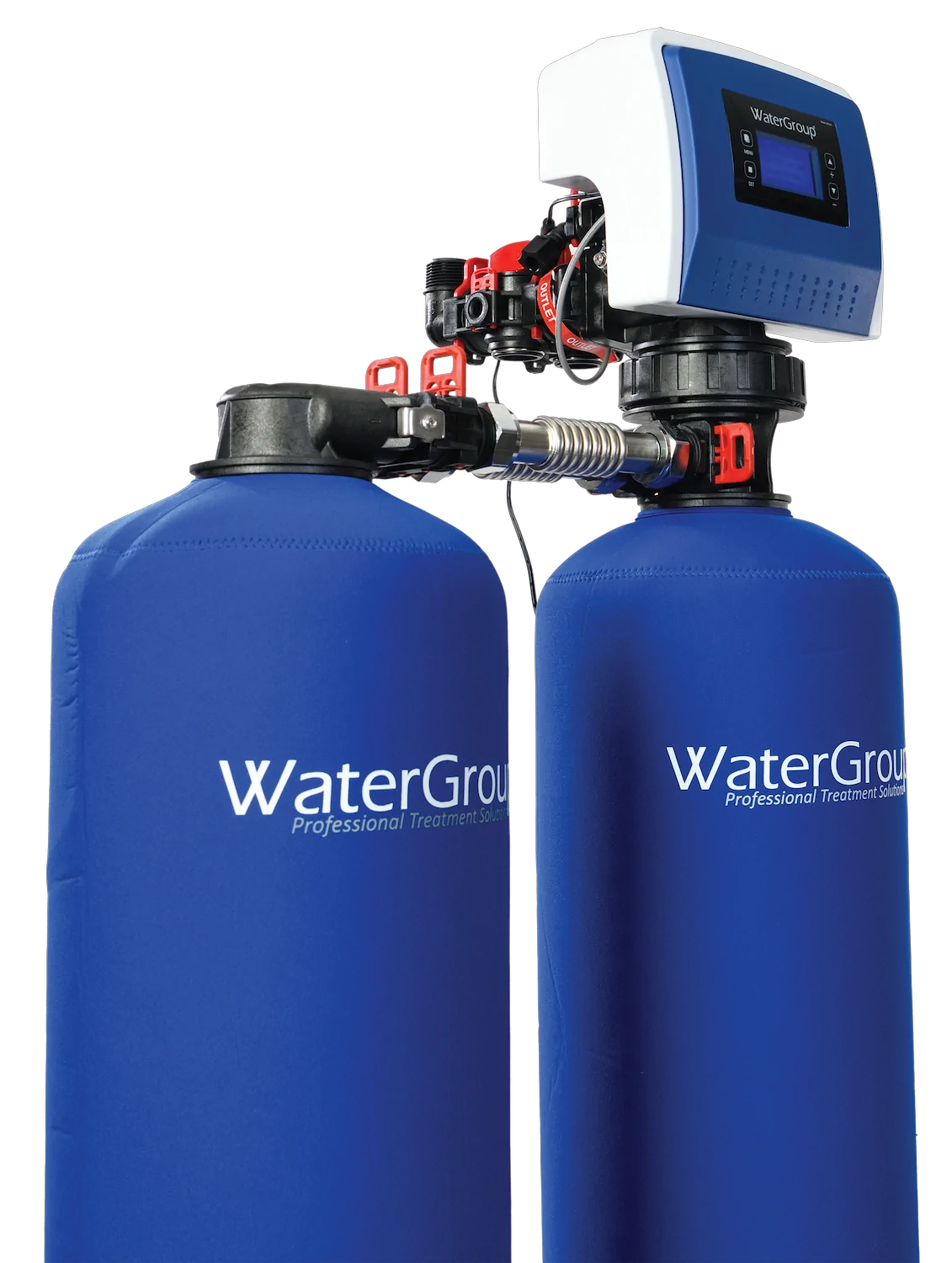
Credit: watergroup.com
Regulatory Standards And Compliance
Water treatment professionals must follow rules to ensure safe water. These rules protect public health and the environment.
Understanding standards helps companies meet legal demands and improve water quality.
Local And International Guidelines
Local guidelines vary by country or region. They set limits on water pollutants and treatment methods.
International guidelines offer common standards for water safety. They help countries align their water treatment practices.
- Local rules control water quality in specific areas
- International rules cover wide health and safety standards
- Both guide water treatment processes and testing
Certification Processes
Certification proves that water treatment systems meet standards. It builds trust with customers and regulators.
Certifications often require inspections, testing, and documentation before approval.
- Submit water treatment system for review
- Pass tests for contaminant removal
- Maintain records for ongoing compliance
- Renew certification regularly
Reporting Requirements
Water treatment companies must report their water quality data. This ensures transparency and accountability.
Reports usually include testing results, system performance, and any incidents.
- Regular water quality test results
- Maintenance and repair logs
- Incident and violation reports
- Compliance certificates
Sustainability Practices
Sustainability focuses on reducing water waste and energy use. It protects resources for future generations.
Water treatment professionals use eco-friendly methods and materials to lower environmental impact.
- Use energy-efficient treatment technologies
- Recycle and reuse treated water
- Minimize chemical use and waste
- Monitor environmental impact regularly
Innovations In Water Treatment
Water treatment is essential for clean and safe water. New technologies help improve water quality and save energy.
These innovations make water treatment faster, cheaper, and more reliable for professionals in the field.
Smart Technologies
Smart technologies use sensors and data to monitor water systems. They detect changes in water quality in real time.
This helps operators fix problems before they get worse. Smart meters and IoT devices give better control over treatment processes.
- Real-time water quality monitoring
- Remote system control
- Data-driven decision making
Energy-efficient Solutions
Energy use is a big cost in water treatment. New methods reduce energy while keeping water clean.
Techniques like membrane filtration and LED UV lights use less power. They help plants save money and reduce carbon footprints.
- Low-energy filtration systems
- LED UV disinfection
- Renewable energy integration
Automation And Control
Automation uses machines to run treatment steps without constant human help. It improves accuracy and speed.
Control systems adjust chemical dosing and flow rates automatically. This keeps water quality steady and reduces waste.
- Automatic chemical dosing
- Flow and pressure control
- Alarm and alert systems
Emerging Materials
New materials help clean water better. Advanced membranes and filters remove smaller particles and contaminants.
Materials like graphene and bio-based polymers show promise. They offer higher strength and better chemical resistance.
- Graphene membranes for fine filtration
- Bio-based polymers for durability
- Nanomaterials to remove pollutants
Case Studies And Applications
Water treatment is vital for safe water in many settings. Professionals use various methods for clean water.
This content reviews real examples and uses in water treatment across different sectors.
Municipal Water Systems
City water systems treat large volumes to supply residents with clean water. They use filtration and disinfection techniques.
One case involved upgrading a city plant to reduce contaminants. This improved water quality and met regulations.
Industrial Water Treatment
Industries treat water to protect equipment and meet discharge laws. Treatment depends on the industry’s water use.
- Cooling water treatment to prevent scale
- Wastewater treatment to remove chemicals
- Process water purification for product quality
Rural And Remote Solutions
Remote areas often lack large water systems. Portable and simple treatment units help provide safe water.
| Location | Method | Result |
|---|---|---|
| Mountain village | UV disinfection | Reduced waterborne illness |
| Desert community | Sand filtration | Clearer water with fewer particles |
| Island settlement | Reverse osmosis | Lower salt content in water |
Emergency And Disaster Response
Disasters can damage water supplies. Quick treatment restores safe drinking water fast.
Emergency water treatment includes:
- Mobile filtration units
- Chlorine tablets for disinfection
- Water testing kits for safety checks
- Temporary storage tanks
Frequently Asked Questions
What Are The Main Types Of Water Treatment Methods?
Water treatment methods include filtration, chemical dosing, sedimentation, and disinfection. Professionals select methods based on water quality and usage needs. Each technique targets specific contaminants to ensure safe, clean water for industrial or municipal applications.
How Do Professionals Test Water Quality Effectively?
Professionals use tests like pH measurement, turbidity, microbial analysis, and chemical assays. Regular testing ensures compliance with safety standards and identifies contaminants. Accurate water testing guides treatment decisions for optimal purification and resource management.
Why Is Water Treatment Crucial For Industrial Operations?
Water treatment prevents equipment damage, ensures product quality, and meets regulatory standards. Untreated water can cause corrosion, scaling, and contamination, leading to costly downtime. Effective treatment safeguards operations and promotes sustainability.
What Role Does Filtration Play In Water Treatment?
Filtration removes suspended solids, sediments, and some microorganisms from water. It is a critical step before chemical treatment or disinfection. Proper filtration enhances water clarity and protects downstream equipment and processes.
Conclusion
Effective water treatment ensures clean and safe water for all uses. Professionals play a key role in maintaining quality and health standards. Choosing the right methods improves efficiency and reduces costs. Regular testing helps detect problems early and keeps systems running well.
Staying updated with new techniques benefits both workers and communities. Water treatment is essential for a healthier environment and better daily life. Keep learning and applying good practices to achieve the best results.