
Are you worried about the quality of your water? Knowing how to treat your water properly can protect your health and save you money.
This guide is made just for you—simple, clear, and packed with practical tips. By the end, you’ll feel confident about choosing the right water treatment methods for your home. Keep reading, and discover how easy it is to enjoy clean, safe water every day.
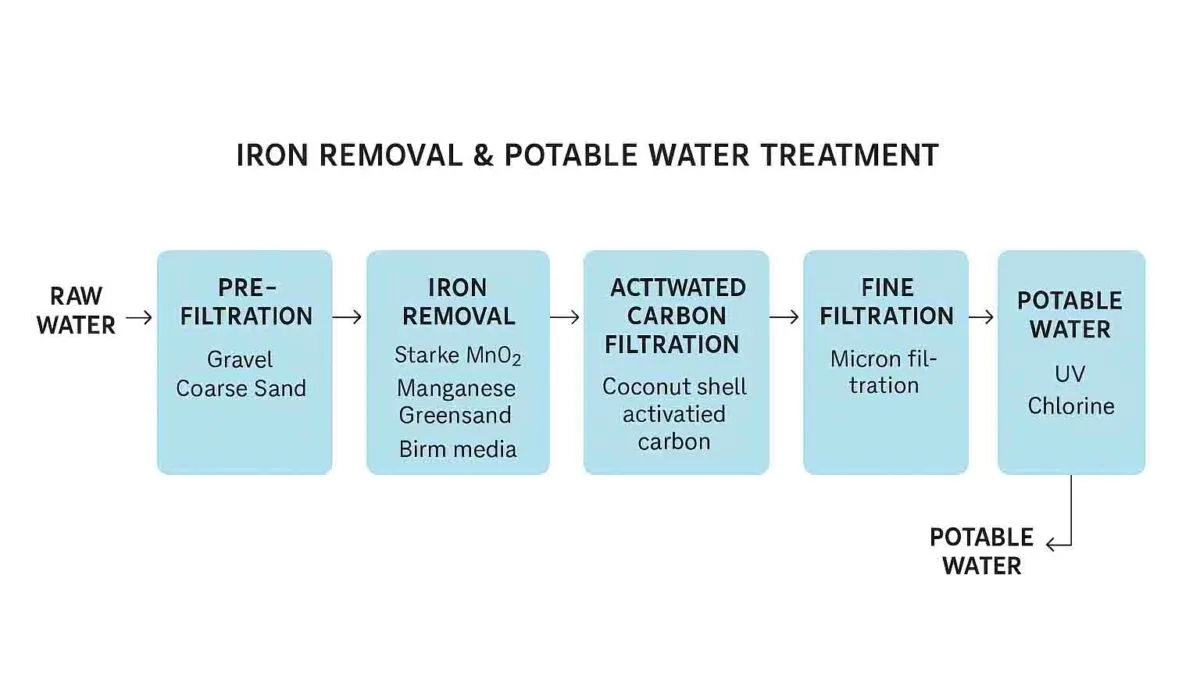
Credit: www.starkefiltermedia.com
Water Contaminants To Watch
Water can contain many harmful substances that affect health. Knowing common contaminants helps you choose the right treatment.
Some pollutants are chemicals, others are tiny living things or physical particles. Each type needs different methods to remove.
Common Chemical Pollutants
Chemical pollutants come from factories, farms, and households. They can cause serious health problems if not removed.
- Lead: Found in old pipes; damages the brain and kidneys.
- Arsenic: Comes from natural sources and industry; can cause cancer.
- Nitrates: From fertilizers; affect blood’s ability to carry oxygen.
- Chlorine: Used to disinfect water but may cause taste and odor issues.
- Fluoride: Added for dental health but too much can harm bones.
Biological Contaminants
Living organisms can pollute water and cause infections. They include bacteria, viruses, and parasites.
| Type | Source | Health Effects |
| Bacteria | Human and animal waste | Diarrhea, stomach pain |
| Viruses | Contaminated water and sewage | Fever, nausea, hepatitis |
| Parasites | Contaminated water, food | Intestinal illness |
Physical Impurities
Physical impurities are particles that make water cloudy or dirty. They do not usually cause illness but affect water quality.
- Sand and dirt
- Rust from pipes
- Organic material like leaves

Credit: www.amazon.com
Basic Water Testing Methods
Testing water is important to know if it is safe to drink. It helps find harmful substances and pollution.
There are simple ways to test water at home and more detailed options in labs. Understanding results helps keep water clean.
Home Testing Kits
Home testing kits are easy to use and give quick results. They check common problems like bacteria, pH, and chemicals.
Kits usually have test strips or small devices. You dip them in water and compare colors to a chart.
- Test for chlorine, nitrate, and hardness
- Check water acidity with pH strips
- Detect bacteria using simple test tubes
- Affordable and available in stores
Laboratory Testing Options
Laboratory testing is more accurate and can find many substances. You send a water sample to a lab for detailed analysis.
Labs test for metals, pesticides, bacteria, and other pollutants. Results show exact levels of each substance.
- Detect heavy metals like lead and arsenic
- Measure bacteria types and amounts
- Check for pesticides and chemicals
- Used for well water and public supplies
Interpreting Test Results
Test results show if water is safe or needs treatment. Compare numbers to safe limits set by health groups.
High levels of some substances mean you should clean or filter your water. Low levels are usually safe.
| Substance | Safe Limit | Meaning of High Level |
|---|---|---|
| Bacteria | 0 CFU/100ml | Water may cause illness |
| Lead | 15 ppb | Can damage health over time |
| Nitrate | 10 ppm | Harmful for babies and pregnant women |
| pH | 6.5 – 8.5 | Too low or high affects taste and pipes |
Popular Filtration Techniques
Water treatment is important for clean and safe water. Many filtration techniques exist to remove impurities.
This guide explains popular methods for beginners. Learn about each to decide what suits your needs.
Activated Carbon Filters
Activated carbon filters use charcoal to remove contaminants. They are great for improving taste and odor.
The filters trap chemicals and impurities in their porous surface. They are often used in homes and portable water bottles.
- Removes chlorine taste
- Reduces volatile organic compounds (VOCs)
- Does not remove minerals
Reverse Osmosis Systems
Reverse osmosis systems push water through a semi-permeable membrane. This removes many types of contaminants.
The process is effective for removing dissolved solids and heavy metals. It is widely used for drinking and cooking water.
| Pros | Cons |
| High contaminant removal | Slow filtration process |
| Improves taste | Wastes some water |
Uv Purification
UV purification uses ultraviolet light to kill bacteria and viruses. It does not add chemicals or flavors.
This method is ideal for disinfecting water, ensuring it is safe to drink. It works quickly and is environmentally friendly.
- Destroys harmful microorganisms
- Requires electricity
- Does not remove particles
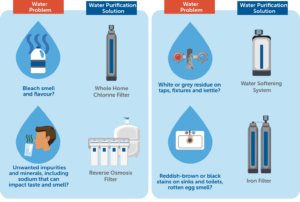
Credit: reliancehomecomfort.com
Diy Water Treatment Tips
Clean water is important for health. You can treat water yourself at home. These easy tips help remove germs and dirt.
Try safe ways to make water drinkable. Some methods use heat, sunlight, or simple tools you already have.
Boiling And Solar Disinfection
Boiling water kills most germs. Let water boil for at least one minute. This method works well for cloudy or clear water.
Solar disinfection uses sunlight to clean water. Fill clear plastic bottles with water. Leave them in the sun for six hours. The sun’s rays kill bacteria and viruses.
- Boil water for one minute to kill germs.
- Use clear bottles for solar disinfection.
- Place bottles in direct sunlight for six hours.
- Use solar disinfection only if water is clear.
Using Household Chemicals Safely
Some chemicals can clean water. Use them carefully and follow instructions. Only use safe products like chlorine or iodine.
| Chemical | Amount per Liter | Wait Time |
| Liquid Chlorine (5%) | 2 drops | 30 minutes |
| Household Iodine | 5 drops | 30 minutes |
| Water Purification Tablets | Follow package | 30 minutes |
Do not use bleach or chemicals not meant for water. Keep chemicals away from children.
Simple Sedimentation Methods
Sedimentation lets dirt settle at the bottom. Pour water into a container. Wait one to two hours. Clear water on top is safer to use.
- Use a clean container for sedimentation.
- Pour water gently to avoid mixing dirt again.
- Combine sedimentation with boiling or chemicals for best results.
Maintaining Your Water System
Keeping your water system in good shape is important. Regular care helps your system work well.
Simple maintenance can prevent problems and keep your water clean and safe.
Cleaning And Replacing Filters
Filters catch dirt and impurities in your water. They need cleaning or replacing often.
Check the filter every month. Clean or change it if you see buildup or reduced water flow.
- Remove the filter carefully before cleaning
- Rinse with clean water to remove dirt
- Replace filters that are worn out or damaged
- Follow the manufacturer’s advice for filter types
Regular Water Quality Checks
Test your water regularly to check its quality. This helps spot problems early.
Use simple test kits to measure pH, hardness, and contaminants. Keep records of your results.
- Test water every 3 months or as needed
- Look for changes in taste, smell, or color
- Use test kits suitable for your water source
- Take action if tests show unsafe levels
Avoiding Common Mistakes
Some mistakes can harm your water system. Avoid skipping maintenance or using wrong parts.
Do not ignore signs like leaks or low water pressure. Fix small problems before they grow.
- Do not forget regular filter cleaning or changes
- Avoid using unapproved filters or chemicals
- Do not ignore unusual water taste or color
- Keep your system dry and clean to prevent damage
Choosing The Right Equipment
Choosing the right water treatment equipment is key for clean water. The right choice depends on your water source and needs.
Good equipment saves money and works well for your water type. Learn how to pick the best tools for your home or business.
Matching System To Water Source
Different water sources have different problems. You must match your system to the water’s needs for best results.
Test your water first. This helps find what is in the water and what you must remove.
- Well water may have iron, sulfur, or bacteria
- City water often needs filters for chlorine or chemicals
- Surface water can contain dirt, algae, or germs
Budget-friendly Options
Water treatment can be costly, but there are affordable choices. Pick options that fit your budget and needs.
Some equipment costs less upfront but may need more care later. Think about total cost, not just price.
- Basic carbon filters work for taste and odor
- Simple sediment filters remove dirt and sand
- DIY kits can lower costs for small needs
Energy And Maintenance Considerations
Some water systems use more energy or need more upkeep. Choose systems that fit your lifestyle and power availability.
Look for equipment that is easy to clean and has low energy use. This saves money and time over years.
- Electric reverse osmosis systems use more power
- Gravity filters need no electricity but need regular cleaning
- Check how often filters or parts must be changed
Frequently Asked Questions
What Is Water Treatment And Why Is It Important?
Water treatment is the process of removing impurities from water. It ensures safe drinking water and protects health. Proper treatment prevents waterborne diseases and improves taste and odor. It is essential for homes, industries, and environmental safety.
How Do Basic Water Treatment Methods Work?
Basic methods like filtration, sedimentation, and chlorination remove contaminants. Filtration traps particles, sedimentation allows solids to settle, and chlorination kills bacteria. These processes improve water quality and make it safe for use. They are simple and effective for beginners.
What Equipment Is Needed For Home Water Treatment?
Common equipment includes filters, UV purifiers, and water softeners. Filters remove sediments and chlorine. UV purifiers kill microorganisms. Softeners reduce hardness by removing minerals. Choosing the right equipment depends on water quality and household needs.
How Often Should Water Treatment Systems Be Maintained?
Maintenance depends on system type and usage but generally every 6 to 12 months. Regular checks ensure filters and parts work properly. Timely maintenance prevents contamination and extends system life. Always follow manufacturer guidelines for best results.
Conclusion
Water treatment is important for clean and safe water. You can choose simple methods to improve water quality. Testing your water helps find the best treatment option. Regular maintenance keeps your system working well. Clean water protects your health and home.
Start small, learn step by step. Clear water brings peace of mind. Keep your water fresh and healthy every day.