
Are you struggling with algae taking over your water systems? Whether it’s your pond, pool, or industrial water supply, algae can cause serious problems.
It clogs filters, creates unpleasant odors, and can even harm aquatic life or damage equipment. But what if you could keep your water clear and clean without constant hassle? This article will show you simple and effective water treatment methods for algae control.
You’ll learn how to protect your water and save time and money in the process. Keep reading to discover solutions that work for you.
Causes Of Algae Growth
Algae growth in water is a common problem. It can harm water quality and aquatic life.
Understanding what causes algae to grow helps control it better. Several factors play a role.
Nutrient Sources
Algae need nutrients to grow. The main nutrients are nitrogen and phosphorus.
These nutrients come from many places like fertilizers, sewage, and decaying plants.
- Fertilizer runoff from farms and gardens
- Wastewater from homes and industries
- Leaves and dead plants in water
Environmental Factors
Light and water movement affect algae growth. Algae need sunlight to make food.
Still water allows algae to stay near the surface and get more light.
- Sunlight helps algae photosynthesize
- Calm water keeps algae near the surface
- Clear water lets light pass through easily
Water Temperature Effects
Warm water speeds up algae growth. Most algae grow faster in summer.
Cold water slows algae growth but does not stop it completely.
- Higher temperatures increase algae reproduction
- Warm seasons show more algae blooms
- Cold seasons reduce algae growth rates

Credit: www.sensorytoywarehouse.com
Physical Treatment Methods
Physical treatment methods help control algae by removing or stopping its growth. These methods do not use chemicals.
They rely on physical actions like filtering, light exposure, or moving water to reduce algae problems.
Filtration Techniques
Filtration removes algae particles from water by passing it through screens or filters. This stops algae from spreading.
Filters come in different types such as sand filters, cartridge filters, and membrane filters. Each type catches algae differently.
- Sand filters trap large algae clumps and debris
- Cartridge filters capture smaller algae particles
- Membrane filters remove microscopic algae and impurities
Ultraviolet Light Application
Ultraviolet (UV) light kills algae by damaging its cells. Water passes through a UV light chamber to get treated.
UV light stops algae from growing without adding chemicals. It is safe and effective for clear water systems.
- UV light breaks algae cell DNA
- Prevents algae from multiplying
- Works well in fish tanks and ponds
Aeration And Circulation
Aeration adds oxygen to water and moves it around. This helps stop algae from settling and growing.
Circulation keeps water flowing, which reduces algae buildup on surfaces. It also supports healthy aquatic life.
- Increases oxygen for good bacteria
- Prevents stagnant water where algae thrive
- Improves water clarity by mixing layers
Chemical Treatment Options
Chemical treatment is a common way to control algae in water. It uses special chemicals called algaecides to stop algae growth.
This method helps keep water clear and safe for use in ponds, pools, and water systems.
Algaecides And Their Types
Algaecides are chemicals made to kill or stop algae. They come in different types depending on how they work.
The main types include copper-based, peroxide-based, and synthetic organic algaecides.
- Copper-based algaecides:Use copper ions to kill algae cells.
- Peroxide-based algaecides:Release oxygen that breaks down algae quickly.
- Synthetic organic algaecides:Target algae’s cell functions to stop growth.
Safe Dosage Guidelines
Using the right amount of algaecide is important. Too little may not work, and too much can harm other plants and animals.
Always follow the product label instructions for safe dosage. Dosage can depend on water volume, algae type, and water conditions.
- Measure water volume accurately before treatment.
- Use recommended dosage based on algae severity.
- Apply treatments evenly across the water surface.
- Repeat treatment only as directed to avoid buildup.
Potential Risks And Precautions
Chemical algaecides can harm fish, plants, and beneficial microbes if misused. Some chemicals may also pollute water sources.
Wear protective gear when handling chemicals. Keep children and pets away from treated water until it is safe.
- Check local regulations before applying chemicals.
- Do not mix different algaecides without advice.
- Store chemicals in a safe, dry place away from sunlight.
- Dispose of leftover chemicals properly to avoid pollution.
Credit: lesliespool.com
Biological Control Approaches
Biological control uses natural methods to reduce algae growth. It helps keep water clean and healthy without harsh chemicals.
This approach relies on living organisms and ecological balance to limit algae. It is safe and supports the environment.
Use Of Algae-eating Organisms
Some animals eat algae and can control its growth in ponds and tanks. Fish and snails are common algae-eaters.
- Tilapia fish consume large amounts of algae
- Amano shrimp help clean algae from surfaces
- Apple snails graze on algae in freshwater
- Freshwater mussels filter algae from water
Beneficial Bacteria Introduction
Beneficial bacteria break down waste and compete with algae for nutrients. Adding these bacteria can reduce algae growth.
| Type of Bacteria | Function | Effect on Algae |
| Nitrosomonas | Converts ammonia | Limits algae food |
| Nitrobacter | Converts nitrites | Improves water quality |
| Probiotic blends | Enhance nutrient cycling | Suppress algae growth |
Natural Competition Strategies
Algae need light and nutrients to grow. Other plants and microorganisms can compete with algae for these resources.
- Planting aquatic plants reduces light available to algae
- Adding floating plants blocks sunlight on water surface
- Encouraging growth of beneficial microbes uses nutrients first
- Maintaining balanced water pH limits algae growth
Preventive Maintenance Practices
Proper water treatment helps control algae growth in ponds and tanks. Preventive maintenance keeps water clean and safe. Regular checks and cleaning stop algae before it spreads.
Following simple steps can improve water quality and reduce algae problems. This guide covers key practices for maintaining your water system.
Regular Water Quality Testing
Testing water quality helps detect early signs of algae growth. Check factors like pH, oxygen levels, and temperature often. This data guides treatment decisions.
- Test pH levels weekly to keep water balanced.
- Measure dissolved oxygen to ensure healthy conditions.
- Check temperature changes that affect algae growth.
- Monitor nutrient levels that feed algae.
Nutrient Load Reduction
Algae thrive on excess nutrients like nitrogen and phosphorus. Reducing these nutrients limits algae growth. Use these methods to control nutrient levels:
- Limit fertilizer use near water bodies.
- Install buffer zones with plants to absorb runoff.
- Use sediment traps to capture nutrient-rich soil.
- Manage animal waste to prevent nutrient leaks.
System Cleaning And Upkeep
Clean water systems regularly to remove algae and debris. Proper upkeep prevents algae build-up and keeps water flowing smoothly.
| Cleaning Task | Frequency | Purpose |
| Remove floating algae | Weekly | Prevent spread and block sunlight |
| Clean filters and screens | Monthly | Keep water clear and flow steady |
| Inspect pumps and pipes | Quarterly | Ensure proper circulation |
| Drain and scrub tanks | Annually | Remove settled algae and sludge |
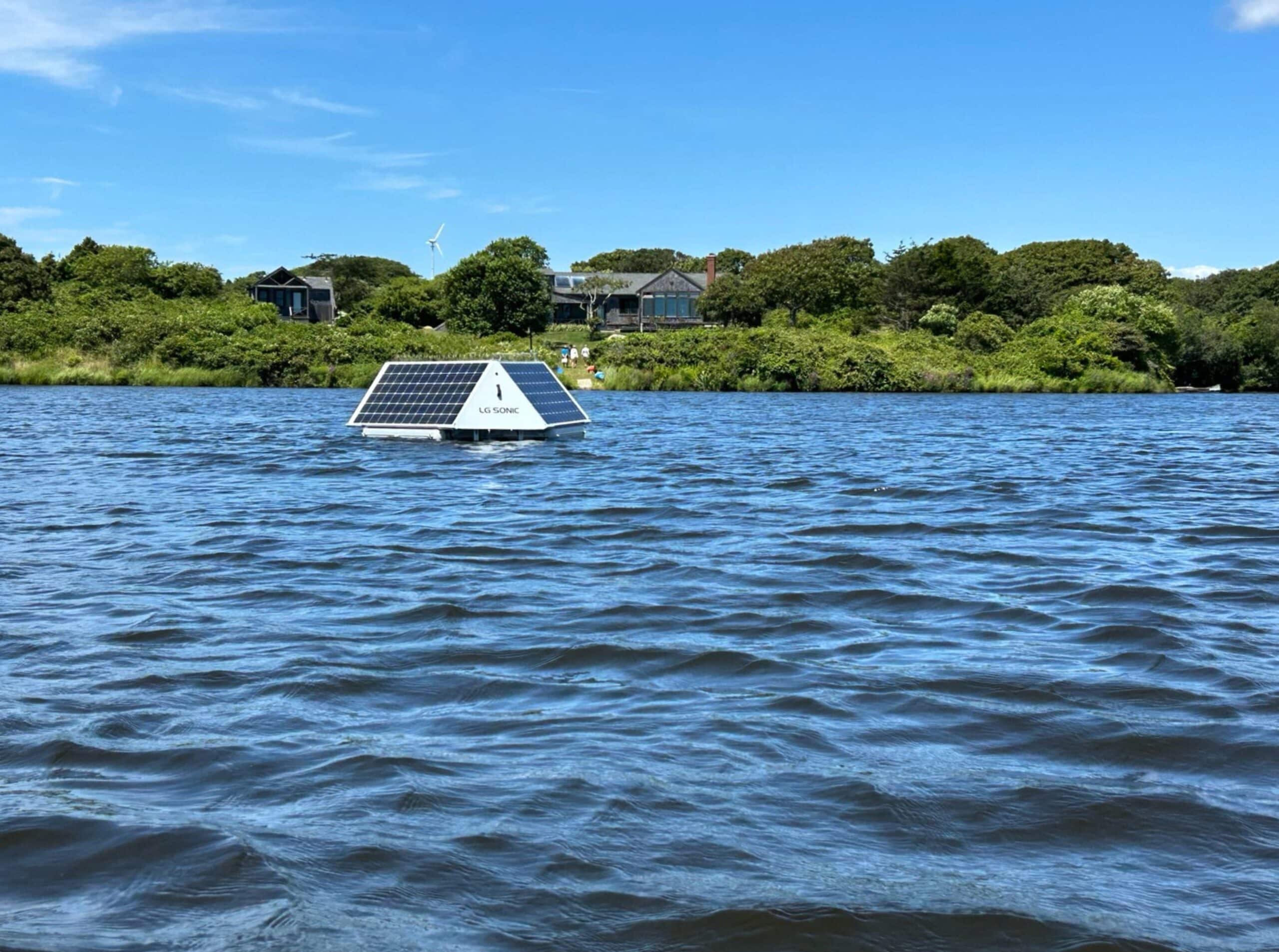
Credit: www.lgsonic.com
Case Studies And Success Stories
Water treatment for algae control is vital in various sectors. Here, we share real-world examples and success stories. Learn how effective strategies have been implemented across different environments.
These case studies highlight the diverse applications and outcomes of algae management. From industrial settings to residential water systems, discover the impact of innovative solutions.
Industrial Water Treatment Examples
Industrial facilities often face challenges with algae in their water systems. By implementing targeted treatments, many have seen significant improvements.
- A chemical plant reduced algae by 80% using a new filtration method.
- A manufacturing site improved water clarity by installing UV treatment.
- Another plant decreased maintenance costs by adopting biological solutions.
Aquaculture Algae Management
Managing algae in aquaculture ensures healthy aquatic environments. Here are some successful techniques used by fish farms and hatcheries.
Custom HTML: Effective algae management is crucial for maintaining water quality and supporting aquatic life.
Residential Water Systems
Algae can also impact residential water systems. Homeowners have successfully implemented various strategies to tackle this issue.
| Solution | Effectiveness |
| Carbon Filters | High |
| Chlorine Tablets | Moderate |
| Regular Cleaning | High |
Frequently Asked Questions
What Is The Best Water Treatment For Algae Control?
The best water treatment for algae control combines filtration, chemical algaecides, and UV sterilization. Regular maintenance prevents algae growth effectively.
How Does Uv Light Help In Algae Control?
UV light kills algae cells by damaging their DNA. It is chemical-free, safe, and effective in controlling algae in water systems.
Can Natural Methods Control Algae Growth In Water?
Yes, natural methods like aeration, aquatic plants, and beneficial bacteria reduce algae by limiting nutrients and improving water quality.
Why Is Controlling Algae Important In Water Treatment?
Algae overgrowth harms water quality, clogs filters, and promotes harmful bacteria. Controlling algae ensures clean, safe water and efficient systems.
Conclusion
Controlling algae keeps water clean and safe for use. Regular treatment helps stop algae from growing fast. Choosing the right method depends on your water type. Simple steps can prevent algae problems before they start. Clear water means healthier plants, animals, and people.
Stay consistent with treatment for the best results. Clean water supports life and improves daily activities. Small efforts today lead to big improvements tomorrow.