
Are you struggling to see your betta fish grow healthy and vibrant? What you feed your betta plays a huge role in its growth and overall well-being.
Giving your fish the right food can unlock its full potential, making it more colorful, active, and lively. You’ll discover the best foods that support betta fish growth and how to choose them wisely. Keep reading to learn the secrets that can transform your betta’s life for the better.
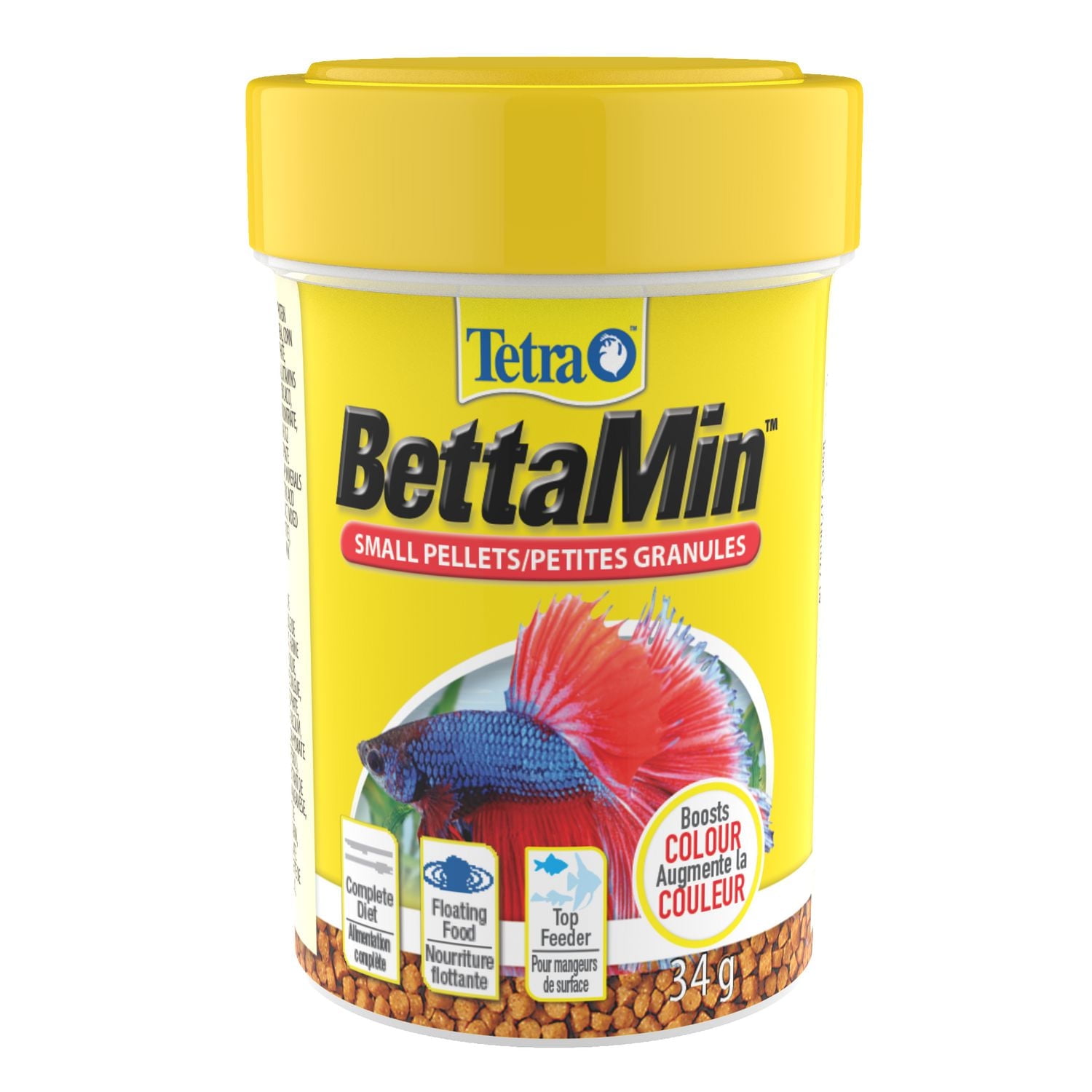
Credit: www.walmart.ca
Essential Nutrients For Betta Growth
Betta fish need good food to grow healthy and strong. Their diet must have the right nutrients for energy and body repair.
Feeding bettas with balanced nutrients helps them stay active and have bright colors. Learn about the key nutrients for betta growth.
Proteins And Amino Acids
Proteins build muscles and tissues in betta fish. Amino acids are the building blocks of proteins. They are vital for growth and repair.
Betta fish need high-protein food like live or frozen insects, worms, and specially made pellets. These foods provide essential amino acids.
- Protein supports muscle growth
- Amino acids help tissue repair
- High protein food boosts energy
- Sources include bloodworms, brine shrimp, and pellets
Vitamins And Minerals
Vitamins and minerals keep bettas healthy. They help with immune function, bone strength, and overall body health.
Common vitamins for bettas include vitamins A, C, D, and E. Important minerals are calcium, potassium, and magnesium.
- Vitamin A supports vision and skin
- Vitamin C helps heal wounds
- Vitamin D strengthens bones
- Minerals keep organs working well
Fats And Fatty Acids
Fats provide energy and help absorb vitamins in betta fish. Fatty acids are good fats needed for cell health.
Omega-3 and omega-6 fatty acids improve betta growth and reduce inflammation. Balanced fats keep their scales shiny and skin healthy.
- Fats give energy for activity
- Fatty acids support brain and heart
- Omega-3 helps reduce inflammation
- Good fats keep scales shiny
Types Of Betta Fish Food
Choosing the right food is important for your betta fish’s growth. Different foods provide various nutrients that keep your fish healthy.
This guide covers common types of betta fish food to help you feed your pet properly.
Pellets And Flakes
Pellets and flakes are popular dry foods for betta fish. They are easy to store and feed.
Pellets tend to sink slowly, which suits bettas well. Flakes float on top and can be eaten easily.
- Pellets provide balanced nutrition
- Flakes are convenient and quick to feed
- Both should be high in protein
- Avoid foods with fillers or low-quality ingredients
Frozen And Live Foods
Frozen and live foods are natural and rich in nutrients. They help promote growth and vibrant colors.
Common options include bloodworms, brine shrimp, and daphnia. These foods stimulate your betta’s hunting instincts.
- Bloodworms are high in protein
- Brine shrimp improve digestion
- Daphnia helps with water quality
- Feed live or frozen foods a few times a week
Homemade Food Options
You can prepare homemade food for betta fish using simple ingredients. This allows you to control what your fish eat.
Mix cooked peas, shrimp, and fish with a blender. Freeze small portions for daily feeding.
- Cook peas to aid digestion
- Add boiled shrimp for protein
- Use fish meat for variety
- Prepare small batches and freeze
Top Nutritious Foods For Bettas
Feeding your betta fish the right food helps them grow strong and healthy. Bettas need foods rich in protein and nutrients.
Here are some of the best food options that support betta fish growth and vitality.
High-protein Pellets
High-protein pellets are specially made for betta fish. These pellets give balanced nutrition and help build muscle.
They contain essential vitamins and minerals to keep your betta active and colorful.
Bloodworms And Brine Shrimp
Bloodworms and brine shrimp are favorite treats for bettas. These live or frozen foods are high in protein.
- Bloodworms boost immune health.
- Brine shrimp improve digestion.
- Both foods increase energy and growth.
Daphnia And Mosquito Larvae
Daphnia and mosquito larvae are natural snacks that promote good health. They help clean the fish’s digestive system.
| Food | Benefit | Feeding Tip |
| Daphnia | Cleans digestive tract | Feed occasionally as a treat |
| Mosquito Larvae | High in protein | Offer live or frozen |

Credit: www.amazon.com
Feeding Tips For Optimal Growth
Feeding your betta fish the right food helps it grow strong and healthy. Good food gives the fish energy and nutrients.
Proper feeding habits also keep your betta active and colorful. Follow these tips to feed your fish well.
Feeding Frequency And Portion Control
Feed your betta fish small amounts two times a day. This keeps the fish from getting hungry or too full.
Only give as much food as your fish can eat in two minutes. This stops waste and keeps your tank clean.
- Feed twice daily, morning and evening
- Use a small pinch of food each time
- Watch how fast your fish eats
- Adjust portions if food is left uneaten
Avoiding Overfeeding
Overfeeding can harm your betta fish. It causes obesity and water pollution.
Do not feed your betta fish more than it can eat quickly. Remove any extra food from the tank.
- Feed only small portions
- Remove leftover food after feeding
- Do not feed more than twice a day
- Use quality betta pellets or flakes
Maintaining Water Quality
Clean water helps your betta fish grow well. Dirty water can cause sickness.
Change part of the water weekly. Check water temperature and keep it steady.
- Change 20-30% of water every week
- Keep water temperature between 76-82°F (24-28°C)
- Test water for ammonia and nitrite levels
- Use a good filter and clean the tank regularly
Signs Of A Healthy, Growing Betta
Betta fish need proper care and food to grow well. Watching their health signs helps you know if they thrive.
Look for clear signs in behavior, color, fins, and body shape. These signs show your betta is healthy and growing.
Active Behavior And Color Vibrancy
A healthy betta swims actively and reacts to its environment. Bright colors mean good health and growth.
- Swims around the tank often
- Explores decorations and plants
- Responds quickly to your presence
- Shows bright, vivid color on fins and body
- Flashes colors during feeding or display
Fin Development
Growing bettas develop larger, well-shaped fins with smooth edges. Damaged fins may mean health issues.
| Fin Feature | Healthy Betta | Unhealthy Betta |
| Size | Expands evenly over time | Stunted or shrinking |
| Edges | Smooth and intact | Torn or ragged |
| Color | Bright and matching body | Dull or faded |
Weight And Body Shape
Watch your betta’s body for a firm, rounded shape. Sudden weight loss or bloating can be signs of illness.
- Feed balanced meals with protein-rich food
- Avoid overfeeding to prevent bloating
- Keep water clean to reduce stress
Credit: www.ebay.ca
Frequently Asked Questions
What Is The Best Food For Betta Fish Growth?
The best food for betta fish growth includes high-quality pellets, live or frozen brine shrimp, and bloodworms. These foods provide essential proteins and nutrients to promote healthy development and vibrant colors in bettas.
How Often Should I Feed My Betta Fish For Growth?
Feed your betta fish 2-3 times daily with small portions. Overfeeding can harm their health, so only provide what they can eat in 2 minutes to ensure proper growth.
Can Betta Fish Eat Frozen Or Live Food?
Yes, betta fish thrive on both frozen and live foods like brine shrimp and bloodworms. These options enhance their diet with essential nutrients for optimal growth and activity.
Are Pellets Good For Betta Fish Growth?
High-quality pellets are excellent for betta fish growth. They offer balanced nutrition, are easy to store, and support overall health when fed as part of a varied diet.
Conclusion
Feeding betta fish the right food helps them grow strong and healthy. High-quality pellets and live or frozen foods work best. Balanced nutrition supports vibrant colors and active swimming. Avoid overfeeding to keep your fish safe and happy. Watch your betta’s behavior to know if it enjoys its meals.
Healthy feeding habits lead to a longer, happier life for your fish. Simple care makes a big difference in betta growth and well-being. Keep your fish’s diet varied and fresh for best results.