
Keeping your saltwater tank healthy and vibrant can feel challenging, especially when it comes to managing water quality. You want crystal-clear water that supports your marine life, but harmful chemicals and impurities often stand in the way.
That’s where a water conditioner for saltwater tanks becomes your best ally. Imagine transforming your tank’s water into a safe, balanced environment with just a simple step. You’ll discover how the right water conditioner can protect your aquatic friends, reduce maintenance, and make your tank shine like never before.
Ready to unlock the secret to a thriving saltwater aquarium? Let’s dive in.
Why Water Conditioners Matter
Water conditioners help keep saltwater tanks safe for fish and corals. They treat tap water to remove harmful substances.
Using water conditioners improves water quality and supports a healthy marine environment.
Impact On Saltwater Tank Health
Water conditioners remove chlorine and chloramine from tap water. These chemicals can harm fish and corals.
Conditioners also neutralize heavy metals that enter water from pipes. Heavy metals can cause stress and disease in marine life.
- Protect fish gills and skin
- Prevent coral bleaching
- Reduce stress for all tank animals
Common Water Issues In Marine Aquariums
Tap water contains chemicals and metals that can harm marine tanks. Saltwater tanks need pure, clean water.
Other problems include changes in pH and harmful bacteria. These issues can upset the balance of the tank.
- Chlorine and chloramine in tap water
- Heavy metals like copper and lead
- Unstable pH levels
- Harmful bacteria and pathogens
Types Of Water Conditioners
Water conditioners are important for keeping saltwater tanks healthy. They help remove harmful substances and keep water safe for fish and coral.
There are different types of water conditioners. Each type has a special job to make water better for your tank.
Dechlorinators And Detoxifiers
Dechlorinators remove chlorine and chloramine from tap water. These chemicals can hurt fish and plants in saltwater tanks.
Detoxifiers work by neutralizing harmful chemicals and heavy metals. They make water safer without changing its chemistry.
- Remove chlorine and chloramine
- Neutralize harmful chemicals
- Protect fish and coral
- Safe for saltwater environments
Heavy Metal Removers
Heavy metal removers clean metals like copper, lead, and zinc from tank water. These metals can build up and harm marine life.
These conditioners use special agents that bind to metals. This helps remove them safely from the water.
- Target metals harmful to fish and coral
- Prevent metal buildup in tanks
- Keep water safe and clean
- Help maintain stable tank conditions
Ph Stabilizers
pH stabilizers keep the tank water’s pH at the right level. Stable pH is important for fish health and coral growth.
These conditioners add buffers that stop sudden pH changes. This helps avoid stress and harm to tank animals.
- Maintain proper pH balance
- Prevent sudden pH swings
- Support healthy marine life
- Improve overall tank stability
Choosing The Right Conditioner
Water conditioners help keep saltwater tanks safe and healthy. Picking the right conditioner means understanding your tank’s needs. This guide covers key points to consider for a good choice.
Focus on water quality, marine life safety, and product ingredients. These factors affect how well your conditioner works.
Assessing Water Quality
Test your tank water before adding any conditioner. Check for chlorine, chloramine, ammonia, and nitrate levels. This helps you know what your water needs.
- Measure pH and salinity to match tank conditions
- Check hardness and alkalinity for stability
- Look for harmful chemicals like heavy metals
- Test for ammonia and nitrite levels regularly
Compatibility With Marine Life
Choose a conditioner that is safe for all your tank animals. Some conditioners can harm corals, fish, or invertebrates. Always check product labels and reviews.
| Marine Life Type | Safe Conditioner Features |
| Fish | Removes chlorine and ammonia, no toxic chemicals |
| Corals | Free from copper and heavy metals |
| Invertebrates | Gentle on delicate species, no harsh additives |
Brand And Ingredient Considerations
Check the ingredients to avoid harmful substances. Choose brands with clear labels and good safety records. Know what each ingredient does in your tank.
Important ingredients to watch for:
- Dechlorinators to neutralize chlorine and chloramine
- Ammonia binders to reduce toxic ammonia
- Heavy metal removers for safer water
- Trace elements that support marine life health
Avoid conditioners with unknown chemicals or vague ingredient lists.
How To Use Water Conditioners
Water conditioners help make saltwater safe for your tank animals. They remove harmful chemicals and balance water quality.
Using the right amount and applying it properly keeps your tank healthy. Follow these guidelines to use water conditioners well.
Dosage And Timing
Always check the label for the correct dosage. Too much or too little can harm your tank life.
Add the conditioner right after you prepare new water. This helps remove chlorine and other toxins before adding the water to the tank.
- Measure the water volume accurately.
- Use the recommended dose from the product label.
- Apply conditioner immediately after water mixing.
- Do not overdose; it can affect water chemistry.
Application Techniques
Pour the conditioner slowly into the tank or water container. Stir gently to spread it evenly.
Never add conditioner directly to your tank inhabitants. Mix it first to avoid stress or harm.
- Use a clean container for water mixing.
- Pour conditioner while stirring water gently.
- Wait a few minutes before adding water to the tank.
- Use a measuring cup or dropper for accuracy.
Safety Precautions
Keep water conditioners out of reach of children and pets. Some chemicals can be harmful if swallowed or touched.
Wear gloves if you have sensitive skin. Wash hands after handling water conditioner products.
- Store conditioners in a cool, dry place away from sunlight.
- Read product labels for hazard warnings.
- Avoid mixing different brands without advice.
- Dispose of empty containers properly.
Maintaining Crystal Clear Water
Keeping saltwater tanks clear is key for a healthy marine environment. Clean water helps fish and corals thrive.
Using a water conditioner designed for saltwater can improve water quality and clarity. It works with regular care routines.
Regular Water Testing
Test your tank water often to catch problems early. Check levels like pH, ammonia, nitrate, and salinity.
- Use a reliable test kit weekly
- Record results to track changes
- Adjust water conditioner as needed
- Replace water if tests show high toxins
Filtration And Circulation Tips
Good filtration removes waste and keeps water clear. Circulation moves oxygen and nutrients throughout the tank.
| Equipment | Purpose |
| Protein Skimmer | Removes organic waste |
| Mechanical Filter | Traps debris |
| Powerhead | Improves water flow |
| Biological Filter | Supports beneficial bacteria |
Preventing Algae And Cloudiness
Algae can make water look green and cloudy. Control light and nutrients to stop algae growth.
- Limit tank lighting to 8-10 hours daily
- Remove uneaten food promptly
- Use water conditioners that reduce phosphates
- Clean tank surfaces regularly
- Add algae-eating fish or invertebrates
Credit: www.walmart.ca
Troubleshooting Common Problems
Maintaining a saltwater tank requires attention to detail. Problems can arise despite careful management.
This guide helps solve common water conditioner issues. Focus on keeping your tank healthy and clear.
Cloudy Water Solutions
Cloudy water in your tank can be troubling. It usually indicates a filtration or balance issue.
- Check your filter for clogs or wear.
- Ensure the water conditioner dosage is correct.
- Allow the tank to settle after changes.
Dealing With Chemical Imbalances
Chemical imbalances affect fish health. Regular testing and adjustments are key.
| Parameter | Ideal Range |
| pH Level | 8.0 – 8.4 |
| Ammonia | 0 ppm |
| Nitrate | Below 10 ppm |
Signs Of Conditioner Overuse
Using too much conditioner can harm your tank. Watch for these signs.
- Unusual fish behavior like gasping.
- Sudden algae growth.
- White residue on tank surfaces.
Popular Water Conditioner Brands
Water conditioners are important for saltwater tanks. They help keep the water clean and safe for fish. Many brands offer water conditioners for saltwater tanks.
Choosing the right brand is key to maintaining a healthy environment. Popular brands provide reliable products that aquarium owners trust.
Top Rated Products
Some products are highly rated for their effectiveness. These products are often recommended by experienced aquarium enthusiasts.
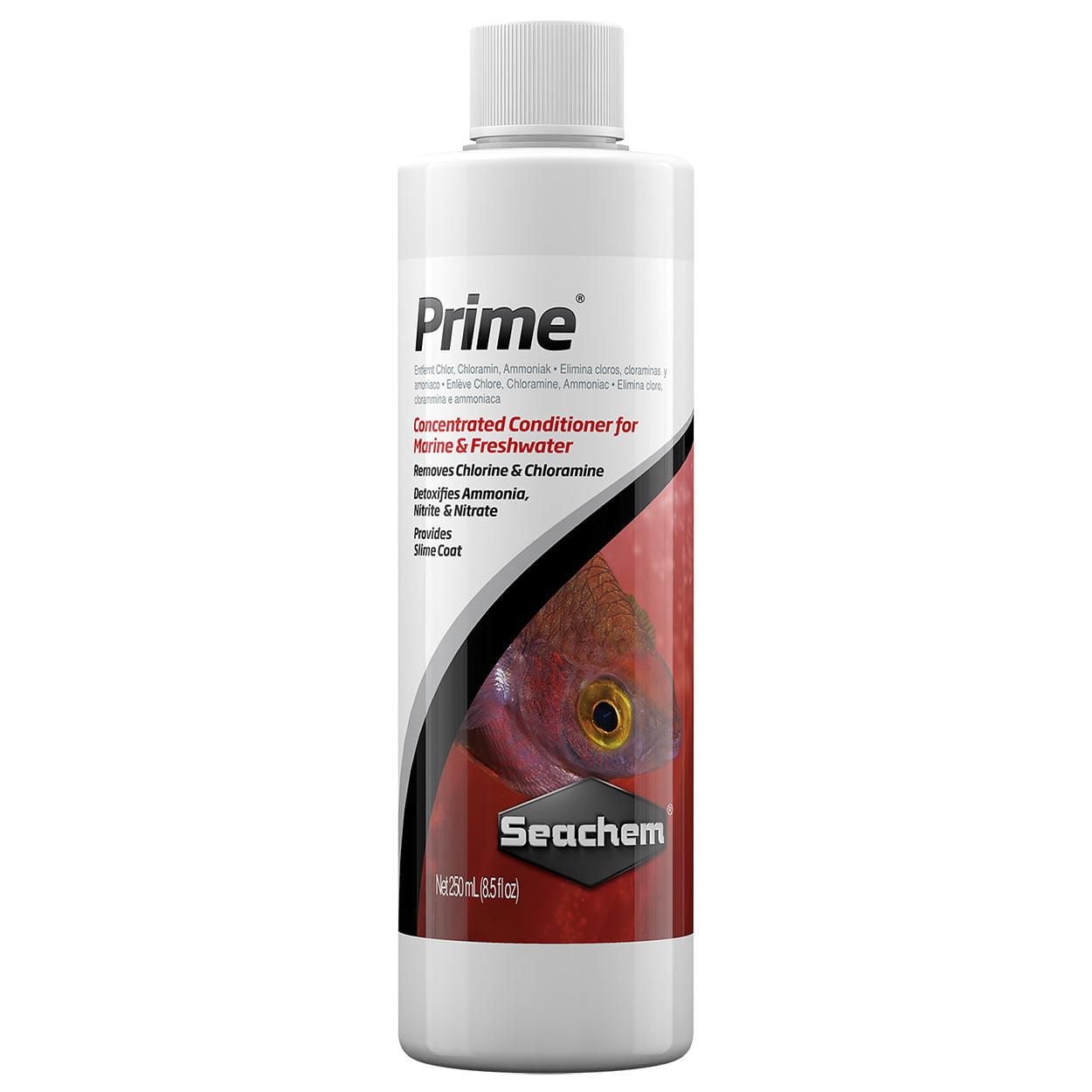
- Seachem Prime is well-known for removing toxins.
- API Stress Coat Plus adds a protective layer to fish.
- Fluval Water Conditioner is gentle and effective.
User Reviews And Feedback
Users often share their experiences with different brands. Reviews help new buyers make informed choices.
- Seachem Prime users report clear water and healthy fish.
- API Stress Coat Plus is praised for its soothing effects.
- Fluval Water Conditioner receives positive feedback for its ease of use.

Credit: www.ebay.ca
Diy Water Conditioning Tips
Keeping saltwater tanks healthy needs clean and balanced water. Conditioning water helps remove harmful chemicals. You can do it yourself with some simple tips.
DIY water conditioning saves money and lets you control your tank’s environment. Learn easy ways to make your water safe for fish and corals.
Natural Alternatives
You can use natural items to treat your saltwater. Some plants and minerals help balance water without chemicals. These options are gentle on your tank’s life.
Peat moss and driftwood can remove toxins and soften water. Adding crushed coral or aragonite helps keep the pH stable. These natural materials create a healthy tank environment.
- Peat moss filters and softens water
- Driftwood releases tannins that remove metals
- Crushed coral raises pH and hardness
- Aragonite maintains calcium and alkalinity
Home Testing Methods
Testing water at home helps track its quality. You can check pH, ammonia, and salt levels with simple kits. These tests guide you in adjusting your water correctly.
Use test strips or liquid test kits. Follow package instructions carefully. Regular tests prevent problems before fish or corals get sick.
- pH test to check acidity and alkalinity
- Ammonia test to find harmful waste
- Nitrite and nitrate tests for water cleanliness
- Salinity test to measure salt concentration
Credit: www.petsmart.ca
Frequently Asked Questions
What Is A Water Conditioner For Saltwater Tanks?
A water conditioner for saltwater tanks removes harmful chemicals and toxins. It ensures safe water for marine life and improves water quality.
Why Do Saltwater Tanks Need Water Conditioners?
Saltwater tanks need conditioners to neutralize chlorine, chloramine, and heavy metals. This protects fish and corals from stress and toxicity.
How Often Should I Use Water Conditioner In Saltwater Tanks?
Use water conditioner during every water change or when adding new water. This maintains a healthy environment and keeps marine life safe.
Can Water Conditioners Harm Saltwater Tank Inhabitants?
No, quality water conditioners are safe for fish and corals. Always choose conditioners specifically made for saltwater tanks to avoid harm.
Conclusion
A good water conditioner keeps saltwater tanks safe and healthy. It removes harmful chemicals that can hurt fish and plants. Using the right conditioner helps maintain clear water and balanced conditions. This supports the life inside your tank and keeps it looking great.
Regular use makes tank care easier and less stressful. Choose a water conditioner designed for saltwater tanks. Your fish will thank you with better health and activity. Simple steps bring big benefits to your underwater world.