
If you want your marine tank fish to thrive and show their true colors, choosing the right fish food is key. What you feed your underwater friends directly affects their health, energy, and lifespan.
But with so many options out there, how do you know what’s best for your marine tank? This guide will help you discover the perfect food that keeps your fish happy and your tank vibrant. Keep reading to unlock the secrets to feeding your marine fish like a pro.
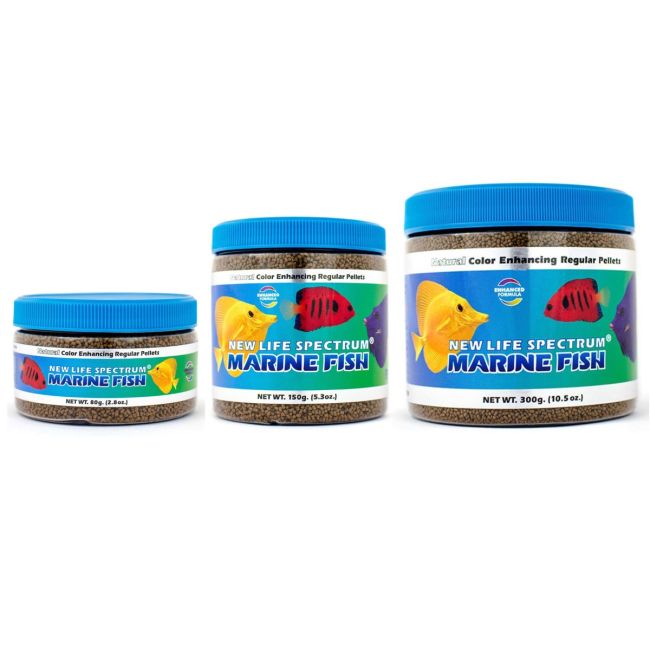
Credit: www.aquariumspecialty.com
Types Of Marine Fish Food
Marine fish need a variety of foods to stay healthy. Different types of fish food provide different nutrients. Choosing the right food helps your fish grow and thrive.
Fish food comes in many forms. Each type has its benefits and suits different marine species. Let’s explore the common types of marine fish food.
Dry Foods
Dry foods are easy to store and use. They are made by drying fish ingredients to keep them fresh longer. Many marine fish enjoy dry foods as part of their diet.
These foods often contain vitamins and minerals. They help keep fish active and colorful. Dry foods are good for daily feeding.
- Freeze-dried shrimp or plankton
- Dry flakes with added nutrients
- Pellet form for easy feeding
Frozen Foods
Frozen foods keep nutrients locked in by freezing fresh ingredients. They are closer to a fish’s natural diet than dry foods. Frozen options help provide a balanced meal.
Common frozen foods include small seafood and algae. They thaw quickly and are easy to portion. Use them to add variety to your marine fish’s diet.
- Frozen brine shrimp
- Frozen mysis shrimp
- Frozen plankton and copepods
Live Foods
Live foods are natural and fresh. They stimulate fish to hunt and eat actively. Live foods offer high nutrition but require care to keep safe.
They are ideal for picky eaters or breeding fish. Live foods help improve fish health and behavior. Use them occasionally to boost your tank’s ecosystem.
- Live brine shrimp
- Live copepods
- Live blackworms
Pellets And Flakes
Pellets and flakes are popular dry food forms. They come in many sizes and formulas. These foods are easy to feed and store.
Pellets sink slowly or float, suiting different fish types. Flakes dissolve fast, good for surface feeders. Both provide balanced nutrition for daily care.
- Floating flakes for surface feeders
- Sinking pellets for bottom feeders
- Special formulas for color or growth
Nutritional Needs Of Marine Fish
Marine fish need balanced food to stay healthy and active. Their food must supply energy and support growth.
Good nutrition helps fish fight diseases and live longer in marine tanks.
Proteins And Fats
Proteins build muscles and repair tissues in marine fish. Fats give energy and help absorb vitamins.
Fish need high-quality proteins from sources like fish meal or shrimp. Healthy fats come from fish oils.
- Proteins support growth and body repair
- Fats provide long-lasting energy
- Both help keep fish active and strong
Vitamins And Minerals
Vitamins and minerals help marine fish maintain body functions. They keep bones and scales strong.
Common vitamins include A, C, and D. Minerals like calcium and magnesium help with growth and health.
- Vitamin A supports vision and skin health
- Vitamin C helps heal wounds
- Calcium builds strong bones and teeth
- Magnesium aids muscle and nerve function
Essential Fatty Acids
Essential fatty acids are fats fish cannot make. They must get these from their food.
These fats keep fish scales shiny and skin healthy. They also support brain and heart function.
- Omega-3 fatty acids improve immunity
- Omega-6 fatty acids help growth
- Both keep fish energy levels steady
Feeding Frequency And Portions
Feeding your marine tank fish the right amount is important. Feeding too much or too little can harm their health.
Understanding how often and how much to feed helps keep your fish happy and healthy.
Daily Feeding Schedules
Most marine fish do well with two small feedings each day. This matches their natural eating habits.
Some species may need feeding once or three times daily. Watch your fish for signs of hunger or fullness.
- Feed young or small fish 2-3 times per day
- Adult fish usually need 1-2 feedings daily
- Feed at consistent times to build routine
Avoiding Overfeeding
Overfeeding causes water pollution and fish health problems. Remove uneaten food quickly after feeding.
Feed only what fish can eat in 2-3 minutes. Extra food can rot and harm the tank environment.
- Offer small portions to prevent waste
- Watch fish eat to judge correct amounts
- Clean tank regularly to remove leftovers
Adjusting Portions By Species
Different fish have different appetites and dietary needs. Adjust portions based on species size and activity.
Predatory fish eat larger meals less often. Herbivores need smaller, more frequent feedings.
| Fish Type | Feeding Frequency | Portion Size |
|---|---|---|
| Predatory Fish | Once daily | Moderate to large |
| Herbivores | 2-3 times daily | Small to moderate |
| Small Schooling Fish | 2-3 times daily | Small |
Special Diets For Marine Species
Feeding marine fish requires specific diets. Each species has unique needs.
Understanding these diets keeps your tank healthy and vibrant. Let’s explore what different marine species eat.
Herbivores
Herbivorous marine fish consume mostly plant-based foods. They thrive on algae and seaweed.
- Nori sheets are a popular choice.
- Spirulina flakes provide essential nutrients.
- Frozen algae can be a tasty treat.
Carnivores
Carnivorous fish eat meat. They require protein-rich diets to stay healthy.
Offer them brine shrimpor krill. These foods mimic their natural diet.
Omnivores
Omnivorous fish eat both plants and animals. They need a varied diet for balanced nutrition.
| Food Type | Example |
| Plant-based | Algae wafers |
| Animal-based | Mysis shrimp |
Coral And Invertebrate Nutrition
Corals and invertebrates also need special care. They consume microscopic foods.
Reef roids and plankton are excellent options. Regular feeding boosts growth and color.
Preparing And Storing Fish Food
Feeding marine fish properly helps keep them healthy and active. Preparing and storing fish food correctly keeps it fresh and safe to eat.
Good food care prevents spoilage and reduces waste. It also keeps nutrients intact for your fish.
Proper Storage Techniques
Store dry fish food in a cool, dry place. Keep the container sealed tightly to avoid moisture and pests.
Use airtight containers or bags with zip locks. Label containers with the purchase date to track freshness.
- Keep food away from sunlight
- Store at room temperature or cooler
- Do not mix old and new food
- Check for mold or bad smell before use
Handling Frozen And Live Foods
Keep frozen food in the freezer until ready to use. Thaw it slowly in the fridge or at room temperature.
Do not refreeze thawed food. Use live foods quickly to keep them healthy and safe for your fish.
- Handle live foods gently to avoid injury
- Rinse live foods to remove debris
- Feed live and frozen food in small amounts
- Discard uneaten live food after a few hours
Maintaining Food Freshness
Check fish food regularly for signs of spoilage. Fresh food has a natural smell and color.
Use food within the recommended time frame. Keep small portions ready to avoid waste and spoilage.
- Buy small amounts to keep food fresh
- Seal food containers tightly after each use
- Store frozen food properly to avoid freezer burn
- Keep live food in clean, aerated containers
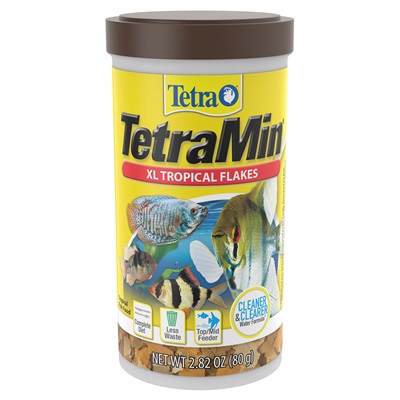
Credit: www.tetra-fish.com
Signs Of Healthy Feeding
Feeding fish in marine tanks properly helps keep them strong and lively. Watching their eating habits gives clues about their health.
Healthy feeding shows in fish behavior, body condition, and even water quality. These signs help you know if your fish get the right nutrition.
Fish Behavior Indicators
Active and alert fish often mean good feeding. Fish that eagerly eat and explore the tank usually have enough food.
- Fish swim near the surface or feeding area during meal times
- They chase food quickly but do not overeat
- Fish show normal social behaviors without aggression
- They remain calm and do not hide excessively
Physical Health Signs
Good feeding reflects in the fish’s body. Healthy fish have bright colors and smooth fins.
| Sign | What It Means |
| Bright, vivid colors | Proper nutrition and low stress |
| Clear eyes | Good health and no infections |
| Full, round belly | Enough food intake |
| Intact fins with no tears | Healthy skin and no disease |
| Consistent growth | Balanced diet |
Water Quality Effects
Feeding affects water quality, which in turn affects fish health. Uneaten food can pollute the tank water.
To maintain water quality:
- Feed small amounts to avoid leftovers
- Remove uneaten food after feeding
- Check water for ammonia, nitrite, and nitrate levels
- Keep regular water changes and tank cleaning
Common Feeding Mistakes
Feeding fish in marine tanks requires care. Mistakes can harm your fish. Learn about common errors to avoid.
Proper fish food management is key. This ensures healthy and happy marine life.
Overfeeding Consequences
Overfeeding is a frequent issue in marine tanks. It can lead to several problems.
- Excess food decays, reducing water quality.
- Leads to increased algae growth.
- Fish may become obese and unhealthy.
Underfeeding Risks
Not providing enough food is also harmful. Fish need balanced nutrition to thrive.
| Risk | Impact |
| Malnutrition | Weakens fish health |
| Stress | Increases disease vulnerability |
| Competition | Fish may fight for food |
Feeding Incompatible Foods
Different fish species need specific diets. Feeding the wrong food can cause issues.
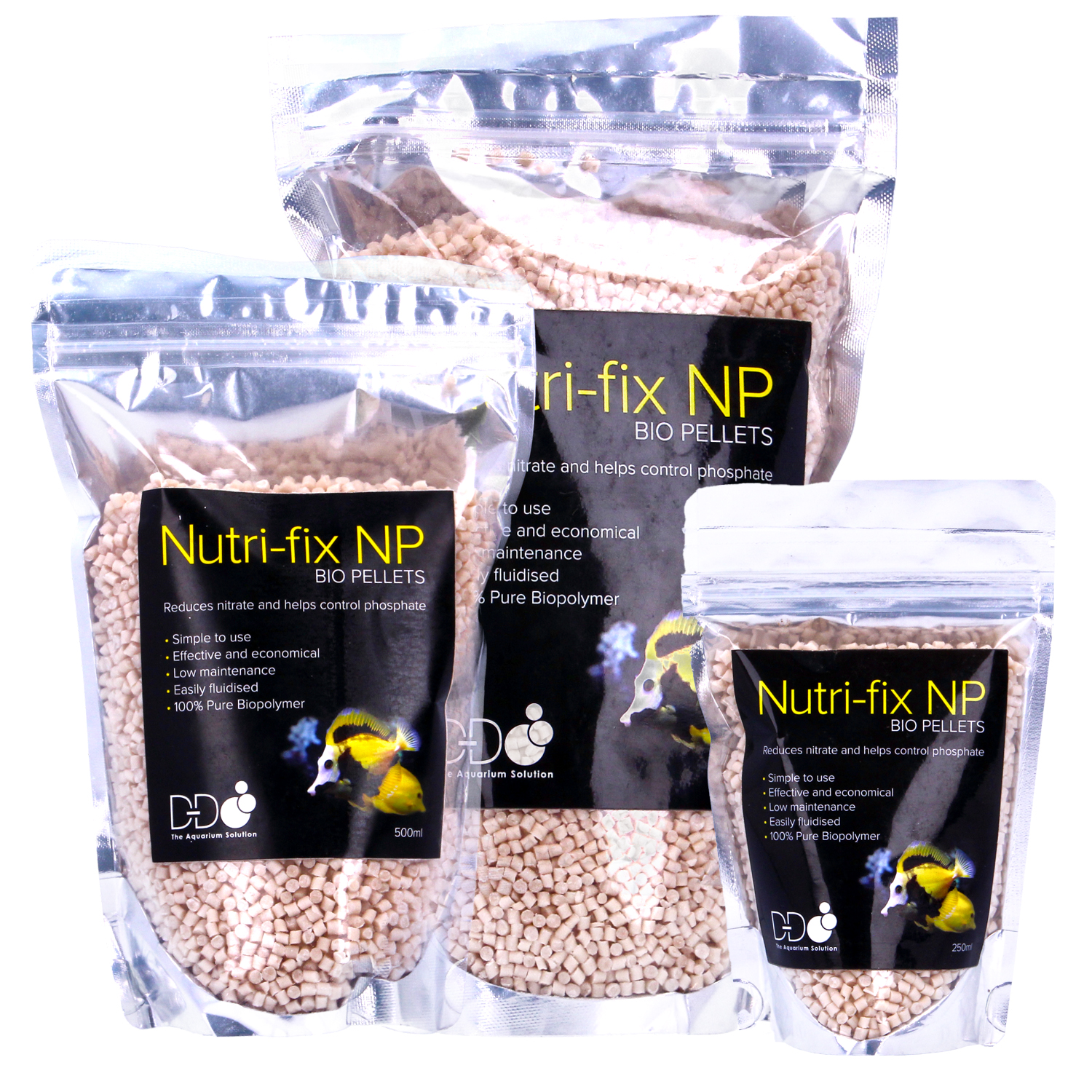
Credit: www.ebay.ca
Enhancing Diet Variety
Feeding marine tank fish a varied diet keeps them healthy and active. Different foods provide a mix of nutrients.
Changing the diet often helps meet fish needs and prevents boredom with food.
Mixing Different Food Types
Use flakes, pellets, frozen, and live foods to offer variety. Each type has unique benefits.
Mixing food types helps fish get a balanced diet and stay interested in eating.
- Flakes provide vitamins and minerals.
- Pellets are easy to store and feed.
- Frozen foods add protein and natural nutrients.
- Live foods encourage natural hunting behavior.
Using Supplements
Supplements boost fish health by adding extra vitamins and minerals. They fill gaps in regular diets.
Common supplements include vitamin drops, spirulina powder, and calcium sources for shell growth.
- Vitamin drops improve immune systems.
- Spirulina powder supports color and digestion.
- Calcium helps corals and shellfish.
Seasonal Diet Adjustments
Fish needs change with seasons. Adjust food types and amounts to match water temperature and activity.
Feed more protein in warmer months and lighter foods in colder months to support fish health.
- Increase protein-rich foods in summer.
- Reduce feeding in winter to prevent waste.
- Use easily digestible foods during colder months.
Diy Fish Food Recipes
Feeding marine fish with homemade food helps control their diet. You can make safe and healthy food at home.
DIY fish food saves money and offers fresh nutrients. It is easy to prepare with simple ingredients.
Homemade Frozen Mixes
Frozen mixes keep food fresh and easy to store. You can combine different ingredients to meet your fish’s needs.
Freeze the mix in small portions for easy feeding. This method keeps nutrients locked in for your fish.
- Chop fish fillets, shrimp, and squid finely
- Add vegetables like spinach or peas
- Mix in vitamins or supplements as needed
- Shape into small cubes or balls
- Freeze on trays before storing in bags
Nutrient-rich Blends
Balanced nutrients help fish grow and stay healthy. Use protein, fats, and vitamins in the right amounts.
Include foods rich in omega-3 fatty acids and minerals. Variety is key to a strong diet for marine fish.
- Fish muscle for protein
- Algae or seaweed for vitamins
- Krill or plankton for omega-3
- Vegetables for fiber and minerals
- Supplements for extra nutrients
Safe Ingredients To Use
Choose fresh and clean ingredients to avoid harming your fish. Avoid chemicals or spoiled foods.
Only use items known to be safe for marine fish. This keeps your tank environment healthy and balanced.
- Fresh seafood like fish, shrimp, and squid
- Clean vegetables such as spinach and peas
- Natural supplements without additives
- Avoid processed human food or seasoning
- Never use frozen food that was thawed and refrozen
Frequently Asked Questions
What Is The Best Fish Food For Marine Tanks?
The best fish food for marine tanks is high-quality, species-specific pellets or flakes. Supplement with frozen or live foods like brine shrimp or mysis shrimp for balanced nutrition.
How Often Should I Feed Fish In A Marine Tank?
Feed marine fish 1-2 times daily in small amounts. Overfeeding can pollute water and harm fish health, so remove uneaten food promptly.
Can Marine Fish Eat Frozen Or Live Food?
Yes, marine fish thrive on frozen or live foods like brine shrimp and mysis shrimp. These provide essential nutrients and mimic their natural diet.
Are Plant-based Foods Suitable For Marine Fish?
Some marine fish benefit from plant-based foods like algae wafers or spirulina flakes. These support herbivorous species and promote healthy digestion and vibrant colors.
Conclusion
Choosing the right fish food helps keep marine tanks healthy. Fish need a balanced diet to grow strong and stay active. Feeding them the correct food supports their color and energy. Avoid overfeeding to keep water clean and clear. Try to include a mix of flakes, pellets, and frozen foods.
Watch your fish’s behavior to know if they like the food. Healthy fish make your marine tank a beautiful sight. Simple care and good food make a big difference. Enjoy your tank and happy fish feeding!